What Trademark Class is Mugs And Drinkware And Dinnerware: Expert Insights
Are you planning to trademark your mugs, drinkware, or dinnerware? Knowing the right trademark class for these items is crucial to protect your brand effectively.
If you get this wrong, your application could be delayed or even rejected, leaving your products vulnerable. You’ll discover exactly which trademark class covers mugs, drinkware, and dinnerware—and why choosing the correct class matters for your business success. Keep reading to make sure your brand stays safe and stands out in the market.

Credit: www.lecreuset.com
Trademark Classes For Drinkware
Trademark classes help organize products for registration and protection. Drinkware, including mugs and cups, falls under a specific trademark class. Understanding this class is important for anyone registering trademarks related to drinkware products.
Class 21 Overview
Class 21 covers household and kitchen utensils. It includes items made of glass, porcelain, and earthenware. The class protects products used for food preparation and serving. This class also covers small containers and cleaning tools.
Items Covered Under Class 21
- Drinking glasses and cups
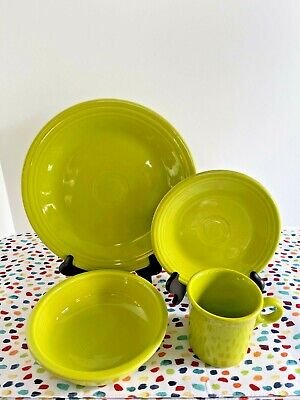
- Mugs and coffee cups
- Bowls and plates
- Kitchen utensils like spatulas and whisks
- Containers for food storage
- Cleaning brushes and scouring pads
Why Mugs And Drinkware Fit Here
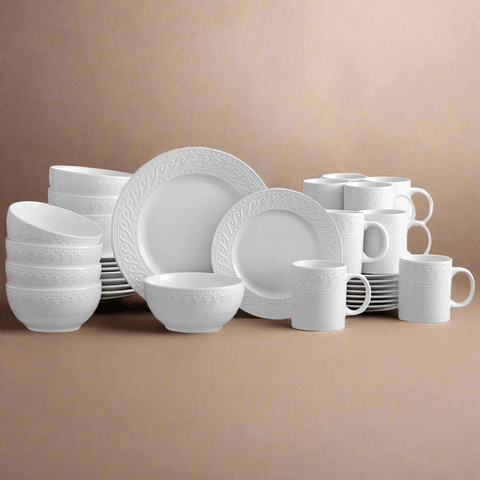
Mugs and drinkware are used daily in kitchens and homes. They are made from materials like ceramic, glass, and plastic. These products match the items described in Class 21. Registering under this class protects your brand in the drinkware market.

Credit: www.walmart.com
Trademark Classes For Dinnerware
Understanding trademark classes is crucial when you want to protect your brand, especially if you’re dealing with items like dinnerware. Trademarks are categorized into specific classes that help identify the type of goods or services they cover. Knowing which class your dinnerware belongs to can save you time and money during the trademark registration process.
Class 21 And Dinnerware
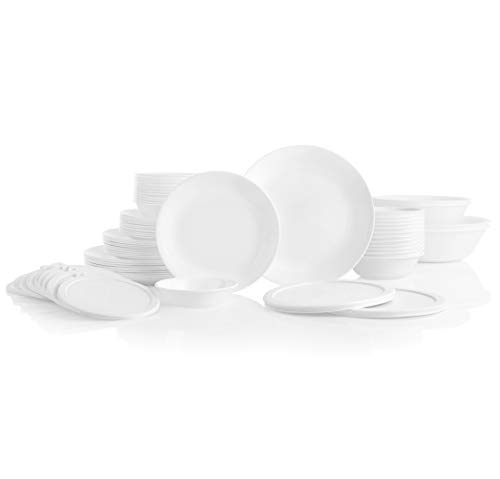
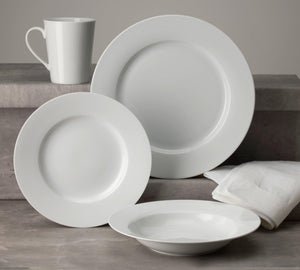
Class 21 specifically covers household or kitchen utensils and containers. This includes most types of dinnerware such as plates, bowls, and serving dishes. If you’re selling or manufacturing these items, Class 21 is likely where your trademark application should be filed.
Keep in mind, Class 21 also includes items like glassware, cookware, and even some types of cleaning utensils. So if your product line extends beyond just plates or bowls, this class can provide broader protection.
Differences Between Drinkware And Dinnerware Classes
Although both drinkware and dinnerware fall under Class 21, there are subtle distinctions worth noting. Drinkware typically refers to items used specifically for drinking, like mugs, cups, and glasses. Dinnerware, on the other hand, covers plates, bowls, and related serving pieces.
Why does this matter? If you want to trademark mugs, it’s important to specify that your goods are drinkware within Class 21. This distinction helps avoid confusion with trademarks that may only cover dinnerware items.
Examples Of Registered Dinnerware Items
- Porcelain dinner plates with unique patterns
- Hand-painted ceramic bowls
- Melamine serving platters
- Stoneware salad plates
These examples show how diverse dinnerware can be. When registering your trademark, be as specific as possible about the materials and types of dinnerware you offer. This clarity strengthens your legal protection and helps you stand out in the market.
Filing Tips For Mugs And Drinkware
Filing a trademark for mugs and drinkware requires careful attention to detail to ensure your brand is fully protected. Understanding the right class and avoiding common pitfalls can save you time and money. Let’s dive into some practical tips that can guide you through this process smoothly.
Choosing The Right Class
Mugs, drinkware, and dinnerware typically fall under Trademark Class 21, which covers household or kitchen utensils and containers. Selecting the correct class is crucial because it defines the scope of your trademark protection.
Think about your product’s primary use and how it fits into the categories defined by the trademark office. Are you selling only mugs, or do you also offer plates, bowls, or other kitchen items? Including all relevant items under Class 21 can help avoid future conflicts.
Common Mistakes To Avoid
- Failing to specify the exact products you offer. Vague descriptions can weaken your trademark’s enforceability.
- Registering under the wrong class. This mistake often leads to rejection or limited protection.
- Overlooking international classes if you plan to sell globally. Different countries may have varying class requirements.
Have you ever assumed your product falls under a certain class without verifying? That oversight can cost you a lot later on.
Expert Recommendations
Always consult the official trademark classification guide before filing. It’s a small step that prevents big headaches.
Consider working with a trademark attorney or a professional service that specializes in intellectual property for mugs and drinkware. Their experience can help you avoid subtle errors that might not be obvious.
Keep your product descriptions clear and specific. For example, instead of just saying “drinkware,” specify “ceramic mugs” or “glass tumblers.” This clarity strengthens your trademark’s reach and protection.
Filing Tips For Dinnerware
Filing a trademark for dinnerware requires careful attention. The right approach ensures smooth processing and protects your brand effectively. Clear understanding of classification and proper documentation makes a big difference. Follow practical tips to avoid common mistakes and improve your chances.
Selecting Proper Classification
Choosing the correct trademark class is crucial. Dinnerware typically falls under Class 21, which covers household or kitchen utensils. Confirm that your products fit within this class to avoid delays. Check official trademark databases for precise class descriptions. Mistakes in classification can lead to rejection or extra fees.
Documentation And Evidence
Submit detailed proof of your product’s use and nature. Include clear photos showing your dinnerware in use or on display. Provide product labels, packaging, and sales receipts. These items support your claim and clarify your trademark’s scope. Well-organized evidence speeds up the review process and strengthens your application.
Best Practices From Experts
- Keep your trademark simple and easy to recognize.
- Use consistent branding across all your products.
- Conduct a thorough search to avoid conflicts with existing marks.
- Consult a trademark attorney for guidance.
- File early to secure your rights sooner.
- Maintain records of your trademark’s use over time.
Global Trademark Class Variations
Understanding the global variations in trademark classes is crucial if you sell or produce mugs, drinkware, or dinnerware internationally. Trademark classifications differ from country to country, which can impact how you protect your brand. Knowing these differences helps you avoid legal pitfalls and secure your brand identity effectively across borders.
Differences In International Systems
Trademark classes are organized under different systems worldwide, with the Nice Classification being the most widely used. However, some countries may have unique categories or slightly different interpretations.
For instance, the European Union Intellectual Property Office (EUIPO) uses the Nice Classification but sometimes merges or separates subclasses differently than the United States Patent and Trademark Office (USPTO). This means a trademark for mugs might fall under Class 21 in one country but could have additional specifications elsewhere.
Are you sure your trademark application matches the exact class definitions of each market? Small differences can delay approval or limit protection.
Key Markets To Consider
When protecting trademarks for mugs and drinkware, focus on markets where your products have the highest sales or growth potential. The US, EU, China, and Japan are critical due to their large consumer bases and strong enforcement of trademark rights.
In these regions, Class 21 typically covers household goods like mugs, plates, and glassware. Yet, some countries may require registering under multiple classes if your products cross into kitchen utensils or decorative items.
Which markets matter most for your business? Prioritize filing in places where your brand’s reputation and sales depend on legal protection.
How To Handle Multiple Jurisdictions
Managing trademarks across various countries means juggling different rules, fees, and timelines. You can file nationally, regionally, or use international treaties like the Madrid Protocol to simplify the process.
Using the Madrid System allows you to file one application covering multiple countries, but you still need to check the specific classification nuances for each jurisdiction. Some countries may require additional documentation or fees.
Have you mapped out your trademark strategy to cover all your key markets without unnecessary costs? Planning ahead saves time and prevents gaps in protection.
Case Studies And Examples
Examining real-world case studies offers valuable insights into trademark classes for mugs, drinkware, and dinnerware. These examples reveal how businesses protect their unique designs and brand names, and the hurdles they often face. Understanding these cases can help you navigate the registration process more confidently and avoid common pitfalls.
Successful Trademark Registrations
A popular coffee brand secured its trademark under Class 21, which includes mugs and drinkware. They focused on registering not just the brand name but also a distinctive logo that appeared on all their ceramic mugs. This dual protection helped them establish a strong market presence and fend off imitators.
Another example is a boutique dinnerware company that registered its handcrafted plates and bowls under the same class. They emphasized the unique artistic patterns as part of their trademark, which gave them exclusive rights. This approach increased their brand value and customer loyalty.
Common Challenges Faced
Many applicants struggle with correctly identifying the appropriate trademark class. Some mistakenly register under a broader class that doesn’t fully cover mugs or dinnerware, leading to limited protection. Are you certain your product fits squarely into Class 21?
Conflicts with existing trademarks also cause delays and refusals. One small business found its application rejected because a similar name was already registered for drinkware. This highlights the need for thorough trademark searches before applying.
Lessons Learned
Ensure your trademark clearly distinguishes your products. Generic or overly descriptive marks tend to be weak and harder to protect. Think about what makes your mugs or dinnerware unique—can that be trademarked?
Another key lesson is to conduct comprehensive searches and seek professional advice early. This saves time and money by avoiding rejections or legal disputes. Have you explored all angles to secure your brand’s exclusive rights?

Credit: www.lecreuset.com
Frequently Asked Questions
What Trademark Class Covers Mugs And Drinkware?
Mugs and drinkware fall under Trademark Class 21. This class covers household utensils and containers for beverages.
Which Trademark Class Includes Dinnerware Products?
Dinnerware is classified under Trademark Class 21. This class includes dishes, plates, and other eating utensils.
Can Mugs And Dinnerware Share The Same Trademark Class?
Yes, both mugs and dinnerware are in Trademark Class 21. They belong to the same category of household goods.
Why Is Trademark Class 21 Important For Drinkware?
Class 21 protects brands selling drinkware and dinnerware. It helps prevent unauthorized use of similar product names or logos.
Conclusion
Mugs, drinkware, and dinnerware fall under trademark Class 21. This class covers household and kitchen items like cups and plates. Registering your products in the right class helps protect your brand. It also avoids confusion with other businesses. Always check the trademark classes before applying.
This small step saves time and effort later. Understanding trademark classes keeps your brand safe and clear. Keep it simple and follow the rules. Your brand deserves the right protection.

Sophia Martinez is a culinary lifestyle writer and product reviewer for DiningGadgets.com. Passionate about blending style with functionality, she explores the latest dining essentials, kitchen décor, and cleaning hacks that transform everyday cooking spaces. With a background in home organization and design, Sophia brings readers expert advice on creating beautiful, practical kitchens that truly feel like the heart of the home.