Is Wheat Straw Dinnerware Safe? Discover the Truth
Are you thinking about switching to wheat straw dinnerware but wondering if it’s really safe for you and your family? You’re not alone.
With so many options out there, it’s easy to feel unsure about what materials are truly healthy and eco-friendly. You’ll discover the truth about wheat straw dinnerware—how it’s made, what makes it different, and whether it’s a smart choice for your everyday meals.
Keep reading to find out if this trendy dinnerware can give you peace of mind while enjoying your food.

Credit: www.amazon.ca
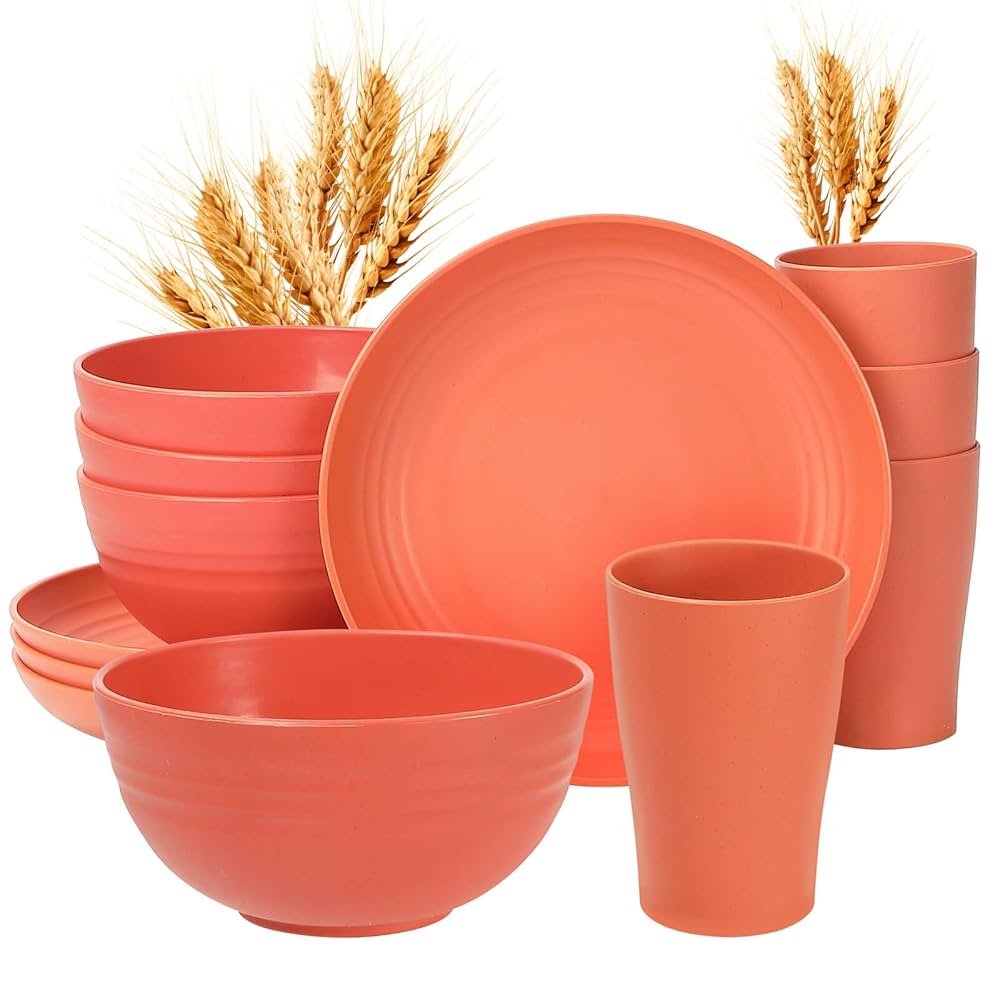
What Is Wheat Straw Dinnerware
Wheat straw dinnerware is becoming a popular choice for those looking to reduce plastic use without sacrificing style or functionality. But what exactly is wheat straw dinnerware? Understanding its composition and benefits can help you decide if it’s the right option for your kitchen.
What Is Wheat Straw?
Wheat straw is the dry stalk left after harvesting wheat grains. Instead of burning or discarding it, manufacturers collect this natural material to create sustainable products. It’s an eco-friendly alternative that reduces agricultural waste and lowers environmental impact.
How Is Wheat Straw Made Into Dinnerware?
The wheat straw fibers are cleaned, ground, and mixed with a small amount of non-toxic resin. This mixture is then molded into plates, bowls, and cups. The process uses less energy compared to traditional plastic production, making it greener and safer.
What Are The Features Of Wheat Straw Dinnerware?
- Lightweight and durable
- Biodegradable and compostable in the right conditions
- Free from harmful chemicals like BPA and phthalates
- Heat-resistant up to a certain temperature, suitable for everyday use
- Often dishwasher safe, adding convenience
Have you ever wondered if your everyday plates could help reduce pollution? Choosing wheat straw dinnerware not only supports sustainability but also offers a practical solution for your dining needs.
Materials Used In Wheat Straw Products
Understanding the materials used in wheat straw dinnerware helps you decide if it’s safe for your family and environment. Wheat straw products combine natural fibers with other components to create durable, lightweight dinnerware. Knowing what goes into these products sheds light on their safety and sustainability.
What Is Wheat Straw?
Wheat straw is the stalk left over after harvesting wheat grains. Instead of burning or discarding it, manufacturers use these fibers to make eco-friendly dinnerware. This natural byproduct is biodegradable and reduces agricultural waste, making it an attractive material for sustainable products.
Composition Of Wheat Straw Dinnerware
Wheat straw dinnerware is made by mixing wheat straw fibers with food-grade polypropylene (PP) or other safe plastics. This combination strengthens the product while keeping it lightweight and heat resistant. The ratio is usually about 50-70% wheat straw and 30-50% plastic, depending on the manufacturer.
Is The Plastic Component Safe?
The plastic used in wheat straw dinnerware is typically BPA-free and meets food safety standards. Manufacturers often choose polypropylene because it doesn’t leach harmful chemicals when in contact with food. Still, it’s wise to check product labels or certifications to confirm the absence of toxic substances.
Additional Additives And Dyes
Some wheat straw products include natural or food-safe dyes for color. These additives should comply with safety regulations to avoid harmful effects. If you prefer, you can opt for plain or minimally colored dinnerware to reduce exposure to unnecessary chemicals.
How Does This Affect You?
Knowing what materials are in your dinnerware helps you make better choices for your health and the planet. Are you comfortable with a small amount of plastic in your eco-friendly products? Your decision can influence the demand for safer, greener alternatives in the market.
Health Safety Of Wheat Straw Dinnerware
Wheat straw dinnerware is growing popular as a natural alternative to plastic. Understanding its health safety is key before making the switch. This section looks at its chemical makeup, possible toxins, and regulatory approval.
Chemical Composition
Wheat straw dinnerware is made from the leftover stalks of wheat plants. These stalks are mixed with a small amount of biodegradable resin. This combination creates a strong, lightweight material. The dinnerware contains mostly natural fibers and does not include harmful plastics.
Potential Toxins
Wheat straw dinnerware is free from BPA, phthalates, and heavy metals. These toxins are common concerns in plastic products. The material does not leach chemicals into food or drinks. It is safe for both hot and cold items. The natural fiber content reduces the risk of harmful substances.
Fda And Safety Regulations
Most wheat straw dinnerware meets FDA food contact standards. This means it is approved for use with food and drink. Manufacturers test these products for safety and durability. This approval ensures no harmful chemicals transfer to food. Always check for FDA certification when buying wheat straw dinnerware.
Durability And Longevity
Wheat straw dinnerware is known for its natural and eco-friendly appeal. Its durability and longevity make it a popular choice for many households. Understanding how it holds up under heat and regular use helps in deciding if it suits your needs.
Heat Resistance
Wheat straw dinnerware can handle warm foods and drinks well. It resists heat better than many plastic alternatives. It is not suitable for very hot items like boiling water or microwaving. Prolonged exposure to high heat may cause warping or damage. Using it for everyday meals with moderate temperatures works fine.
Wear And Tear
This type of dinnerware is quite sturdy. It stands up to daily use without breaking easily. Scratches and stains are less visible on its surface. It can withstand drops and bumps better than ceramic or glass. Over time, the color may fade slightly but the structure stays strong. Washing by hand or using a gentle dishwasher cycle helps maintain its quality.
Environmental Impact
The environmental impact of wheat straw dinnerware matters for eco-friendly choices. These products offer an alternative to plastic and other non-biodegradable materials. Understanding their effects on nature helps consumers make better decisions. Wheat straw dinnerware reduces waste and supports cleaner ecosystems.
Biodegradability
Wheat straw dinnerware breaks down naturally in the environment. It decomposes much faster than plastic or metal items. Microorganisms use wheat straw as food, turning it into organic matter. This process returns nutrients to the soil. Biodegradability helps reduce landfill waste and pollution. Using such products lowers the carbon footprint of disposable dinnerware.
Sustainability Of Wheat Straw
Wheat straw is a byproduct of wheat farming, often discarded or burned. Using it for dinnerware gives new value to this waste material. It reduces the need for cutting down trees or extracting petroleum for plastic. Wheat grows annually, making straw a renewable resource. This cycle supports sustainable production and resource conservation. Choosing wheat straw dinnerware encourages eco-friendly manufacturing practices.

Credit: www.amazon.ca
Common Misconceptions
Wheat straw dinnerware often faces myths that can make you hesitate before trying it. Understanding these misconceptions helps you make safer and smarter choices for your kitchen. Let’s clear up some common doubts that might be holding you back.
Wheat Straw Dinnerware Is Not Durable
Many think wheat straw plates and bowls break easily, but that’s not true. Wheat straw mixes with natural resins to create sturdy, lightweight products. I once dropped a wheat straw cup, and it didn’t crack or chip, proving its durability firsthand.
It Contains Harmful Chemicals
Some worry that wheat straw dinnerware has toxins or plastic additives. In reality, it is free from BPA, melamine, and other harmful substances. It’s made from natural plant fibers, making it a safer alternative to traditional plastic dinnerware.
Wheat Straw Dinnerware Is Not Microwave Safe
This is a common misunderstanding. Most wheat straw products are microwave safe, but it’s important to check the label. I use my wheat straw bowls to heat leftovers regularly without any issues or warping.
It’s Not Environmentally Friendly
People often confuse wheat straw dinnerware with regular plastic in terms of environmental impact. Wheat straw uses agricultural waste, reducing landfill and plastic pollution. Choosing wheat straw helps reduce your ecological footprint effectively.
Comparing Wheat Straw With Other Dinnerware
Choosing the right dinnerware affects health and the environment. Wheat straw dinnerware is gaining popularity for its natural origin. Comparing it with other materials helps understand its benefits and drawbacks. This section examines plastic, ceramic, and bamboo dinnerware.
Plastic
Plastic dinnerware is lightweight and cheap. It often contains chemicals like BPA that may harm health. Plastic can release toxins when heated. It is not biodegradable and adds to pollution. Cleaning plastic dinnerware is easy but it can scratch and retain odors.
Ceramic
Ceramic dinnerware is sturdy and looks elegant. It is usually safe for food and heat resistant. However, ceramics can chip or break easily. Some low-quality ceramics may contain lead or cadmium. It is heavier and requires careful handling. Cleaning is simple and it does not retain smells.
Bamboo
Bamboo dinnerware is eco-friendly and biodegradable. It is strong and lightweight but can absorb moisture. Bamboo products often need a protective coating. Some coatings may contain chemicals that affect safety. Bamboo dinnerware is natural but may wear out faster than ceramic or plastic.

Credit: www.amazon.ca
Tips For Safe Usage And Care
Using wheat straw dinnerware can be both eco-friendly and stylish, but knowing how to care for it properly ensures it stays safe and durable. You want to avoid damage that could affect its safety or appearance. Simple habits can protect your dinnerware and keep your meals worry-free.
Proper Cleaning Techniques
Always wash your wheat straw dinnerware with mild soap and warm water. Avoid harsh scrubbing pads that can scratch the surface and create places for bacteria to hide.
Dishwashers might seem convenient, but many wheat straw products are not dishwasher safe. Check the manufacturer’s instructions carefully, as high heat can warp or weaken the material.
Safe Usage Tips
Wheat straw dinnerware is great for everyday use, but it’s not designed for high-heat cooking or microwaving. Heating it directly can cause warping or release unwanted substances.
Keep your plates and bowls away from open flames and avoid placing them in the oven. If you want to serve hot food, let it cool slightly before transferring it to wheat straw dishes.
Storage And Longevity
Store your wheat straw dinnerware in a dry place to prevent mold and mildew. Avoid stacking heavy objects on top, which can cause cracks or breaks over time.
Have you noticed any change in color or smell? These could be signs it’s time to replace your set to maintain safety standards.
Handling Stains And Odors
If you find stubborn stains or lingering smells, soak the items in a mix of baking soda and water for 15 minutes. This gentle solution helps lift residues without damaging the material.
Rinsing thoroughly afterward is key to remove any baking soda traces. Do you have favorite stain removers that work well on natural materials? Share your tips!
Frequently Asked Questions
Is Wheat Straw Dinnerware Non-toxic And Safe?
Yes, wheat straw dinnerware is non-toxic and safe. It is made from natural wheat fibers combined with food-grade materials. This ensures it does not release harmful chemicals, making it a healthy choice for everyday use.
Can Wheat Straw Dinnerware Handle Hot Food And Liquids?
Wheat straw dinnerware can handle hot food and liquids up to 120°C (248°F). It is heat-resistant but not suitable for microwaves or ovens. Avoid extreme heat to maintain its durability and safety.
Is Wheat Straw Dinnerware Eco-friendly And Biodegradable?
Yes, wheat straw dinnerware is eco-friendly and biodegradable. It uses agricultural waste, reducing plastic use and landfill waste. It decomposes naturally, making it a sustainable choice for environmentally conscious consumers.
How Durable Is Wheat Straw Dinnerware Compared To Plastic?
Wheat straw dinnerware is durable and resistant to cracking or breaking. It is stronger than some plastics but lighter than ceramic. It offers a long-lasting, reusable option while being safer and more sustainable.
Conclusion
Wheat straw dinnerware offers a natural and eco-friendly choice. It is sturdy and safe for everyday use. This dinnerware resists stains and odors well. It does not contain harmful chemicals like BPA. Cleaning is simple and often dishwasher-safe. Using wheat straw helps reduce plastic waste.
It suits families wanting greener kitchen options. Choosing wheat straw supports a healthier planet. A smart, safe option for your meals.

Sophia Martinez is a culinary lifestyle writer and product reviewer for DiningGadgets.com. Passionate about blending style with functionality, she explores the latest dining essentials, kitchen décor, and cleaning hacks that transform everyday cooking spaces. With a background in home organization and design, Sophia brings readers expert advice on creating beautiful, practical kitchens that truly feel like the heart of the home.