

Silver flatware looks beautiful on the table. It shines and feels special. But how do you know if your flatware is real silver? Many people want to be sure before they buy or use it. This article will help you learn how to tell if flatware is real silver.
What Is Silver Flatware?
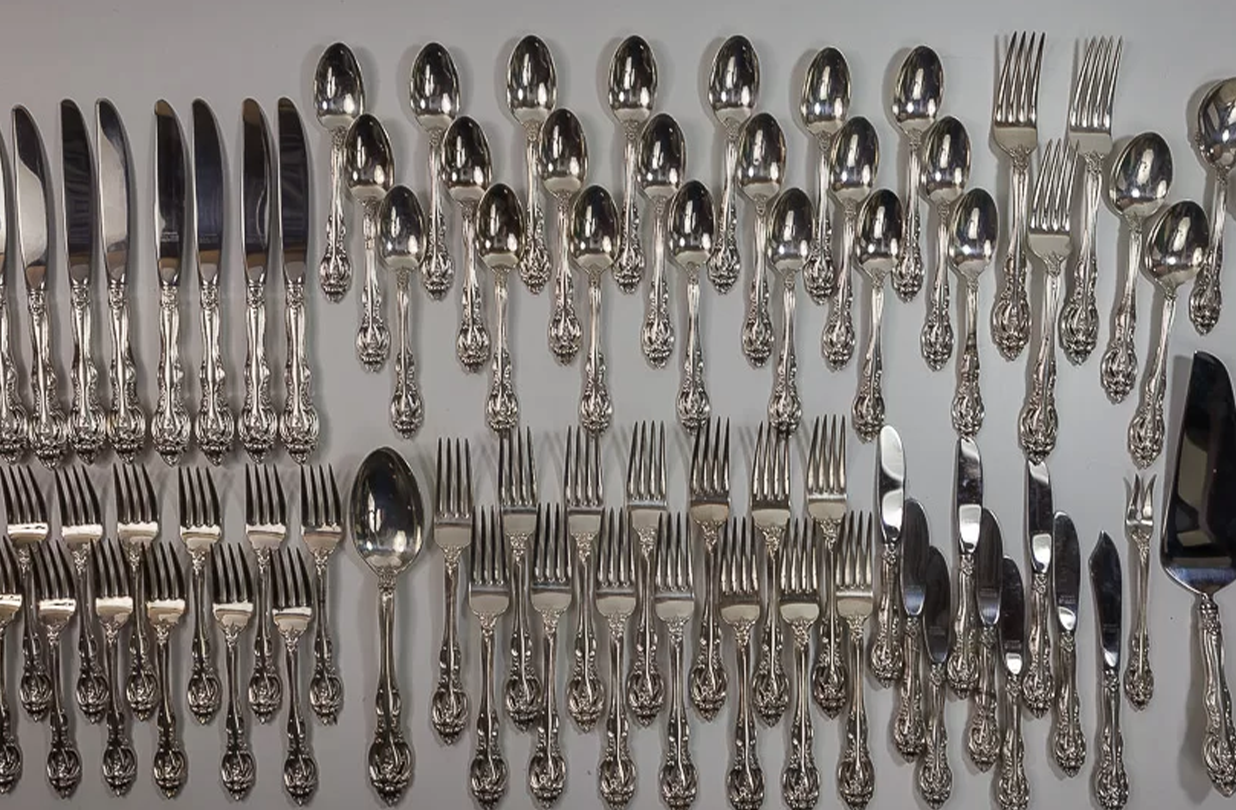
Silver flatware means forks, spoons, and knives made from silver. Real silver flatware is often called “sterling silver.” Sterling silver is 92.5% pure silver. The rest is usually other metals to make it strong.
Some flatware is not real silver. It might be silver-plated. That means it has a thin layer of silver on top of another metal. Silver-plated flatware looks like silver but is not as valuable.
Credit: www.sebastiancharles.com
Why Is It Important to Know?
Real silver flatware lasts a long time. It does not rust or break easily. Silver-plated flatware can wear out fast. The silver layer can come off with use and cleaning.
Also, real silver flatware is worth more money. If you want to sell or pass it down, knowing if it is real helps. Plus, real silver has a nice feel and shine.
How to Tell If Flatware Is Real Silver
Here are simple ways to check if your flatware is real silver.
1. Look For Markings
Most real silver flatware has marks on the back or handle. These marks tell you about the silver content.
- “925” or “Sterling”: Means 92.5% silver. This is real silver.
- “800”: Means 80% silver. Still real silver but less pure.
- “Silverplate” or “EPNS”: Means silver-plated, not real silver.
If you see no marks, it might not be real silver. But some old silver flatware has worn marks. So check other ways too.
2. Check The Color And Shine
Real silver has a shiny, white color. It is bright but soft-looking. Silver-plated flatware may look shiny too. But it can be too bright or have a yellow tone.
Silver also changes color over time. It can get dark or black in some places. This is called tarnish. Tarnish shows the flatware is real silver.
3. Use A Magnet
Silver is not magnetic. You can use a magnet to test your flatware.
- If the magnet sticks, it is not real silver.
- If the magnet does not stick, it might be silver or another metal.
Remember, some metals are not magnetic too. So this test is not perfect. But it helps to rule out fake silver.
4. Conduct A Sound Test
Silver makes a clear, ringing sound when tapped. You can try tapping your flatware gently on a hard surface.
- Real silver will make a high-pitched ring.
- Fake silver or silver-plated flatware will sound dull or flat.
This test is simple but needs practice. You can compare with a known silver piece if you have one.
5. Test For Tarnish
Tarnish is a black or dark layer on silver. It happens when silver meets air and moisture.
- Real silver tarnishes over time.
- Silver-plated flatware may not tarnish as evenly.
- Stainless steel or other metals usually do not tarnish like silver.
You can try wiping the flatware with a soft cloth. If black marks come off, it is likely real silver.
6. Use A Silver Testing Kit
You can buy a silver testing kit online or at a store. These kits have special chemicals to test silver.
- Scratch a small spot on the flatware.
- Apply the test solution.
- If the color changes as the instructions say, it is real silver.
These kits are easy to use and give quick results. But be careful not to damage your flatware.
7. Check The Weight
Silver is heavier than many other metals. Real silver flatware feels solid and heavy.
Fake or silver-plated flatware may feel lighter. But weight alone is not a sure test. Use it with other methods.
Comparing Real Silver and Silver-Plated Flatware
| Feature | Real Silver | Silver-Plated |
|---|---|---|
| Silver Content | At least 92.5% pure silver (Sterling) | Thin layer of silver over another metal |
| Markings | “925”, “Sterling”, or “800” | “Silverplate”, “EPNS” |
| Tarnish | Darkens over time with black spots | May not tarnish or wears off unevenly |
| Weight | Heavier and solid feel | Lighter than real silver |
| Magnet Test | Not magnetic | Usually not magnetic but depends on base metal |
| Sound Test | Clear, ringing sound when tapped | Dull sound |
Credit: www.tastingtable.com
Tips to Care for Real Silver Flatware
If you find your flatware is real silver, take good care of it. Here are some tips:
- Wash it by hand with mild soap and warm water.
- Dry it immediately to avoid water spots.
- Store it in a dry place.
- Use silver polish to remove tarnish.
- Do not put silver flatware in the dishwasher.
Proper care keeps your silver flatware shiny and beautiful for years.
Why Some Flatware Is Silver-Plated
Real silver is expensive. So, many flatware sets are silver-plated.
Silver-plated flatware looks good but costs less. It is often used for everyday meals.
But silver-plated flatware wears out faster. The silver layer can rub off with use.
If you want to invest in flatware that lasts, choose real silver.
Summary
To know if flatware is real silver, check for marks like “925” or “Sterling.” Look at color and shine. Use a magnet to see if it sticks. Try the sound test by tapping. Look for tarnish or black marks. Use a silver testing kit for a sure answer. Check the weight. Real silver is heavier.
Use these tips together to be sure. Real silver flatware shines bright and lasts long. Silver-plated flatware looks good but is less valuable.
Now, you know how to tell if your flatware is real silver. This helps you care for it better and make smart choices.
Frequently Asked Questions
How Can I Identify Real Silver Flatware?
Look for markings like “925,” “Sterling,” or “Coin” on the flatware. These mean real silver.
What Does The “925” Stamp On Flatware Mean?
“925” means the item is 92. 5% pure silver, the standard for sterling silver.
Can A Magnet Test Prove Flatware Is Silver?
Silver is not magnetic. If a magnet sticks, the flatware is not real silver.
Why Does Silver Flatware Tarnish Over Time?
Silver reacts with air and moisture, causing a dark layer called tarnish.

Sophia Martinez is a culinary lifestyle writer and product reviewer for DiningGadgets.com. Passionate about blending style with functionality, she explores the latest dining essentials, kitchen décor, and cleaning hacks that transform everyday cooking spaces. With a background in home organization and design, Sophia brings readers expert advice on creating beautiful, practical kitchens that truly feel like the heart of the home.