Who Makes Our Table Flatware: Discover Top Craftsmanship Secrets
Have you ever thought about who makes the forks, spoons, and knives you use every day? These tools are called flatware. They are in almost every kitchen and dining room. But do you know where they come from or who makes them?
In this article, we will talk about the people and companies that make our table flatware. We will learn about the materials, the process, and the history behind these everyday items.
What Is Flatware?
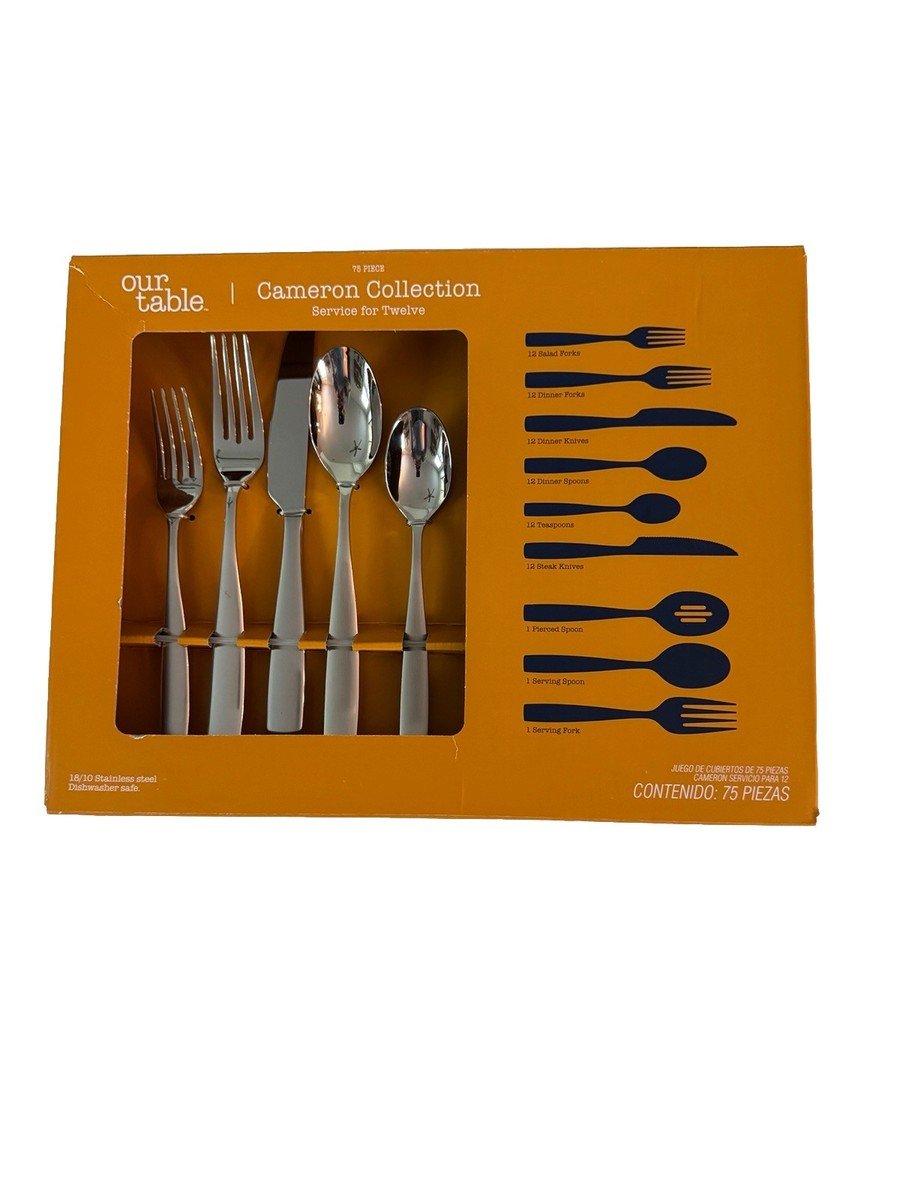
Flatware means the forks, spoons, and knives we use to eat. Sometimes people call it silverware, even if it is not made of silver. Flatware helps us eat food in a clean and easy way.
Flatware has many shapes and sizes. Some forks have three or four prongs. Some spoons are big, some small. Knives can be sharp or dull, depending on what they are for.

Credit: www.ebay.com
Materials Used for Flatware
Flatware can be made from many materials. The most common are:
- Stainless steel: Very strong and does not rust.
- Silver: Shiny and expensive, often used for special occasions.
- Plastic: Cheap and used for parties or picnics.
- Wood: Natural and sometimes used for special meals.
Most everyday flatware is made from stainless steel. It looks nice and lasts a long time.

Credit: www.ebay.com
Who Makes Flatware?
Many companies and workers make flatware. Some are small, and some are very big. They use machines and hands to create the pieces you see on your table.
Here are some types of people and groups involved:
- Designers: They create the shape and style of flatware.
- Manufacturers: They make the flatware in factories.
- Craftsmen: Skilled workers who sometimes make flatware by hand.
- Suppliers: They provide the raw materials like steel or silver.
Designers
Designers think about how flatware looks and feels. They want the flatware to be easy to hold and use. They also think about style. Flatware can be simple or fancy.
Designers draw pictures and make models. They test their designs before making many pieces.
Manufacturers
Manufacturers work in factories. They use machines to shape and polish flatware. Machines cut and form the metal into forks, spoons, and knives.
Many workers check the flatware to make sure it is good quality. They fix any mistakes before packing the flatware.
Craftsmen
Some flatware is made by hand. Skilled craftsmen work with tools to create special pieces. This work takes time and care.
Handmade flatware is often more expensive. It can have unique designs and details.
Suppliers
Suppliers bring the raw materials to manufacturers. They send metals like stainless steel or silver to the factories. Good materials help make strong and beautiful flatware.
How Is Flatware Made?
The making of flatware is a step-by-step process. Here is a simple look at how it happens:
| Step | Description |
|---|---|
| 1. Designing | Create a plan for the shape and look. |
| 2. Cutting | Cut metal sheets into flatware shapes. |
| 3. Forming | Bend and shape pieces using machines. |
| 4. Polishing | Make flatware shiny and smooth. |
| 5. Quality Check | Inspect pieces to find errors. |
| 6. Packing | Package flatware for sale or shipping. |
Each step is important. Without good design, the flatware may not be easy to use. Without quality checks, damaged pieces may reach customers.
Where Is Flatware Made?
Flatware is made in many countries. Some famous places include:
- United States: Many factories produce flatware here.
- China: Large factories make a lot of flatware.
- Italy: Known for stylish and high-quality flatware.
- Germany: Famous for strong and well-made flatware.
Each country has its own style and methods. The choice depends on quality and price.
How to Choose Good Flatware
When buying flatware, think about these points:
- Material: Stainless steel is best for daily use.
- Weight: Flatware should feel good in your hand.
- Design: Pick a style you like and that fits your meals.
- Durability: Flatware should last many years.
Good flatware makes eating more enjoyable. It also looks nice on your table.
The History of Flatware
Flatware has been around for a long time. People used simple tools many years ago. Forks were not common until the last few centuries.
Long ago, people used their hands or knives to eat. Spoons were one of the first tools made. Later, forks became popular in Europe.
Over time, flatware became more common and more beautiful. Today, many styles and materials exist.
Why Flatware Matters
Flatware helps us eat cleanly and easily. It keeps food off our hands. It also helps us eat safely, especially with hot food.
Flatware is part of our daily life. It is used in homes, restaurants, and schools. Good flatware makes meals better.
Frequently Asked Questions
Who Designs The Flatware We Use Daily?
Skilled designers create flatware with style, comfort, and function in mind.
Where Is Our Flatware Usually Made?
Flatware is often made in specialized factories worldwide, including the USA, Italy, and China.
What Materials Are Used To Make Flatware?
Stainless steel, silver, and sometimes plastic or bamboo are common materials.
How Do Manufacturers Ensure Flatware Quality?
They use strict testing and quality control processes to keep standards high.
Conclusion
Many people work together to make flatware. Designers, manufacturers, craftsmen, and suppliers all play a role. They use good materials and careful steps to create flatware.
Flatware comes from many countries, each with its own style. Choosing good flatware is important for daily meals.
Next time you use a fork or spoon, remember the effort behind it. It is not just a tool. It is a product of skill, design, and work.

Sophia Martinez is a culinary lifestyle writer and product reviewer for DiningGadgets.com. Passionate about blending style with functionality, she explores the latest dining essentials, kitchen décor, and cleaning hacks that transform everyday cooking spaces. With a background in home organization and design, Sophia brings readers expert advice on creating beautiful, practical kitchens that truly feel like the heart of the home.