How to Clean Glassware in Lab: Ultimate Guide for Spotless Results
Cleaning glassware in the lab is very important. Clean glassware gives good results. Dirty glassware can cause wrong results. It can also be unsafe. So, every lab worker must know how to clean glassware well.

Credit: www.labmate-online.com
Why Clean Glassware Properly?
Glassware can hold chemicals and dirt. If we do not clean it properly, some chemicals stay inside. These chemicals can mix with new ones. This can change the experiment results. Also, dirty glassware can break easily. It is better to keep glassware clean for safety and good work.
Types of Glassware in Lab
There are many types of glassware. Here are some common types:
- Beakers
- Flasks
- Test tubes
- Pipettes
- Glass rods
- Petri dishes
Each type needs special care when cleaning.
Basic Steps to Clean Lab Glassware
Follow these steps to clean glassware:
- Wear gloves and safety glasses.
- Rinse the glassware with water immediately after use.
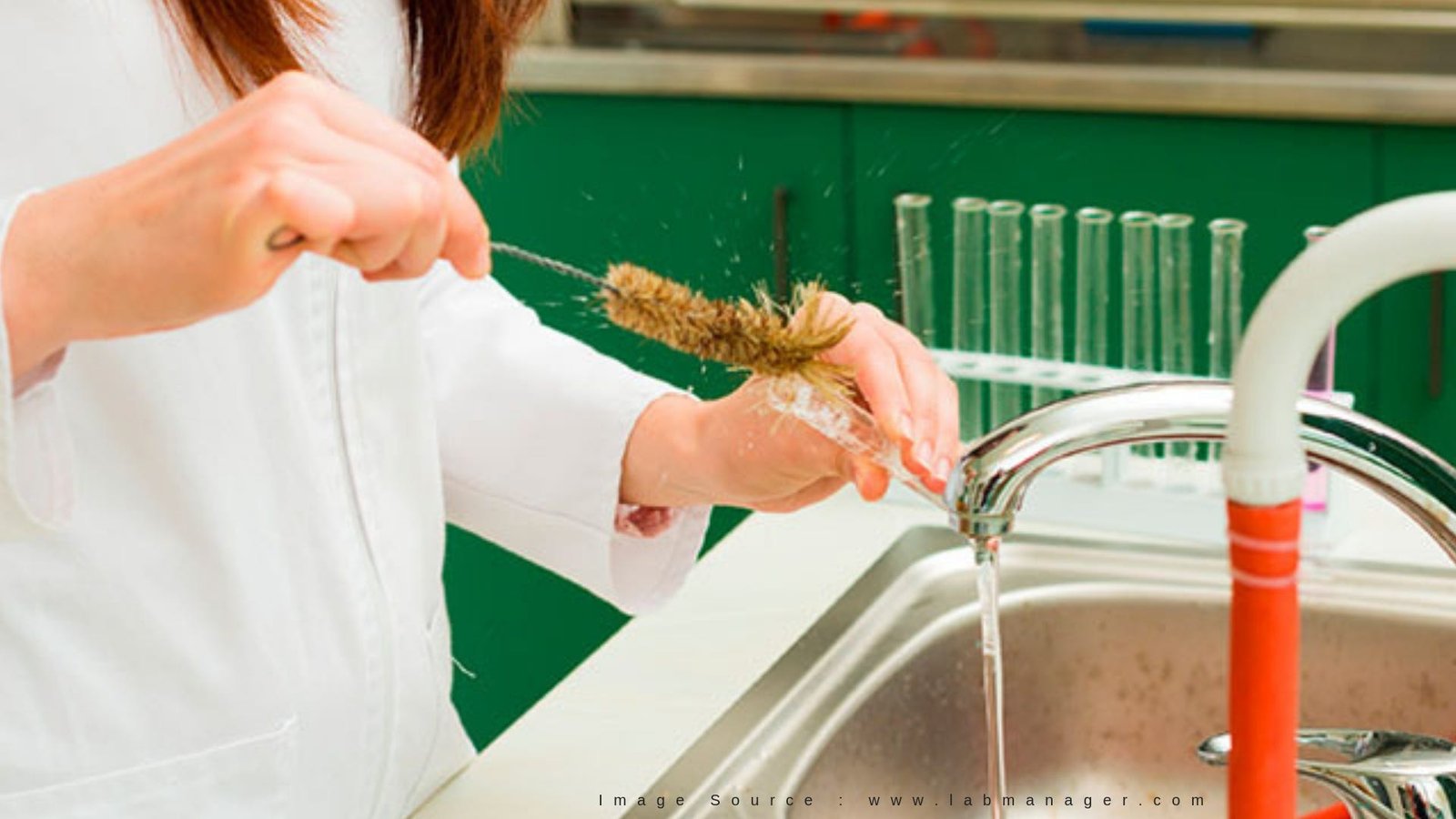
- Use soap and a brush to scrub the inside and outside.
- Rinse several times with tap water.
- Rinse with distilled water to remove soap and minerals.
- Let the glassware dry or dry it with a clean cloth.
Cleaning right after use is easier. Dirt does not stick well then.
Step 1: Safety First
Always wear gloves and goggles. Chemicals can harm your skin or eyes. Some dirt may be dangerous. Protect yourself before cleaning.
Step 2: Rinse Right Away
After using glassware, rinse it with water. This stops chemicals from drying inside. If chemicals dry, they are hard to remove. Use cold water for rinsing first.
Step 3: Use Soap and Brush
Put some lab soap or detergent inside the glassware. Use a soft brush to clean. Brushes come in many sizes. Choose a brush that fits inside the glassware. Scrub all parts well. Do not forget the outside.
Step 4: Rinse with Tap Water
After scrubbing, rinse with tap water. Rinse many times to remove soap. Soap left inside can affect experiments.
Step 5: Rinse with Distilled Water
Tap water has minerals. These can leave marks or react with chemicals. So, rinse once or twice with distilled water. Distilled water is clean and pure.

Credit: www.labmate-online.com
Step 6: Drying Glassware
Let glassware dry by air. Place them upside down on a clean rack. Or use a clean cloth to dry. Make sure cloth is lint-free. Avoid using towels that leave fibers.
Special Cleaning Methods
Sometimes, basic cleaning is not enough. Some chemicals leave strong stains. Here are special methods to clean tough dirt:
1. Acid Cleaning
Use dilute acid, like hydrochloric acid. It removes metal and mineral stains. Be very careful. Always wear gloves and goggles. Use acid in a fume hood or well-ventilated area. Rinse glassware well after acid cleaning.
2. Alkaline Cleaning
Use alkaline solutions to remove grease and oils. Solutions like sodium hydroxide work well. Handle with care. Rinse thoroughly after cleaning.
3. Chromic Acid Cleaning
Chromic acid is strong and cleans very well. But it is toxic and harmful. Use only if lab rules allow. Follow strict safety steps. Rinse glassware many times after use.
4. Organic Solvents
Sometimes, organic solvents like ethanol or acetone remove grease and oils. Use in a well-ventilated area. Avoid open flames.
Cleaning Different Glassware Types
Some glassware needs special attention:
| Glassware | Cleaning Tips |
|---|---|
| Beakers and Flasks | Use brushes to scrub inside. Rinse thoroughly. Dry upside down. |
| Test Tubes | Use small brushes. Rinse well. Dry in test tube rack. |
| Pipettes | Flush with water and solvents. Avoid brushes inside pipettes. |
| Glass Rods | Wipe with cloth or brush. Rinse and dry carefully. |
| Petri Dishes | Wash gently with soap. Avoid scratches. Dry flat. |
Tips to Keep Glassware Clean Longer
- Clean glassware immediately after use.
- Store glassware in a clean, dry place.
- Use dust covers for open glassware.
- Avoid touching glassware with dirty hands.
- Check glassware for cracks or damage before use.
Common Mistakes to Avoid
- Leaving glassware dirty for a long time.
- Using hard brushes that scratch glass.
- Not rinsing soap or chemicals well.
- Using dirty cloths to dry glassware.
- Ignoring safety rules when using strong cleaners.
Summary
Cleaning glassware is simple but important. Follow safety steps every time. Rinse glassware right after use. Use soap and brushes to clean. Rinse with tap and distilled water. Dry glassware well before storing. Use special cleaners when needed. Handle all chemicals with care. Keep glassware safe and clean for better experiments.
Frequently Asked Questions
How Do I Remove Stains From Lab Glassware Effectively?
Use warm water and mild detergent with a soft brush to scrub stains gently.
What Is The Best Way To Dry Lab Glassware?
Air drying on a clean rack is best to avoid contamination.
Can I Use Bleach To Clean Glassware In The Lab?
Yes, dilute bleach can disinfect glassware but rinse thoroughly afterward.
How Often Should Lab Glassware Be Cleaned?
Clean glassware immediately after use to prevent residue buildup.

Sophia Martinez is a culinary lifestyle writer and product reviewer for DiningGadgets.com. Passionate about blending style with functionality, she explores the latest dining essentials, kitchen décor, and cleaning hacks that transform everyday cooking spaces. With a background in home organization and design, Sophia brings readers expert advice on creating beautiful, practical kitchens that truly feel like the heart of the home.