What is Glassware in Chemistry: Essential Tools Explained Clearly
When you think about a chemistry lab, what comes to mind? Maybe colorful liquids, bubbling mixtures, and scientists working with many tools. One very important tool in chemistry is glassware. But what is glassware in chemistry? Why do chemists use it? This article will explain all you need to know about glassware in simple words.
Definition of Glassware in Chemistry
Glassware means all the tools made from glass that chemists use in their labs. These tools help measure, mix, heat, and store chemicals safely. Glass is a special material that is very useful in chemistry.
Why Use Glassware in Chemistry?
Glass is clear. You can see through it. This helps chemists watch what happens inside the container. Also, glass does not react with most chemicals. This means it is safe to use with many liquids and solids.
Glassware can handle heat well. Chemists often heat liquids during experiments. Glass does not melt or change shape easily when heated.
These reasons make glassware very useful in chemistry labs.
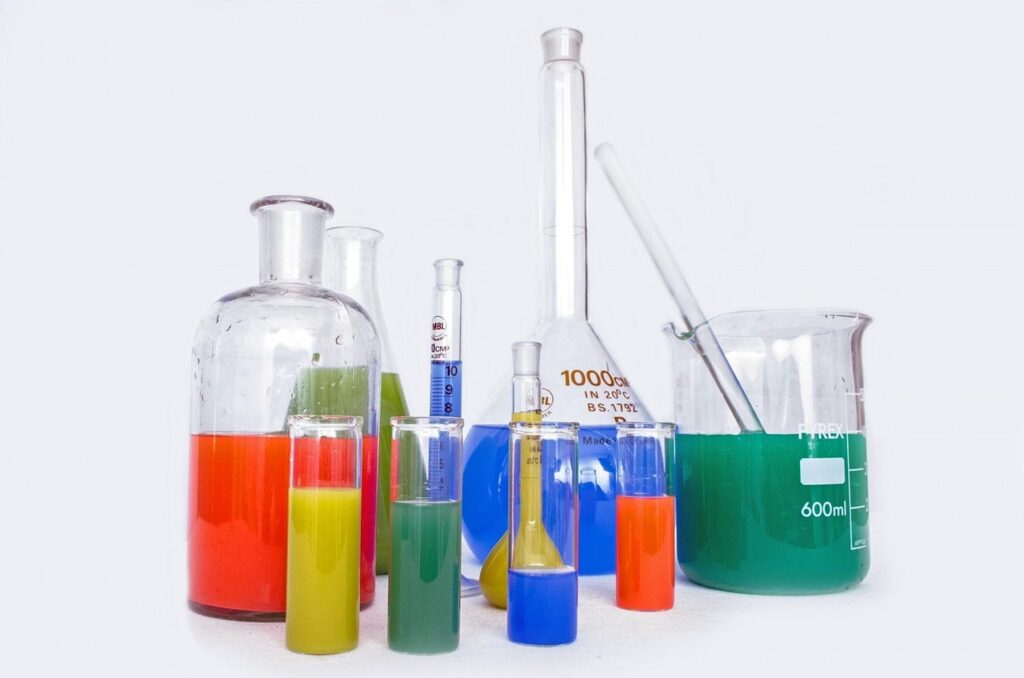
Credit: contractlaboratory.com

Credit: www.amazon.ca
Common Types of Glassware in Chemistry
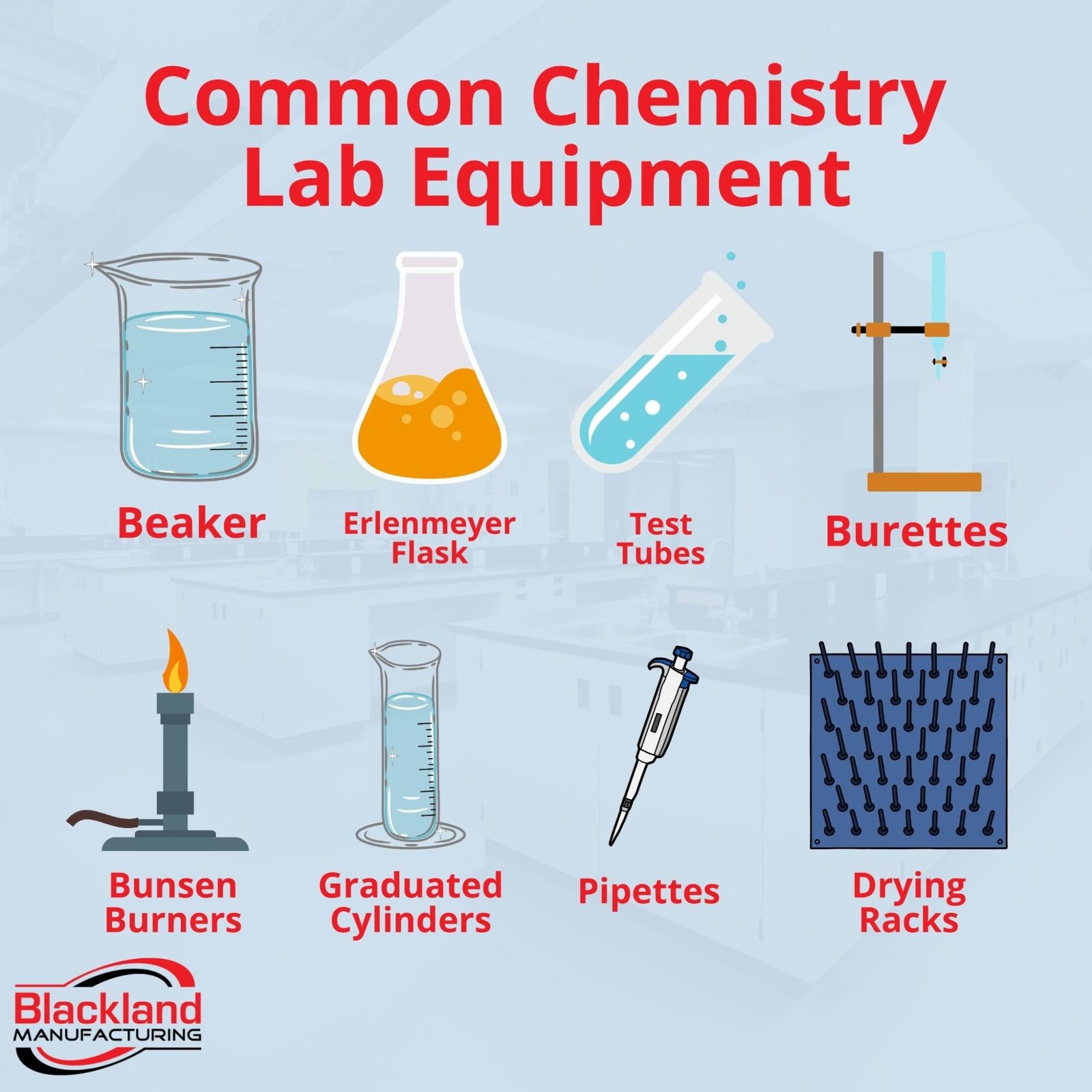
There are many types of glassware. Each has a special job. Below are some common ones:
| Glassware Name | Purpose | Description |
|---|---|---|
| Beaker | Mixing and holding liquids | Wide mouth, straight sides, easy to pour |
| Flask | Mixing and heating liquids | Narrow neck, round body, reduces spills |
| Test Tube | Holding small amounts of liquids | Small, thin glass tubes, easy to heat |
| Burette | Measuring exact amounts of liquid | Long tube with a valve to control flow |
| Pipette | Transferring small liquid amounts | Thin tube to suck and release liquid |
| Graduated Cylinder | Measuring liquid volume | Tall, narrow, with volume marks |
| Watch Glass | Holding small samples or covering beakers | Flat, round glass piece |
Materials Used for Chemistry Glassware
Not all glass is the same. Chemistry glassware uses special glass types. These include borosilicate glass and soda-lime glass.
Borosilicate glass is strong and can handle heat well. It also does not react with most chemicals. This glass is common in labs.
Soda-lime glass is cheaper but less strong. It is used for simple tools or containers.
How to Use Glassware in Chemistry
Using glassware safely is very important. Here are some basic tips:
- Always check for cracks before use. Broken glass can be dangerous.
- Handle glassware with care. Do not drop or hit it.
- Use tongs or gloves when glassware is hot.
- Clean glassware well after use. Dirty glassware can cause wrong results.
- Store glassware safely to avoid breakage.
Cleaning Glassware
Cleaning is very important in a chemistry lab. Dirt or chemicals left in glassware can ruin experiments.
Here is how you clean glassware:
- Rinse with water to remove loose dirt.
- Use soap and brush for tough stains.
- Rinse again with clean water.
- Sometimes, use special cleaning solutions.
- Dry the glassware before use or storage.
Advantages of Glassware in Chemistry
Glassware has many benefits:
- Transparency: Easy to see liquids and reactions.
- Heat resistance: Can be heated without breaking.
- Chemical resistance: Does not react with most chemicals.
- Reusable: Can be cleaned and used many times.
- Variety: Different shapes for many uses.
Disadvantages of Glassware
Glassware also has some limits:
- Fragile: Can break easily if dropped.
- Heavy: Some glassware is heavy to carry.
- Expensive: Special glass types can cost more.
Alternatives to Glassware
Sometimes, plastic tools replace glassware. Plastic is lighter and less breakable. But plastic can melt or react with chemicals. So, glassware is still preferred for many tasks.
How Glassware Helps in Learning Chemistry
For students, glassware is very important. It helps them see and do experiments. Students learn how to measure, mix, and observe chemicals.
Using glassware teaches safety and careful work. It builds skills for future science jobs.
Frequently Asked Questions
What Is Glassware Used For In Chemistry Labs?
Glassware holds, mixes, heats, and measures chemicals safely in experiments.
Why Is Glass Preferred For Chemistry Equipment?
Glass resists heat, chemicals, and does not react easily with substances.
What Are Common Types Of Chemistry Glassware?
Beakers, flasks, test tubes, pipettes, and burettes are common glassware.
How Do You Clean Chemistry Glassware Properly?
Use warm water, detergent, and brushes; rinse well to avoid contamination.
Conclusion
Glassware in chemistry means all glass tools used in labs. These tools help measure, mix, heat, and store chemicals. Glass is clear, strong, and safe to use.
Many types of glassware exist, each with a special job. Beakers, flasks, test tubes, and pipettes are common examples. Cleaning and handling glassware carefully is very important.
Despite some disadvantages, glassware remains key in chemistry. It helps scientists and students explore the world of chemicals safely and clearly.
Next time you see a chemistry lab, look for the glassware. Now you know why it is so important!

Sophia Martinez is a culinary lifestyle writer and product reviewer for DiningGadgets.com. Passionate about blending style with functionality, she explores the latest dining essentials, kitchen décor, and cleaning hacks that transform everyday cooking spaces. With a background in home organization and design, Sophia brings readers expert advice on creating beautiful, practical kitchens that truly feel like the heart of the home.