When Did They Stop Putting Lead in Glassware: Essential Facts Revealed
Glassware is something many people use every day. We drink from glasses, use bowls, and display beautiful glass items in our homes. Long ago, glassmakers added lead to glass to make it shine and sparkle. But lead is harmful. So, when did they stop putting lead in glassware? This article will answer that question.
What Is Leaded Glass?
First, it helps to know what leaded glass is. Leaded glass means glass that has lead added to it. This type of glass is also called crystal glass. The lead makes the glass heavy and shiny. It also makes the glass easier to cut and shape.
Leaded glass was popular for making things like wine glasses, vases, and chandeliers. People liked how bright and clear it looked. But lead is a metal that can be dangerous to health.
Why Was Lead Used in Glassware?
Lead was added to glass for many reasons. Here are some:
- Shine and sparkle: Lead glass shines more than normal glass.
- Weight: Lead makes the glass heavier and feels better in hand.
- Easy to cut: Lead glass is softer and easier to shape and decorate.
- Sound: When tapped, leaded glass makes a clear ringing sound.
Because of these reasons, many glassmakers used lead for centuries. But, there was a problem.
Why Did People Stop Using Lead in Glassware?
Lead is harmful to the human body. It can cause serious health problems. When lead gets inside the body, it can hurt the brain, kidneys, and other parts. This is especially dangerous for children.
Over time, scientists found that lead in glassware could slowly leak into drinks. This happens when acidic drinks, like wine or juice, touch the glass. Drinking from leaded glass often could cause lead to enter the body.
Because of this, many countries started to warn people about using leaded glass for food and drinks. They also began to make laws to stop using lead in glassware.
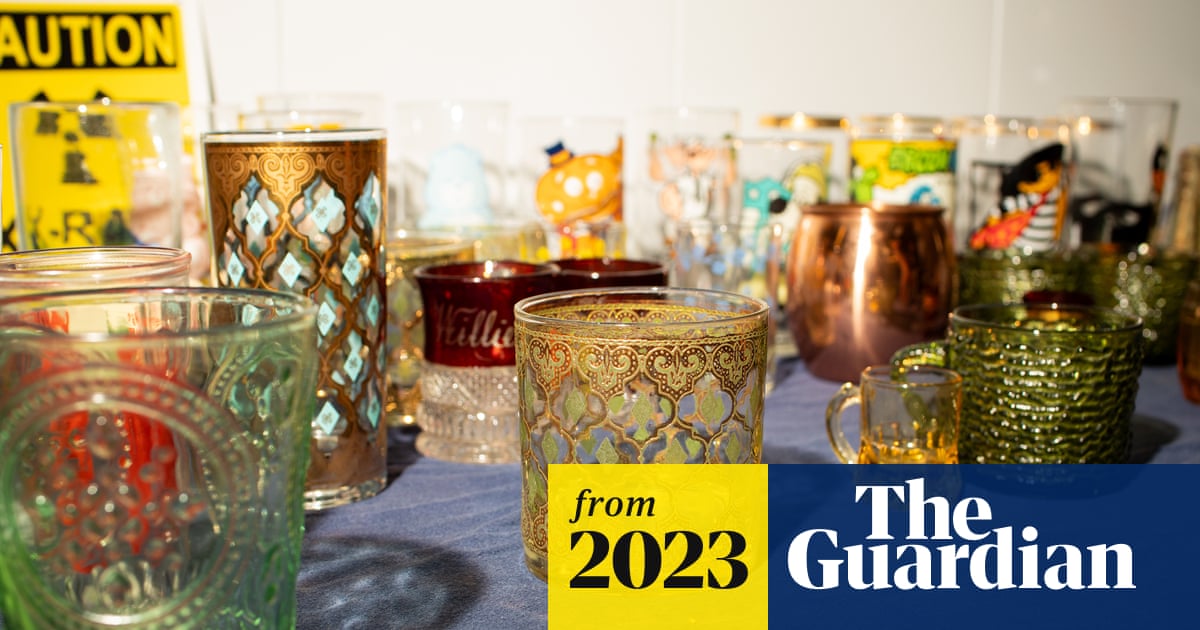
Credit: www.theguardian.com
When Did They Stop Putting Lead in Glassware?
The answer is not the same everywhere. Different countries stopped leaded glass at different times. Here is a simple timeline:
| Year | Place | Action Taken |
|---|---|---|
| 1970s | United States | Started warnings about lead in glassware |
| 1980s-1990s | Europe | Banned lead in food and drink glassware |
| 2000s | Many countries worldwide | Stopped using lead in glassware for food and drinks |
In the U.S., the Food and Drug Administration (FDA) began warning about lead in glassware in the 1970s. Many glass companies started to reduce the use of lead. By the 1980s and 1990s, Europe made stronger rules. They banned lead in glassware used for food and drinks.
Today, most countries do not allow lead in glassware that holds food or drinks. The glass used now is called “lead-free crystal” or just regular glass.
What Is Used Instead of Lead Now?
Glassmakers still want their glass to shine and be nice. But they do not want to use lead. So, what do they use instead? They use other materials that are safer but still work well.
- Barium oxide: Adds weight and shine.
- Potassium oxide: Makes the glass clear and strong.
- Zinc oxide: Helps with brightness.
These materials help glass look bright and beautiful without the dangers of lead. The glass can still be cut and shaped easily. So, we get safe and nice glassware.
How to Tell If Glassware Has Lead?
You might wonder if the glassware in your home has lead. Here are some simple ways to check:
- Look at the label: New glassware often says “lead-free” if it does not have lead.
- Check the weight: Lead glass feels heavier than regular glass.
- Look at the sound: Tap the glass gently. Lead glass rings clear and long.
- Use a lead test kit: You can buy kits to test for lead at home.
If you are not sure, avoid using old glassware for drinks or food. Use it only for decoration.

Credit: www.reddit.com
Is It Safe to Use Old Leaded Glassware?
Old leaded glassware can be risky. Lead can slowly leak into drinks, especially acidic ones. If you use old glassware for water or soda sometimes, the risk is low. But for wine, juice, or other acidic drinks, it is better not to use them.
If you have old glassware, do not store liquids in it for a long time. Also, do not use it for children or pregnant women.
Summary
Lead was added to glassware to make it shine and feel heavy. But lead is harmful to health. Over time, countries stopped using lead in glassware. The U.S. started warnings in the 1970s. Europe banned lead in glassware in the 1980s and 1990s. Today, most glassware is lead-free.
New glass uses safer materials like barium and zinc. Old leaded glassware can still be beautiful but may not be safe for drinks. Always check your glassware before use.
Final Thoughts
Glass is part of our daily life. Knowing about lead in glassware helps us stay safe. If you want shiny, beautiful glassware, choose lead-free options. They look great and keep your family healthy.
Frequently Asked Questions
When Did Manufacturers Stop Using Lead In Glassware?
Lead was mostly removed from glassware by the late 1980s due to health concerns.
Why Was Lead Used In Glassware Originally?
Lead made glassware brighter, heavier, and easier to shape.
Is Leaded Glassware Still Sold Today?
Some decorative leaded glassware is sold but is usually labeled and less common.
How Can I Tell If Glassware Contains Lead?
Look for “crystal” labels or test kits designed to detect lead.

Ethan Cole is a kitchen innovation enthusiast and food technology writer at DiningGadgets.com. With over 8 years of experience reviewing cookware, smart kitchen tools, and design trends, he helps readers discover gadgets that make cooking easier and dining more enjoyable. When he’s not testing the latest kitchen appliances, Ethan enjoys experimenting with recipes and sharing practical tips for modern homes.