How to Remove Calcium Deposits from Glassware: Easy & Effective Tips
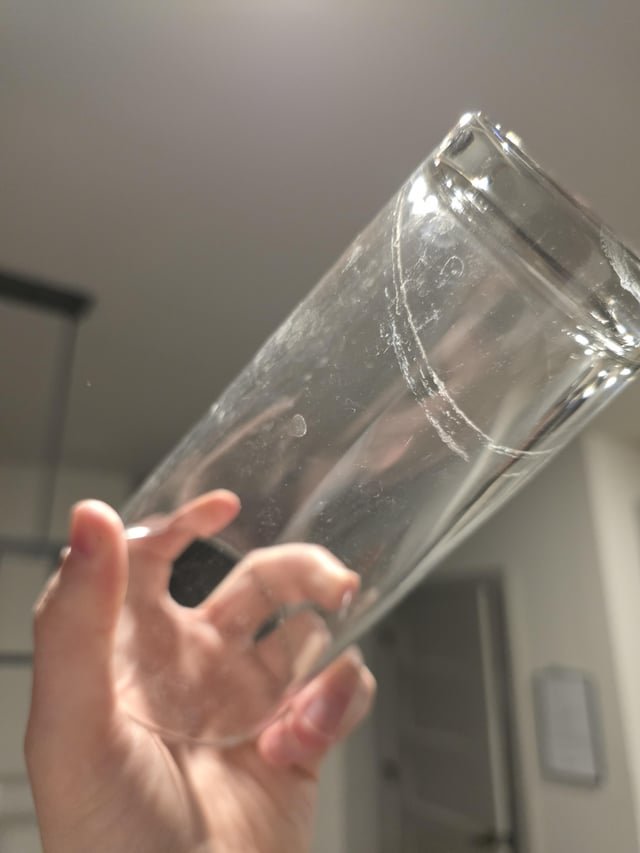
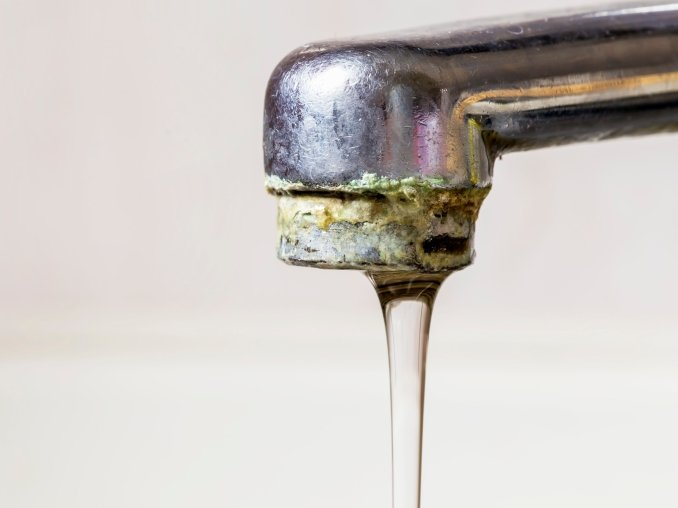
Calcium deposits on glassware look like white spots or a cloudy film. These spots appear when water with minerals dries on glass. This water is called hard water. It leaves behind calcium and other minerals. These minerals stick to the glass and make it look dirty.
Cleaning these spots can be hard. Regular washing may not remove them. But do not worry. There are simple ways to get your glassware shiny and clear again.
What Are Calcium Deposits?
Calcium deposits happen when water with minerals dries on glass. Hard water has lots of minerals like calcium and magnesium. When water evaporates, minerals stay. Over time, they form white, chalky spots. These spots are also called lime scale or mineral deposits.
These spots can make your glasses look old and dirty. They also make glasses feel rough. Removing them helps your glassware look new again.

Credit: www.wikihow.com

Credit: zep.com
Why Do Calcium Deposits Form on Glass?
- Hard Water: This water has many minerals.
- Evaporation: When water dries, minerals stay behind.
- Frequent Use: Using glasses often with hard water causes build-up.
- Dishwasher: Sometimes dishwasher water leaves mineral spots.
Signs of Calcium Deposits on Glassware
Look for these signs:
- White or cloudy spots on glass surface.
- Glass feels rough or chalky.
- Water does not bead, but spreads flat.
- Spots do not wash off easily with soap.
How to Remove Calcium Deposits: Easy Home Remedies
Here are simple ways to clean calcium deposits using things you find at home. These methods are safe and cost little.
1. Vinegar Soak
Vinegar is a natural acid. It breaks down calcium deposits well.
Steps:
- Fill a bowl with white vinegar.
- Put the glassware in the vinegar.
- Let it soak for 30 minutes to 1 hour.
- Take out the glasses and scrub gently with a soft cloth.
- Rinse well with clean water.
- Dry with a soft towel.
Repeat if spots remain. Vinegar works best on light to medium deposits.
2. Lemon Juice Method
Lemon juice is also acidic. It helps remove mineral spots and leaves a fresh smell.
Steps:
- Cut a lemon in half.
- Rub the lemon on the glass with spots.
- Let the juice sit for 10-15 minutes.
- Rinse with warm water.
- Dry the glass with a soft cloth.
This method is good for small spots or light stains.
3. Baking Soda Paste
Baking soda is gentle and helps scrub off deposits without scratching glass.
Steps:
- Mix baking soda with a little water to make a thick paste.
- Apply the paste to the spots on glassware.
- Use a soft cloth or sponge to rub gently.
- Rinse with warm water.
- Dry with a soft towel.
This works well for stubborn spots after vinegar or lemon treatment.
4. Using Dish Soap And Warm Water
Sometimes, warm water and soap can help remove light calcium deposits.
Steps:
- Fill a sink with warm water.
- Add a few drops of dish soap.
- Soak glassware for 15 minutes.
- Use a soft sponge to clean the glass.
- Rinse with clean water and dry.
This method is good for regular cleaning but may not remove heavy deposits.
How to Prevent Calcium Deposits on Glassware
Prevention is better than cleaning. Follow these tips to keep your glassware clear.
- Use Soft Water: If possible, use filtered or soft water for washing glassware.
- Dry Glasses Quickly: Do not leave wet glasses to dry on their own.
- Use Vinegar in Dishwasher: Add vinegar once a month to remove mineral build-up.
- Rinse Glasses: Rinse glasses with clean water after washing.
- Regular Cleaning: Clean glasses often to stop deposits forming.
What Not to Do When Cleaning Calcium Deposits
- Do not use abrasive scrubbers: They can scratch glass.
- Avoid harsh chemicals: These can damage glass or be unsafe.
- Do not use hot water with vinegar: It can cause strong smell.
- Do not leave vinegar on glass too long: It may etch the glass.
Summary Table of Cleaning Methods
| Method | Materials Needed | Time Needed | Best For |
|---|---|---|---|
| Vinegar Soak | White vinegar, bowl, soft cloth | 30-60 minutes | Medium deposits |
| Lemon Juice | Lemon, soft cloth | 15 minutes | Light spots |
| Baking Soda Paste | Baking soda, water, soft cloth | 10-15 minutes | Stubborn spots |
| Soap and Warm Water | Dish soap, warm water, sponge | 15 minutes | Light cleaning |
Final Thoughts
Calcium deposits on glassware can make your glasses look dull. But you can clean them easily. Using vinegar, lemon, or baking soda helps a lot. These natural products are safe and easy to use. Remember to dry glasses well after washing. This stops new spots from forming.
Try these simple methods at home. Your glassware will look clear and bright again. Clean glasses make drinks taste better and look nicer. Keep your glassware free from calcium deposits to enjoy every sip.
Frequently Asked Questions
How Do Calcium Deposits Form On Glassware?
Calcium deposits form from hard water minerals sticking to glass surfaces over time.
What Household Items Remove Calcium Deposits Effectively?
Vinegar, lemon juice, and baking soda work well to clean calcium deposits.
Can Vinegar Damage Glassware While Removing Deposits?
No, vinegar is safe and dissolves calcium without harming glass surfaces.
How Long Should Vinegar Sit On Glassware?
Let vinegar sit for 10 to 15 minutes to dissolve calcium deposits.

Ethan Cole is a kitchen innovation enthusiast and food technology writer at DiningGadgets.com. With over 8 years of experience reviewing cookware, smart kitchen tools, and design trends, he helps readers discover gadgets that make cooking easier and dining more enjoyable. When he’s not testing the latest kitchen appliances, Ethan enjoys experimenting with recipes and sharing practical tips for modern homes.