How to Polish Silver Flatware: Expert Tips for a Brilliant Shine
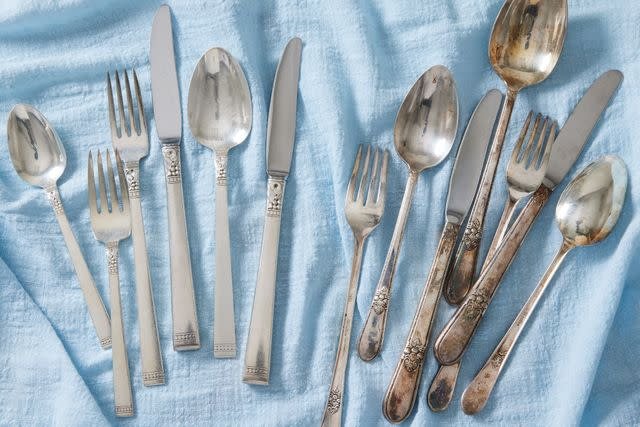
Silver flatware looks beautiful when it shines. But over time, silver can get dull or dark. This happens because of a natural process called tarnish. Tarnish makes silver look old and dirty.
Polishing silver flatware helps bring back its shine. It makes your forks, spoons, and knives look new again. In this article, you will learn simple and easy ways to polish silver flatware at home.
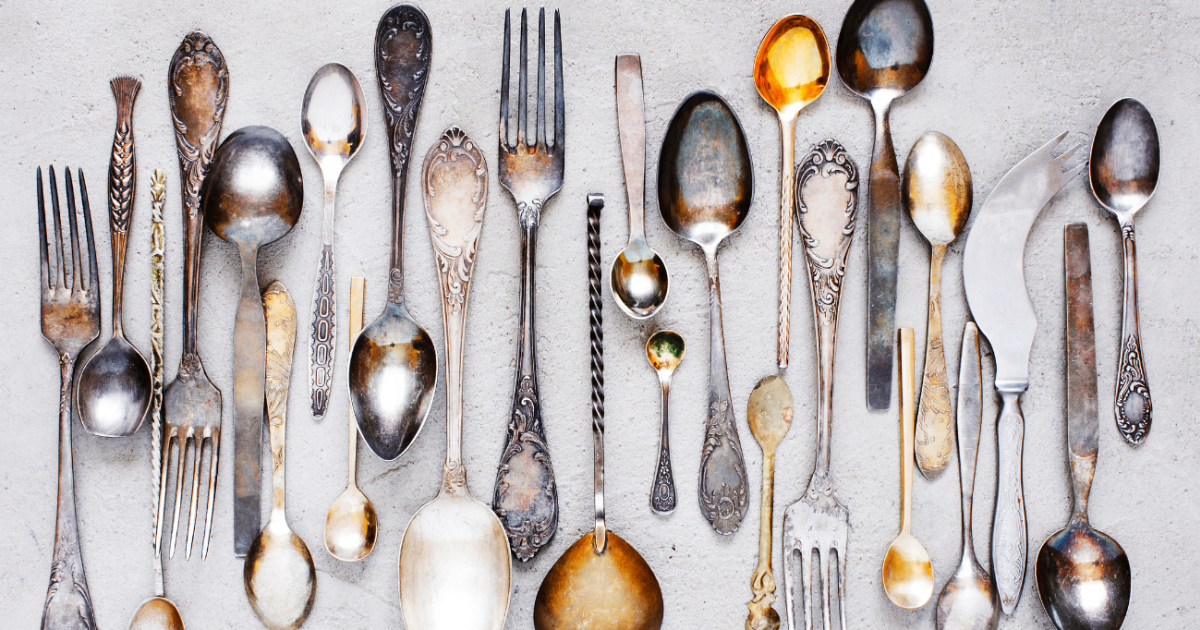
Credit: dengarden.com
Why Does Silver Tarnish?
Silver tarnishes when it touches air and moisture. It reacts with sulfur in the air. This reaction forms a dark layer on the silver. The layer is called tarnish.
Tarnish is not harmful. It just changes the color of silver. You can remove tarnish by polishing the silver carefully.
What You Need to Polish Silver Flatware
Before you start, gather these items:
- Soft cloth or microfiber cloth
- Silver polish cream or liquid
- Warm water
- Mild dish soap
- Soft toothbrush (optional)
- Baking soda and aluminum foil (for home remedy)
- Plastic or glass bowl
- Clean towel
Having these items ready will make polishing easy and safe for your silver flatware.
Step-by-Step Guide to Polish Silver Flatware
Step 1: Wash The Flatware
Start by washing your silver flatware. Use warm water and mild dish soap. This removes dirt and oils from the surface.
Rinse well with clean water. Dry with a soft towel. Never polish dirty silver. Dirt can scratch the surface.
Step 2: Choose Your Polishing Method
You can use two main ways to polish silver:
- Using silver polish cream or liquid
- Using a homemade baking soda and aluminum foil bath
Step 3: Polishing With Silver Polish
If you have silver polish cream or liquid, follow these steps:
- Put a small amount of polish on a soft cloth.
- Rub the polish gently on the silver flatware in small circles.
- Cover all parts, especially the dark or dull areas.
- Use a soft toothbrush to reach small details if needed.
- Let the polish sit for a few minutes, as the instructions say.
- Wipe off the polish with a clean soft cloth.
- Buff the flatware until it shines.
Step 4: Polishing With Baking Soda And Aluminum Foil
This is a natural and cheap way to clean silver. You need baking soda, aluminum foil, and hot water.
- Line a bowl with aluminum foil, shiny side up.
- Place the silver flatware on the foil in the bowl.
- Sprinkle baking soda over the flatware.
- Pour hot water into the bowl until flatware is covered.
- Wait 5 to 10 minutes.
- Watch the tarnish disappear from the silver.
- Remove the flatware and rinse with clean water.
- Dry with a soft towel.
This method works because baking soda and aluminum foil make a chemical reaction. It pulls tarnish away from the silver.
Tips for Polishing Silver Flatware
- Always use a soft cloth to avoid scratches.
- Do not use abrasive cleaners or rough sponges.
- Work in small sections for even polishing.
- Polish flatware after washing and drying.
- Store silver flatware in a dry place to avoid tarnish.
- Use anti-tarnish strips or cloths in storage for extra protection.
- Polish silver flatware regularly to keep it shiny.
How to Care for Silver Flatware After Polishing
After polishing, take care of your silver flatware to keep it bright:
- Dry flatware completely before storing.
- Wrap flatware in soft cloth or anti-tarnish paper.
- Keep silver away from moisture and air as much as possible.
- Wash silver flatware by hand instead of dishwasher.
- Avoid using strong chemicals near silver.
Good care helps keep your silver flatware beautiful for many years.
Common Mistakes to Avoid When Polishing Silver Flatware
Some mistakes can harm your silver. Watch out for these:
- Using toothpaste or baking soda paste too often. It can scratch silver.
- Leaving polish on silver for too long. It may damage the surface.
- Using metal brushes or rough cloths. They cause scratches.
- Putting silver flatware in the dishwasher. Heat and detergent harm silver.
- Polishing too hard or fast. Be gentle to avoid damage.

Credit: www.amazon.com
How to Tell If Your Silver Flatware Is Real Silver
Before polishing, make sure your flatware is real silver. Here are some tips:
- Look for a stamp like “925” or “Sterling” on the flatware.
- Real silver is heavier than stainless steel or silver-plated items.
- Silver has a bright white shine, not yellow or gray.
- If unsure, ask a jeweler or use a silver testing kit.
Why You Should Polish Silver Flatware Regularly
Polishing silver flatware often has many benefits:
- Removes tarnish and dirt.
- Keeps the silver shiny and bright.
- Prevents damage from heavy tarnish build-up.
- Makes your table look clean and elegant.
- Helps your flatware last longer.
Summary Table: Polishing Methods for Silver Flatware
| Method | Materials Needed | Time Needed | Best For | Notes |
|---|---|---|---|---|
| Silver Polish Cream or Liquid | Polish, soft cloth, optional toothbrush | 10-15 minutes | Light to heavy tarnish | Easy to use, gentle on silver |
| Baking Soda and Aluminum Foil | Baking soda, aluminum foil, hot water, bowl | 5-10 minutes | Light tarnish, natural cleaning | Cheap, eco-friendly, needs hot water |
Final Words
Polishing silver flatware is easy and rewarding. You only need a few simple tools. Regular care keeps your flatware shining for years. Try the methods above and enjoy your beautiful silverware.
Frequently Asked Questions
How Often Should I Polish Silver Flatware?
Polish silver flatware every few months to keep it shiny and remove tarnish.
What Household Items Clean Silver Flatware Safely?
Use baking soda, white vinegar, or mild dish soap for safe silver cleaning.
Can I Use Toothpaste To Polish Silver Flatware?
Yes, non-gel toothpaste works well to gently polish silver flatware.
Is It Better To Polish By Hand Or Machine?
Hand polishing is gentler and prevents damage to delicate silver flatware.

Sophia Martinez is a culinary lifestyle writer and product reviewer for DiningGadgets.com. Passionate about blending style with functionality, she explores the latest dining essentials, kitchen décor, and cleaning hacks that transform everyday cooking spaces. With a background in home organization and design, Sophia brings readers expert advice on creating beautiful, practical kitchens that truly feel like the heart of the home.