How to Remove Cloudiness from Glassware: Easy Expert Tips
Glassware looks nice when it is clean and clear. But sometimes, glassware gets cloudy. This cloudiness makes the glass look old and dirty. It can happen after many washes or when hard water is used. Do not worry. You can make your glassware clear again. This article will help you learn how to remove cloudiness from glassware easily.
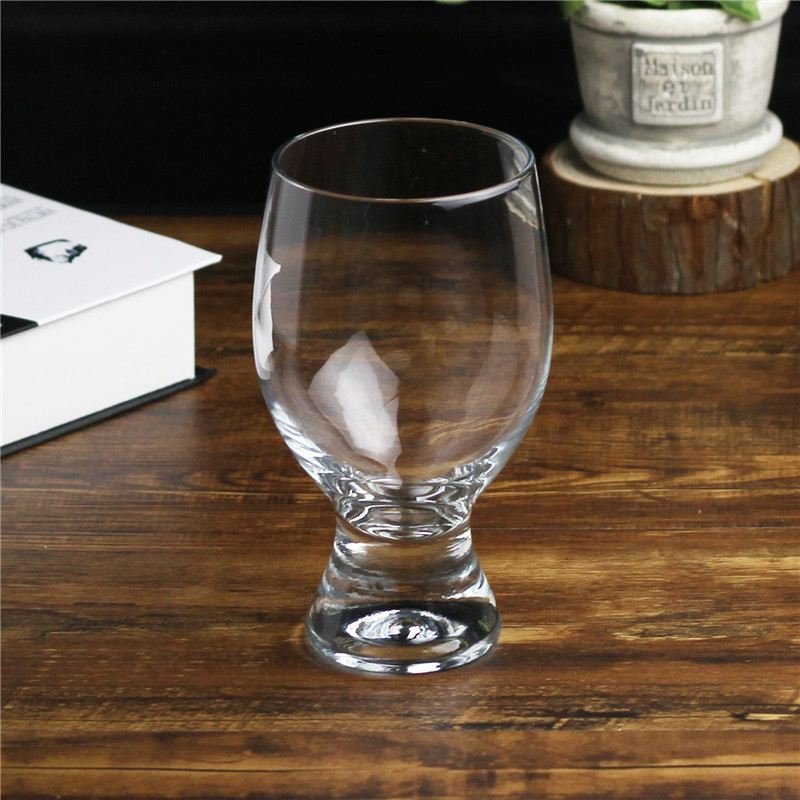
Credit: dmglassware.com
What Causes Cloudiness on Glassware?
Cloudiness on glassware happens for many reasons. The most common cause is hard water. Hard water has minerals like calcium and magnesium. These minerals leave white spots and a cloudy film on glass.
Sometimes, cloudiness forms from soap or detergent residue. When you do not rinse glassware well, soap stays on the glass. This soap makes the glass look dull and foggy.
Also, glassware can get cloudy from scratches or etching. This happens when glass is washed in a dishwasher many times. The heat and detergent can slowly damage the glass surface.
Simple Ways to Remove Cloudiness from Glassware
Here are easy and safe ways to clean cloudy glassware. These methods use items you have at home. Follow each step carefully to make your glass shine.
1. Use White Vinegar
White vinegar works very well to remove cloudiness. It helps break down mineral deposits and soap films.
- Fill a bowl with equal parts of white vinegar and warm water.
- Put the cloudy glassware in the bowl.
- Let it soak for 30 minutes to 1 hour.
- Take the glassware out and rinse with clean water.
- Dry the glass with a soft cloth.
If the cloudiness is strong, you can soak for longer. Vinegar is safe and natural. It does not harm glass.
2. Use Baking Soda Paste
Baking soda is gentle but good at cleaning. It can remove light cloudiness and stains.
- Make a paste by mixing baking soda with a little water.
- Apply the paste on the glass with a soft cloth or sponge.
- Rub gently in small circles on cloudy areas.
- Rinse the glass with warm water.
- Dry the glass carefully with a clean cloth.
This method is good for small spots. Do not rub too hard to avoid scratches.
3. Try Lemon Juice
Lemon juice works like vinegar. It has acid that breaks down mineral deposits.
- Cut a lemon in half.
- Rub the lemon on the cloudy glass surface.
- Let the juice stay on the glass for 5 to 10 minutes.
- Rinse the glass with warm water.
- Dry the glass with a soft cloth.
Lemon also leaves a fresh smell. It is safe and easy to use.
4. Use Toothpaste
Toothpaste can clean minor cloudiness. It contains mild abrasives that help polish glass.
- Apply a small amount of non-gel toothpaste on a soft cloth.
- Rub the cloudy glass gently in circular motions.
- Rinse the glass well with warm water.
- Dry with a soft towel.
This works best on small cloudy spots. Be gentle to avoid scratches.
5. Dishwasher Cleaning Tips
Sometimes cloudiness comes from dishwasher use. Here are tips to avoid it:
- Use less detergent. Too much soap leaves residue.
- Use a rinse aid to help water flow off glass.
- Use the correct dishwasher cycle for glassware.
- Do not wash glassware with rough items that can scratch it.
- Check your dishwasher’s water temperature. It should not be too hot.
How to Prevent Cloudiness on Glassware
Cleaning is good, but prevention is better. Follow these steps to keep glassware clear:
1. Rinse Glassware Well
Always rinse glassware after washing. This removes soap and food bits.
2. Use Soft Water Or Filtered Water
If you have hard water, try using filtered or soft water for washing glassware. This lowers mineral buildup.
3. Hand Wash Delicate Glassware
Some glass is delicate. Hand wash these items with mild soap. Avoid harsh detergents and hot water.
4. Dry Glassware Right Away
Dry glassware with a clean cloth after washing. Air drying can leave spots.
5. Avoid Scratches
Do not use rough sponges or brushes. Use soft cloths or sponges to clean glass.

Credit: smol.com
When Cloudiness Does Not Go Away
Sometimes, cloudiness is from deep etching or scratches. This is hard to fix at home. Etching happens when glass is washed too often in a dishwasher. The surface gets damaged and cloudy.
If cloudiness stays after cleaning, it may be permanent. You can:
- Use the glass for decoration instead of drinking.
- Buy new glassware if you want clear ones.
- Handle glassware carefully to avoid more damage.
Summary of Cleaning Methods
| Method | What You Need | How It Works | Best For |
|---|---|---|---|
| White Vinegar | Vinegar and warm water | Breaks down minerals and soap films | Strong cloudiness |
| Baking Soda Paste | Baking soda and water | Gentle scrub for light cloudiness | Small cloudy spots |
| Lemon Juice | Fresh lemon | Acid cleans mineral deposits | Light cloudiness and fresh smell |
| Toothpaste | Non-gel toothpaste and soft cloth | Polishes minor cloudiness | Small cloudy spots |
| Dishwasher Tips | Proper detergent and rinse aid | Prevents cloudiness during washing | All glassware |
Final Tips for Clear Glassware
- Clean glassware regularly to avoid buildup.
- Use natural cleaners like vinegar and lemon.
- Handle glass gently to prevent scratches.
- Dry glassware right after washing.
- Check dishwasher settings for glassware care.
By following these simple steps, your glassware will stay clear and shiny. Clean glassware makes drinks and food look better. It also feels good to use clean dishes. Remember, patience and care help keep your glassware beautiful for a long time.
Frequently Asked Questions
Why Does Glassware Become Cloudy Over Time?
Cloudiness forms from hard water minerals or soap residue left on glass surfaces.
How Can Vinegar Help Remove Cloudiness From Glassware?
Vinegar dissolves mineral deposits, making glass clear and shiny again.
Is Baking Soda Effective For Cleaning Cloudy Glassware?
Yes, baking soda gently scrubs away residue without scratching the glass.
Can Lemon Juice Clear Foggy Glassware Naturally?
Lemon juice’s acid breaks down mineral spots and adds a fresh scent.

Sophia Martinez is a culinary lifestyle writer and product reviewer for DiningGadgets.com. Passionate about blending style with functionality, she explores the latest dining essentials, kitchen décor, and cleaning hacks that transform everyday cooking spaces. With a background in home organization and design, Sophia brings readers expert advice on creating beautiful, practical kitchens that truly feel like the heart of the home.