When Gathering Glassware And Equipment for an Experiment You Should: Essential Safety Tips
Doing an experiment means you need certain tools. These tools help you work safely and get good results. Glassware and equipment are important parts of this. When you gather them, you must be careful. This article will tell you what to do when you gather glassware and equipment for an experiment.
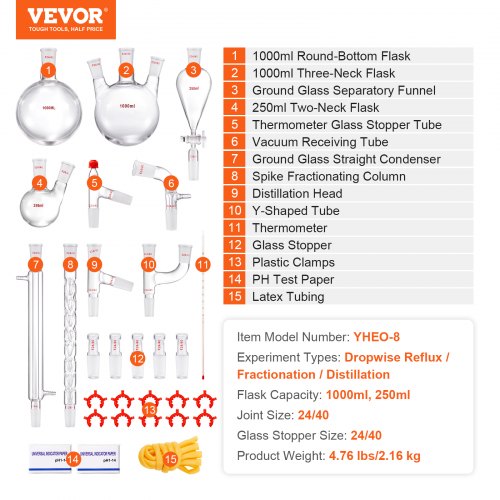
Credit: www.vevor.com
1. Know What You Need Before You Start
Before you go to find glassware and equipment, check your experiment plan. Write down all the items you need. This helps you not forget anything. If you miss something, your experiment can stop or give wrong results.
For example, if you need a beaker, test tubes, and a funnel, write them down. Also, check the sizes you need. Some experiments need small test tubes, others need big ones.
2. Choose the Right Glassware
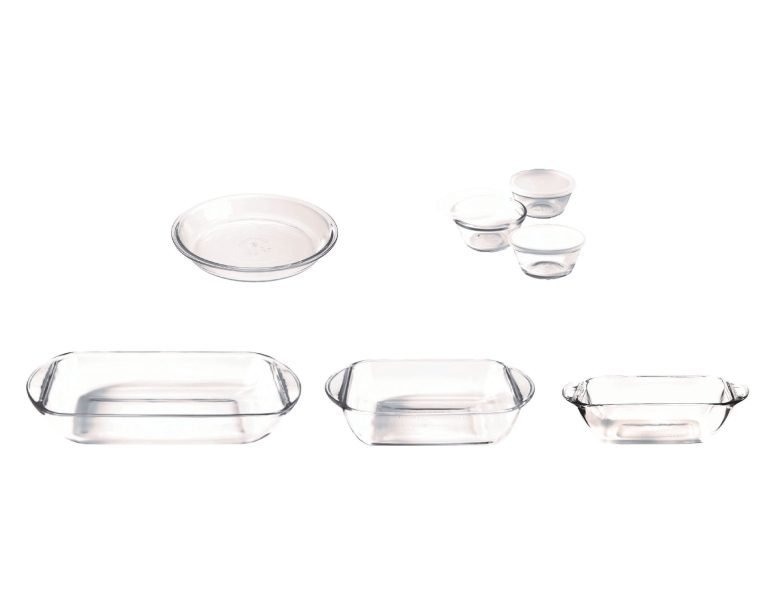
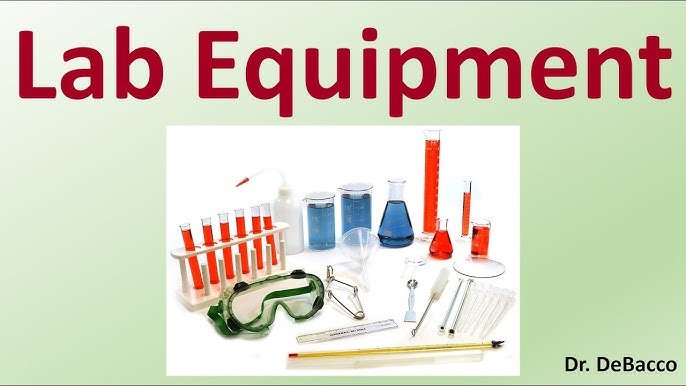
Glassware comes in many shapes and sizes. Each type has a special job in the experiment. Here are some common glassware you might need:
- Beakers: Used to hold liquids and mix them.
- Test Tubes: Used to hold small amounts of liquid.
- Flasks: Used to mix and heat liquids.
- Graduated Cylinders: Used to measure liquid volume.
- Petri Dishes: Used to grow bacteria or small plants.
When you pick glassware, check if it is clean and not broken. Broken glassware can cause injuries and spoil your experiment.
3. Inspect Equipment Carefully
Besides glassware, you need other equipment. This includes tools like pipettes, tongs, or thermometers. You must check them well before using.
Look for cracks, dirt, or damage. If the thermometer is broken, you will not get the right temperature. If tongs are rusty, they can hurt you or damage glassware.
4. Clean Everything Before Use
Even if glassware looks clean, wash it before use. Dust or old chemicals can change your experiment results. Use warm water and soap. Rinse well with clean water. Let the glassware dry or dry it with a clean cloth.
For some experiments, you might need to use special cleaning solutions. Always follow the instructions given by your teacher or lab guide.
5. Handle Glassware With Care
Glass is fragile. It breaks easily. When you carry glassware, hold it with both hands. Do not carry too many pieces at once. If you drop glassware, it can break and hurt you.
Place glassware gently on tables. Avoid hitting them against hard surfaces. Always use a tray or mat if possible to keep glassware safe.
6. Wear Safety Gear
Safety comes first. Before you gather or use glassware and equipment, wear safety gear. This includes gloves, goggles, and a lab coat or apron. Gloves protect your hands from chemicals or broken glass. Goggles protect your eyes from splashes. A lab coat keeps your clothes safe.
Never skip safety gear. It helps you avoid accidents.
7. Organize Your Workspace
Before starting your experiment, set up your workspace well. Keep all glassware and equipment you need close to you. This helps you work faster and safer.
Use a clean table or lab bench. Clear away anything you do not need. This reduces the chance of spills or accidents.
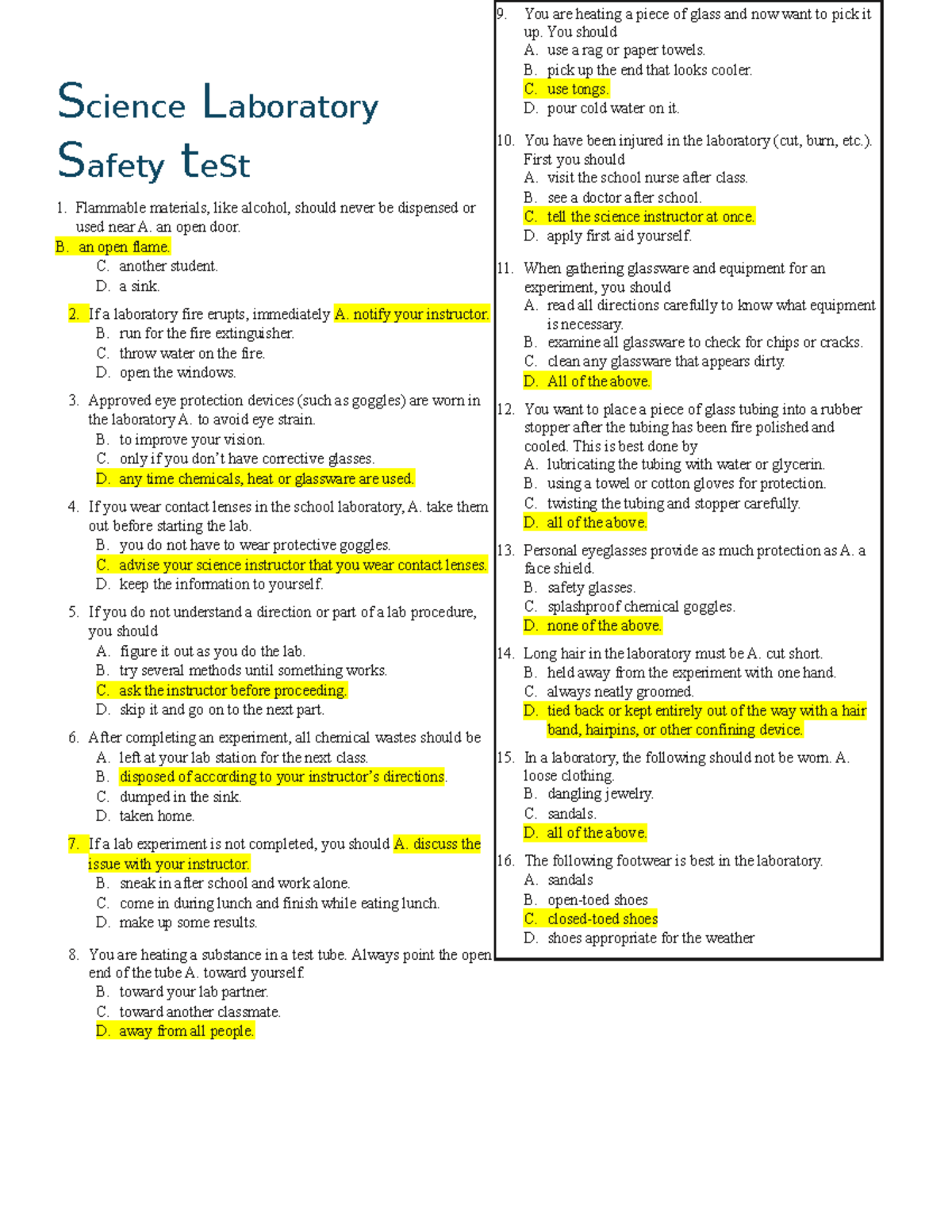
Credit: www.studocu.com
8. Label Your Glassware
Sometimes, you use many glass containers. To avoid confusion, label each one. Use tape and a marker or a sticker. Write what is inside or what it will be used for.
Labels help prevent mixing chemicals or samples. This keeps your experiment safe and correct.
9. Use Equipment Correctly
Each tool has a special way to use it. For example, use pipettes to move small amounts of liquid carefully. Use tongs to hold hot glassware. Use a thermometer to check temperature in the right way.
If you are not sure how to use equipment, ask your teacher or read instructions. Using tools wrongly can spoil your experiment or cause accidents.
10. Store Glassware and Equipment Safely After Use
After you finish your experiment, clean and dry all glassware and equipment. Put them back in their places. Store them where they will not fall or break.
Good storage keeps your tools safe and ready for the next experiment.
Summary Table: What You Should Do When Gathering Glassware and Equipment
| Step | What to Do | Why It Matters |
|---|---|---|
| 1 | Check experiment plan and list needed items | Prevents missing important tools |
| 2 | Choose correct and undamaged glassware | Ensures safety and good results |
| 3 | Inspect all equipment for damage | Avoids accidents and errors |
| 4 | Clean all glassware before use | Prevents contamination |
| 5 | Handle glassware carefully | Prevents breakage and injury |
| 6 | Wear safety gear (gloves, goggles) | Protects you from harm |
| 7 | Organize your workspace | Makes work easier and safer |
| 8 | Label glassware | Prevents mix-ups |
| 9 | Use equipment correctly | Ensures accurate experiment |
| 10 | Store glassware safely after use | Keeps tools ready and safe |
Extra Tips for Gathering Glassware and Equipment
- Ask for help if you do not know what to use.
- Never taste or touch chemicals directly.
- Keep food and drinks away from the lab area.
- Work slowly and carefully. Rushing causes mistakes.
- Always follow your teacher’s safety instructions.
Gathering the right glassware and equipment is a key step. It helps your experiment go well. If you do it right, you will be safe and get good results. Remember these simple steps next time you prepare for an experiment. Your work will be better and safer.
Frequently Asked Questions
What Glassware Is Essential For Basic Lab Experiments?
Beakers, test tubes, and graduated cylinders are key glassware for most experiments.
How To Check If Glassware Is Clean Before Use?
Look for spots, streaks, or residue. Rinse with water to ensure cleanliness.
Why Is Using The Right Equipment Important In Experiments?
Correct tools improve accuracy and safety during experiments.
How To Handle Glassware To Avoid Breakage?
Hold glassware firmly but gently. Avoid sudden movements.

Sophia Martinez is a culinary lifestyle writer and product reviewer for DiningGadgets.com. Passionate about blending style with functionality, she explores the latest dining essentials, kitchen décor, and cleaning hacks that transform everyday cooking spaces. With a background in home organization and design, Sophia brings readers expert advice on creating beautiful, practical kitchens that truly feel like the heart of the home.