Small Ice Pack for Lunch Box: Keep Meals Fresh Longer
Are you tired of your lunch getting warm before you even sit down to eat? A small ice pack for your lunch box might be the simple solution you need.
It keeps your food fresh and cool, so every bite tastes just right. Imagine opening your lunch to find crisp veggies, chilled fruits, or a perfectly cool sandwich waiting for you. You’ll discover how choosing the right small ice pack can make your lunchtime more enjoyable and hassle-free.
Keep reading to find out how to keep your meals fresh no matter where you are.
Benefits Of Using Small Ice Packs
Using small ice packs in your lunch box offers several practical benefits that can enhance your daily meal experience. These compact chillers are designed to keep your food fresh, safe, and enjoyable until you’re ready to eat. Let’s explore how they help maintain meal quality and why they might be a game changer for your lunchtime routine.
Maintaining Meal Freshness
Small ice packs keep your food at a cool temperature, slowing down the natural process that causes meals to lose their freshness. This means that your fruits stay crisp, sandwiches remain moist without becoming soggy, and dairy products don’t spoil quickly.
Think about the last time you found your salad wilted by midday. A small ice pack could have kept those greens vibrant and crunchy, making your lunch more appetizing and enjoyable.
Preventing Food Spoilage
Food safety is crucial, especially if your lunch includes perishable items like meats, cheeses, or yogurt. Ice packs help prevent bacteria growth by maintaining a safe temperature, reducing the risk of foodborne illnesses.
Have you ever felt uneasy about eating a meal that’s been sitting out too long? With a small ice pack, you can be confident your food is safe to eat hours after preparation.
Easy To Carry And Use
Small ice packs are lightweight and compact, fitting easily into most lunch boxes without taking up much space. Their reusable nature means you can freeze them overnight and have them ready for use every day.
They require no setup or complicated handling—just freeze and place alongside your food. This simplicity makes them perfect for busy mornings or packing lunches on the go.
Types Of Small Ice Packs
Choosing the right small ice pack for your lunch box can make a big difference in keeping your food fresh and cool throughout the day. There are several types available, each with unique features that suit different needs. Understanding these options helps you pick the best one for your daily routine.
Gel Packs
Gel packs are popular because they stay flexible even when frozen. This means you can easily fit them around your lunch containers without worrying about hard edges. They also come in various sizes and shapes, which makes them versatile for different lunch boxes.
One thing to note: gel packs usually cool for several hours but may not last all day if your lunch box is opened frequently. Have you tried using gel packs that can be refrozen quickly? It’s a great way to keep your lunch cool on busy days.
Freeze-and-use Packs
Freeze-and-use packs are simple and effective. You just place them in the freezer before packing your lunch, and they stay cold for hours. These packs are great if you want a no-fuss option that doesn’t require any preparation beyond freezing.
What’s handy about these is their quick freeze time, so you can grab one even last minute. However, some may become rigid and harder to fit snugly inside your lunch box. Have you noticed how some freeze-and-use packs double as cool pillows for kids? That’s a fun bonus!
Reusable Vs Disposable
Reusable ice packs save money and reduce waste since you can freeze and use them many times. They tend to be more durable and environmentally friendly. If you pack lunch daily, reusable packs offer a smart, long-term solution.
Disposable packs, on the other hand, are convenient for one-time use or travel. They’re lightweight and often activated by squeezing or shaking, which means no freezer needed. But ask yourself: is the convenience worth the extra cost and environmental impact?
Choosing between reusable and disposable depends on your lifestyle. Do you prefer a pack that’s ready anytime, or one that you can rely on day after day?
Choosing The Right Size And Shape
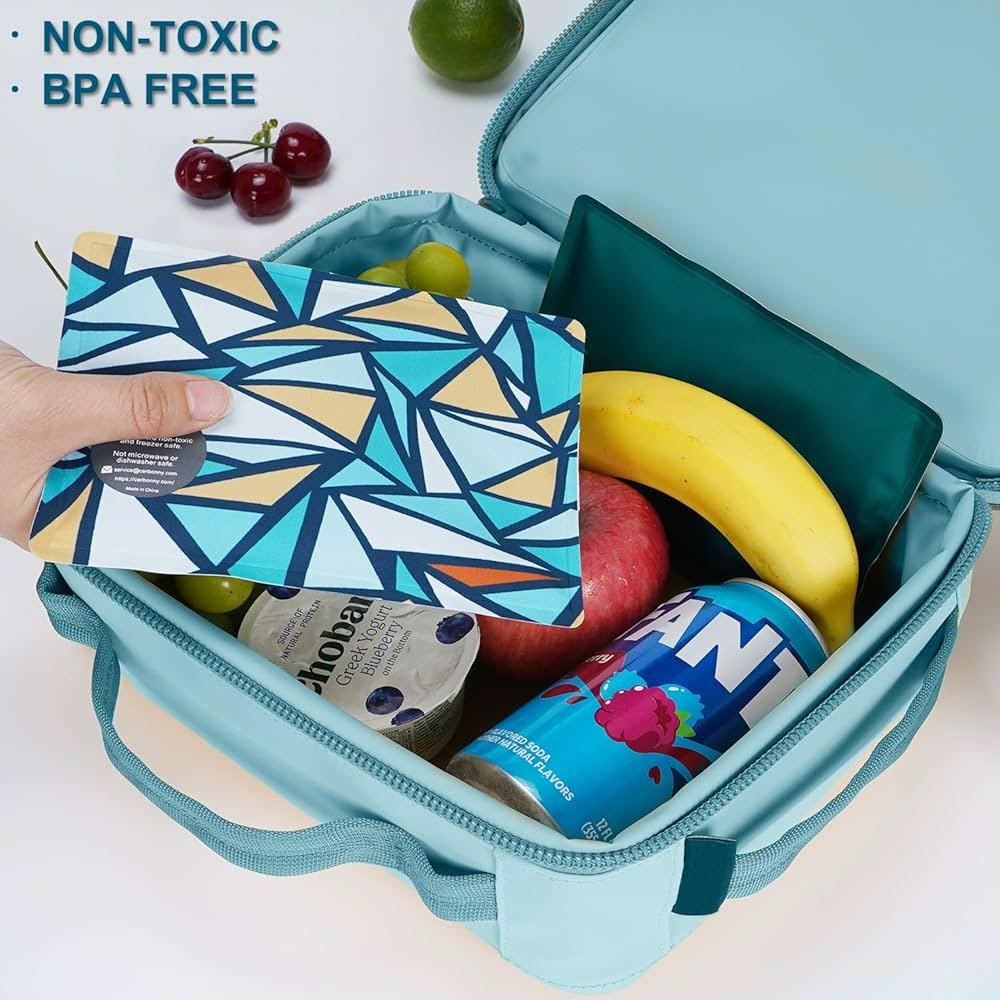
Choosing the right size and shape of a small ice pack for a lunch box is key to keeping food fresh and cool. The ice pack must fit well inside the lunch box without taking up too much space. It should be easy to carry and not add extra weight. Selecting the correct size and shape helps maintain the right temperature and keeps your meals safe to eat.
Matching Pack Size To Lunch Box
Measure the lunch box before selecting an ice pack. The ice pack should fit snugly but not crowd the food. A pack too large can crush sandwiches or containers. A pack too small may not keep items cold long enough. Look for slim or flat shapes for small lunch boxes. Bulky shapes suit larger boxes better.
Considering Weight And Portability
Choose ice packs that are light for easy carrying. Heavy packs make the lunch box bulky and hard to handle. Small, lightweight packs fit easily into bags or backpacks. Some packs come with soft covers for comfort and grip. Portability matters for children and adults on the go.

Credit: www.amazon.com
How To Use Ice Packs Effectively
Using a small ice pack for your lunch box can make a big difference in keeping your food fresh and enjoyable throughout the day. But simply tossing an ice pack inside isn’t enough to maximize its cooling power. Understanding how to use ice packs effectively ensures your lunch stays cool longer and your meals remain safe and tasty.
Freezing Tips
Freeze your ice pack for at least 6 hours before use to guarantee it’s fully solid. Avoid placing it near the door of your freezer where temperature fluctuates more. For quick freezing, lay the pack flat so it freezes evenly and solidly.
Have you ever noticed your ice pack melting too fast? That often happens when it’s not frozen thoroughly. A fully frozen pack holds the cold longer, giving you more time to enjoy your lunch.
Placement Inside Lunch Box
Position your ice pack directly against the items you want to keep cold. If you pack sandwiches, place the ice pack on top or beside them rather than at the bottom. This direct contact helps transfer the cold effectively.
Also, try wrapping the ice pack in a thin cloth or paper towel to prevent condensation from making your lunch soggy. Have you experimented with layering your lunch box contents around the ice pack? This can trap cold air and improve overall cooling.
Duration Of Cooling
Most small ice packs keep food cold for around 4 to 6 hours, which is usually perfect for lunch breaks. However, the exact time depends on the lunch box insulation and external temperature. If you know your lunch break is longer, consider using two smaller ice packs for extended cooling.
Think about your daily routine—does your lunch sit out before you eat? Planning when to take your lunch out of the fridge and using an ice pack accordingly can make all the difference in food safety and taste.
Safety And Hygiene Tips
Keeping your small ice pack clean and safe is key to healthy lunches. Proper safety and hygiene prevent germs from spreading and keep food fresh. Simple habits make a big difference in protecting your family’s health.
Cleaning And Maintenance
Wash the ice pack after every use. Use warm, soapy water and a soft cloth or sponge. Avoid harsh chemicals that can damage the pack. Rinse it well to remove soap residue. Let it air dry completely before freezing again. Check for leaks or cracks regularly. Replace the pack if you find any damage.
Avoiding Cross-contamination
Keep the ice pack separate from raw food. Store it in a clean bag or container. Do not place it directly on meat or other uncooked items. Use a different pack for each lunch box. This reduces the risk of spreading bacteria. Wash your hands before handling the ice pack or food. Clean surfaces where the ice pack rests to maintain hygiene.
Eco-friendly Ice Pack Options
Eco-friendly ice packs offer a smart way to keep lunch boxes cool without harming the planet. They use natural or reusable materials that reduce waste and pollution. Choosing these options helps protect the environment while keeping your food fresh and safe.
Natural And Biodegradable Materials
Ice packs made from natural materials break down easily and do not leave harmful residues. Common materials include:
- Gel made from plant-based substances like aloe vera or cornstarch
- Reusable packs filled with water and natural fibers
- Biodegradable covers made from cotton or linen
These materials reduce plastic use and lower environmental impact. They are gentle on the earth and safe for everyday use.
Diy Ice Packs
Making your own ice pack saves money and cuts down waste. Use simple ingredients and items found at home:
- Fill a resealable bag with water and a few drops of natural essential oil for freshness
- Use frozen vegetables like peas or corn wrapped in cloth
- Make gel packs with cornstarch and water, then freeze
DIY packs are easy to customize in size and shape. They offer an eco-friendly cooling solution that fits your lunch box perfectly.
Where To Buy Small Ice Packs
Finding the right small ice pack for your lunch box can make a big difference in keeping your food fresh and cool throughout the day. You might wonder where to start looking to get the best quality and price. Let’s break down some of the best places where you can buy small ice packs, whether you prefer shopping from home or visiting a store near you.
Online Retailers
Online stores offer a huge variety of small ice packs with detailed descriptions and customer reviews. Websites like Amazon, Walmart, and Target give you the convenience of browsing many options without leaving your home. You can compare prices, read what other buyers say, and often find bundles or deals that save you money.
Shopping online also lets you explore specialty ice packs with unique features like reusable gel, flexible designs, or eco-friendly materials. If you want something specific, such as a pack that fits perfectly inside a small lunch box, online filters and search tools make the hunt easier. Have you ever found a product online that perfectly met your needs but was hard to locate in stores?
Local Stores And Supermarkets
Visiting a local store gives you the chance to see and feel the ice pack before buying. Many supermarkets, drugstores, and big-box retailers stock small ice packs, especially during warmer months. Places like CVS, Walgreens, and Costco often carry reliable brands that work well for everyday lunch boxes.
Buying in person also means you can ask store staff for recommendations or check packaging for exact dimensions and materials. Sometimes, local stores run sales or have seasonal offers, making it easier to grab a good deal. Have you noticed how some small ice packs fit better in certain lunch boxes? Trying them out in-store can save you from that hassle.

Credit: www.walmart.com
Cost And Value Considerations
Choosing the right small ice pack for your lunch box means balancing cost with value. You want something affordable but durable and effective. Thinking about how much you use it and how long it lasts can save you money in the long run.
Budget-friendly Choices
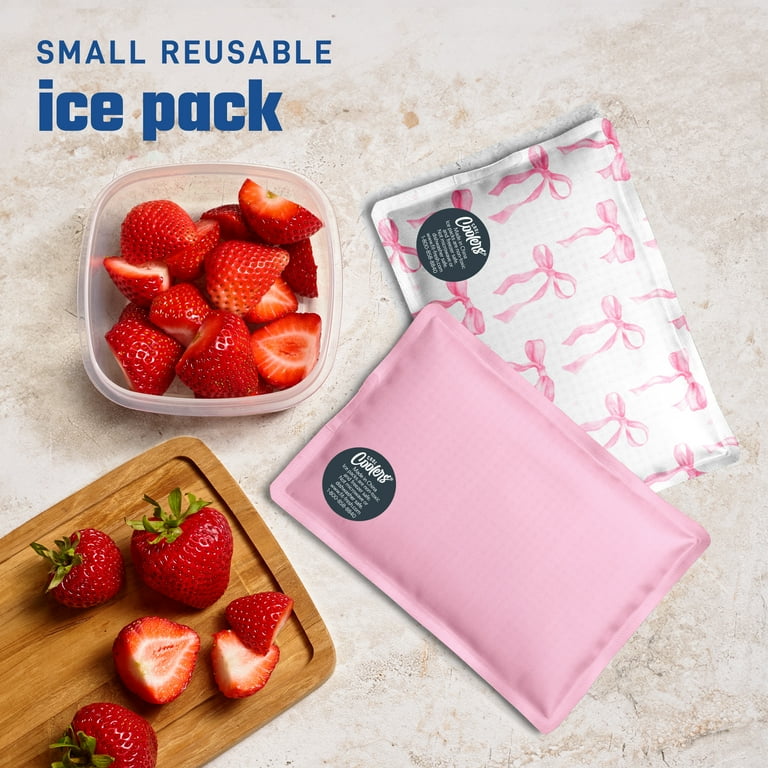
There are plenty of small ice packs that won’t break your budget. Many options cost under $10 and still keep your food cool for hours. Look for packs made with simple gel or water-based fillings—they tend to be cheaper.
You might find multi-packs offer a better deal if you need more than one. Also, consider reusable packs rather than single-use ones to avoid constant repurchasing. Sometimes, spending a few dollars more upfront means you get a product that lasts longer.
Long-term Savings
Investing in a high-quality ice pack can save you money over time. Cheaper packs might leak or lose their cooling power quickly, meaning you replace them more often. A durable pack keeps your lunch fresh and reduces waste.
Think about how often you pack lunch. If it’s daily, a reliable ice pack pays off by keeping food safe and reducing spoilage. What if you could avoid buying lunch out because your homemade meals stay fresh? That’s real savings you can count.
Credit: www.walmart.com
Frequently Asked Questions
What Size Is Ideal For A Small Ice Pack For Lunch Boxes?
An ideal small ice pack fits comfortably inside standard lunch boxes. Typically, sizes range from 4×4 to 6×6 inches, ensuring effective cooling without taking too much space.
How Long Does A Small Ice Pack Keep Food Cold?
A small ice pack usually keeps food cold for 3 to 6 hours. Its efficiency depends on the pack’s material and freezer time before use.
Are Small Ice Packs Reusable And Eco-friendly?
Yes, most small ice packs are reusable and made from non-toxic materials. They help reduce waste compared to single-use gel packs.
Can Small Ice Packs Fit In All Types Of Lunch Boxes?
Small ice packs are designed to fit most lunch boxes, including insulated and hard-shell types. Check dimensions before purchase for a perfect fit.
Conclusion
A small ice pack keeps your lunch fresh and cool all day. It fits easily inside any lunch box. No worries about food spoiling or drinks getting warm. Perfect for school, work, or travel. Choose a reusable ice pack to save money and reduce waste.
Simple, effective, and practical for daily use. Keep your meals tasty and safe with a small ice pack. A smart addition to every lunch box.

Sophia Martinez is a culinary lifestyle writer and product reviewer for DiningGadgets.com. Passionate about blending style with functionality, she explores the latest dining essentials, kitchen décor, and cleaning hacks that transform everyday cooking spaces. With a background in home organization and design, Sophia brings readers expert advice on creating beautiful, practical kitchens that truly feel like the heart of the home.