Lunch Box to Keep Food Hot And Cold: Ultimate Guide
Are you tired of your lunch turning cold or soggy before you get a chance to eat it? Imagine opening your lunch box and finding your food just as fresh and warm—or refreshingly cool—as when you packed it.
A lunch box that keeps your food hot and cold can make your mealtime more enjoyable and stress-free. You’ll discover how to choose the perfect lunch box that fits your needs and keeps your meals at the right temperature all day long.
Keep reading, because your next meal could be your best one yet.

Credit: www.goodhousekeeping.com
Types Of Lunch Boxes
Choosing the right lunch box can change how you enjoy your meals away from home. Different types of lunch boxes serve different needs, whether you want to keep your food warm, cold, or both. Understanding these types helps you pick one that fits your lifestyle and eating habits perfectly.
Insulated Lunch Boxes
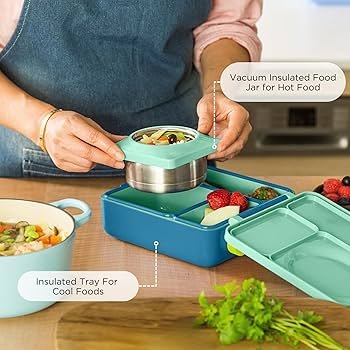
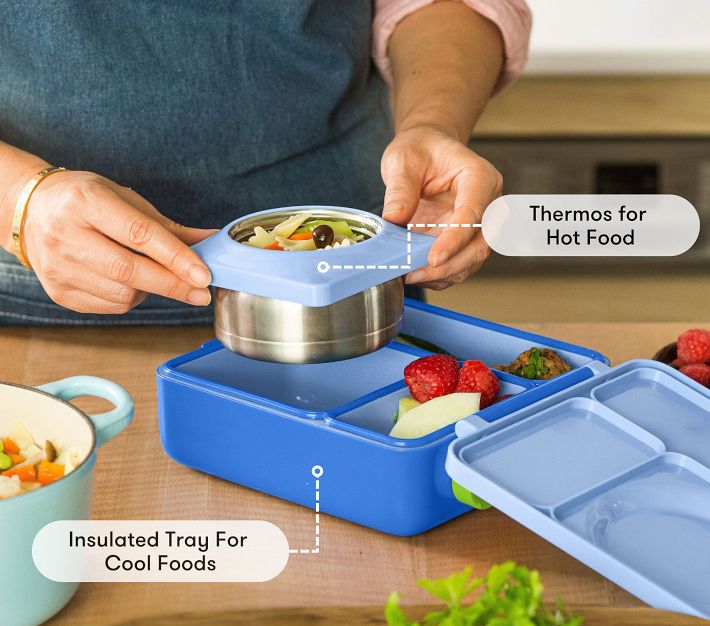
Insulated lunch boxes use special materials to keep your food at a steady temperature for hours. They are great if you want your sandwich fresh and your salad crisp without needing a fridge. Many come with multiple compartments, so you can separate hot and cold items easily.
Think about your daily routine. Do you carry meals that need to stay fresh but don’t require heating? An insulated lunch box might be all you need.
Thermal Lunch Boxes
Thermal lunch boxes use heat-retaining layers to keep your food warm for several hours. They are perfect if you like homemade hot meals but don’t have access to a microwave during the day. You can find models with tight seals that lock in heat and prevent spills.
Have you ever wished your lunch was still warm at noon? Thermal lunch boxes are designed exactly for that moment.
Electric Lunch Boxes
Electric lunch boxes come with built-in heating elements powered by a plug or USB. They allow you to warm your food anytime, anywhere, without needing a microwave. This type is ideal if you often eat on the go or at workplaces without kitchen facilities.
Imagine heating your leftovers during a busy workday with just a simple plug-in. Wouldn’t that make lunch breaks more enjoyable?
Vacuum-sealed Lunch Boxes
Vacuum-sealed lunch boxes remove air to preserve your food’s freshness and temperature longer. They prevent bacteria growth and keep flavors intact whether your meal is hot or cold. These boxes are especially useful if you prepare meals well in advance.
Have you noticed how some packed lunches lose their flavor or get soggy? Vacuum sealing can help maintain the quality of your food throughout the day.
Materials And Build
Choosing the right materials and build for your lunch box is crucial to keep your food hot or cold effectively. The structure and fabric impact durability, insulation, and safety. Let’s look at common materials that make lunch boxes reliable and user-friendly.
Stainless Steel Options
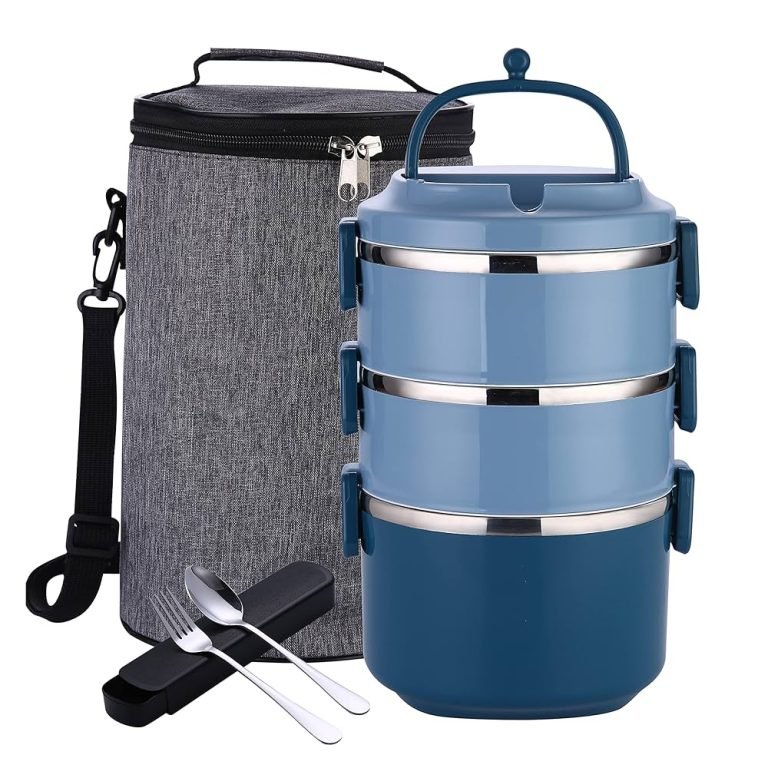
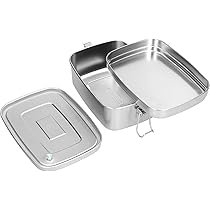
Stainless steel lunch boxes are a favorite for many because of their toughness and ability to maintain temperature. They don’t absorb odors or stains, which means your meals stay fresh and tasty. Plus, stainless steel is naturally resistant to bacteria, making it a hygienic choice.
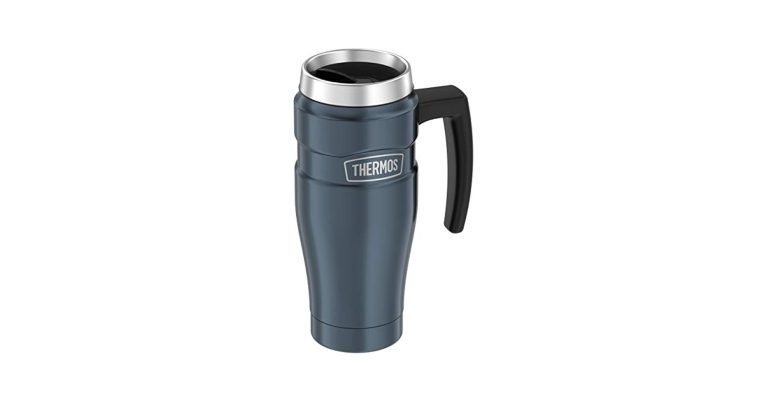
These lunch boxes often come with double-wall insulation. This design traps heat or cold inside, so your food stays at the desired temperature for hours. Have you ever noticed how a simple metal container can keep soup warm just as well as a thermos?
Plastic And Bpa-free Choices
Plastic lunch boxes are lightweight and usually come in fun colors and shapes, which can make lunchtime more enjoyable. However, not all plastics are created equal. It’s important to pick BPA-free options to avoid harmful chemicals leaching into your food.
BPA-free plastics are designed to be safer for your health and the environment. They often feature airtight seals to prevent leaks and preserve freshness. Do you find that your plastic lunch box sometimes lets liquids slip out? Look for models with secure locking lids to fix that.
Silicone Components
Silicone is a flexible and heat-resistant material often used for seals, lids, or compartments in lunch boxes. It creates tight seals that keep food secure and prevent spills, which is perfect if you carry soups or sauces.
Its soft texture also makes it easy to clean and durable over time. Silicone parts won’t crack or warp like some plastics can. Have you ever struggled with lids that don’t fit snugly? Silicone components solve that problem efficiently.
Features To Look For
Choosing the right lunch box to keep your food hot or cold is more than just picking a pretty design. The features you select will directly affect how well your meals stay fresh and at the right temperature. Think about what matters most to you during your lunch break—size, ease of use, or how mess-free it can be.
Size And Compartments
Your lunch box should fit your appetite and meal variety. If you like having different dishes, look for multiple compartments that keep foods separate and prevent mixing flavors. A compact size that fits into your bag without being bulky makes carrying it stress-free.
Have you ever opened a lunch box only to find sauces spilled everywhere? Compartments help avoid that chaos and keep your meal organized.
Leak-proof Seals
Nothing ruins a lunch like leaks. A lunch box with reliable leak-proof seals gives you confidence to pack soups, yogurts, or dressings without worrying about spills. Check for silicone gaskets or locking clips that create a tight barrier.
Imagine carrying your lunch in a laptop bag—can you really risk it getting soaked? Leak-proof features protect both your food and your belongings.
Portability And Weight
You want a lunch box that’s easy to carry every day. Lightweight materials and a comfortable handle or strap make transportation simple. Consider how often you’ll be carrying it and whether you need a design that fits in your backpack or briefcase.
Do you prefer something that slips into your bag unnoticed or a lunch box that doubles as a stylish accessory? Portability shapes your daily routine more than you might think.
Ease Of Cleaning
A lunch box that’s hard to clean will quickly become a hassle. Look for smooth surfaces and removable parts that make washing easy. Dishwasher-safe options save time and effort after a busy day.
Have you ever skipped cleaning your lunch box because it’s too complicated? Choosing one that’s simple to maintain means you’ll enjoy fresh meals every day without the dread of scrubbing.
Credit: www.potterybarnkids.com
How To Keep Food Hot
Keeping your lunch hot until mealtime can feel like a challenge, especially when you’re out and about. But with the right techniques, you can enjoy warm, fresh meals even hours after packing. Let’s look at effective ways to maintain that comforting heat in your lunch box.
Preheating Techniques
Preheating your lunch box is a simple trick that makes a big difference. Warm the container by filling it with hot water for a few minutes before adding your food. This step helps the lunch box hold heat longer, so your meal stays warm.
You can also warm your food before packing it. Heating leftovers or freshly cooked meals to a high temperature ensures they start off hot. This reduces the time your lunch needs to stay warm inside the box.
Using Heat Packs
Heat packs are a handy addition to your lunch box if you want to keep food hot without electric devices. You can find reusable heat packs that activate with a simple click or shake. Place the pack next to your food container for a steady heat source.
Some heat packs can be heated in a microwave or hot water before use. This method is perfect for longer outings when you need your meal to stay warm for several hours. Have you tried using heat packs in your lunch box before?
Best Practices For Hot Food Storage
- Use insulated containers:Choose lunch boxes designed with insulation to trap heat efficiently.
- Seal tightly:Make sure lids fit snugly to prevent heat from escaping.
- Pack food in small portions:Smaller amounts retain heat better than large, bulky servings.
- Wrap food in foil or cloth:This extra layer keeps warmth inside and prevents moisture loss.
Remember, keeping your hot food safe is just as important as keeping it warm. If your meal will sit for more than two hours, consider the food’s temperature and storage to avoid any health risks. What’s your go-to trick for hot lunch storage?
How To Keep Food Cold
Keeping your food cold in a lunch box is essential for both taste and safety. Cold food stays fresh longer and prevents the growth of harmful bacteria. Here’s how you can make sure your meals remain refreshingly cool until it’s time to eat.
Ice Packs And Gel Packs
Ice packs and gel packs are the easiest way to keep your lunch cold. They fit snugly around your food containers, creating a chill zone that slows down warming.
You can choose from reusable gel packs or simple ice packs. Gel packs last longer without dripping water and are less messy. Ice packs are great if you want an extra cold effect but might create moisture as they melt.
Try placing the pack on top or beneath your food. This keeps the cold evenly distributed, especially if your lunch box has multiple compartments.
Freezing Components
Freezing some parts of your lunch before packing can really help. Freeze items like water bottles or juice boxes overnight. These act like natural ice packs and slowly thaw as your lunch stays cold.
Also, freeze foods that can handle it, such as sandwiches or fruit cups. By the time you’re ready to eat, they’ll have thawed just enough to be delicious and chilled.
Have you ever tried freezing your reusable ice packs the night before? It’s a simple step that makes a big difference in how long your lunch stays cold.
Maintaining Cold Temperatures
How you pack your lunch box affects temperature maintenance. Use insulated lunch boxes with thick walls and secure lids to trap cold air inside.
Keep the lunch box closed as much as possible to avoid warm air sneaking in. Opening it frequently lets cold air escape and speeds up warming.
Consider placing your lunch box in a cool, shaded spot instead of near heat sources. Even small changes in storage location can extend how long your food stays cold.

Credit: www.amazon.com
Safety And Hygiene Tips
Keeping your lunch box safe and hygienic is crucial for enjoying your meals without worry. Proper safety and hygiene not only protect your health but also keep your food tasting fresh. Here are some simple, effective tips to help you maintain a clean and safe lunch box environment.
Preventing Bacterial Growth
Bacteria thrive in warm, moist environments, so controlling temperature is key. Use an insulated lunch box that keeps hot foods hot and cold foods cold to slow down bacterial growth.
Try to pack your lunch right before you leave to minimize the time food spends at unsafe temperatures. Have you noticed how quickly leftovers spoil if left out too long? That’s bacteria at work.
Proper Cleaning Methods
Cleaning your lunch box thoroughly after every use is essential. Use warm, soapy water and a sponge to scrub all compartments, especially corners where food can get stuck.
Some lunch boxes are dishwasher safe, which can be a great option for a deep clean. Don’t forget to dry your lunch box completely before storing it to prevent mold and bacteria growth.
Food Storage Guidelines
Organize your food inside the lunch box to avoid cross-contamination. Keep raw and cooked foods separate by using different containers or compartments.
Use airtight containers to maintain freshness and prevent spills. Have you tried freezing a bottle of water to keep your lunch cool? It doubles as an ice pack and a refreshing drink later.
Top Brands And Models
Choosing the right lunch box to keep food hot and cold matters a lot. Top brands offer models that focus on insulation, durability, and ease of use. These lunch boxes suit different budgets and needs. The best ones keep food fresh for hours, whether hot or cold. Below are some options divided by price and popularity to help find the perfect fit.
Affordable Options
- Thermos Funtainer: Good insulation, sturdy, and budget-friendly.
- Rubbermaid LunchBlox: Modular design, keeps food fresh, affordable.
- OmieBox: Separate compartments, leak-proof, easy to clean.
- Fit & Fresh: Includes ice packs, compact, low-cost.
Premium Choices
- Yeti Daytrip: Superior insulation, durable build, stylish design.
- LunchBots Thermal: Stainless steel, multiple compartments, long-lasting heat retention.
- Zojirushi Stainless Steel Lunch Jar: Excellent heat retention, leak-resistant.
- Hydro Flask Food Flask: Keeps food hot or cold for hours, high quality.
User Favorites
- PackIt Freezable Lunch Bag: Freezes to keep food cold longer.
- PlanetBox Rover: Durable stainless steel, customizable compartments.
- Built NY Insulated Lunch Box: Soft, insulated, easy to carry.
- Black+Blum Bento Box: Stylish, leak-proof, good insulation.
Maintenance And Longevity
Maintaining your lunch box ensures it stays effective in keeping food hot or cold. Proper care helps prevent odors and stains. It also extends the life of the lunch box, saving you money.
Simple habits can keep your lunch box clean and fresh. Proper storage avoids damage. Knowing when to replace your lunch box protects your health and food quality.
Regular Cleaning Routines
Clean your lunch box after each use. Use warm water and mild soap. Avoid harsh chemicals that can damage the material.
Remove all food residues to prevent bacteria growth. Dry the lunch box completely before storing. Use a soft cloth or air dry it.
Storage Tips
- Keep your lunch box in a cool, dry place.
- Store it open to avoid moisture buildup and odors.
- Avoid placing heavy items on top to prevent deformation.
- Use a separate bag or compartment to protect it from dirt.
When To Replace Your Lunch Box
Replace your lunch box if it shows cracks or leaks. Persistent odors or stains that cleaning cannot remove are signs to change it.
Wear and tear on seals or insulation reduce effectiveness. Frequent use over several years may also mean it’s time for a new one.
Frequently Asked Questions
What Materials Keep Lunch Boxes Hot And Cold?
Insulated materials like stainless steel and foam maintain temperature. They trap heat or cold inside, preserving food freshness for hours.
How Long Can A Lunch Box Keep Food Hot?
A quality insulated lunch box keeps food hot for 4 to 6 hours. The exact time depends on the insulation and initial food temperature.
Can I Put Both Hot And Cold Food In One Lunch Box?
Yes, many lunch boxes have separate compartments designed to keep hot and cold foods apart. This prevents temperature mixing.
Are Electric Lunch Boxes Effective For Heating Food?
Electric lunch boxes effectively heat food on the go. They plug into car adapters or outlets, providing convenient warming options.
Conclusion
Choosing the right lunch box helps keep food hot or cold all day. It saves time and makes meals more enjoyable. Easy-to-carry designs fit busy lifestyles well. Insulated lunch boxes work best for temperature control. Simple care keeps them clean and fresh.
A good lunch box supports healthy eating habits. Small changes make a big difference in daily routines. Find one that suits your needs and enjoy fresh food anytime.

Sophia Martinez is a culinary lifestyle writer and product reviewer for DiningGadgets.com. Passionate about blending style with functionality, she explores the latest dining essentials, kitchen décor, and cleaning hacks that transform everyday cooking spaces. With a background in home organization and design, Sophia brings readers expert advice on creating beautiful, practical kitchens that truly feel like the heart of the home.