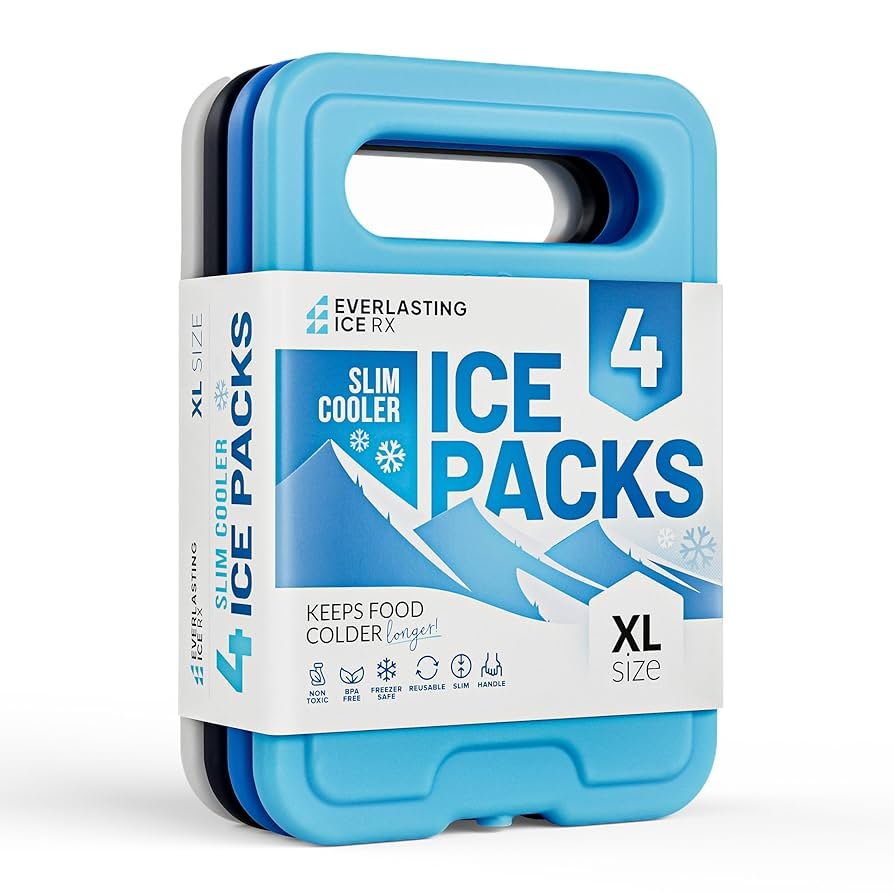
Ice Pack for Lunch Boxes: Keep Food Fresh All Day
Are you tired of soggy sandwiches and warm drinks ruining your lunch? Keeping your food fresh and cool during the day can be a real challenge.
That’s where an ice pack for lunch boxes comes in handy. It’s a simple tool that can make a big difference to your mealtime experience. You’ll discover how the right ice pack can keep your food safe, tasty, and enjoyable—no matter where your day takes you.
Ready to upgrade your lunch game? Keep reading to find out everything you need to know!

Credit: www.amazon.ca
Benefits Of Using Ice Packs
Using ice packs in lunch boxes offers several important benefits. They keep food cool and safe to eat throughout the day. This simple tool helps maintain the quality and taste of your meals.
Maintaining Food Freshness
Ice packs help keep food fresh by lowering the temperature inside lunch boxes. Cooler temperatures slow down the natural spoiling process. This means fruits, vegetables, and sandwiches stay crisp and tasty longer.
Preventing Bacterial Growth
Cold temperatures stop bacteria from multiplying quickly. Ice packs keep food below unsafe temperatures. This reduces the risk of foodborne illnesses and keeps meals safer to eat.
Extending Shelf Life
Ice packs extend the shelf life of perishable items. Foods like dairy, meat, and salads stay edible for more hours. This allows for more flexibility in meal planning and storage.

Credit: www.amazon.ca
Types Of Ice Packs
Ice packs keep food cool and fresh inside lunch boxes. Different types suit different needs. Understanding these types helps you pick the best one for your daily meals. Here are the main kinds of ice packs available.
Gel Packs
Gel packs contain a thick gel that freezes solid but stays flexible. They fit easily around food containers. Gel packs last longer than regular ice cubes. They are reusable and non-toxic, safe for lunch boxes.
Reusable Ice Packs
Reusable ice packs can be frozen and used many times. They come in various shapes and sizes. Many use a gel or liquid inside a plastic cover. These packs are cost-effective and eco-friendly.
Instant Ice Packs
Instant ice packs cool down quickly without freezing first. They activate by squeezing or shaking. These packs are useful in emergencies or when no freezer is nearby. They are single-use and disposable.
Diy Ice Packs
DIY ice packs are easy to make at home. Common options include frozen sponges or plastic bags filled with water and salt. They are cheap and customizable. DIY packs work well for short trips or one-time use.
Choosing The Right Ice Pack
Choosing the right ice pack for your lunch box can make a big difference in keeping your food fresh and safe to eat. It’s not just about picking any cold pack but finding one that fits your needs perfectly. Let’s look at the key factors that can help you decide.
Size And Shape Considerations
Your ice pack should fit comfortably inside your lunch box without crowding your food. Too large, and it leaves no room for your meal; too small, and it won’t keep things cool long enough. Think about the shape too—flat packs slide easily into slim compartments, while bulky ones might work better in larger, insulated bags.
Have you noticed how some ice packs fit snugly next to your sandwich, while others just rattle around? Choosing the right size and shape ensures even cooling and prevents your lunch from getting squished.
Material Safety
Not all ice packs are created equal when it comes to safety. Look for non-toxic, BPA-free materials that won’t leak harmful chemicals if punctured. Gel packs are popular, but make sure their gel is food-safe, especially if your lunch box might come into direct contact with the pack.
Remember, safety matters as much as cooling power. You don’t want to risk contamination just to keep your food cold.
Cooling Duration
How long you need your lunch to stay cold affects which ice pack you should pick. Some packs stay chilled for just an hour or two, perfect for short outings, while others last all day for longer workdays or school hours. Check the product details for cooling time, but also consider your daily schedule.
Ask yourself: Will you eat lunch immediately, or will your food sit for several hours? Matching the ice pack’s cooling duration to your routine helps avoid soggy or spoiled meals.
Using Ice Packs Effectively
Using ice packs effectively can make a big difference in keeping your lunch fresh and safe to eat. It’s not just about tossing a frozen pack into your lunch box; how you prepare and place the ice pack matters a lot. Small changes in freezing, placement, and pairing with other containers can extend the coolness and protect your food better.
Freezing Tips
Freeze your ice packs for at least 6 to 8 hours before use. This ensures they are fully solid and will stay cold longer. Avoid refreezing partially melted packs; they don’t chill well and can leak.
Think about freezing ice packs flat if possible. They fit better in lunch boxes and provide more surface area to keep your food cold. You might also freeze a wet cloth around the ice pack for extra insulation.
Placement In Lunch Boxes
Place the ice pack next to items that need the most cooling, such as dairy or salads. Positioning it on top or around the food creates a cooling barrier. Avoid placing ice packs directly against food that can freeze and lose texture, like fresh fruits.
Do you usually stuff everything in your lunch box without order? Try organizing it so the ice pack touches the food but leaves some space for air circulation. This helps keep the cold evenly distributed.
Combining With Insulated Containers
Using an insulated lunch box or container along with ice packs boosts the cooling effect significantly. The insulation slows down heat transfer, so the ice pack stays frozen longer. It also keeps warm foods from cooling too quickly if you carry multiple meals.
Consider layering: put the ice pack at the bottom, then your insulated container with food on top. This setup traps cold air inside. Have you noticed how some insulated containers keep drinks cooler when paired with ice packs? It works because they hold the chill inside better.
Cleaning And Maintenance
Cleaning and maintenance keep ice packs fresh and safe to use. Regular care extends their life and maintains their cooling power. Proper cleaning removes dirt and bacteria. Good storage prevents damage. Knowing when to replace ice packs ensures food safety and effectiveness.
Proper Cleaning Methods
Wipe the ice pack with a damp cloth after each use. Use mild soap and warm water to clean the surface. Avoid soaking ice packs in water to protect the inner gel. Rinse well and dry completely before storing. Never use harsh chemicals or bleach as they can damage the pack.
Storage Tips
- Store ice packs in a cool, dry place.
- Keep them flat to avoid leaks or damage.
- Do not freeze ice packs when empty to prevent cracking.
- Seal them in a plastic bag to protect from dust.
- Avoid placing heavy objects on top of ice packs.
When To Replace Ice Packs
Replace ice packs if they show leaks or cracks. If the gel inside hardens or changes color, discard it. Loss of cooling ability is another sign to replace. Regular inspection helps catch problems early. Use new ice packs to keep food fresh and safe.
Credit: www.konabbqstore.com
Eco-friendly Alternatives
Choosing eco-friendly ice packs for lunch boxes helps reduce plastic waste. These alternatives keep food cool without harming the environment. They use natural or sustainable materials that are safe and effective. Many options fit well in any lunch bag. They maintain freshness and avoid chemical leaks from traditional gel packs.
Natural Cooling Options
Frozen fruits like grapes or berries work well as natural ice packs. They stay cold and can be eaten after use. Another option is frozen vegetables, which are easy to find and reusable. Small cloth bags filled with rice or beans can be chilled in the freezer. These packs hold cold temperatures and are biodegradable. A damp cloth kept in the freezer also cools lunch boxes. These natural choices avoid plastic and chemicals, making them safe for kids and adults.
Sustainable Ice Pack Materials
Ice packs made from sustainable materials reduce environmental impact. Look for packs filled with organic gel or plant-based substances. These materials break down faster than synthetic gels. Silicone cases with natural fillings are durable and recyclable. Some packs use recycled plastic for their covers. Bamboo and cotton covers offer an eco-friendly alternative to plastic. These products last long and are easy to clean, making them practical and green.
Common Mistakes To Avoid
Using an ice pack for lunch boxes seems simple, but many people make avoidable mistakes that reduce its effectiveness. These errors can lead to spoiled food or melted ice packs, ruining your meal and causing frustration. Let’s look at some common pitfalls you should watch out for to keep your lunch fresh and safe.
Overpacking Lunch Boxes
Stuffing your lunch box too full leaves little room for proper air circulation, which is essential for keeping food cold. When items are tightly packed, cold air can’t circulate around the ice pack, making it harder to maintain a low temperature.
Have you noticed your ice pack melting faster with a jam-packed lunch? Try leaving some space around the ice pack to help it work better. A slightly less crowded lunch box can mean the difference between a chilled meal and a soggy mess.
Ignoring Expiry Dates
Ice packs don’t last forever. Using an old or expired ice pack can reduce its cooling power, risking food spoilage. Check the manufacturer’s expiry date before relying on your ice pack for keeping food cold.
One time, I grabbed a cracked ice pack from the back of the freezer, assuming it was fine. It leaked and failed to keep my lunch cold, turning my sandwich into a soggy disappointment. Always inspect your ice packs for cracks or discoloration and replace them when needed.
Improper Freezing
Not freezing your ice pack long enough is a common mistake. Ice packs need several hours, sometimes overnight, to freeze solid and provide effective cooling.
Placing an ice pack in the freezer for just 30 minutes before packing your lunch won’t do the job. Make it a habit to freeze your ice pack the night before to ensure it’s fully frozen when you need it.
Frequently Asked Questions
What Is The Purpose Of An Ice Pack For Lunch Boxes?
An ice pack keeps food fresh and cool inside lunch boxes. It prevents spoilage and maintains safe temperatures for hours. This helps preserve taste and nutrition, especially during warm weather or long outings.
How Long Do Ice Packs Stay Cold In Lunch Boxes?
Ice packs typically stay cold for 3 to 6 hours, depending on size and quality. Using insulated lunch boxes can extend this cooling time. Proper freezing before use ensures maximum effectiveness.
Can Reusable Ice Packs Be Used Multiple Times?
Yes, reusable ice packs can be used many times. They are designed to freeze and thaw repeatedly without losing effectiveness. This makes them eco-friendly and cost-efficient for daily lunch packing.
Are Ice Packs Safe For Children’s Lunch Boxes?
Yes, ice packs are safe when used properly in children’s lunch boxes. Choose non-toxic, BPA-free packs to ensure safety. Always supervise kids to avoid misuse or damage to the pack.
Conclusion
Using an ice pack keeps lunch fresh and safe to eat. It stops food from spoiling too fast. Ice packs are easy to carry and reuse many times. They help keep drinks and snacks cool all day long. Choose the right size to fit your lunch box well.
Keep your meals tasty and healthy with a simple ice pack. It’s a small step that makes a big difference. Stay cool, stay happy!

Ethan Cole is a kitchen innovation enthusiast and food technology writer at DiningGadgets.com. With over 8 years of experience reviewing cookware, smart kitchen tools, and design trends, he helps readers discover gadgets that make cooking easier and dining more enjoyable. When he’s not testing the latest kitchen appliances, Ethan enjoys experimenting with recipes and sharing practical tips for modern homes.