More Birds Squirrel Lunch Box: Ultimate Wildlife Feeding Guide
Imagine a lunch box that not only keeps your food fresh but also sparks joy every time you open it. The More Birds Squirrel Lunch Box does just that.
If you love nature and want a touch of fun with your meals, this lunch box is made for you. Curious how this simple item can brighten your day and make lunchtime more exciting? Keep reading to discover why the More Birds Squirrel Lunch Box might be the perfect addition to your daily routine.
Choosing The Right Lunch Box
Choosing the right lunch box makes a big difference for daily meals. It keeps food fresh and easy to carry. A good lunch box fits your needs and style. The More Birds Squirrel Lunch Box offers many options. Focus on material, size, and safety for the best choice.
Material And Durability
Material affects how long the lunch box lasts. Look for strong materials like BPA-free plastic or stainless steel. These resist cracks and stains. Durable lunch boxes handle drops and daily use well. Easy-to-clean surfaces save time. The More Birds Squirrel Lunch Box uses safe, sturdy materials for everyday use.
Size And Compartments
Size matters for fitting your meals and snacks. Choose a lunch box that holds enough food without being too bulky. Multiple compartments help separate different foods. This keeps meals neat and prevents mixing flavors. The More Birds Squirrel Lunch Box offers smart compartments for balanced meals. It suits kids and adults with various portion needs.
Safety Features
Safety is key in a lunch box. Check for BPA-free materials to avoid chemicals. Leak-proof seals stop spills in bags. Rounded edges prevent injuries. Some lunch boxes are microwave and dishwasher safe for convenience. The More Birds Squirrel Lunch Box meets safety standards to protect health and ease use.
Credit: www.amazon.com
Best Foods For Birds
Choosing the right foods helps birds stay healthy and active. A balanced diet supports their energy and growth. Birds enjoy a variety of tastes and textures. Providing diverse foods keeps them interested and nourished.
Seeds And Grains
Seeds and grains form the core of most bird diets. They offer essential nutrients and energy. Common seeds include sunflower, millet, and safflower. Grains like oats and cracked corn also work well. These foods attract many bird species to your feeder.
- Sunflower seeds – rich in fat and protein
- Millet – small and easy to eat
- Safflower – less popular with squirrels
- Oats – good source of carbohydrates
- Cracked corn – high energy for larger birds
Fruits And Vegetables
Fresh fruits and vegetables add vitamins and minerals. They provide moisture and variety to the diet. Offer chopped apples, berries, or melon for sweetness. Vegetables like peas, corn, and leafy greens are great too. Avoid citrus fruits as they can upset some birds.
- Apples (seedless and chopped)
- Berries – blueberries, strawberries, raspberries
- Melon chunks – watermelon and cantaloupe
- Peas and corn – fresh or frozen
- Leafy greens – spinach, kale, lettuce
Nuts And Treats
Nuts and special treats make nice extras for birds. They are rich in fats and protein. Offer unsalted peanuts, almonds, or walnuts in small amounts. Suet cakes provide energy during cold months. Avoid salty or sugary human snacks that harm birds.
- Unsalted peanuts – good for woodpeckers and jays
- Almonds and walnuts – cracked for easier eating
- Suet cakes – high energy for winter feeding
- Dried mealworms – protein-rich insect treats
Foods Squirrels Enjoy
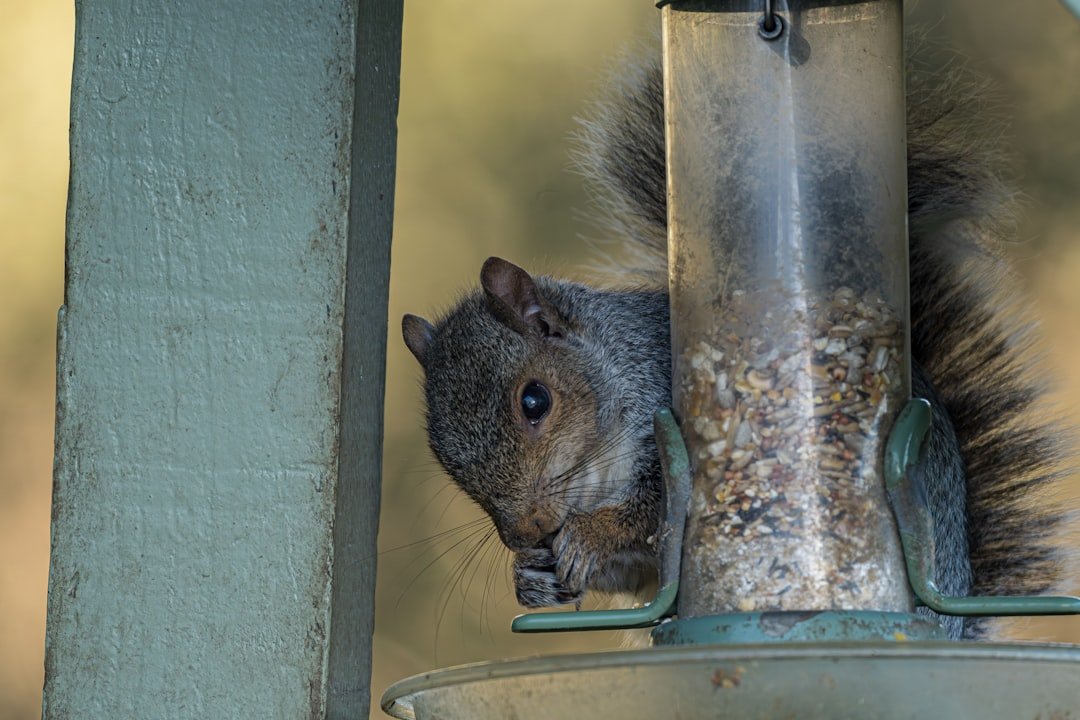
Squirrels have quite the varied diet, and knowing what foods they enjoy can make feeding them more rewarding for you and safer for them. Offering the right foods can attract more squirrels to your More Birds Squirrel Lunch Box while keeping them healthy and active. But have you ever wondered which treats truly delight squirrels and which ones could harm them?
Natural Favorites
Squirrels love foods that are part of their natural diet. Nuts like walnuts, pecans, and almonds top their list. They also enjoy seeds, especially sunflower seeds, which provide essential nutrients.
Fruits such as apples, berries, and grapes are often welcomed too. Vegetables like carrots and sweet corn can be tasty options as well. These choices mimic what squirrels would find in the wild, making them ideal for your lunch box.
Safe Human Foods
You might be surprised by how some human foods are safe and even enjoyable for squirrels. Plain popcorn (without butter or salt) is a fun, crunchy snack for them. Cooked pasta or rice can also be given in small amounts.
Oatmeal and unsweetened cereals are fine too, but avoid anything sugary. Offering these treats occasionally can keep your squirrels curious and happy without risking their health.
Foods To Avoid
Not all foods that seem harmless are safe for squirrels. Avoid giving them chocolate, which is toxic to many animals. Also steer clear of salty snacks like chips or pretzels, as salt can upset their digestive system.
Foods with added sugars, dairy products, or processed items should never be offered. Have you ever noticed squirrels turning away from certain foods? It’s often their way of avoiding something harmful.

Credit: www.amazon.com
Feeding Tips For Wildlife
Feeding wildlife with your More Birds Squirrel Lunch Box can be a delightful experience, but it requires thoughtful care. Ensuring the health and well-being of the animals depends on how and when you feed them. Small changes in your feeding routine can make a big difference in their daily lives.
Feeding Schedule
Choose consistent times to feed the wildlife, ideally early in the morning or late afternoon. Animals thrive on routine, and sticking to a schedule helps them know when to expect food. Avoid feeding late at night to prevent attracting unwanted pests.
Think about your own meals—would you want to eat all day or just at set times? Wildlife feels the same way. Regular feeding times support their natural habits and keep them healthy.
Portion Control
Offer small amounts of food at each feeding. Overloading the lunch box can lead to waste and attract more animals than you intended. A handful of nuts or seeds is often enough to satisfy squirrels and birds.
I once filled the box too much, and the leftover food spoiled quickly. That experience taught me to give just enough to be eaten promptly. Are you giving your wild visitors the right amount or too much?
Preventing Overfeeding
Watch how much the animals eat and reduce portions if they seem full or uninterested. Overfeeding can cause dependency and health issues in wildlife. It can also disrupt local ecosystems by encouraging unnatural behavior.
Try to supplement their natural diet rather than replace it. Encourage the animals to forage on their own by limiting the food you provide. This balance keeps wildlife active and thriving in their environment.
Maintaining Hygiene
Keeping your More Birds Squirrel Lunch Box clean is more than just about appearance—it’s essential for your health and the health of those around you. Neglecting hygiene can lead to unpleasant odors, stains, and even the growth of harmful bacteria. Paying attention to how you clean and handle your lunch box ensures every meal feels fresh and safe.
Cleaning The Lunch Box
Wash your lunch box thoroughly after every use. Use warm soapy water and a soft brush or sponge to reach all corners and crevices. Avoid harsh chemicals that could damage the material or leave harmful residues.
For stubborn stains or odors, try a mixture of baking soda and water. Let it sit inside the box for 15 minutes before rinsing. This simple trick can freshen up your lunch box without any strong smells.
Preventing Disease
Food left in unclean containers can attract bacteria and mold. These microorganisms can cause stomach problems or allergic reactions. Always remove leftover food immediately and avoid storing perishable items for too long.
Think about your last lunch experience—did the food taste off or look different? Chances are, poor hygiene played a part. Keeping your lunch box clean helps prevent these issues and protects your wellbeing.
Safe Handling Practices
Handle your lunch box with clean hands to avoid transferring germs. Store it in a cool, dry place to reduce bacterial growth. If you pack raw or strong-smelling foods, consider using separate containers inside the lunch box.
Ask yourself: have you ever noticed any sticky or greasy spots on your lunch box that didn’t come off easily? Regular cleaning combined with careful handling reduces these problems, making your lunch box last longer and stay safer.

Credit: www.amazon.com
Attracting More Wildlife
Attracting more wildlife to your garden or backyard can transform your outdoor space into a lively sanctuary. Using the More Birds Squirrel Lunch Box is a great start, but where and how you place it makes all the difference. Think about how different animals move and where they feel safest—it’s not just about putting food out.
Placement Strategies
Place the lunch box where squirrels can easily spot it but feel protected from predators. Near trees or thick shrubs works well because squirrels love to dart from cover to cover.
Avoid placing it too close to busy human paths. Wildlife prefers quieter spots where they can eat without feeling threatened.
- Mount the lunch box about 5-6 feet off the ground to keep it away from pets and other animals.
- Ensure there’s a clear jumping route from branches to the lunch box—squirrels love a good leap!
- Face the box away from prevailing winds to keep the food dry and accessible.
Seasonal Considerations
Different seasons bring different challenges and opportunities for wildlife feeding. In winter, squirrels need high-energy foods like nuts and seeds to survive the cold days.
During spring and summer, fresh fruits and vegetables can attract a wider variety of animals, including birds and chipmunks.
- Refill the lunch box regularly during harsh weather to support local wildlife.
- Clean the box between seasons to prevent mold and disease.
- Observe which foods your local wildlife prefers and adjust your offerings accordingly.
Creating A Wildlife-friendly Space
Think beyond just the lunch box. Adding water sources like a shallow birdbath or small fountain invites more creatures to visit your yard.
Plant native flowers and shrubs to provide natural shelter and food sources. This encourages animals to stay longer and return often.
- Remove any harmful chemicals from your garden to keep wildlife safe.
- Include logs or rock piles for additional hiding spots and nesting areas.
- Keep a quiet environment by limiting loud noises and sudden movements near feeding spots.
Have you noticed how a few small changes can turn your garden into a vibrant ecosystem? What wildlife will you attract with these simple steps?
Common Challenges
Using the More Birds Squirrel Lunch Box can bring joy to your backyard, but it also comes with a few hurdles. Understanding these common challenges helps you create a better environment for both birds and squirrels. Let’s look at some issues you might face and how to handle them effectively.
Dealing With Pests
Pests like ants, raccoons, and even larger squirrels often try to get a share of the food meant for smaller visitors. You might notice ants crawling up the feeder or raccoons raiding it at night. To protect your lunch box, try placing a baffle or using ant-proof designs that block easy access.
Have you ever felt frustrated watching pests spoil the feeding experience? Small changes, like cleaning up spilled seeds regularly, can make a big difference. Sometimes, switching to less attractive seed types for pests helps keep your feeder exclusive for birds and squirrels.
Weather Impact
Rain, wind, and extreme temperatures can damage the lunch box or make it hard for wildlife to feed. Wet seeds clump together, and strong winds might knock the feeder down. Position your feeder in a sheltered spot and consider waterproof covers to keep the food fresh and dry.
During colder months, squirrels may visit more often, increasing the wear and tear. Keeping an eye on the feeder’s condition and making quick repairs extends its life. Do you check your feeder after storms or heavy winds? It’s a small habit that prevents bigger problems.
Balancing Bird And Squirrel Needs
Birds and squirrels have different feeding habits, which can lead to competition or stress. Squirrels tend to dominate, sometimes scaring away birds. Designing the lunch box with separate feeding areas or timed feeders can help both species enjoy their meals peacefully.
You might want to try offering different foods in distinct sections—sunflower seeds for birds and nuts for squirrels. This approach reduces conflicts and keeps your backyard buzzing with diverse visitors. What strategies have you used to keep both birds and squirrels happy at your feeder?
Frequently Asked Questions
What Is A More Birds Squirrel Lunch Box?
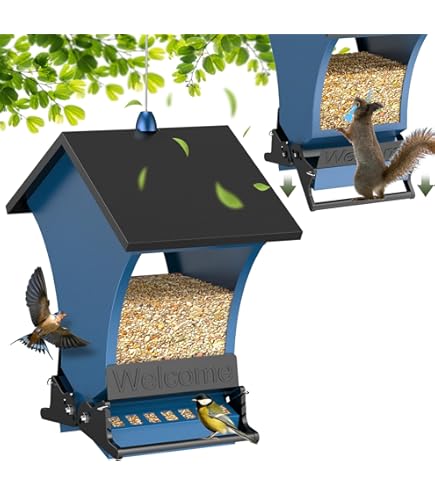
The More Birds Squirrel Lunch Box is a bird feeder designed to deter squirrels. Its clever design ensures birds can access food, while keeping squirrels at bay. This feeder’s unique features make it an excellent choice for maintaining a peaceful backyard environment, allowing birdwatchers to enjoy their hobby without squirrel interference.
How Does The Squirrel-proof Design Work?
The squirrel-proof design utilizes weight-sensitive mechanisms and strategic placement. When a squirrel attempts to access the feeder, its weight triggers a mechanism that closes the feeding ports. This ensures only birds can reach the food, effectively keeping squirrels away while allowing bird enthusiasts to enjoy uninterrupted birdwatching.
Is The Lunch Box Easy To Clean?
Yes, the More Birds Squirrel Lunch Box is easy to clean. Its detachable parts allow for quick disassembly and thorough cleaning. Regular maintenance is essential to ensure optimal performance and hygiene, providing a safe feeding environment for birds and prolonging the feeder’s lifespan.
What Types Of Birds Does It Attract?
The More Birds Squirrel Lunch Box attracts a variety of common backyard birds. These include finches, sparrows, and cardinals. Its design caters to small and medium-sized birds, providing an ideal feeding station. Bird enthusiasts can enjoy watching diverse bird species while keeping squirrels at bay.
Conclusion
More Birds Squirrel Lunch Box brings fun to outdoor meals. It keeps food safe from curious animals. Easy to carry and use anywhere. Perfect for picnics, hikes, or school lunches. It helps enjoy nature without worry. A simple way to protect your snacks.
Everyone who loves the outdoors will find it useful. Give your meals a little extra care. Savor your food without sharing with squirrels or birds. Try this lunch box for peaceful, happy meals outside.

Sophia Martinez is a culinary lifestyle writer and product reviewer for DiningGadgets.com. Passionate about blending style with functionality, she explores the latest dining essentials, kitchen décor, and cleaning hacks that transform everyday cooking spaces. With a background in home organization and design, Sophia brings readers expert advice on creating beautiful, practical kitchens that truly feel like the heart of the home.