Cold Packs for Lunch Boxes: Keep Meals Fresh Longer
Packing your lunch box can be a daily challenge, especially when you want your food to stay fresh and safe until mealtime. You might have faced soggy sandwiches or warm snacks that just don’t taste right.
That’s where cold packs for lunch boxes come in. They are simple, effective, and can make a big difference in keeping your meals cool and delicious. Curious how a small cold pack can change your lunchtime experience? Keep reading to discover the best options and tips that will make your lunchbox the envy of everyone around you.
Benefits Of Cold Packs
Cold packs keep lunch boxes cool and fresh for hours. They help protect your food from spoiling and maintain its quality. Using cold packs is a simple way to ensure meals stay safe and tasty throughout the day.
Extend Meal Freshness
Cold packs slow down the warming of food inside lunch boxes. They keep meals at a safe temperature longer. This prevents food from becoming stale or soggy. Freshness stays intact, making each bite enjoyable.
Prevent Bacterial Growth
Keeping food cold stops bacteria from growing quickly. Cold packs reduce the risk of foodborne illness. They help maintain a healthy eating environment in your lunch box. Safe food means peace of mind.
Maintain Food Texture And Flavor
Cold packs help preserve the original texture of meals. Crispy items stay crunchy, and fruits remain juicy. Flavors stay rich and appetizing without becoming bland. Cold packs keep food tasting just right.

Credit: www.amazon.ca
Types Of Cold Packs
Choosing the right cold pack can keep lunch fresh and safe. Different types fit different needs. Understanding these types helps pick the best one for any lunch box.
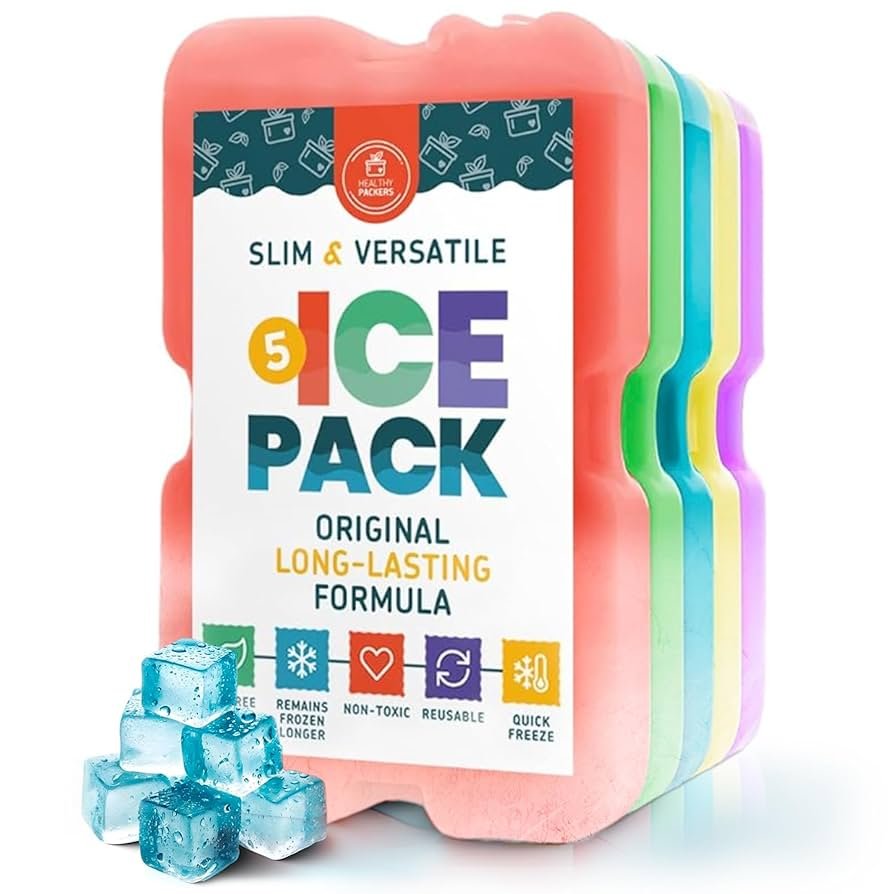
Gel Packs
Gel packs contain a thick gel that freezes solid but stays flexible. They fit well around food containers. Gel packs stay cold for a long time, making them ideal for long days. They do not drip when thawed, keeping lunch boxes dry.
Ice Packs
Ice packs are filled with water or ice crystals. They get very cold and stay frozen for a few hours. Ice packs can be heavier and less flexible than gel packs. They are effective for short trips or quick cooling.
Reusable Vs Disposable
- Reusable cold packs can be frozen and used many times.
- They save money over time and reduce waste.
- Disposable cold packs are single-use and thrown away after melting.
- They are convenient for one-time use or emergencies.
- Reusable packs are better for regular lunch packing.
Choosing The Right Cold Pack
Choosing the right cold pack for lunch boxes helps keep food fresh and safe. It balances size, safety, and ease of use. The right pack fits well inside the lunch box without adding too much weight. It also stays cold long enough to keep the food cool.
Size And Shape Considerations
Select a cold pack that matches the size of the lunch box. A pack too big may not fit properly. A pack too small may not keep food cold enough.
Flat and slim shapes fit better in most lunch boxes. They save space and allow more room for food. Rounded or bulky packs may take too much space.
Material Safety
Choose cold packs made from non-toxic materials. Check the label for food-safe certifications. Avoid packs with harmful chemicals inside.
Look for packs with durable plastic covers. They prevent leaks and damage. Soft covers can be more comfortable but may tear easily.
Freezing And Usage Tips
- Freeze cold packs for at least 6 hours before use.
- Place the pack in the freezer flat for even freezing.
- Wrap the pack in a cloth to avoid direct contact with food.
- Use multiple small packs for longer cooling instead of one big pack.
- Replace or refreeze packs daily for best freshness.

Credit: www.amazon.ca
Packing Tips For Lunch Boxes
Packing a lunch box that stays fresh and tasty can be tricky without the right approach. Cold packs are a game changer, but how you arrange your food and choose your lunch box matters just as much. Let’s dig into some practical packing tips that keep your meals cool and enjoyable all day long.
Layering Food And Cold Packs
Think of your lunch box like a mini fridge. Place cold packs strategically to keep everything chilled evenly. Start by putting a cold pack at the bottom, then add items that need to stay cold the most, like dairy or meats.
Next, layer in fruits, veggies, or snacks that are less sensitive to temperature changes. Keep sandwiches or wraps on top, separated by wax paper to avoid sogginess. Have you noticed how some foods get warm faster? Positioning cold packs close to those items slows that down.
Insulated Lunch Box Options
Not all lunch boxes are created equal. Insulated lunch bags and boxes with thick walls trap cold air better than thin plastic containers. Look for options with reflective linings or extra padding for longer freshness.
Some bags come with built-in compartments designed specifically for cold packs. This keeps your food and ice packs from squishing each other. Have you tried soft-sided insulated bags? They’re flexible and fit neatly into backpacks, making them ideal for busy days.
Timing For Maximum Freshness
When you pack your lunch can affect how fresh it stays. Adding cold packs just before you leave ensures they’re at their coldest. If you prep your lunch the night before, store it in the fridge until you’re ready to head out.
Also, consider how long your lunch will sit before eating. If it’s several hours, double up on cold packs or choose lunch boxes with better insulation. Have you ever had a lunch that tasted off because it got warm too soon? Timing your packing right can prevent that.
Diy Cold Pack Alternatives
Keeping lunch boxes cool is essential for fresh and safe meals. DIY cold pack alternatives offer simple and cheap solutions. These options are easy to make and reuse.
They help maintain the right temperature without buying special packs. You can find materials around the house or use natural cooling tricks. Here are some effective ideas to try.
Frozen Vegetables
Frozen vegetables work well as instant cold packs. Use a small bag of peas or corn. They mold easily around food containers. Plus, they stay cold for a long time.
Place the frozen bag directly in the lunch box. After use, return it to the freezer. This method saves money and reduces waste.
Homemade Gel Packs
Homemade gel packs are simple to create with common ingredients. Mix water, rubbing alcohol, and a bit of salt. Pour the mix into a sealable plastic bag. Freeze it for a few hours.
This gel stays flexible and cold. It fits well in lunch boxes and cushions food. You can make packs in different sizes. They are reusable and eco-friendly.
Natural Cooling Methods
Natural cooling methods use materials that keep food fresh. Wrap food in damp cloth or paper towels. The evaporation cools the lunch box slightly. Using insulated lunch bags also helps retain cold.
Adding a small ice cube inside a sealed container works too. These methods are chemical-free and safe for kids. They provide gentle cooling for short periods.
Maintaining And Cleaning Cold Packs
Cold packs keep lunch fresh and safe. Proper care helps them last longer and work well. Clean and maintain cold packs regularly to avoid leaks and odors. Safe handling keeps them ready for daily use.
Proper Storage
Store cold packs in a cool, dry place when not in use. Avoid direct sunlight to prevent damage. Keep them flat to maintain shape and avoid punctures. Use a sealed bag to protect from dirt and dust.
Sanitizing Techniques
Wipe cold packs with a damp cloth and mild soap after use. Rinse with clean water to remove soap residue. Dry completely before storing to prevent mold. Avoid harsh chemicals that can harm the pack’s material.
Avoiding Damage
- Do not puncture or cut cold packs; contents can leak.
- Keep away from sharp objects and rough surfaces.
- Do not microwave or freeze unless instructions allow.
- Check for leaks or cracks regularly and replace if damaged.

Credit: www.amazon.ca
Frequently Asked Questions
What Are The Benefits Of Using Cold Packs In Lunch Boxes?
Cold packs keep food fresh by maintaining a safe temperature. They prevent spoilage and bacterial growth. This ensures meals stay tasty and safe until lunchtime. Cold packs are reusable, eco-friendly, and cost-effective for daily use.
How Long Do Cold Packs Keep Lunch Boxes Cool?
Most cold packs can keep lunch boxes cool for 3 to 6 hours. The duration depends on the pack size and insulation quality. Proper freezing before use enhances effectiveness. Using high-quality packs ensures longer cooling periods.
Are Cold Packs Safe For All Types Of Lunch Boxes?
Yes, cold packs are safe for plastic, metal, and insulated lunch boxes. They don’t leak or damage containers when used properly. Ensure the pack is fully frozen and sealed to avoid moisture inside the box.
Can Cold Packs Prevent Food From Spoiling In Lunch Boxes?
Yes, cold packs significantly reduce the risk of spoilage. They maintain a low temperature that slows bacterial growth. This keeps perishable foods fresh and safe to eat for hours.
Conclusion
Cold packs keep lunch fresh and safe all day long. They help stop food from spoiling quickly. Easy to use and carry, they fit well in any lunch box. Kids and adults both enjoy cool, tasty meals. Choose the right cold pack for your needs.
Stay healthy and enjoy your lunch every time. Cold packs make lunchtime better and stress-free. Simple, smart, and effective—why not give them a try?

Sophia Martinez is a culinary lifestyle writer and product reviewer for DiningGadgets.com. Passionate about blending style with functionality, she explores the latest dining essentials, kitchen décor, and cleaning hacks that transform everyday cooking spaces. With a background in home organization and design, Sophia brings readers expert advice on creating beautiful, practical kitchens that truly feel like the heart of the home.