Healthy Lunch Box Letter to Parents: A Guide to Nutritious Choices
Are you struggling to pack a lunch box that’s both healthy and appealing for your child? You want to give your little one the best fuel to stay energized and focused throughout the school day.
But sometimes, finding the right balance between nutrition and taste feels overwhelming. This letter to parents will guide you step-by-step on how to create a healthy lunch box your child will actually enjoy. Keep reading to discover simple tips that make a big difference for your child’s health and happiness.
Credit: www.twinkl.com.cn
Importance Of Healthy Lunches
Healthy lunches play a key role in a child’s daily life. They provide essential nutrients that help children grow strong and stay active. Choosing the right foods can shape good eating habits early on.
Parents can support their children by packing balanced meals. Healthy lunches help kids stay alert and ready to learn. They also reduce the risk of health problems later in life.
Impact On Child’s Growth
Children need vitamins and minerals to grow properly. Healthy lunches supply these nutrients in the right amounts. Protein builds muscles, while calcium strengthens bones.
Without proper nutrition, growth may slow down. A balanced meal supports brain development too. This helps children reach their full potential.
Boosting Energy And Focus
Food is fuel for the body and mind. Nutritious lunches provide steady energy throughout the school day. This helps children stay focused in class.
Foods rich in whole grains and fruits release energy slowly. This prevents tiredness and improves concentration. Avoid sugary snacks that cause quick energy drops.
Preventing Childhood Obesity
Childhood obesity can lead to serious health issues. Healthy lunches help control weight by offering balanced portions. Fresh vegetables, fruits, and lean proteins fill children up without extra fat.
Encouraging healthy eating habits reduces the chance of obesity. It sets the stage for a healthier adult life. Parents play a vital role in this process.

Credit: www.teacherspayteachers.com
Key Nutrients For Kids
Understanding the key nutrients your child needs helps you pack a lunch box that supports their growth and energy throughout the school day. Kids require a balanced mix of proteins, vitamins, minerals, fats, and carbohydrates to stay active, focused, and healthy. Let’s break down these nutrients so you can choose foods that truly benefit your little ones.
Proteins For Muscle Development
Proteins are the building blocks of strong muscles and tissues. Including good protein sources like lean chicken, eggs, beans, or yogurt in your child’s lunch helps repair and build muscle after play and physical activities.
Think about your own energy levels after eating—protein keeps kids feeling full longer and supports steady growth. How often do you add a protein-rich item to the lunchbox? Even simple options like cheese slices or peanut butter can make a big difference.
Vitamins And Minerals
Vitamins and minerals act like tiny helpers inside the body, boosting the immune system and ensuring organs function well. Fresh fruits and colorful vegetables are perfect sources, packed with vitamin C, iron, calcium, and more.
Try adding carrot sticks, cherry tomatoes, or apple slices to the lunchbox for a vitamin boost. Have you noticed how a variety of colors in food often means a wider range of nutrients? Encourage kids to enjoy these vibrant options every day.
Healthy Fats And Carbohydrates
Healthy fats provide essential energy and support brain development. Foods like avocado, nuts, and olive oil are great choices to include in your child’s meal.
Carbohydrates fuel your child’s busy day but focus on whole grains like brown rice, whole wheat bread, or oats instead of sugary snacks. What’s your go-to carb source that keeps your child energized without a crash? Choosing the right carbs can make all the difference in their focus and mood.
Smart Food Choices
Choosing smart foods for your child’s lunch box helps them stay healthy and focused. Balanced meals give energy and support growth. Simple food swaps make a big difference in nutrition. Here are easy ideas to pack a healthy lunch.
Fruits And Vegetables
Fresh fruits and vegetables provide vitamins and fiber. Include colorful options like apple slices, carrot sticks, or berries. These add natural sweetness and crunch. Serve raw or lightly steamed to keep nutrients.
Whole Grains
Whole grains offer lasting energy and keep kids full longer. Choose brown rice, whole wheat bread, or oatmeal. These contain more fiber and nutrients than refined grains. Swap white bread for whole grain to boost health.
Lean Proteins
Lean proteins help build muscles and repair tissue. Pack grilled chicken, turkey, beans, or tofu. Avoid fried or processed meats high in fat and salt. Protein keeps children alert and supports growth.
Dairy Alternatives
Dairy alternatives provide calcium and vitamins for strong bones. Use almond, soy, or oat milk products. Choose unsweetened versions to reduce sugar intake. Yogurt or cheese alternatives work well in lunch boxes.
Tips For Packing Balanced Lunches
Packing a balanced lunch helps children stay healthy and focused. It supports their growth and energy throughout the day. Parents can create meals that are nutritious and enjoyable. Small changes in lunch packing make a big difference. Here are some simple tips to guide you.
Portion Control
Serve lunch in appropriate amounts. Use small containers or bento boxes. Avoid overfilling to prevent waste and overeating. Balance protein, carbs, and vegetables in each meal. Proper portions keep kids satisfied and energized.
Variety And Color
Include different food types and colors. Bright fruits and vegetables catch children’s attention. Variety provides a range of nutrients. Rotate foods to keep lunches exciting and healthy. Mix textures like crunchy, soft, and juicy.
Avoiding Processed Foods
Choose fresh and natural foods over processed items. Processed foods often have added sugars and salt. Fresh fruits, vegetables, nuts, and whole grains are better choices. Minimizing processed snacks supports better health and digestion.
Incorporating Hydration
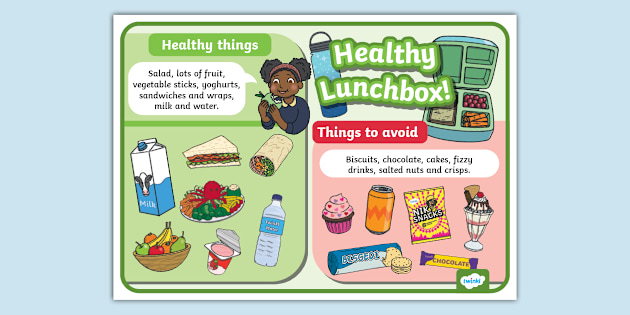
Include a water bottle in the lunch box. Encourage children to drink water throughout the day. Avoid sugary drinks like soda or fruit juices. Proper hydration helps concentration and physical activity. Water is the best drink for kids.
Encouraging Healthy Habits
Encouraging healthy habits at home sets the foundation for your child’s long-term well-being. It’s not just about packing a nutritious lunch box but about creating routines and knowledge that make healthy choices natural and enjoyable. How can you make these habits stick without turning mealtime into a chore?
Involving Kids In Preparation
Let your children take part in choosing and preparing their lunch. When kids help pick fruits, vegetables, or snacks, they feel more excited about eating them.
Try simple tasks like washing veggies, spreading hummus, or assembling sandwiches together. This involvement builds ownership and teaches them about different foods.
Ask them what they want to add to their lunch, balancing favorites with new healthy options. Does your child have a favorite vegetable they might want to try in a new way?
Setting Consistent Meal Times
Regular meal times help regulate hunger and prevent overeating or snacking on unhealthy foods. Keep lunch around the same time every day to build a predictable routine.
This consistency teaches your child’s body when to expect fuel, improving digestion and energy levels for the afternoon. You might notice your child becomes less cranky and more focused after lunch.
Think about your current schedule—are lunch times flexible or rushed? Adjusting mealtime could improve your child’s eating habits more than you realize.
Educating About Nutrition
Talk to your child about why certain foods are good for them in simple, clear terms. Instead of saying “eat your veggies,” explain how carrots help their eyesight or how protein makes muscles strong.
Use colorful charts or fun stories to make nutrition relatable. You might create a “superfood” list together to spark interest.
Encourage questions and curiosity about food. What questions does your child ask about what they eat? Use those moments to build their understanding and positive attitude toward healthy eating.
Sample Lunch Box Ideas
Creating a healthy lunch box can feel challenging, especially when you want to keep your child excited about their meal. The key lies in balancing nutrition with flavors your child enjoys. Here are some sample lunch box ideas that make packing lunches easier and more effective for your child’s well-being.
Quick And Nutritious Options
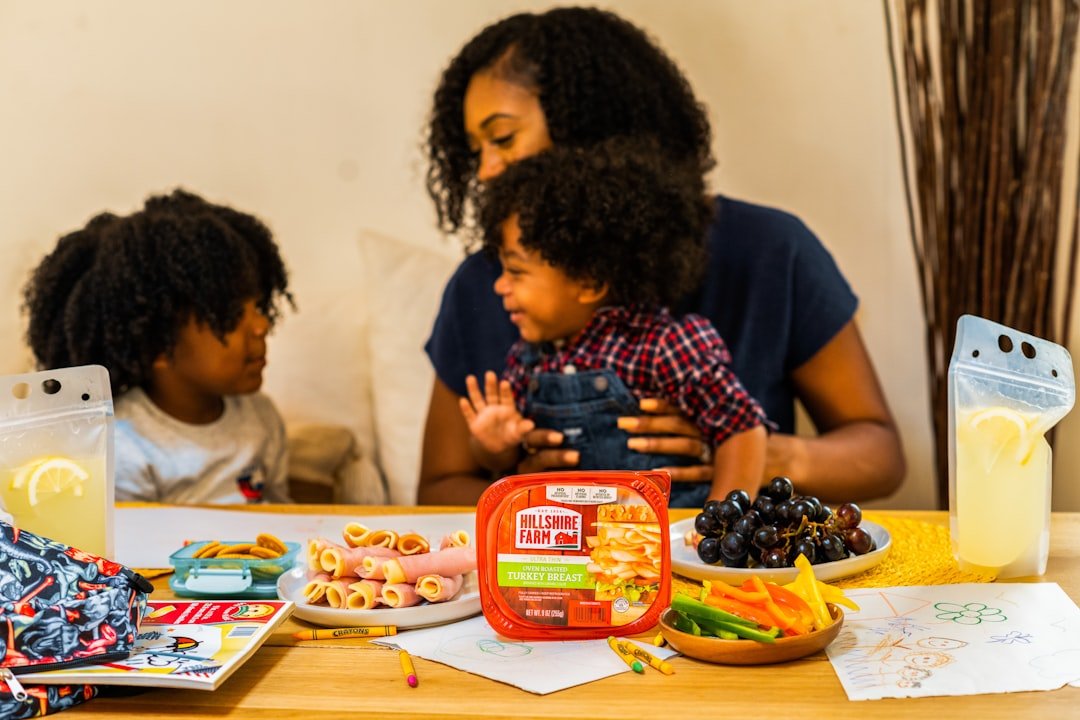
Sometimes mornings are rushed, but that doesn’t mean your child’s lunch has to suffer. Simple items like whole-grain sandwiches with lean turkey or hummus paired with carrot sticks can be ready in minutes.
Adding a fruit, such as apple slices or a small bunch of grapes, boosts vitamins without extra prep time. Have you tried prepping portions of nuts or cheese cubes the night before? It saves time and keeps the lunch balanced.
Allergy-friendly Choices
Dealing with allergies can limit options, but it also sparks creativity. Swap peanuts for sunflower seed butter or offer chickpea salad instead of egg salad for protein-rich, safe alternatives.
Rice cakes with avocado spread or a mix of fresh veggies like cucumber and cherry tomatoes work well for sensitive eaters. How can you make sure your child feels included with their lunch? Offering tasty, allergy-safe treats helps.
Kid-approved Snacks
Kids often want snacks that are fun and easy to eat. Mini whole-wheat pita pockets stuffed with cream cheese and berries are a hit in my house.
Homemade trail mix with dried fruit, pretzels, and a sprinkle of dark chocolate chips also scores big points. What snacks does your child ask for repeatedly? Including favorites alongside new healthy options encourages them to enjoy lunchtime.
Communicating With Parents
Clear and open communication with parents is key to promoting healthy eating habits in children. When you connect with parents thoughtfully, you build trust and encourage teamwork. This partnership helps ensure that the lunch box reflects shared nutritional values and supports the child’s well-being.
Sharing Nutritional Goals
Start by explaining the specific nutritional goals you aim to achieve with the lunch box. Are you focusing on balanced meals, reducing sugar, or adding more fruits and vegetables? Sharing this information helps parents understand the purpose behind your guidelines and motivates them to participate actively.
Try sending a simple chart or checklist highlighting the main food groups to include. For example:
| Food Group | Recommended Servings | Examples |
|---|---|---|
| Fruits | 1-2 servings | Apple slices, berries, orange segments |
| Vegetables | 1-2 servings | Carrot sticks, cucumber slices, cherry tomatoes |
| Proteins | 1 serving | Boiled eggs, cheese cubes, lean meat |
| Whole Grains | 1 serving | Whole wheat bread, brown rice, quinoa |
Addressing Concerns And Preferences
Parents often have concerns about allergies, dietary restrictions, or their child’s food preferences. Invite them to share these openly so you can tailor suggestions accordingly. This approach shows respect for their unique needs and builds collaboration.
Ask questions like:
- Does your child have any food allergies or sensitivities?
- Are there cultural or religious foods you prefer included or avoided?
- What are your child’s favorite and least favorite foods?
Understanding these details helps prevent frustration and encourages parents to feel heard. You might discover creative alternatives that keep lunches exciting and safe.
Providing Resources And Support
Parents may appreciate extra help with ideas and recipes that fit your nutritional goals. Offer resources such as easy-to-make lunch ideas, printable shopping lists, or tips for packing lunches efficiently. This practical support makes healthy eating less overwhelming.
Consider sharing links to trusted websites or apps that offer meal planning tools. You could even organize a workshop or send out a monthly newsletter with new ideas.
Have you noticed how a small tip or recipe can inspire a parent to try something new? Providing these tools empowers families to take positive steps toward healthier lunches every day.
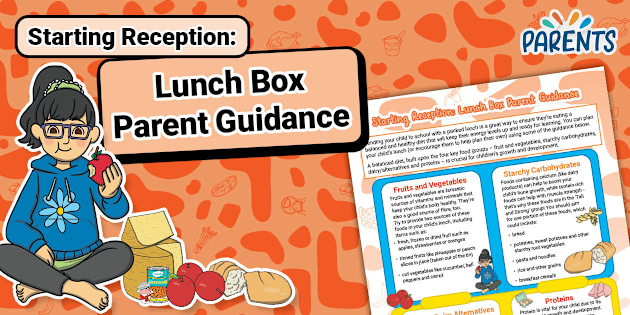
Credit: www.twinkl.com.hk
Frequently Asked Questions
What Are Healthy Lunch Box Ideas For Kids?
Healthy lunch boxes include fruits, veggies, whole grains, and lean proteins. Avoid sugary snacks and processed foods. Incorporate colorful, fresh ingredients to boost nutrition and appeal.
How Can Parents Encourage Kids To Eat Healthy Lunches?
Parents can involve kids in meal planning and preparation. Offer a variety of tasty, nutritious options. Praise healthy choices and avoid forcing foods to create positive mealtime experiences.
Why Is A Balanced Lunch Important For Children?
A balanced lunch provides energy, supports growth, and improves concentration. It prevents hunger-related distractions and promotes healthy eating habits that last a lifetime.
How To Pack A Nutritious Lunch Box Quickly?
Prepare ingredients in advance, use leftovers creatively, and choose easy-to-pack items like nuts and fruits. Keep portions balanced with proteins, carbs, and vegetables for a quick, healthy lunch.
Conclusion
Packing a healthy lunch helps children grow strong and stay focused. Balanced meals give them energy for learning and playing. Parents play a big role in choosing fresh and nutritious foods. Simple changes can make a big difference in kids’ health.
Let’s work together to create lunch boxes full of good choices. A healthy lunch starts with care and thoughtful planning. Small steps today lead to healthier habits tomorrow. Keep encouraging your child to enjoy wholesome foods every day.

Sophia Martinez is a culinary lifestyle writer and product reviewer for DiningGadgets.com. Passionate about blending style with functionality, she explores the latest dining essentials, kitchen décor, and cleaning hacks that transform everyday cooking spaces. With a background in home organization and design, Sophia brings readers expert advice on creating beautiful, practical kitchens that truly feel like the heart of the home.