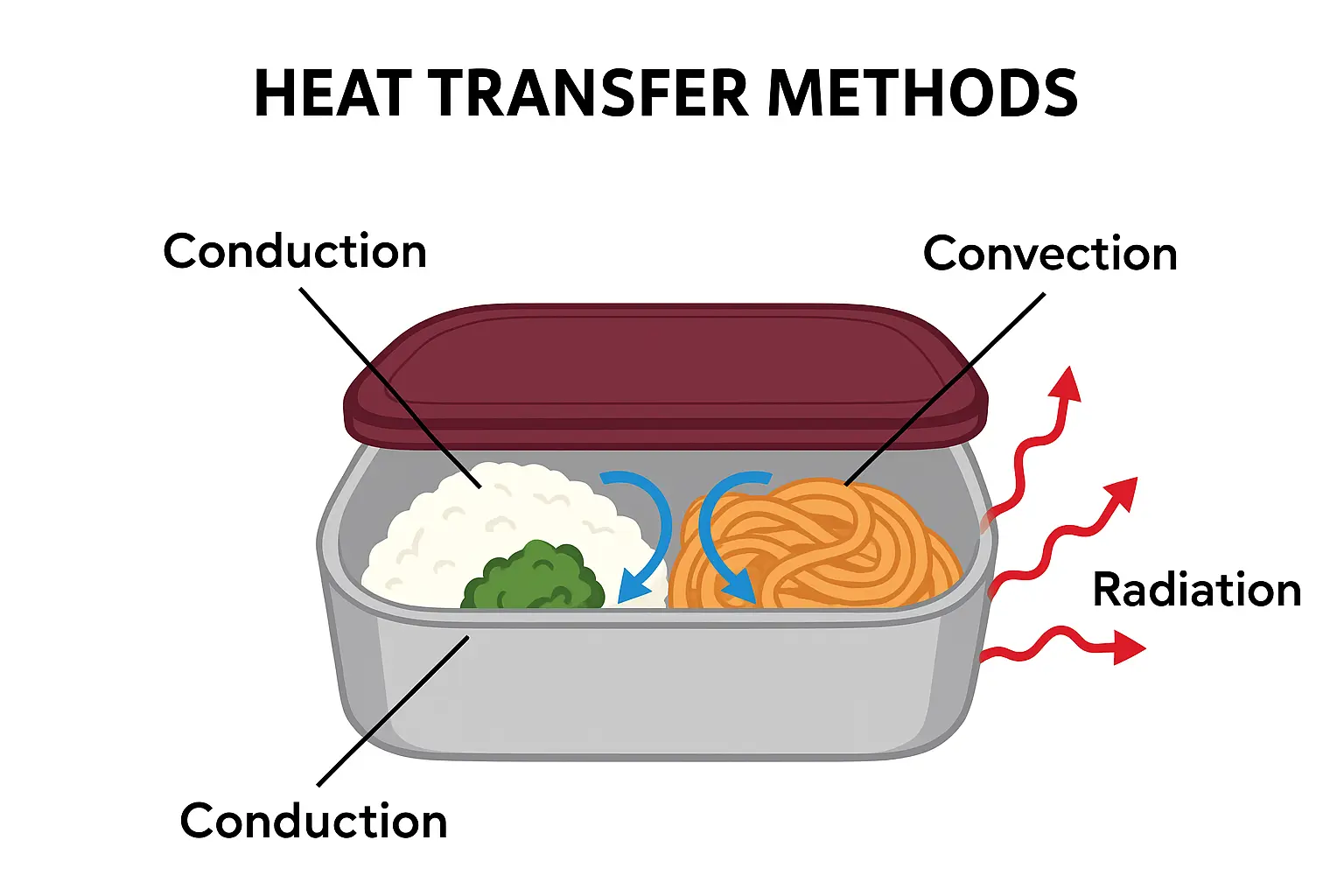
How to Keep Lunch Warm in Lunch Box: Expert Tips
Are you tired of opening your lunch box to find your meal cold and unappetizing? Keeping your lunch warm can make a huge difference in how much you enjoy your meal, whether you’re at work, school, or on the go.
Imagine biting into a perfectly heated dish that tastes just like it did when you made it. You’ll discover simple, effective ways to keep your lunch warm all day long. Say goodbye to lukewarm meals and hello to delicious, satisfying lunches every time! Keep reading to find out how easy it is to enjoy a warm meal wherever you are.
Choosing The Right Lunch Box
Choosing the right lunch box plays a crucial role in keeping your food warm throughout the day. It’s not just about looks or size; the design and materials of the lunch box can significantly impact how long your meal stays at the perfect temperature. Let’s look at some practical options and what you should consider before making your choice.
Insulated Lunch Boxes
Insulated lunch boxes are designed with special layers that trap heat inside, helping your food stay warm for hours. They usually have foam or fabric insulation that acts like a barrier against cold air. If you often find your lunch getting cold too quickly, switching to an insulated box might be the easiest fix.
Think about how long you need your lunch to stay warm. Some insulated boxes keep food warm for up to 4-6 hours, which is perfect for a typical workday or school schedule. A personal tip: I once used an insulated lunch box during a long day outdoors, and my soup stayed hot well past lunchtime.
Thermal Containers
Thermal containers, often called food thermoses, are excellent if you want to keep liquids or meals hot for an extended period. They usually have a vacuum-sealed design that prevents heat from escaping. This type is perfect for soups, stews, or even pasta dishes.
One thing to consider is the size and shape of the container. Smaller, wide-mouth thermal containers are easier to fill and eat from directly, while taller ones hold more but can be trickier to clean. Have you ever struggled with a lunch container that leaks or is hard to open? Choosing a quality thermal container can solve these frustrations.
Material Considerations
The material of your lunch box affects both heat retention and durability. Stainless steel is a great choice for thermal containers because it holds heat well and is easy to clean. Plastic lunch boxes can be insulated but often don’t retain heat as long as metal options.
Also, consider if the materials are BPA-free and safe for food storage. Some fabrics used in insulated lunch bags can absorb odors or stains, so look for washable options. What’s your priority—long-lasting heat, ease of cleaning, or lightweight design? Your answer will guide the best material choice.
Preheating Techniques
Keeping your lunch warm until mealtime can make a huge difference in how much you enjoy it. Preheating your lunch box or using heat-retaining tools are practical ways to maintain that cozy temperature. These preheating techniques are simple to apply and can fit easily into your daily routine.
Warming The Container
Before adding your food, try warming up the lunch box itself. Pour hot water into the container and let it sit for a few minutes. This warms the interior and helps keep your meal hot longer.
After warming, empty the water and immediately place your hot food inside. This small step creates a warm environment that slows down heat loss. I started doing this and noticed my soup stayed warm throughout the afternoon.
Using Hot Packs
Hot packs are a great addition to your lunch box to maintain warmth. You can find reusable gel packs that you heat in hot water or microwave, then place alongside your food.
- Heat the packs according to instructions.
- Wrap them in a cloth to avoid direct contact with food.
- Place them on top or beside your container inside the lunch bag.
This method is especially useful if your lunch box isn’t insulated well. Have you tried using hot packs before? They can make a noticeable difference, especially on cold days or when you have a long commute.
Packing Tips For Heat Retention
Keeping your lunch warm until you’re ready to eat can make a huge difference in your mealtime experience. The way you pack your lunch plays a crucial role in retaining heat. Simple adjustments to how you arrange and seal your food can keep it warm for hours.
Layering Food Properly
Start by placing the hottest items at the bottom of your lunch box. This traps heat and prevents it from escaping quickly. Cooler or room-temperature foods should go on top to avoid losing warmth.
Use containers that fit snugly inside your lunch box. This limits air movement, which can cool your food faster. Think about packing dense foods like rice or pasta first, then add lighter items like steamed veggies on top.
Sealing And Wrapping
Proper sealing is key to keeping heat inside. Use airtight containers or wrap your food tightly with foil or reusable beeswax wraps. This creates a barrier that holds steam and warmth.
Consider wrapping your lunch box itself in a cloth or using an insulated lunch bag. These extra layers slow down heat loss. Have you tried using a hot water bottle or heat pack alongside your lunch? It can make a surprising difference.

Credit: www.amazon.com
Using Heat Packs And Warmers
Keeping your lunch warm until it’s time to eat can be tricky, especially if you don’t have access to a microwave at work or school. Using heat packs and warmers inside your lunch box offers a simple and effective way to maintain the temperature of your meal. These tools are easy to use, portable, and can fit nicely alongside your food containers.
Types Of Heat Packs
You’ll find several kinds of heat packs designed to keep your lunch warm:
- Reusable Gel Packs:These can be heated in hot water or a microwave and used repeatedly. They stay warm for a few hours, making them perfect for daily use.
- Instant Heat Packs:Activated by snapping a small metal disc inside the pack, they generate heat without needing a microwave or stove. Great for on-the-go warming.
- Electric Lunch Box Warmers:These plug into a power source and maintain heat for hours. Ideal if you have access to an outlet during lunch breaks.
Which type suits your routine depends on your access to heating sources and how long you want to keep your food warm.
Safe Usage Guidelines
Using heat packs safely is crucial to avoid burns or damaging your lunch box. Always follow the manufacturer’s instructions on heating times and temperatures.
Never place heat packs directly on your skin or food; wrap them in a cloth or place them in a separate compartment of your lunch box. This prevents overheating and keeps your meal safe to eat.
Check heat packs regularly for leaks or damage. If you notice any wear, replace them to avoid spills or chemical exposure.
Have you ever felt frustrated when your lunch was cold despite using a heat pack? Sometimes, small safety tweaks can make a big difference in warming your food effectively and safely.
Alternative Methods To Keep Food Warm
Keeping your lunch warm can be a challenge, especially if you’re away from home for hours. Luckily, there are several alternative methods that go beyond the traditional insulated lunch box. These options offer convenience and efficiency, helping you enjoy a hot meal no matter where you are.
Thermos Flasks
Thermos flasks are a classic choice for keeping food warm. Their vacuum insulation traps heat inside, maintaining the temperature for hours. You can pack soups, stews, or even hot rice dishes without worrying about them cooling down too quickly.
One tip is to preheat the thermos with hot water before adding your food. This small step can make a big difference in how long your meal stays warm. Have you ever noticed how your soup stays piping hot longer when you do this?
Thermos flasks are also leak-proof, making them perfect for carrying liquids. Plus, they’re easy to clean and reuse, so they’re eco-friendly too.
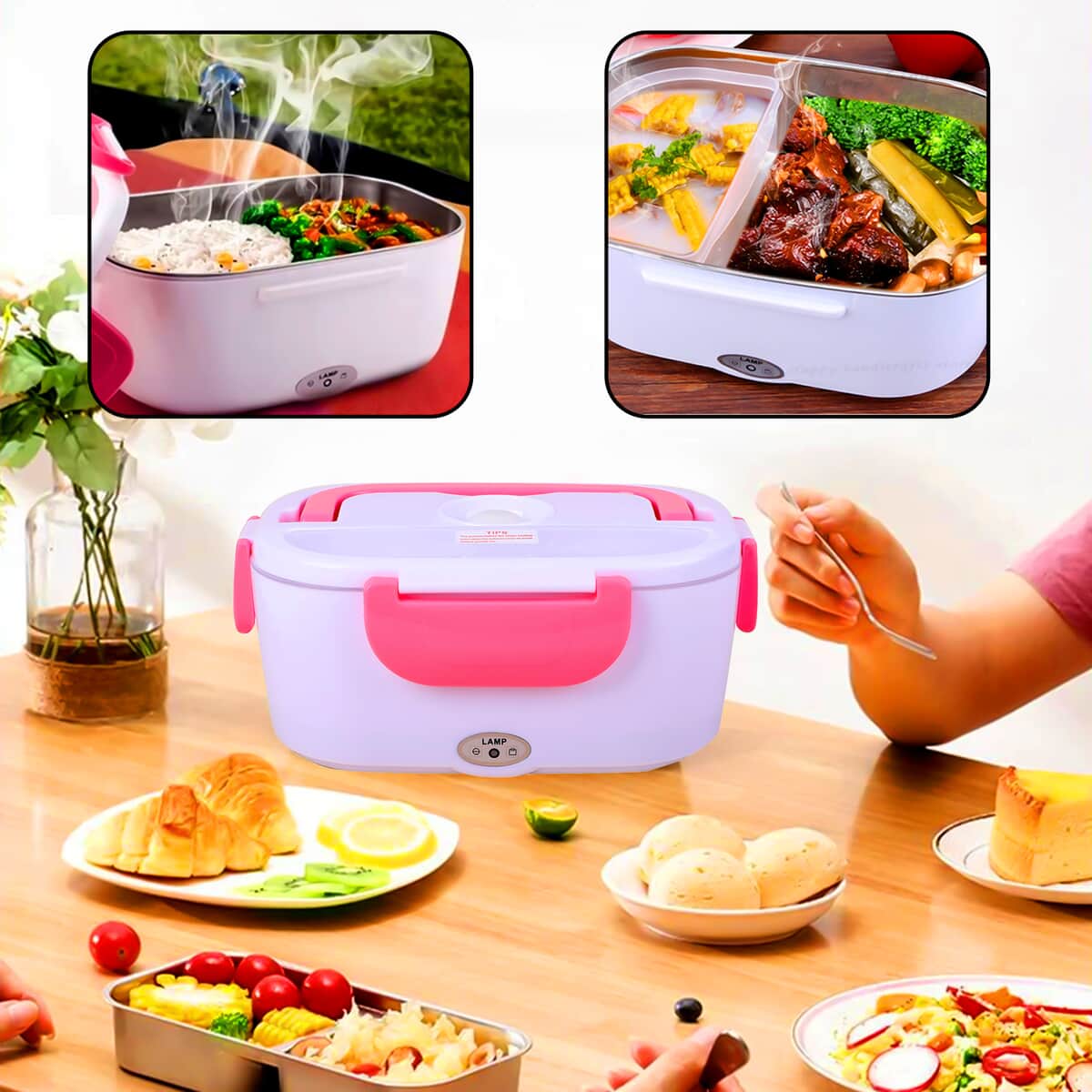
Electric Lunch Boxes
Electric lunch boxes are a game-changer if you have access to a power source during the day. They plug into a car outlet or USB port and gently heat your food. This means you can enjoy a freshly warmed meal without needing a microwave.
These lunch boxes usually have separate compartments, so you can pack a full meal without mixing flavors. They’re especially handy for those long office days or road trips.
Keep in mind, electric lunch boxes need a reliable power source to work. So, think about your routine—do you have access to charging points? If yes, this could be your best bet for a warm lunch anywhere.
Credit: ricebarrels.com
Maintaining Food Safety
Keeping your lunch warm is important, but food safety is even more critical. Warm food can spoil quickly if not handled correctly. Bacteria grow fast between certain temperatures. Knowing how to keep food safe prevents illness and keeps meals tasty.
Temperature Guidelines
Food should stay above 140°F (60°C) to remain safe. Below this, bacteria can grow quickly. Use insulated lunch boxes or thermal containers to keep heat. If food cools down too much, reheat it properly before eating. Avoid leaving food out at room temperature for more than two hours.
Avoiding Bacterial Growth
Bacteria multiply fast in the “danger zone” between 40°F and 140°F (4°C to 60°C). Keep hot foods hot and cold foods cold. Pack food in containers that seal tightly to prevent contamination. Wash your hands and lunch box regularly. Use ice packs for cold items and heat-retaining containers for warm meals.
Cleaning And Maintenance Tips
Keeping your lunch box clean is key to maintaining its warmth and hygiene. Dirt and food residues can affect insulation. Regular cleaning helps keep your lunch box fresh and odor-free.
Proper care also extends the life of your lunch box. Follow simple cleaning and storage steps to protect its materials and seals. This ensures your meals stay warm longer.
Proper Cleaning Of Insulated Containers
Use warm water and mild soap to clean the container. Avoid harsh chemicals that can damage the insulation. Use a soft sponge or cloth to wipe all surfaces gently.
Remove any rubber seals or lids and clean them separately. Let all parts dry completely before reassembling. This prevents mold and bad smells.
- Do not put insulated containers in the dishwasher unless labeled safe.
- For tough stains, use a baking soda paste to scrub gently.
- Clean immediately after use to avoid food residue hardening.
Storing Lunch Boxes
Store lunch boxes in a dry place with the lid off. This allows air to circulate and prevents moisture buildup. Moisture can cause unpleasant odors and damage insulation.
Keep lunch boxes away from direct sunlight and heat sources. High temperatures can weaken seals and materials. Store them fully dry to avoid rust or mold.
- Check seals regularly for cracks or damage.
- Replace worn-out parts to maintain proper insulation.
- Use a dedicated shelf or drawer for lunch box storage.

Credit: www.amazon.com
Frequently Asked Questions
How Can I Keep Lunch Warm In A Lunch Box?
Use insulated lunch boxes to retain heat effectively. Preheat the container with hot water before packing food. Wrap food in foil or use heat packs for extra warmth.
What Materials Best Retain Heat In Lunch Boxes?
Stainless steel and insulated materials like neoprene keep food warm longer. These materials prevent heat loss and maintain temperature efficiently.
Is Using Heat Packs Safe In Lunch Boxes?
Yes, heat packs designed for food containers are safe. They provide consistent warmth and are reusable, making them eco-friendly and convenient.
Can I Use A Thermos To Keep Lunch Warm?
Absolutely, thermoses are excellent for soups, stews, and hot meals. They keep food warm for several hours without reheating.
Conclusion
Keeping your lunch warm in a lunch box is simple with the right steps. Use insulated containers to hold heat longer. Preheat your lunch box by adding hot water first. Wrap food tightly with foil or cloth for extra warmth.
Choose foods that keep heat well, like soups or stews. These small tips help your meal stay tasty and warm until lunchtime. Enjoy warm meals every day, no matter where you are. Simple actions make a big difference in your lunch experience.

Sophia Martinez is a culinary lifestyle writer and product reviewer for DiningGadgets.com. Passionate about blending style with functionality, she explores the latest dining essentials, kitchen décor, and cleaning hacks that transform everyday cooking spaces. With a background in home organization and design, Sophia brings readers expert advice on creating beautiful, practical kitchens that truly feel like the heart of the home.