Antique Coal Miners Lunch Box: Timeless Treasures Revealed
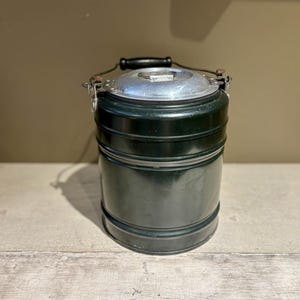
Have you ever wondered what lunch looked like for coal miners decades ago? The antique coal miners lunch box is more than just a container—it’s a piece of history that tells a story about hard work, resilience, and daily life underground.
If you’re curious about these unique relics or thinking about adding one to your collection, this article will reveal everything you need to know. From their design to the stories they carry, your connection to the past starts here. Keep reading to discover why these lunch boxes are so special and how they continue to capture the imagination of collectors and history lovers alike.
Credit: www.etsy.com
History Of Coal Miners Lunch Boxes
Coal miners lunch boxes tell a story of hard work and daily survival. These boxes carried more than food; they held a miner’s lifeline during long, tough shifts underground. Over time, their design and materials changed, reflecting shifts in mining technology and culture.
Understanding their history offers a glimpse into the miners’ world. It shows how simple items became symbols of strength and community.
Early Designs And Materials
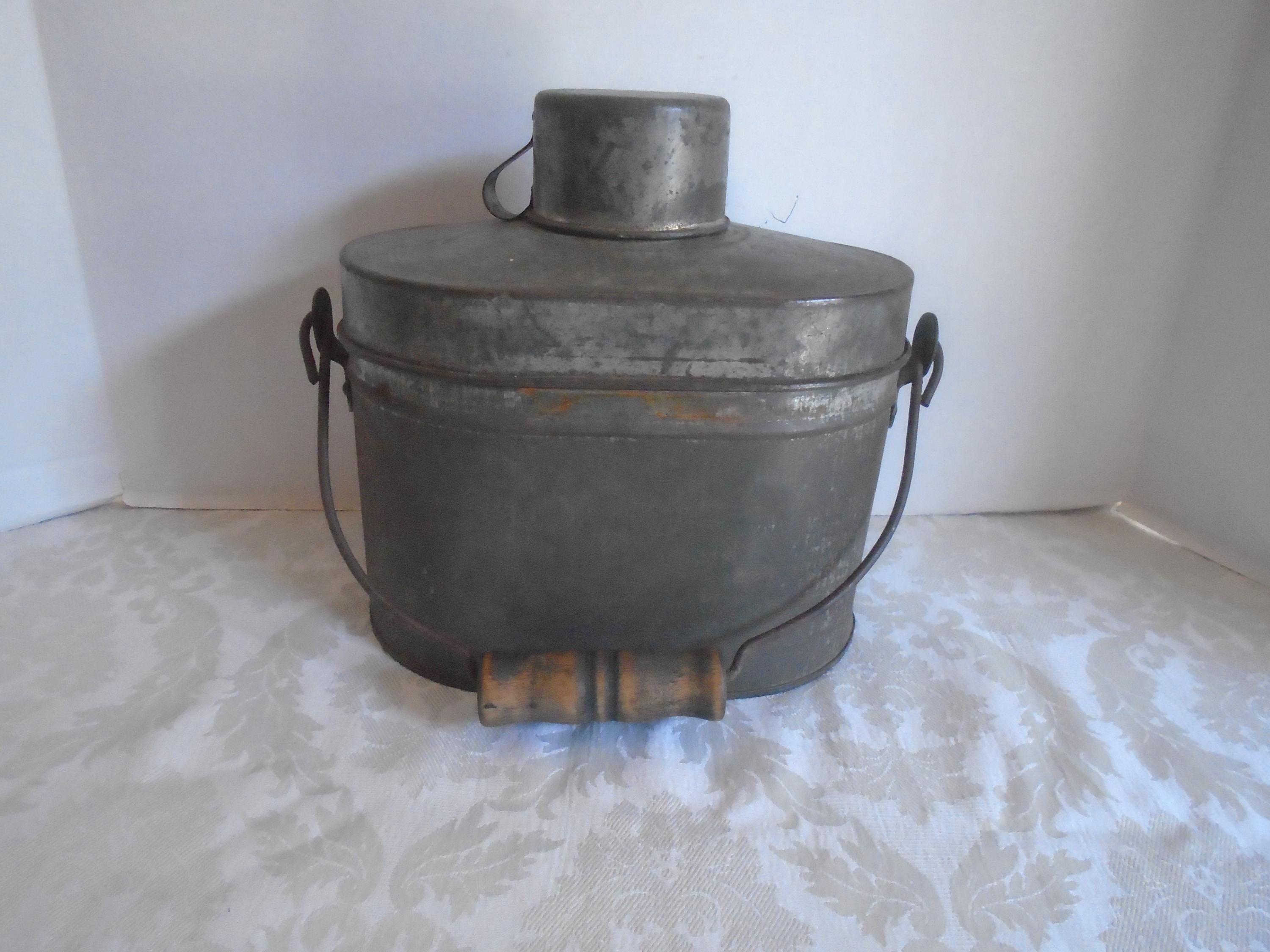
Early lunch boxes were simple and practical. Miners used wooden boxes or metal tins to carry their meals. These containers were sturdy enough to protect food from dirt and damage. Some miners even used repurposed biscuit tins or lunch pails made from leather straps and wood.
The focus was on durability and ease of use. Designs had to withstand the harsh mine environment and keep food fresh for hours.
Evolution Through The Decades
By the early 1900s, metal lunch boxes became more common. Steel and tin were popular materials. Manufacturers added handles and clasps for easier carrying. Designs grew more standardized and sometimes featured company logos or miner’s names.
In the mid-20th century, lunch boxes began to include compartments. This change helped keep different foods separate. Over the years, designs also became more colorful and detailed, reflecting trends outside the mines.
Significance In Mining Culture
Lunch boxes were more than food carriers. They were a symbol of identity and pride. Each miner’s lunch box represented their hard work and community ties. Often, miners personalized their boxes with stickers, engravings, or paint.
Sharing meals from these boxes built camaraderie underground. The lunch box became a quiet reminder of the miner’s daily struggle and resilience.
Credit: www.etsy.com
Common Features And Designs
Antique coal miners’ lunch boxes stand out not just for their history but also for their unique features and designs. These items reveal much about the lives of miners and the era they lived in. Understanding their common traits can help you spot an authentic piece and appreciate its story.
Materials Used
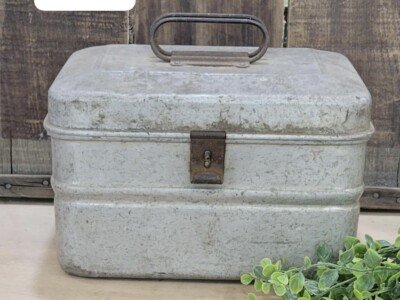
Most antique coal miners’ lunch boxes were made from durable materials like tin or steel. These metals were chosen for their ability to protect food from dirt and damage underground. Some lunch boxes also had leather or cloth straps for easy carrying, which added comfort during long shifts.
Occasionally, you might find models with wooden parts or handles, but metal remained the primary choice. The wear and rust on these metals tell a silent story of hard work and daily use in challenging conditions.
Typical Sizes And Shapes
The size of these lunch boxes was practical—just enough to hold a hearty meal without being bulky. Most were rectangular or square, designed to fit easily into a miner’s backpack or be carried by hand. Some had rounded edges to avoid injury when moving in tight spaces.
Many lunch boxes measured roughly 8 to 12 inches in length, with a depth that allowed stacking food containers inside. Have you ever wondered how miners balanced carrying their lunch and their tools? The compact shape helped them manage both efficiently.
Decorative Elements And Branding
While primarily functional, these lunch boxes often featured simple yet striking decorative elements. Company logos or mining-related symbols were commonly stamped or painted on the surface. This branding not only identified the owner’s employer but also created a sense of pride and belonging.
Sometimes, you’ll see hand-painted designs or slogans, making each piece unique. These personal touches offer a glimpse into the miner’s personality or the culture of the mining community. What kind of story might your lunch box tell if it could speak?
Collecting Antique Lunch Boxes
Collecting antique lunch boxes is more than just a hobby—it’s a journey into the past that connects you with the daily lives of workers and families from another era. These lunch boxes carry stories and craftsmanship that modern items lack. As you start or grow your collection, understanding the nuances of authenticity, condition, and market trends will help you make smarter choices and enjoy the hunt even more.
Identifying Authentic Pieces
Authentic antique coal miners lunch boxes often show signs of wear that tell their story—scratches, dents, and faded paint. Look closely for manufacturer marks or dated labels that verify their age. Beware of reproductions that mimic vintage styles but lack genuine historical details.
One way to verify authenticity is to research the materials used. Early lunch boxes were typically made of metal like tin or steel, often with hand-painted designs. If you find a lunch box made from plastic or with modern printing techniques, it’s likely not authentic.
Condition And Rarity Factors
Condition plays a huge role in the value of your lunch box. A piece with intact graphics and minimal rust will fetch a higher price. However, even a well-worn lunch box can be valuable if it’s rare or has a unique design.
Rarity often depends on the manufacturer, the era, and specific artwork themes. Lunch boxes featuring famous cartoon characters or unique mining company logos are sought after by collectors. Ask yourself: does this piece stand out from others in its category?
Popular Collectors And Markets
Knowing where to find fellow collectors and buyers can shape your collecting experience. Online auction sites like eBay, vintage fairs, and specialized collector forums are excellent places to discover rare finds and connect with enthusiasts.
Collectors often share tips and trade lunch boxes through these networks, creating a community that values history and craftsmanship. Have you explored local antique shops or mining museums? Sometimes the best pieces turn up where you least expect them.

Credit: www.ebay.com
Care And Preservation Tips
Antique coal miners lunch boxes carry history and charm. Proper care keeps their value and beauty intact. Gentle cleaning and smart storage protect these fragile treasures. Thoughtful restoration helps preserve original features without damage.
Cleaning Methods
Use a soft, dry cloth to remove surface dust. Avoid water or harsh chemicals that cause rust or paint loss. For stubborn dirt, slightly dampen a cloth with mild soap and water. Dry immediately with a clean towel. Do not soak or scrub aggressively. Use a soft brush for crevices and details.
Storage Recommendations
Store lunch boxes in a cool, dry place away from sunlight. Avoid damp areas to prevent rust and mold growth. Use acid-free tissue paper to wrap the lunch box for extra protection. Keep it on a stable surface to avoid falls or dents. Avoid stacking heavy items on top.
Restoration Considerations
Preserve original paint and labels as much as possible. Consult a professional for rust treatment or metal repairs. Avoid repainting or replacing parts that reduce authenticity. Use gentle restoration products designed for antiques. Document any restoration work for future reference.
Stories Behind The Lunch Boxes
Antique coal miners’ lunch boxes carry more than food. They hold stories of tough days underground and moments of hope. Each lunch box tells a unique tale about the men who used them.
These lunch boxes were part of daily life. They connect us to the past and the hard work miners did. Their worn edges and dents speak of long hours and strong hands.
Personal Tales From Miners
Many miners decorated their lunch boxes with names or drawings. These marks made the boxes personal and easy to find. Some lunch boxes show signs of repairs, telling stories of care and value. Inside, miners often left notes or small keepsakes for their families. These small items reveal the miners’ hopes and love.
Lunch Box As A Symbol Of Hard Work
The lunch box stood as a symbol of strength. It carried the fuel miners needed for long shifts. The heavy, sturdy design shows how tough the job was. It represented more than food. It was a reminder of grit and endurance. Miners shared stories about their lunch breaks, moments of rest amid danger.
Legacy In Modern Mining Communities
Today, lunch boxes remind modern miners of their heritage. Families pass them down as treasured heirlooms. Communities display them in museums and gatherings. They honor the sacrifices of past generations. The lunch box keeps the spirit of mining alive. It connects the past with the present in mining towns.
Frequently Asked Questions
What Is An Antique Coal Miners Lunch Box?
An antique coal miners lunch box is a vintage metal container. It was used by miners to carry meals underground. These lunch boxes often feature unique designs and logos, making them collectible items today. They reflect mining history and worker culture.
Why Are Coal Miners Lunch Boxes Collectible?
Coal miners lunch boxes are collectible due to their historical value. They represent the mining industry’s past and workers’ daily lives. Their rarity, age, and condition increase their worth. Collectors appreciate their craftsmanship and nostalgic appeal.
How To Identify Authentic Antique Lunch Boxes?
Authentic antique lunch boxes show signs of wear and age. Look for original paint, logos, and manufacturer marks. Check for dents or rust typical of used items. Provenance or documentation can confirm authenticity. Avoid replicas with perfect, new appearances.
What Materials Were Used In Coal Miners Lunch Boxes?
Coal miners lunch boxes were mainly made from metal, especially tin or steel. These materials ensured durability underground. Some featured wooden or leather handles for easier carrying. The metal was often painted or stenciled with company logos or artwork.
Conclusion
Antique coal miners lunch boxes tell stories of hard work and history. These lunch boxes show the daily life of miners long ago. Collectors and history lovers value them for their unique charm. Owning one connects you to the past in a simple way.
They remind us of the strength and courage of miners. Such items keep old memories alive and interesting. Exploring these lunch boxes can be a fun and meaningful hobby. They offer a window into a world many have never seen.

Sophia Martinez is a culinary lifestyle writer and product reviewer for DiningGadgets.com. Passionate about blending style with functionality, she explores the latest dining essentials, kitchen décor, and cleaning hacks that transform everyday cooking spaces. With a background in home organization and design, Sophia brings readers expert advice on creating beautiful, practical kitchens that truly feel like the heart of the home.