

Keeping your lunch box cold isn’t just about taste—it’s about your health and peace of mind. Imagine biting into your favorite meal, only to find it warm or spoiled.
That’s frustrating and unsafe. But what if you could easily keep your food fresh and cool, no matter where you are? You’ll discover simple, effective tips to keep your lunch box cold all day long. Ready to enjoy every bite like it was just made?
Let’s dive in!
Choosing The Right Lunch Box
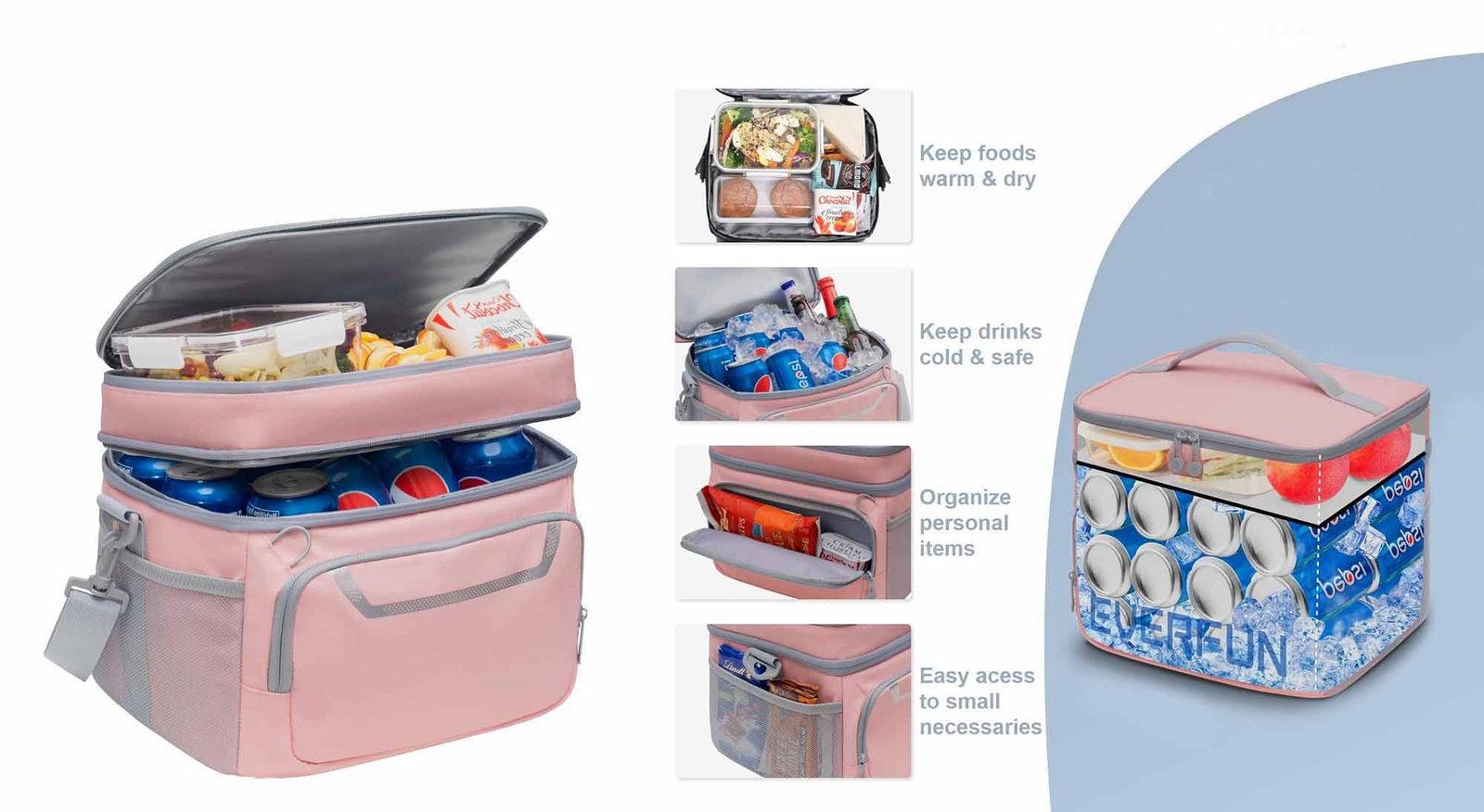
Choosing the right lunch box is the first step to keeping your meals fresh and cold throughout the day. It’s not just about picking any container; it’s about finding one that fits your lifestyle and food needs. The right lunch box can make a big difference in how enjoyable your lunch break is.
Insulated Lunch Boxes
Insulation is key to maintaining the temperature of your food. Lunch boxes with thick, insulated walls keep cold air inside and heat out. This helps your food stay fresh and cool for hours without needing extra ice packs.
Look for lunch boxes with high-quality insulation materials, such as foam or vacuum-sealed layers. I’ve noticed that using an insulated lunch box made my salads crisp and drinks chilled well into the afternoon. Wouldn’t you prefer your lunch to taste as fresh as when you packed it?
Material Matters
The material of your lunch box affects durability and temperature control. Stainless steel boxes are sturdy and naturally keep food cooler than plastic ones. They also don’t retain odors or stains, making them easy to clean.
On the other hand, BPA-free plastic lunch boxes are lightweight and often budget-friendly. However, they might not keep food cold as long as insulated stainless steel options. Ask yourself: do you prioritize weight or lasting chill for your meals?
Size And Compartments
Your lunch box should fit your typical meal size without being bulky. A compact lunch box is easier to carry and fits well in bags. However, if you pack a variety of foods, compartments can keep items separate and prevent sogginess.
Consider lunch boxes with removable dividers or multiple sections. I found that having compartments lets me pack a cold pasta salad without it mixing into my sandwich. How do you prefer to organize your meals for the best eating experience?
Credit: coraggiobag.com
Using Ice Packs Effectively
Using ice packs is a simple and effective way to keep your lunch box cold. Ice packs help maintain the right temperature to keep food fresh and safe to eat. Choosing the right type of ice pack and placing it correctly can extend the cooling time. Understanding the difference between reusable and disposable ice packs also helps in making the best choice for your needs.
Types Of Ice Packs
- Gel Packs: Flexible and freeze quickly, ideal for lunch boxes.
- Hard Ice Packs: Solid and last longer but less flexible.
- Water Ice Packs: Simple and inexpensive, but can be bulky.
- Instant Ice Packs: Single-use and cool instantly without freezing.
Placement Tips
- Place ice packs at the top or sides of the lunch box.
- Surround food containers with ice packs for even cooling.
- Use small ice packs between food items to keep everything cold.
- Ensure the lunch box closes tightly to keep the cold air inside.
Reusable Vs Disposable
| Feature | Reusable Ice Packs | Disposable Ice Packs |
|---|---|---|
| Cost | Higher upfront, saves money over time | Lower cost, but single-use |
| Environmental Impact | Eco-friendly, reduces waste | Creates more waste |
| Convenience | Needs freezing before use | Ready to use anytime |
| Cooling Duration | Usually lasts longer | Short cooling time |
Prepping Food For Cooler Meals
Keeping your lunch box cold starts long before you close the lid. How you prep your food plays a huge role in maintaining that refreshing chill throughout the day. Thoughtful choices and smart packing can make your meals taste just as fresh at noon as they did in the morning.
Selecting Cold-friendly Foods
Choose foods that naturally stay fresh and safe when kept cold. Items like fresh fruits, raw veggies, yogurt, and cold cuts are excellent options. Avoid items that spoil quickly or release moisture, as they can raise the temperature inside your lunch box.
Have you noticed how some sandwiches get soggy fast? That’s often because of ingredients like tomatoes or cucumbers. Instead, pick fillings such as cheese, turkey, or lettuce that hold up better in a cooler environment.
Proper Portioning
Smaller portions cool down faster and stay cold longer. Divide your meals into bite-sized pieces or use multiple small containers instead of one large one. This also helps prevent overcrowding, which can trap heat.
Think about packing your lunch like a puzzle—each piece fits perfectly and keeps the overall temperature low. This approach not only keeps your food cold but also makes it easier to eat.
Avoiding Heat Retention
Steer clear of packing hot or warm foods directly into your lunch box. Let cooked items cool completely before sealing them up. Placing warm food inside can raise the entire box’s temperature, defeating the purpose of your cooler.
Ever tried putting a hot soup container in your lunch bag? It quickly warms everything else up. Instead, chill soups or stews overnight and pack them cold, or use insulated containers designed to keep food cold.

Credit: happymoneysaver.com
Freezing Techniques For Lunch Items
Freezing lunch items helps keep them fresh and safe for later. It slows down bacteria growth and keeps food cold. Using freezing techniques can save time and reduce waste.
Prepare your lunch by freezing items properly. This keeps textures and flavors intact. Follow simple steps to freeze and thaw foods safely for your lunch box.
Freezing Components Separately
Freeze each food item on its own. Keep fruits, vegetables, proteins, and sauces in separate containers. This prevents moisture mixing and sogginess. It also helps control portion sizes. Use airtight bags or containers to avoid freezer burn. Label each container with the date and content.
Thawing Safely
Thaw frozen lunch items in the refrigerator overnight. Avoid thawing at room temperature to stop bacteria growth. Use cold water thawing for faster results by sealing the food in plastic. Heat leftovers to 165°F (74°C) before eating. Never refreeze thawed food to keep it safe.
Timing Your Freeze
Freeze cooked meals within two hours after cooking. Avoid freezing foods that were left out too long. Plan your freezing schedule to rotate items regularly. Use older frozen items first to reduce waste. Keep freezer temperature at 0°F (-18°C) or below for best results.
Additional Cooling Accessories
Keeping your lunch box cold during the day can be tricky. Using extra cooling accessories helps maintain freshness and taste. These tools keep food safe and enjoyable to eat later.
Cooling Gel Packs
Cooling gel packs are a popular choice. They stay cold for hours and can be reused. Simply freeze them before packing your lunch. Place the gel packs around your food containers. They absorb heat and keep everything cool.
Gel packs come in various sizes and shapes. Some even fit inside lunch boxes easily. They are lightweight and do not leak. This makes them perfect for school or work lunches.
Thermal Bags
Thermal bags help keep your lunch cold without ice. These bags have special insulation layers. They block heat from outside and trap cold air inside. The result is a cooler temperature for your food.
Many thermal bags come with extra pockets for gel packs. They are easy to carry and come in different styles. Use a thermal bag to protect sandwiches, fruits, and drinks.
Portable Mini Fridges
Portable mini fridges are great for long days away. They plug into car outlets or batteries. These small fridges keep food cold like a regular fridge. Ideal for picnics, road trips, or outdoor work.
Mini fridges offer adjustable temperature controls. This lets you set the perfect cold level. They are larger and heavier but perfect for heavy lunch needs. A smart choice for those needing reliable cooling all day.
Maintaining Lunch Box Hygiene
Keeping a lunch box cold is important, but hygiene matters just as much. Clean lunch boxes prevent bacteria growth and keep food safe. Proper hygiene also helps your food stay fresh longer. Simple habits can protect your meals and your health.
Cleaning Tips
Wash your lunch box after every use. Use warm water and soap for best results. Pay attention to corners and seals where food can hide. Rinse well to remove all soap. Let it dry completely before closing or storing.
For deep cleaning, use a mix of baking soda and water. Let it sit in the lunch box for 15 minutes. This removes odors and tough stains. Avoid harsh chemicals that can damage the box or leave residues.
Avoiding Contamination
Keep raw and cooked foods separate in your lunch box. Use small containers or wraps to prevent mixing. Always wash your hands before packing food. Avoid touching the inside of the lunch box with dirty hands.
Check for cracks or damage in the lunch box. These can trap bacteria and dirt. Replace any damaged containers quickly. Use insulated lunch bags with clean liners for extra protection.
Storage Between Uses
Store your lunch box in a dry, clean place. Avoid keeping it in damp or warm areas. Make sure the lunch box is dry before storing to stop mold growth. Open the lunch box occasionally to air it out.
Use airtight bags or containers to keep lunch box parts clean. Keep lids and compartments separate if possible. This helps maintain hygiene and prevents bad smells.

Credit: www.gentlepk.com
Frequently Asked Questions
How Do I Keep My Lunch Box Cold?
To keep your lunch box cold, use an ice pack. Place it inside the lunch box to maintain a cool temperature. Additionally, store the lunch box in a cool place until you’re ready to eat. This helps prevent food from spoiling and keeps it fresh for longer.
What Are The Best Ice Packs For Lunch Boxes?
The best ice packs for lunch boxes are reusable and gel-based. They are effective in maintaining cold temperatures for extended periods. Look for compact designs that fit easily in your lunch box. These ice packs are durable, non-toxic, and can be refrozen multiple times for convenience.
Can I Use Frozen Food To Keep Lunch Cold?
Yes, you can use frozen food to keep your lunch cold. Pack items like frozen juice boxes or yogurt. They will thaw by lunchtime, keeping other foods chilled. This method is a practical way to maintain the right temperature without additional ice packs.
How Long Does An Ice Pack Keep Lunch Cold?
An ice pack can keep your lunch cold for about four to six hours. The exact time depends on the external temperature and the insulation of your lunch box. It’s advisable to use high-quality ice packs and insulated lunch boxes for the best results.
Conclusion
Keeping your lunch box cold helps keep food fresh and safe. Use ice packs or frozen water bottles inside the lunch box. Choose insulated lunch boxes to slow down warming. Store your lunch in a cool place before leaving home.
Avoid opening the box often to keep cold air inside. These easy steps protect your food and make lunchtime better. Stay prepared, and enjoy fresh meals every day. Simple habits make a big difference in keeping lunch cold.

Sophia Martinez is a culinary lifestyle writer and product reviewer for DiningGadgets.com. Passionate about blending style with functionality, she explores the latest dining essentials, kitchen décor, and cleaning hacks that transform everyday cooking spaces. With a background in home organization and design, Sophia brings readers expert advice on creating beautiful, practical kitchens that truly feel like the heart of the home.