How to Keep Your Lunch Box Cold: Ultimate Tips for Fresh Meals
Keeping your lunch box cold isn’t just about comfort—it’s about safety and taste. You don’t want your food to spoil or lose its freshness by the time you’re ready to eat.
Imagine biting into a crisp sandwich or a fresh salad that’s been perfectly chilled all day. Sounds great, right? You’ll discover simple, effective tricks to keep your lunch cool and delicious, no matter where you take it. Ready to make every lunch break a refreshing experience?
Let’s dive in.

Credit: packit.com
Choosing The Right Lunch Box
Choosing the right lunch box plays a huge role in keeping your food fresh and cool throughout the day. Not all lunch boxes are designed to maintain temperature, so picking one with proper features makes a big difference. Let’s look at what you should focus on to keep your lunch cold and tasty.
Insulated Lunch Boxes
Insulation is your best friend when it comes to keeping food cold. Look for lunch boxes with thick insulated walls made from materials like foam or thermal layers. These help trap the cold inside and block out outside heat.
I once switched to an insulated lunch box after my sandwiches got soggy and warm too quickly. The difference was clear—my food stayed fresh even after hours without refrigeration. Does your current lunch box have insulation, or is it just a simple container?
Material Matters
Materials affect both insulation and durability. Stainless steel lunch boxes are great for cold retention and are easy to clean. On the other hand, plastic lunch boxes can be lightweight but may not keep food cold as long unless paired with insulation.
Also, consider if the material is BPA-free, especially if you store salads or fruits. Your lunch box’s material should protect your health and keep your food cool. What materials have you found work best for your daily meals?
Size And Compartments
Choosing the right size helps maintain temperature longer. A lunch box that’s too big leaves extra air space, which can warm up faster. Compact boxes reduce air pockets, keeping cold items chilled.
Compartments can keep foods separate and prevent sogginess. They also help you organize your meal better, which can make it easier to pack ice packs effectively. Think about how much food you typically eat and if you prefer a few sections or a single space.

Credit: www.gentlepk.com
Effective Cooling Methods
Keeping your lunch box cold is crucial for maintaining the freshness and safety of your food. Choosing the right cooling method can make a big difference, especially on hot days or during long commutes. Here are some effective ways to keep your lunch chilled, each with its own benefits and practical uses.
Ice Packs And Gel Packs
Ice packs and gel packs are popular because they stay cold for hours without leaking water. You can find them in various sizes to fit any lunch box, and some even come in fun shapes to make lunchtime more enjoyable. They’re reusable and simple to freeze overnight, so you always have one ready.
Have you ever noticed how some packs get soggy while others stay solid? That’s the gel inside keeping the cold locked in without melting. Placing one or two packs around your food ensures even cooling and prevents soggy sandwiches.
Frozen Water Bottles
Frozen water bottles serve a dual purpose: they keep your lunch cold and provide a refreshing drink once they thaw. This method is especially handy if you want to save space since the bottle fits neatly inside your lunch box. Plus, it’s an eco-friendly option compared to disposable ice packs.
Try freezing your favorite bottle of water the night before. When packed with your food, it acts like a solid block of ice and slowly melts during the day. Have you tried this yet? It’s a simple trick that adds convenience and cuts down on waste.
Reusable Ice Cubes
Reusable ice cubes are a neat alternative if you want quick cooling without any mess. Made from plastic or stainless steel, they chill your lunch without diluting your food or drinks. They’re perfect if you pack salads or beverages that you don’t want watered down.
You can toss a few cubes in your lunch box or even in your drink container. They chill effectively and can be refrozen in minutes for the next day. Have you ever wished for ice that doesn’t melt away? These cubes might be the solution you need.
Packing Tips For Freshness
Keeping your lunch box cold isn’t just about tossing in an ice pack. The way you pack your food plays a huge role in maintaining freshness and preventing sogginess or spoilage. Small changes in how you prepare and arrange your lunch can make a noticeable difference by lunchtime.
Pre-chill Your Lunch Box
Before you start packing, put your empty lunch box or cooler bag in the fridge for 10-15 minutes. This simple step cools down the container, so it doesn’t warm up your food right away.
Think about how you feel when you grab a cold glass of water on a hot day—that initial chill matters. Pre-chilling creates a cooler environment inside, extending the freshness of everything you pack.
Separate Wet And Dry Foods
Keeping wet and dry foods apart prevents unwanted moisture from making your dry items soggy. Use small containers or resealable bags to isolate salads, sauces, or juicy fruits from crackers, sandwiches, or nuts.
Have you ever bitten into a sandwich only to find the bread soggy? Separating components stops that, ensuring every bite stays just right until you’re ready to eat.
Use Airtight Containers
Airtight containers lock in freshness by sealing out air and moisture. Choose containers that fit your food snugly to avoid extra space where bacteria can grow.
Containers with tight lids also prevent spills and keep odors from mixing, which keeps your lunch tasting as good as when you packed it. Think about investing in a few different sizes to suit your meal variety.
Storing And Handling
Keeping your lunch box cold depends a lot on how you store and handle it throughout the day. The right habits can make a big difference in preserving freshness and preventing food spoilage. Let’s look at practical ways to manage your lunch box to keep it cool and safe.
Keep Lunch Box In Cool Areas
Always try to place your lunch box in the coolest spot available. If you’re at work, avoid leaving it on a desk near a window or heat source. Instead, tuck it inside a refrigerator or a cooler bag with ice packs.
At home, keep the lunch box away from kitchen appliances like ovens or microwaves that generate heat. Even small temperature increases can speed up food spoilage, so think about where your lunch rests before you eat it.
Avoid Direct Sunlight
Sunlight can quickly raise the temperature inside your lunch box. If you’re eating outside or traveling, shield your lunch box from the sun with a bag or an insulated cover. This simple step slows down warming and keeps your food safe longer.
I once left my lunch on a sunny park bench, and by the time I ate, the sandwich was soggy and warm. That experience taught me to be mindful of sunlight and its impact on food temperature.
Timing Your Meal
Plan your mealtime to minimize the time your lunch sits out. The longer food stays unrefrigerated, the higher the risk of bacteria growth. Try to eat within two hours of taking your lunch out, especially on hot days.
If your schedule is tight, pack foods that stay safe longer without refrigeration, like nuts or dried fruits. Have you ever checked how long your food stays fresh at room temperature? It might surprise you.
Alternative Cooling Solutions
Keeping your lunch box cold can be challenging without traditional ice packs. Alternative cooling solutions offer fresh ways to keep food cool and safe. These options are convenient and easy to use. They provide flexibility for different situations and preferences.
Cooling Towels And Wraps
Cooling towels and wraps absorb water and stay cold for hours. Place them in the fridge or freezer before use. Wrap them around your lunch box or place underneath. They help reduce the temperature inside your container. These towels are lightweight and reusable, ideal for hot days.
Portable Mini Fridges
Portable mini fridges use electric power to keep items cold. They work well for longer trips or office use. Many models plug into car adapters or USB ports. These fridges maintain a steady temperature for hours. They come in compact sizes, easy to carry around.
Thermal Bags
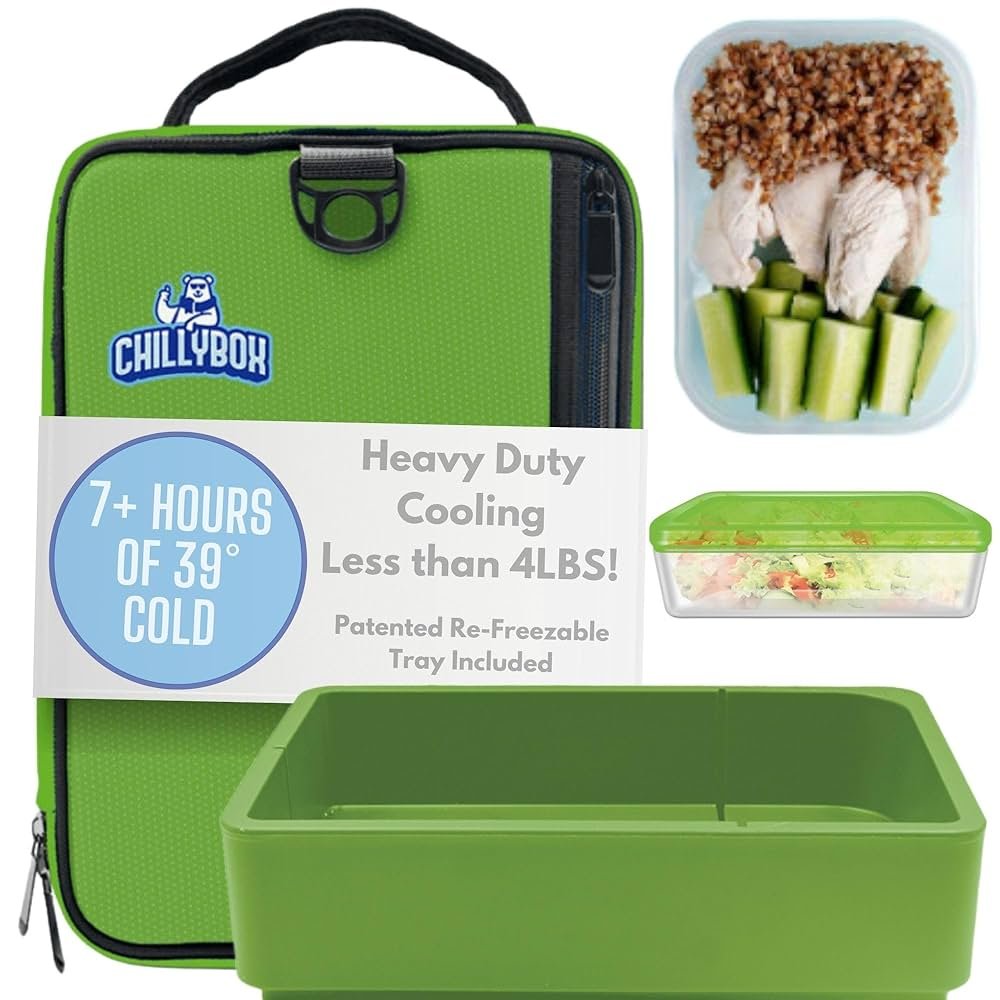
Thermal bags use insulation to keep food cold or warm. They block outside heat from entering the bag. Some thermal bags include small ice pack compartments. These bags are lightweight and easy to clean. Great for school, work, or picnics on the go.

Credit: www.amazon.com
Frequently Asked Questions
How Can I Keep My Lunch Box Cold?
To keep your lunch box cold, use insulated lunch bags and ice packs. Freeze drinks or snacks overnight to help maintain cool temperatures. Placing your lunch box in a cool, shaded area also helps. Always ensure the lid is tightly sealed to prevent warm air from entering.
What Are The Best Ice Packs For Lunch Boxes?
Reusable gel ice packs are ideal for lunch boxes. They are compact, easy to freeze, and maintain low temperatures. Look for packs that stay flexible when frozen. This flexibility ensures they fit snugly around food containers, providing consistent cooling throughout the day.
Can Frozen Drinks Keep Food Cold?
Yes, frozen drinks can effectively keep food cold. By freezing beverages overnight, they act as ice packs, maintaining a cool environment inside your lunch box. As they thaw, you enjoy a refreshing cold drink. This dual-purpose method is both practical and efficient for keeping lunches chilled.
Why Use Insulated Lunch Bags?
Insulated lunch bags maintain food temperature for extended periods. Their layered design helps keep cold items cool and hot items warm. Using them reduces the need for external cooling methods. They’re lightweight, portable, and come in various sizes, making them a popular choice for lunch transportation.
Conclusion
Keeping your lunch box cold helps food stay fresh and tasty. Use ice packs or frozen water bottles to keep things cool. Pack your lunch box tightly to stop warm air from entering. Choose an insulated lunch box for better temperature control.
Remember to keep your lunch in a cool place until mealtime. These simple steps can make your lunch more enjoyable every day. Stay cool, eat well!

Sophia Martinez is a culinary lifestyle writer and product reviewer for DiningGadgets.com. Passionate about blending style with functionality, she explores the latest dining essentials, kitchen décor, and cleaning hacks that transform everyday cooking spaces. With a background in home organization and design, Sophia brings readers expert advice on creating beautiful, practical kitchens that truly feel like the heart of the home.