How to Keep Food Warm for Lunch Box: Expert Tips
Are you tired of opening your lunch box only to find your food cold and unappetizing? Keeping your meals warm until lunchtime can make a huge difference in how enjoyable your lunch break is.
Whether you’re at work, school, or on the go, knowing how to keep your food warm will save you from soggy sandwiches and lukewarm leftovers. You’ll discover simple, effective tips that fit easily into your daily routine. Ready to enjoy hot, tasty meals every day?
Let’s dive in and make your lunch box the best part of your day.

Credit: www.gentlepk.com
Choosing The Right Container
Choosing the right container is the key to keeping your lunch warm and enjoyable hours after preparation. The container you pick can make a huge difference in temperature retention and ease of use. It’s not just about insulation; consider how easy it is to carry, clean, and fit in your bag.
Insulated Lunch Boxes
Insulated lunch boxes are popular because they combine convenience with effective heat retention. They usually have a layer of foam or gel insulation that slows down heat loss. If you’ve ever packed a sandwich and warm soup, an insulated lunch box helps keep both at a good temperature without mixing flavors.
Look for boxes with airtight seals to prevent spills and maintain warmth. Some even have multiple compartments, so your food stays organized and fresh. Do you prefer carrying one container or several small ones? This choice impacts how you use insulated lunch boxes.
Thermal Food Jars
Thermal food jars are excellent for keeping soups, stews, or rice dishes hot. These jars are designed with thick walls and lids that lock in heat tightly. I once took a thermal jar to work and was surprised to find my meal steaming hot after five hours.
They’re compact and leak-proof, which is perfect if you want to avoid spills and don’t need multiple compartments. Just remember to preheat the jar with hot water before adding your food for better results. What meals do you think would stay tastiest in a thermal jar?
Vacuum-sealed Containers
Vacuum-sealed containers use air removal to keep food warm much longer than regular containers. By eliminating air, they reduce heat loss dramatically. I’ve noticed that vacuum-sealed containers keep dishes hot and fresh even during long commutes.
These containers often come with durable materials like stainless steel, adding to their heat retention power. They’re ideal if you want to carry a variety of foods without worrying about temperature drop. How important is it for you to keep your lunch at a precise temperature?
Preheating Techniques
Keeping your lunch warm until it’s time to eat can be tricky, but preheating techniques make a big difference. These simple steps help maintain the temperature of your food longer, so you enjoy a meal that’s just as tasty as when you packed it. Let’s look at practical ways to warm your containers and use hot water baths effectively.
Warming Containers Before Packing
Warming your lunch box or thermos before adding food helps retain heat much better. Simply fill the container with hot water and let it sit for a few minutes.
This warms the inside surface, preventing your food from cooling down quickly. After a short wait, pour out the water and pack your hot meal right away.
Try this with insulated containers for best results. Have you ever noticed how a cold container can chill even the hottest soup? Preheating stops that from happening.
Using Hot Water Baths
A hot water bath is an easy trick to keep food warm longer during transit. Place your sealed food container inside a larger container filled with hot water.
The surrounding heat keeps the food’s temperature stable without direct contact with water. This method works great if you have a sturdy lunch bag or cooler.
One time, I packed a hot pasta dish this way and it was still warm hours later. Could adding a simple hot water bath be the secret to your warm lunch?
Packing Strategies
Packing your lunch box the right way can make a big difference in keeping your food warm until mealtime. The way you arrange and seal your food plays a key role in heat retention. Small adjustments in how you pack can help maintain temperature and keep your meal fresh and enjoyable.
Sealing Food Properly
Make sure every container is sealed tightly to trap heat inside. Use airtight lids or wrap food in foil or plastic wrap to prevent heat from escaping. Think about how you seal soups or stews; a loose lid can cause heat to vanish quickly.
Have you ever opened a lunch box only to find cold rice or pasta? That usually happens because the container wasn’t sealed well enough. A good seal keeps the warmth locked in and stops spills too.
Layering For Heat Retention
Place hot items at the bottom of the lunch box, and cooler or room-temperature foods on top. This layering helps keep the heat from rising and escaping. You can even wrap the bottom container in a small towel for extra insulation.
Imagine packing a curry and rice together. Putting the rice on top helps keep the moisture balanced, so nothing dries out. Have you tried layering your food this way before packing it?
Avoiding Moisture Loss
Dry food cools down faster, so keeping moisture locked in is crucial. Cover dishes with a damp paper towel before sealing to keep them from drying out. You can also add a small ice pack or heat pack depending on the meal’s needs.
Think about leftover pasta. It gets hard and unappetizing if the moisture is lost. Simple tricks like these keep your food warm and tasty, making your lunch box a pleasure rather than a disappointment.
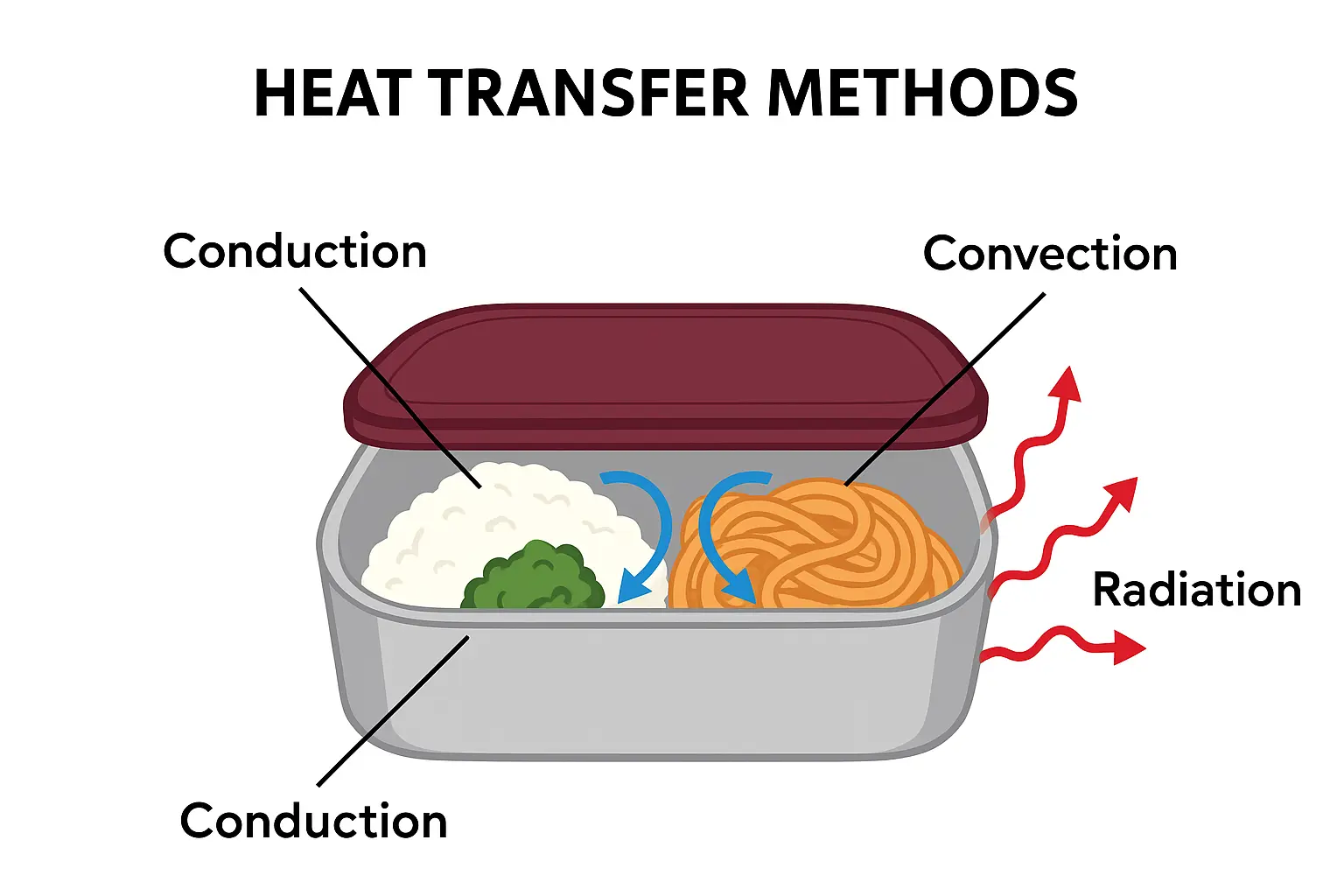
Credit: www.purecook.com
Using Heat Packs
Using heat packs is a simple and effective way to keep your lunch warm without relying on microwaves or electric containers. They provide steady warmth, making your meal enjoyable even hours after you pack it. Plus, they’re portable and easy to use, perfect for busy days when you’re on the go.
Types Of Heat Packs
Heat packs come in various forms, each with its own benefits. Some common types include:
- Gel Packs:These can be heated in hot water or a microwave and retain heat for a good duration. They’re flexible and fit snugly around your lunch container.
- Reusable Chemical Packs:Activated by snapping a metal disc inside, they generate heat through a chemical reaction. They last around 20-30 minutes and can be reused after boiling.
- Electric Heat Packs:Powered by batteries or USB, these provide consistent warmth for longer periods. Ideal if you have access to power sources throughout the day.
Choosing the right type depends on how long you want your food warm and your convenience preferences. Have you tried switching between these to find what suits your routine best?
Safe Placement And Usage
Placing heat packs correctly is crucial to avoid damaging your food or container. Always wrap the heat pack in a cloth or towel before placing it next to your lunch box. This prevents direct contact, reducing the risk of overheating or burns.
Keep the heat pack away from plastic parts that might melt or deform. Also, avoid placing it near delicate foods like leafy salads that can wilt under heat. Instead, position the pack near main dishes like rice or pasta that benefit from warmth.
Have you checked if your lunch box is heat-resistant? Using a heat pack with a non-insulated container might not keep your food warm for long. Testing different setups can help you find the safest and most effective combination.
Food Choices For Warmth
Choosing the right foods makes a big difference in keeping your lunch warm. Some foods hold heat longer and stay tasty. Others cool down fast and lose their appeal. Picking items that keep warmth helps you enjoy a hot meal anytime.
Foods That Retain Heat Well
Dense and moist foods hold heat better. They keep warmth inside for a longer time. Examples include:
- Stews and soups with thick broth
- Rice and pasta dishes
- Mashed potatoes or cooked root vegetables
- Meats like chicken, beef, or fish with sauces
- Casseroles and baked dishes
These foods trap heat and cool down slowly. Their moisture and texture help keep the temperature steady.
Avoiding Quick-cooling Items
Foods with low moisture or thin textures cool fast. Avoid these to keep lunch warm longer:
- Salads and raw vegetables
- Sandwiches with cold fillings
- Fried or crispy items without sauce
- Thin soups or broths
- Desserts like ice cream or jelly
These items lose heat quickly and may feel cold at lunchtime. Choose warm, moist foods instead for better heat retention.

Credit: www.amazon.com
Maintaining Temperature Throughout The Day
Keeping food warm in a lunch box can be tricky. Heat escapes quickly, especially if the lunch box opens often or is not insulated well. Maintaining temperature throughout the day helps the food stay tasty and safe to eat. Simple habits and smart storage choices make a big difference.
Storage Tips
- Use insulated lunch boxes or thermal containers.
- Preheat the container with hot water before packing food.
- Wrap food in foil or use heat-retaining wraps.
- Pack smaller portions to reduce cooling time.
- Keep hot and cold foods separate inside the lunch box.
Minimizing Opening Frequency
Every time you open the lunch box, warm air escapes. Cold air rushes in, cooling the food quickly. Try to open the lunch box only once or twice during the day.
Plan meal times ahead to avoid repeated opening. Use a lunch box with easy access compartments to get food without fully opening it. This saves heat and keeps the food warmer longer.
Alternative Heating Solutions
Keeping your lunch warm without a traditional thermos can be a challenge, but alternative heating solutions offer practical ways to enjoy a hot meal anywhere. These options are designed to fit different lifestyles, whether you’re at work, school, or on the go. Let’s look at some easy and effective ways to keep your food warm until you’re ready to eat.
Portable Food Warmers
Portable food warmers are a game-changer if you want to keep your lunch hot without relying on a microwave. These compact devices plug into a car outlet or USB port, gently heating your food over time. You can find models with adjustable temperature settings to suit different meals.
One personal tip: I started using a USB-powered lunch box warmer during long workdays, and it made a huge difference. No more cold sandwiches or lukewarm leftovers. Plus, they’re easy to clean and carry, making them ideal for daily use.
- Look for models with good insulation to maintain heat longer.
- Choose warmers with safety features like auto shut-off.
- Consider the size to fit your lunch containers.
Microwave Options At Work Or School
If you have access to a microwave, it’s one of the simplest ways to heat your lunch quickly. But how can you make the most of it without drying out your food? Use microwave-safe containers with lids to trap steam and keep moisture in.
Here’s a practical insight: Bringing a small spray bottle with water can help. Just spritz your food lightly before heating, and it stays juicy and warm longer. Also, reheating in short bursts and stirring between sessions prevents hot spots and uneven heating.
- Pack your lunch in microwave-safe containers.
- Heat food in intervals of 30-60 seconds for even warmth.
- Use a microwave cover or damp paper towel to retain moisture.
What’s your biggest challenge when it comes to keeping lunch warm? Trying one of these alternative heating solutions might surprise you with how easy and satisfying warm meals can be.
Frequently Asked Questions
How Can I Keep Food Warm In A Lunch Box?
Use insulated lunch boxes or thermal containers. Preheat containers with hot water to maintain heat. Wrap food in foil or use heat packs for extra warmth. These methods help retain temperature and keep your meal fresh until lunchtime.
What Is The Best Container To Keep Food Warm?
Stainless steel insulated containers are best for keeping food warm. They prevent heat loss and keep food hot for hours. Vacuum-sealed containers work efficiently by trapping heat inside. Avoid plastic containers as they don’t retain heat well.
Can I Use A Thermos For Warm Lunch?
Yes, thermos bottles are excellent for warm lunches. They maintain food temperature by creating a vacuum seal. Fill the thermos with hot food immediately to maximize heat retention. This is ideal for soups, stews, and liquids.
How Long Can Food Stay Warm In A Lunch Box?
Food can stay warm for 3 to 5 hours in an insulated lunch box. The exact time depends on container quality and initial food temperature. Using heat packs or preheating containers can extend warmth duration effectively.
Conclusion
Keeping food warm in a lunch box is easy with the right steps. Use insulated containers or heat packs to keep meals hot. Preheat the lunch box before packing food for better results. Wrap food in foil or cloth to hold heat longer.
These simple tips help your lunch stay tasty and warm. Enjoy your meal anytime, anywhere, without worries. Warm food makes lunch more pleasant and satisfying. Try these tricks to keep your lunch warm every day.
Ethan Cole is a kitchen innovation enthusiast and food technology writer at DiningGadgets.com. With over 8 years of experience reviewing cookware, smart kitchen tools, and design trends, he helps readers discover gadgets that make cooking easier and dining more enjoyable. When he’s not testing the latest kitchen appliances, Ethan enjoys experimenting with recipes and sharing practical tips for modern homes.