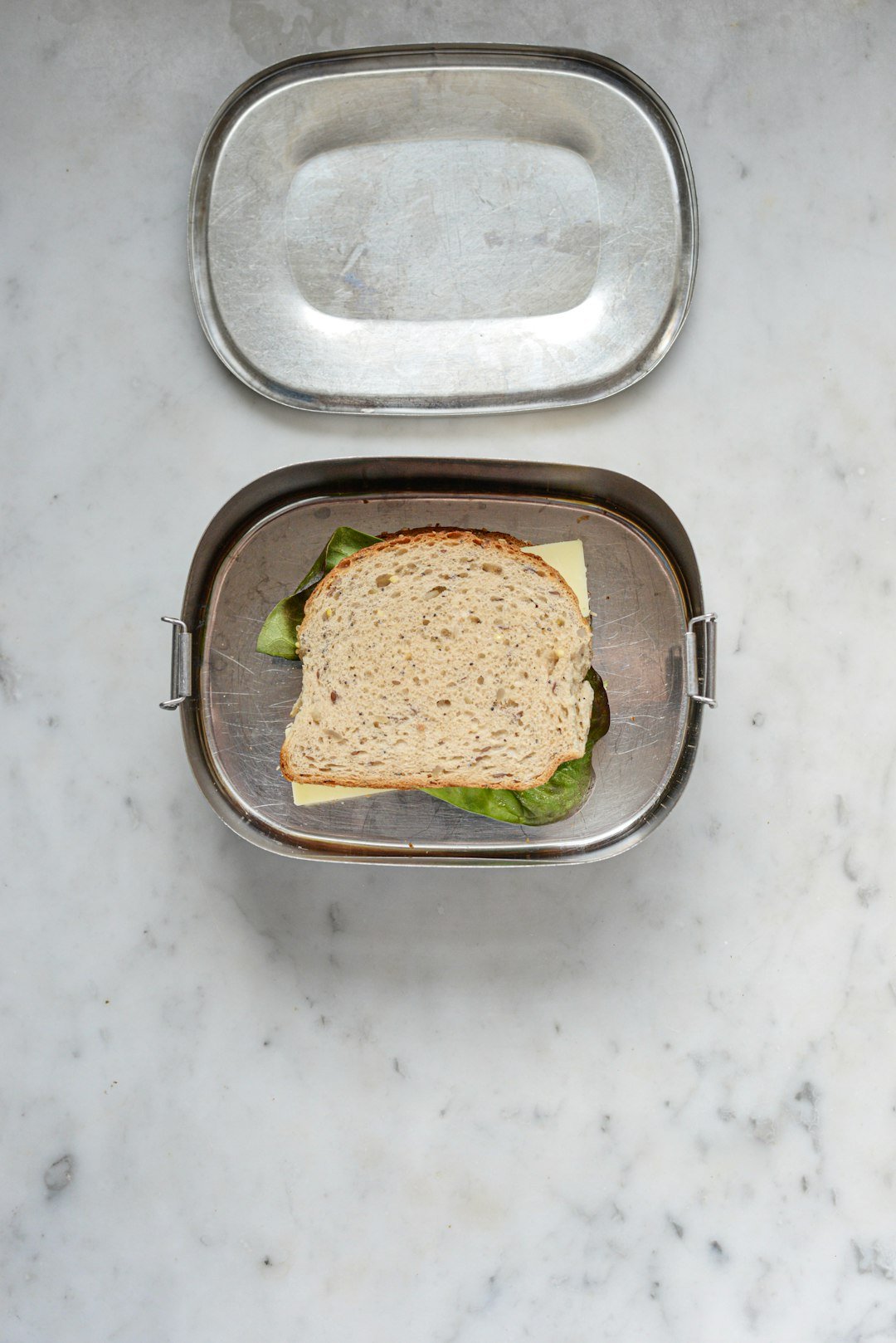
Simple Lunch Box Sandwich Abbreviation: Quick Guide
Are you tired of complicated lunch ideas that take too much time? Your lunch box deserves something simple, tasty, and quick to make.
Imagine having a go-to sandwich recipe that’s easy to remember and even easier to prepare. This is where the “Simple Lunch Box Sandwich Abbreviation” comes in. It’s designed to save you time, reduce stress, and keep your meals delicious every day.
Keep reading to discover how this smart trick can transform your lunchtime routine.
Lunch Box Sandwich Basics
Lunch box sandwiches are more than just a quick meal—they are a chance to get creative with simple ingredients. Understanding the basics helps you build sandwiches that are tasty, nutritious, and easy to prepare. Whether you’re packing for work, school, or a day out, knowing the essentials can make your lunchbox a highlight of the day.
Common Sandwich Types
There are several popular sandwich styles that work well for lunch boxes. Classic options include:
- Club Sandwich:Layers of turkey, bacon, lettuce, and tomato on toasted bread.
- Ham and Cheese:Simple yet satisfying with sliced ham and melted cheese.
- Vegetarian:Filled with fresh veggies like cucumber, tomato, and avocado.
- Peanut Butter & Jelly:A timeless favorite, especially for kids.
Which type matches your taste or dietary needs today?
Popular Ingredients
Choosing the right fillings makes a huge difference in flavor and nutrition. Common ingredients include:
- Lean proteins like chicken breast, turkey, or tofu
- Fresh vegetables such as lettuce, spinach, and bell peppers
- Cheeses like cheddar, Swiss, or mozzarella
- Condiments including mustard, mayo, or hummus
Think about what you enjoy most and how you can mix textures and flavors to keep your sandwich exciting.
Bread Varieties
Bread forms the foundation of every sandwich, and the choice can change the whole experience. Popular options are:
- Whole wheat for extra fiber and a nutty taste
- Sourdough for a tangy flavor and chewy texture
- Rye bread for a denser, slightly sweet bite
- Wraps or pita for a lighter, handheld option
Have you tried swapping your usual bread for something new to add variety to your lunchbox routine?

Credit: dailymom.com
Common Sandwich Abbreviations
Understanding common sandwich abbreviations can save you time and hassle, especially when packing lunch boxes quickly or ordering sandwiches. These short codes make communication clear and efficient, whether you’re jotting down a quick lunch note or reading a menu. Knowing what each abbreviation stands for helps you customize your sandwich just the way you like it.
Meat And Cheese Codes
Meats and cheeses often have simple abbreviations to keep labels short and easy to read. For example, TMusually means turkey meat, while HBstands for ham and bacon. Cheese types follow similar patterns: CHfor cheddar, SWfor Swiss, and PRfor provolone.
These codes help you quickly identify the main protein and cheese without writing out the full names. Have you ever grabbed the wrong sandwich just because the label was too long or unclear? These abbreviations prevent that mix-up.
Vegetable Shortcuts
Veggies are essential for adding crunch and flavor, and their abbreviations make packing easier. Common shortcuts include LTfor lettuce, TMfor tomato, CUfor cucumber, and ONfor onion. If you like pickles, look for PK, and BPmeans bell peppers.
Using these short forms, you can quickly list your favorite vegetables without cluttering your lunch note. Next time you pack, try using these abbreviations and see if it speeds up your routine.
Sauce And Spread Symbols
Sauces and spreads can make or break a sandwich, and their abbreviations keep things simple. For example, MMstands for mayonnaise, MMUfor mustard, and HMfor honey mustard. If you prefer BBQ sauce, it’s usually BBQ, while RANrepresents ranch dressing.
These symbols help you get exactly the right spread without writing a long list. Have you ever forgotten to add your favorite sauce? Using abbreviations as a checklist can help you avoid that.
Building A Quick Sandwich
Building a quick sandwich doesn’t have to be complicated or time-consuming. With a few simple ingredients and a bit of organization, you can create a tasty lunch box sandwich that’s ready in minutes. Think about how much easier your midday routine could be with a reliable, no-fuss sandwich assembly process.
Step-by-step Assembly
- Choose your bread:Start with a sturdy option like whole wheat, sourdough, or a soft roll to hold everything together without falling apart.
- Add a spread:Use mustard, mayo, or hummus to add flavor and keep the sandwich moist.
- Layer proteins:Pick from turkey, ham, chicken, or even a plant-based alternative. Keep the slices thin for easy folding.
- Include veggies:Lettuce, tomato, cucumber, or avocado add crunch and freshness. Make sure to pat dry any wet veggies to avoid sogginess.
- Top it off:Add cheese or a sprinkle of seasoning to finish your sandwich.
Time-saving Tips
Prepare ingredients in advance by slicing meats and veggies the night before. Store them in airtight containers to keep them fresh.
Use pre-washed greens and ready-to-spread condiments to cut down on prep time. Keep your sandwich station organized so everything is within reach.
Ask yourself: Could a little prep work today save you valuable minutes tomorrow? It definitely makes lunchtime smoother and less stressful.
Packing For Freshness
Wrap your sandwich tightly in parchment paper or beeswax wrap to keep it fresh without creating sogginess. Avoid plastic bags that can trap moisture.
Consider adding a small ice pack to your lunch box if your sandwich contains perishable ingredients. This keeps everything cool and safe to eat.
Place any wet ingredients like tomato slices between layers of lettuce to prevent bread from getting soggy too quickly. Keeping your sandwich fresh means you’ll enjoy every bite.

Credit: lifebyleanna.com
Healthy Sandwich Swaps
Choosing healthier sandwich swaps can make your lunch box both tasty and nourishing. Small changes in ingredients can reduce calories, avoid allergens, and pack in extra nutrients without sacrificing flavor. You might be surprised how simple swaps can refresh your usual sandwich routine and even boost your energy throughout the day.
Low-calorie Alternatives
Cutting calories doesn’t mean losing flavor. Swap mayonnaise with mashed avocado or Greek yogurt for creaminess and fewer calories. Use lean proteins like turkey breast or grilled chicken instead of higher-fat deli meats.
Try whole grain bread in thin slices or even lettuce wraps to save calories from carbs. Adding fresh veggies such as cucumber, tomato, or spinach increases volume and keeps you full longer without extra calories. What low-calorie ingredient could you add to your next sandwich to make it more satisfying?
Gluten-free Options
If gluten is a concern, gluten-free bread is widely available and can be just as delicious. You can also use naturally gluten-free bases like large lettuce leaves, rice cakes, or even collard greens.
Watch out for hidden gluten in processed sandwich fillings or sauces. Always check ingredient labels or prepare fresh spreads like hummus or guacamole to stay safe. How often do you consider gluten when packing your lunch?
Adding Nutrient Boosters
Boost your sandwich’s nutrition by adding seeds like chia, flax, or sunflower for extra fiber and healthy fats. Fresh herbs such as basil, cilantro, or parsley bring antioxidants and a burst of flavor.
Don’t forget colorful veggies like shredded carrots, bell peppers, or sprouts. They add crunch and important vitamins. What nutrient booster could turn your simple sandwich into a powerhouse meal?
Creative Sandwich Ideas
Creative sandwich ideas bring fun and flavor to your lunch box. Simple ingredients can turn into exciting meals. Experimenting with different tastes keeps lunches fresh and enjoyable. These ideas suit various preferences and dietary needs. Everyone can find a sandwich they like.
International Flavors
- Try a classic Italian panini with mozzarella and tomato.
- Make a Mexican-inspired sandwich with avocado and spicy salsa.
- Enjoy a Japanese-style sandwich with teriyaki chicken and cucumber.
- Use French baguette with ham, cheese, and mustard for a Parisian touch.
Vegetarian Choices
- Fill with grilled vegetables and hummus for a tasty meal.
- Use avocado, sprouts, and tomato on whole grain bread.
- Try a caprese sandwich with fresh mozzarella, basil, and tomato.
- Add roasted chickpeas and spinach for extra protein and crunch.
Kid-friendly Combos
- Peanut butter and jelly never goes out of style.
- Use turkey and cheese with a little mayo for mild flavor.
- Try cream cheese and cucumber for a fresh, simple bite.
- Make mini sandwiches with fun shapes to excite little eaters.

Credit: www.youtube.com
Frequently Asked Questions
What Does Lb Sandwich Abbreviation Mean?
LB sandwich stands for Lunch Box sandwich. It refers to a simple, easy-to-make sandwich perfect for lunch boxes. This abbreviation is commonly used in recipes and meal prep ideas.
Why Use Lb Abbreviation For Lunch Box Sandwiches?
Using LB abbreviation saves space and time in recipes or menus. It helps quickly identify lunch box sandwich options. This shorthand is popular among food bloggers and meal planners.
What Ingredients Are Common In Lb Sandwiches?
LB sandwiches often include bread, cheese, vegetables, and spreads. They focus on simplicity and quick preparation. These ingredients make the sandwich nutritious and tasty for a packed lunch.
How To Make A Simple Lb Sandwich?
To make a simple LB sandwich, layer bread slices with your favorite fillings. Add veggies, cheese, and a spread of choice. Assemble, cut, and pack it for a quick meal.
Conclusion
Simple lunch box sandwich abbreviations save time and space. They help you quickly understand sandwich options. Using these shortcuts makes packing lunch easier and faster. Kids and adults both benefit from clear, short labels. Try using common abbreviations to keep things simple.
This small change improves your lunch routine every day. Keep it easy and enjoy your tasty sandwiches. Simple, quick, and helpful—that’s the key to lunch box success.

Ethan Cole is a kitchen innovation enthusiast and food technology writer at DiningGadgets.com. With over 8 years of experience reviewing cookware, smart kitchen tools, and design trends, he helps readers discover gadgets that make cooking easier and dining more enjoyable. When he’s not testing the latest kitchen appliances, Ethan enjoys experimenting with recipes and sharing practical tips for modern homes.