Mini Ice Packs for Lunch Boxes: Keep Food Fresh Longer
Are you tired of soggy sandwiches and warm drinks ruining your lunch? Mini ice packs for lunch boxes are a simple solution that can keep your food fresh and cool all day long.
Imagine opening your lunch to find everything just the way you like it—chilled, crisp, and ready to enjoy. Whether you pack meals for work, school, or outdoor adventures, these small but powerful ice packs can make a big difference. Keep reading to discover how mini ice packs can transform your lunch experience and why you shouldn’t leave home without one.

Credit: www.amazon.com
Benefits Of Mini Ice Packs
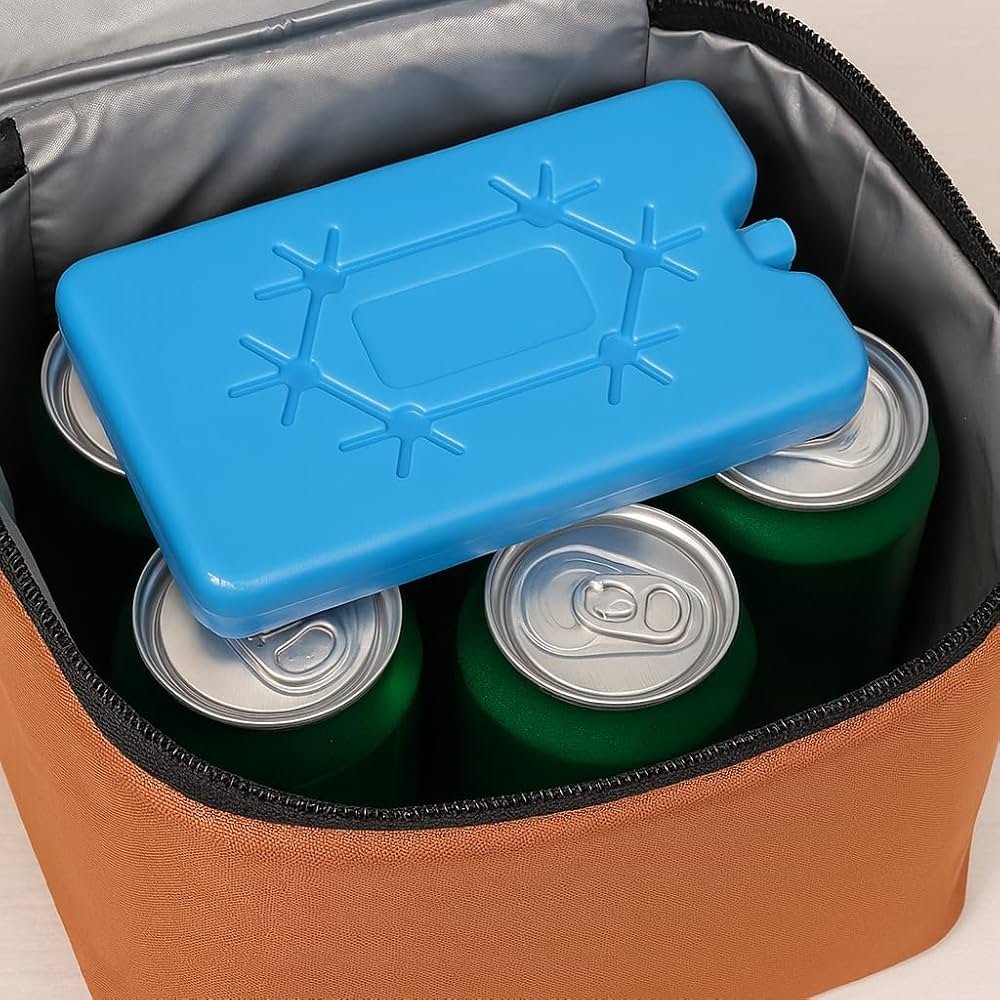
Mini ice packs offer many benefits for keeping lunch box food fresh and safe. They keep food cool without taking up much space. These small packs help maintain the right temperature for longer periods. Using them improves the quality of your meals throughout the day. They also reduce the risk of food spoilage and waste.
Extending Food Freshness
Mini ice packs keep your food cold for hours. Cold temperatures slow down the natural decay of fruits, vegetables, and dairy. Freshness lasts longer, making meals taste better. This is especially helpful during hot weather or long trips. Your lunch stays crisp and enjoyable until mealtime.
Preventing Bacterial Growth
Keeping food cold stops harmful bacteria from growing. Bacteria multiply quickly at room temperature. Mini ice packs create a safe environment by lowering the temperature. This reduces the risk of foodborne illness. Safe food means peace of mind for parents and workers alike.
Reducing Food Waste
Mini ice packs help prevent food from spoiling too fast. When food stays fresh, less is thrown away. Saving leftovers becomes easier and safer. This helps families and schools reduce their overall food waste. Using these packs also saves money on groceries by preserving food longer.
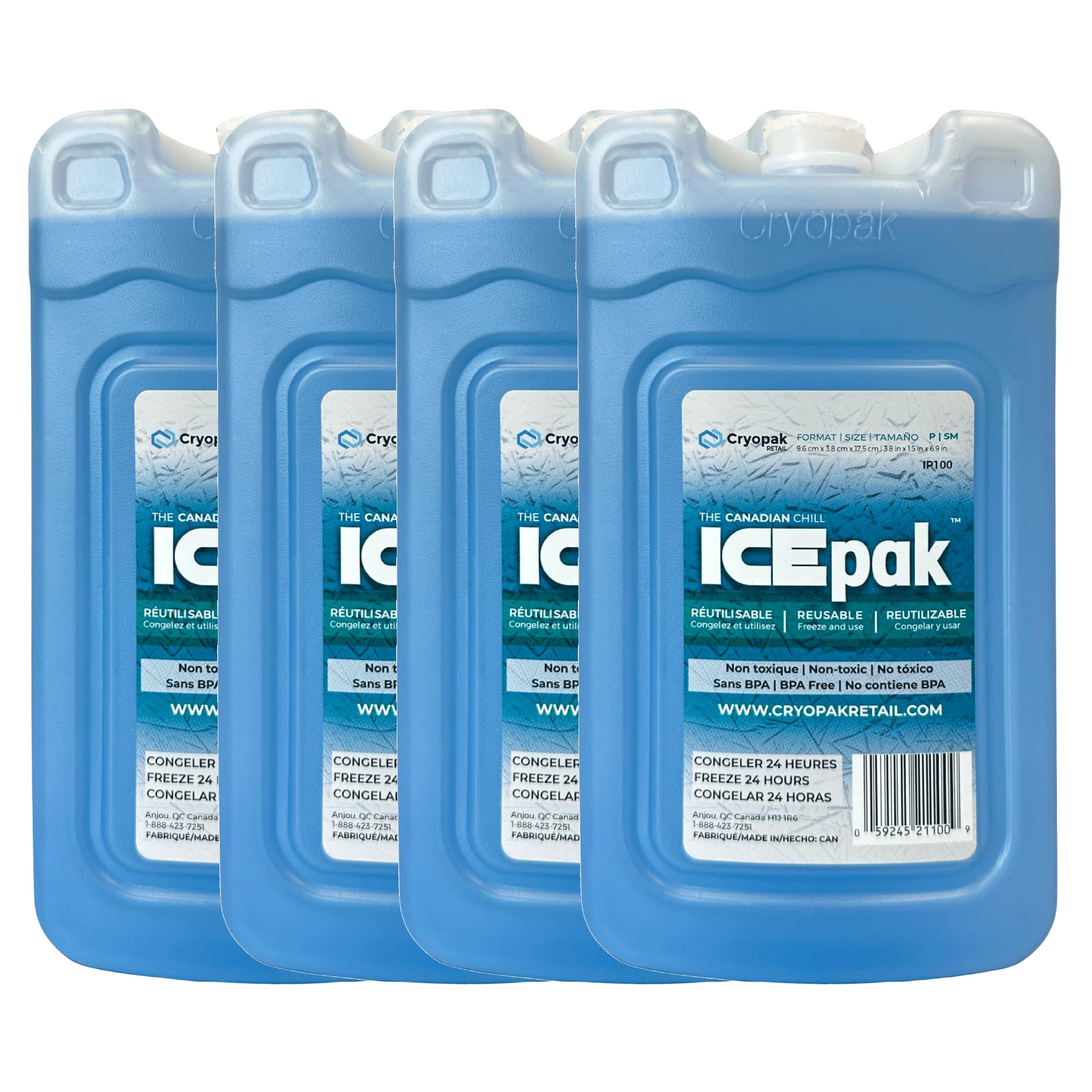
Credit: www.amazon.ca
Types Of Mini Ice Packs
Mini ice packs come in different types, each designed to keep your lunch fresh in its own way. Knowing the differences can help you pick the right one for your daily needs. Let’s take a closer look at the popular types you might find useful.
Gel-based Packs
Gel-based packs are popular because they stay cold for a long time without freezing solid. Their flexible gel allows the pack to mold around your lunch items, making them perfect for tight spaces. If you’ve ever struggled with a hard ice block that didn’t fit well, gel packs might solve that problem.
They’re reusable and easy to clean. Just freeze and pop them back into your lunch box. Do you prefer something that won’t drip water as it melts? Gel packs usually have minimal condensation, which keeps your lunch area dry.
Reusable Frozen Packs
Reusable frozen packs are simple and effective. Usually filled with water or a non-toxic liquid, you freeze them and place them in your lunch box to keep food cool. These packs often come in fun shapes or bright colors, making them great for kids’ lunch boxes.
One advantage is their durability; many can last for hundreds of freeze-thaw cycles without losing effectiveness. If you carry perishable items daily, these packs can be a reliable choice. Have you tried different sizes? Smaller packs fit in snack containers, while larger ones can cool an entire lunch box.
Instant Cold Packs
Instant cold packs are a handy option when you don’t have access to a freezer. They activate with a simple squeeze or shake and get cold within seconds. This makes them great for emergencies or unexpected situations when you need quick cooling.
However, they are typically single-use and not reusable like gel or frozen packs. If you pack lunch every day, you might find the ongoing cost adds up. But for occasional use, instant packs offer convenience that’s hard to beat. Have you ever needed a cold pack on the go?
Choosing The Right Size And Shape
Choosing the right size and shape of mini ice packs is key for keeping lunch boxes cold. A perfect fit keeps food fresh longer and uses space efficiently. The size and shape should match the lunch box dimensions and the type of food stored. Small, medium, or large packs all have their place depending on the need.
Consider the lunch box design and how much room is inside. Packs that are too big may not close properly. Packs too small may not keep the temperature low enough. The right choice balances cooling power with convenience.
Compact Designs For Small Lunch Boxes
Compact mini ice packs fit easily in small lunch boxes. Their slim profiles take less room and keep lunch boxes light. These packs slide into narrow spaces, around containers or wrappers. Kids and adults can carry lunch without extra bulk.
Compact designs help maintain even cooling throughout the lunch box. They prevent food from warming up quickly. These packs often freeze quickly and last long enough for daily use.
Flexible Vs. Rigid Packs
Flexible ice packs bend and mold to the shape of the lunch box. They fit better in odd spaces and wrap around food items. This flexibility prevents gaps and cold spots. Made from soft materials, they are easy to store when not frozen.
Rigid packs keep their shape and provide consistent cooling. They work well in structured lunch boxes with fixed compartments. Rigid packs are durable and often last longer through many uses. They also stack nicely for organized packing.
Material Safety And Non-toxic Options
Choosing mini ice packs for lunch boxes involves checking their material safety. Kids and adults alike benefit from packs made with non-toxic substances. Safe materials prevent harmful chemicals from leaking into food. This keeps your meals fresh and worry-free.
Knowing the type of material helps in selecting the right ice pack. Materials that meet food safety standards protect health. Non-toxic options reduce allergy risks and avoid skin irritations. These features make lunch breaks safer and more pleasant.
Food-grade Materials
Food-grade materials meet strict safety rules. They do not release harmful chemicals when cold or warm. Common food-grade substances include:
- Polyethylene (PE)
- Polypropylene (PP)
- Non-toxic gels made from water and salt
These materials ensure the ice pack is safe around food. They also resist punctures and leaks. Food-grade ice packs last longer and keep lunches cool effectively.
Allergen-free Choices
Allergen-free ice packs avoid common triggers. They contain no latex, BPA, or phthalates. These chemicals often cause allergic reactions or sensitivities. Choosing allergen-free options helps protect children and adults with allergies.
- Look for BPA-free labels
- Avoid latex components
- Check for phthalate-free certification
Using allergen-free ice packs reduces health risks. This ensures a safe and comfortable lunch experience for everyone.
How To Use Mini Ice Packs Effectively
Using mini ice packs effectively can make a big difference in keeping your lunch fresh and safe to eat. It’s not just about tossing them in the lunch box; the way you prepare, place, and maintain these packs affects how long your food stays cool. Let’s look at some simple tips that help you get the most out of your mini ice packs.
Pre-freezing Tips
Always freeze your mini ice packs for at least 4-6 hours before use. This ensures they are fully solid and will stay cold longer.
Keep them flat during freezing to maximize surface contact with your food. If your freezer is crowded, place the packs in a spot with good airflow to freeze evenly.
Have you ever wondered if wrapping the ice pack affects its cooling power? Using a thin cloth or napkin can prevent condensation from making the lunch soggy without reducing the chill.
Placement Inside Lunch Boxes
Position your mini ice packs next to or on top of perishable items like sandwiches, fruits, or dairy. This direct contact helps maintain a lower temperature around those foods.
If your lunch box has compartments, place the ice pack in the section with the most sensitive food. Avoid putting the pack at the bottom unless your lunch box is insulated well on all sides.
Do you pack your lunch box in the morning or the night before? If you pack early, consider adding an extra ice pack or using an insulated lunch bag to keep everything cool until mealtime.
Cleaning And Maintenance
After each use, wipe down your mini ice packs with a damp cloth and mild soap. This prevents bacteria buildup and keeps them smelling fresh.
Inspect the packs regularly for any leaks or damage. A punctured ice pack can ruin your lunch and create a mess.
Store your ice packs in the freezer only when completely dry. Moisture on the surface can cause them to stick together or freeze unevenly.
Eco-friendly Mini Ice Pack Options
Eco-friendly mini ice packs offer a smart way to keep lunches cool without harming the planet. These options reduce plastic waste and use safer materials. Choosing such ice packs supports a cleaner environment and a healthier lifestyle.
Biodegradable Materials
Mini ice packs made from biodegradable materials break down naturally. They avoid adding to landfill waste. Common biodegradable options include:
- Plant-based gels
- Natural fibers like cotton or bamboo
- Biodegradable plastics derived from corn starch
These materials decompose faster than traditional plastics. They reduce pollution and help protect wildlife. Biodegradable packs still keep food cold for hours. They provide a sustainable cooling solution.
Reusable Alternatives
Reusable mini ice packs cut down single-use waste. They can be refrozen and used many times. Popular reusable options include:
- Gel packs with durable, BPA-free covers
- Silicone-based ice packs
- Freezeable stainless steel packs
Reusable packs last for years, saving money over time. They are easy to clean and store. Using these helps cut plastic use and lowers environmental impact. Perfect for daily lunch boxes and outdoor activities.
Popular Brands And Price Ranges
Mini ice packs for lunch boxes come in various brands and price ranges. Choosing the right one depends on your budget and needs. Popular brands offer options from affordable to high-end. Quality, size, and material influence the price. Understanding these differences helps make smart purchases.
Budget-friendly Picks
- These ice packs are affordable and effective.
- Brands like Arctic Cool and Fit & Fresh offer good value.
- They usually cost between $5 and $10 per pack.
- Perfect for everyday use and short trips.
- Made with durable plastic and safe gel inside.
Premium Quality Options
- High-end ice packs provide longer cooling times.
- Brands such as Yeti and Cooler Shock lead this category.
- Prices range from $15 to $30 or more.
- They use advanced gel formulas and strong outer shells.
- Ideal for longer days and more demanding conditions.
Diy Mini Ice Packs
DIY mini ice packs are a smart way to keep your lunchbox cool without spending extra money. Making your own ice packs lets you customize the size and materials to fit perfectly inside your lunch container. Plus, it’s a fun project that can save you from buying single-use packs that add to waste.
Using Household Items
You probably have everything you need already at home to create effective mini ice packs. Simple things like sponges, resealable plastic bags, or even old fabric scraps can be turned into ice packs with a little creativity.
Try soaking a clean sponge in water, placing it in a small plastic bag, and freezing it. The sponge holds the water, so it won’t leak as the ice melts. This method is great because the sponge stays flexible and fits snugly around your lunch items.
Another option is filling a resealable bag with a mixture of water and rubbing alcohol. The alcohol lowers the freezing point, so the pack stays cold and flexible longer without freezing solid. Have you ever thought about what’s in those store-bought packs? This DIY version gives you control over the ingredients.
Creative And Cost-effective Solutions
Think beyond traditional ice packs and use what you already have. Frozen vegetables like peas or corn work perfectly as mini ice packs. They conform to the shape of your lunch box and can be reused as a quick snack afterward.
Gel-filled packs are easy to make by mixing water with a little dish soap or shampoo in a sealed bag. The gel-like consistency keeps the pack pliable and cold for hours. This simple trick keeps your lunch fresh without any special tools or ingredients.
- Freeze small containers of juice or yogurt to double as ice packs and snacks.
- Wrap a damp cloth around a frozen ice cube for a quick chill that won’t drip.
- Use silicone molds to freeze water or juice into fun shapes that fit perfectly in your lunch box.
Have you tried any of these before? What’s your go-to hack for keeping lunch cool on the go?

Credit: www.amazon.ca
Frequently Asked Questions
What Are Mini Ice Packs For Lunch Boxes?
Mini ice packs are small, reusable gel packs designed to keep lunch box contents cool. They prevent food spoilage and maintain freshness during transport.
How Long Do Mini Ice Packs Stay Cold?
Mini ice packs typically stay cold for 2 to 4 hours. Duration depends on pack size, freezer time, and ambient temperature.
Are Mini Ice Packs Safe For Kids?
Yes, mini ice packs are safe for kids. They are non-toxic, leak-proof, and designed with child-friendly materials.
Can Mini Ice Packs Freeze Solid?
Most mini ice packs remain flexible when frozen. This prevents food from becoming too hard and maintains cooling efficiency.
Conclusion
Mini ice packs keep lunch fresh and cool all day long. They fit easily inside any lunch box or bag. Using them helps prevent food from spoiling quickly. Kids and adults both enjoy cold drinks and snacks. They save money by reducing food waste.
Small, reusable, and simple to use—what’s not to like? Try mini ice packs for a fresher, safer lunch every day.

Sophia Martinez is a culinary lifestyle writer and product reviewer for DiningGadgets.com. Passionate about blending style with functionality, she explores the latest dining essentials, kitchen décor, and cleaning hacks that transform everyday cooking spaces. With a background in home organization and design, Sophia brings readers expert advice on creating beautiful, practical kitchens that truly feel like the heart of the home.