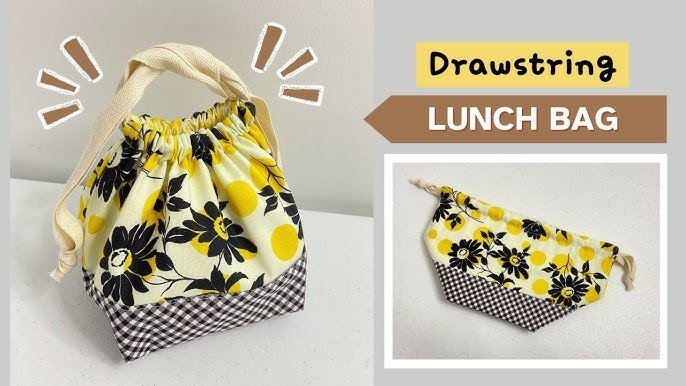
How to Sew a Lunch Box: Easy Steps for a Stylish DIY Meal Carrier
Are you tired of using plastic bags or disposable lunch containers that don’t last? Imagine having a lunch box that’s not only sturdy and reusable but also made by your own hands.
Sewing your own lunch box might sound tricky, but it’s easier than you think. In this guide, you’ll discover simple steps to create a personalized lunch box that fits your style and keeps your food fresh. Ready to turn fabric into something useful and stylish?
Let’s get started!
Materials Needed
Gathering the right materials is key to sewing a sturdy lunch box. Choosing quality fabric and tools makes the process easier and the final product durable. Prepare all supplies before starting to sew. This saves time and avoids interruptions.
Fabric Choices
- Canvas: Durable and easy to clean, perfect for lunch boxes.
- Oilcloth: Water-resistant and wipeable, keeps food safe and dry.
- Cotton: Lightweight and soft, use with a waterproof lining for protection.
- Insulated fabric: Helps keep food warm or cold longer.
Sewing Tools
- Sewing machine: Speeds up stitching and ensures strong seams.
- Needles: Use sharp needles suited for thick fabrics.
- Thread: Choose polyester or nylon for durability and strength.
- Scissors: Sharp fabric scissors make clean cuts easier.
- Measuring tape: For accurate fabric cutting and placement.
Additional Supplies
- Zippers or Velcro: To close the lunch box securely.
- Interfacing: Adds structure and firmness to the fabric.
- Lining fabric: Protects the inside and makes cleaning easier.
- Pins or clips: Hold fabric pieces together while sewing.
- Marking tools: Fabric chalk or washable markers for guiding cuts and stitches.

Credit: www.youtube.com
Cutting The Fabric
Cutting the fabric is a crucial step when sewing your own lunch box. This stage sets the foundation for the entire project, so accuracy is key. Taking your time here will save you from fitting issues and fabric waste later on.
Measuring Dimensions
Start by deciding the size of your lunch box. Think about how much space you need for your meals and snacks.
Use a ruler or measuring tape to get precise dimensions. Remember to add extra inches for seams and any padding.
Have you considered the thickness of your fabric? It can affect the final size, so take that into account while measuring.
Marking And Cutting
Once you have your measurements, transfer them onto the fabric using a fabric marker or tailor’s chalk. Clear, visible marks help avoid mistakes.
Cut along the lines carefully with sharp fabric scissors. Avoid using regular scissors—they can fray the edges and ruin your fabric.
Keep your hands steady and cut slowly to follow the shape exactly. Are you using any patterns or templates? They can make this process easier and more accurate.
Sewing The Base
Sewing the base of your lunch box sets the foundation for its durability and shape. This part demands your attention to detail because a well-constructed base ensures the entire lunch box stands up to daily use. Let’s look at how you can build a strong, functional base that holds everything neatly inside.
Creating The Main Compartment
Start by cutting a sturdy piece of fabric for the bottom panel. Choose something thick like canvas or oilcloth to handle weight and spills. Attach this base piece to the sides carefully, making sure the edges align perfectly to form a clean rectangle or square.
Pin the fabric securely before sewing to avoid shifting. Use a straight stitch and reinforce the seam by sewing twice. Have you noticed how a solid base prevents your lunch box from sagging when filled? That’s exactly what you want to achieve here.
Adding Reinforcements
Once the main compartment is in place, reinforce the base for extra strength. Add an interfacing or a thin foam layer between the outer fabric and lining to give your lunch box more structure. This also helps maintain its shape over time.
Double-stitch the corners and seams where the base meets the sides. This prevents wear and tear from everyday use. Think about how often your lunch box will be opened and closed—reinforcements at stress points make a big difference.
Don’t forget to test the sturdiness by placing some weight on the base before moving forward. Does it hold firm without bending? If not, consider adding another layer or using a heavier fabric. Your lunch box base is the unsung hero of your sewing project.
Adding Insulation
Adding insulation to your lunch box keeps food fresh and at the right temperature. It helps maintain warmth or coolness for hours. This step improves the lunch box’s function and makes it more useful daily.
Choosing Insulating Materials
Select materials that block heat or cold effectively. Common choices include foam, fleece, or thermal batting. Look for lightweight fabrics that add little bulk. Reflective thermal foil can also help keep food temperature steady. Choose materials safe for food containers and easy to sew.
Attaching Insulation Layers
Cut insulation pieces to fit the lunch box sides and bottom. Pin the layers between the outer fabric and lining fabric. Sew carefully around edges to keep insulation in place. Use a strong stitch to hold layers firmly. Check seams to avoid gaps where heat or cold can escape.
Constructing The Handles
Constructing the handles is a vital step in sewing a lunch box. Handles give the lunch box easy carrying ability. They also add style and comfort. Choosing the right handle style and attaching it securely ensures your lunch box lasts long and looks great.
Selecting Handle Styles
Choose handles that fit the size and weight of your lunch box. Consider these common styles:
- Simple Fabric Handles:Made from the same fabric as the lunch box. Soft and easy to sew.
- Webbing Handles:Strong and durable. Often made from nylon or cotton webbing.
- Rolled Handles:Padded fabric handles that provide extra comfort.
- Strap Handles:Adjustable and versatile, often used with buckles.
Pick a handle style that matches your sewing skills and lunch box use.
Sewing And Attaching Handles
Cut handle pieces to the desired length. Add seam allowance for sewing.
Fold and press fabric handles to create neat edges. For webbing, no folding is needed.
Attach handles to the lunch box body using strong stitches. Use a box or X shape stitch for extra strength.
Pin handles in place before sewing to keep them even and secure.
Double stitch the ends to avoid fraying and ensure durability.
Check the handles by pulling gently. They should feel secure and comfortable.
Adding Closures
Adding closures to your lunch box is an important step to keep everything secure and easy to access. Choosing the right closure can affect how convenient and durable your lunch box will be. Let’s look at some popular closure options and how to sew them properly.
Zippers And Velcro Options
Zippers offer a clean, secure closure that keeps your food safe and prevents spills. They come in various sizes and colors, making it easy to match your lunch box fabric. Consider using a nylon zipper for flexibility and smooth operation.
Velcro is a quick and simple alternative. It’s perfect if you want fast access without fussing with a zipper. Velcro strips are easy to sew and provide a strong hold, but keep in mind they might wear out faster than zippers if used heavily.
- Zippers:Best for a sturdy, long-lasting closure.
- Velcro:Great for quick opening and closing.
- Combination:Use both for extra security and convenience.
Sewing Closure Components
Sewing closures requires precision. Pin your zipper or Velcro in place before stitching to avoid shifting. Make sure to backstitch at the start and end to secure the thread and prevent unraveling.
When sewing zippers, use a zipper foot on your machine for a close, neat stitch. This helps you sew right next to the zipper teeth without damaging them. For Velcro, stitch around all edges to keep it firmly attached and prevent peeling.
Have you tried sewing closures that combine both style and function? Experimenting with different materials can improve your sewing skills and make your lunch box stand out.
Finishing Touches
Finishing touches can make your handmade lunch box truly stand out. They are not just about looks—they add durability and personal flair. These final steps ensure your lunch box is both practical and uniquely yours.
Decorative Elements
Add personality by sewing on decorative patches or appliques. Bright buttons, embroidered initials, or fabric paint can turn a simple lunch box into a statement piece.
Think about the theme you want—fun patterns for kids or sleek designs for adults. These small details often spark compliments and make your creation memorable.
Have you ever noticed how a tiny splash of color can change the entire look? Try contrasting thread colors for the stitching to give your lunch box an eye-catching outline.
Final Stitching And Inspection
Double-check all your seams to make sure they’re tight and secure. Weak stitches can cause your lunch box to fall apart quickly, which nobody wants.
Run your fingers along the edges to catch any rough spots or loose threads. Snip off excess threads to give your lunch box a clean, professional finish.
Don’t forget to test the zipper or closure a few times. It should open and close smoothly without catching fabric or feeling too tight.
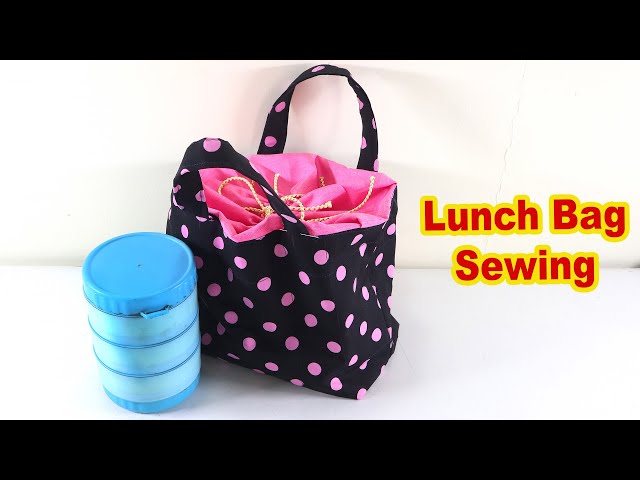
Would you carry your lunch box every day if it didn’t feel sturdy? Paying attention to these final details guarantees your creation will last through many meals and adventures.
Credit: www.youtube.com
Care And Maintenance
Taking care of your handmade lunch box is essential to keep it looking fresh and lasting longer. Proper care and maintenance make your sewing efforts worthwhile and ensure your lunch box stays hygienic for daily use. You might be surprised how small habits can make a big difference in preserving your creation.
Cleaning Tips
Cleaning your lunch box regularly prevents stains and odors from settling in. Use a gentle detergent and cold water to hand wash it, especially if you’ve used delicate fabrics or insulation materials.
If your lunch box has removable liners, take them out and wash separately to get every corner clean. Avoid bleach or harsh chemicals, as they can weaken the fabric and affect the colors.
Do you know that air-drying your lunch box in a shaded area can prevent fabric shrinkage and fading? Avoid direct sunlight for drying to keep colors vibrant and materials intact.
Storage Suggestions
Storing your lunch box properly keeps it ready for the next meal. Make sure it’s completely dry before putting it away to prevent mold or mildew growth.
Consider stuffing it with tissue paper or a clean cloth to maintain its shape while not in use. This small step helps avoid creases and keeps the structure firm.
Where you store your lunch box matters. Choose a cool, dry place away from moisture and heat sources to protect the fabric and insulation layers.
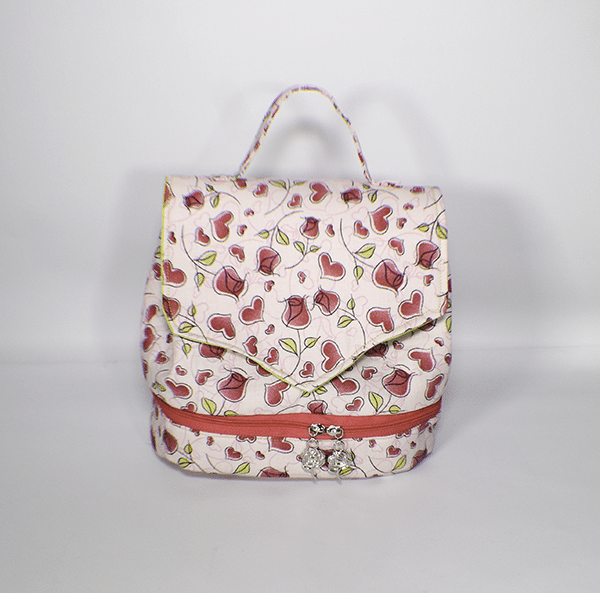
Credit: sewverycrafty.com
Frequently Asked Questions
What Materials Do I Need To Sew A Lunch Box?
To sew a lunch box, you’ll need fabric, a sewing machine, thread, scissors, and a zipper. Consider using insulated fabric for better temperature control. Choose a durable fabric that can withstand daily use. Having all materials ready will make the process smoother and more efficient.
How Long Does It Take To Sew A Lunch Box?
Sewing a lunch box usually takes about 2 to 4 hours. The time depends on your sewing skills and the complexity of the design. Beginners might take longer, while experienced sewers can complete it faster. Preparing materials and following a pattern can also speed up the process.
Can Beginners Sew A Lunch Box Easily?
Yes, beginners can sew a lunch box with a simple pattern. Choose a basic design without complex details. Start with easy-to-handle fabrics and follow step-by-step guides. Practice basic sewing skills beforehand to ensure a smoother experience. Patience and practice will help you succeed.
What Are The Benefits Of Sewing Your Own Lunch Box?
Sewing your own lunch box allows for customization and creativity. You can choose your preferred fabrics, colors, and designs. It’s often more eco-friendly and cost-effective than buying one. Plus, you gain a sense of accomplishment and improve your sewing skills through the process.
Conclusion
Sewing your own lunch box saves money and lets you customize designs. You control the size, colors, and materials used. It feels good to carry something made by your own hands. The steps are simple and fun to follow. Practice will improve your sewing skills.
Start with basic stitches and small pieces. Soon, you will enjoy creating more projects. Try making different styles for variety. Enjoy your homemade lunch box every day. Keep learning and sewing new things.
Ethan Cole is a kitchen innovation enthusiast and food technology writer at DiningGadgets.com. With over 8 years of experience reviewing cookware, smart kitchen tools, and design trends, he helps readers discover gadgets that make cooking easier and dining more enjoyable. When he’s not testing the latest kitchen appliances, Ethan enjoys experimenting with recipes and sharing practical tips for modern homes.