Diy Outdoor Dining Table: Stunning Ideas for Your Backyard Bliss
Imagine enjoying your meals outside, surrounded by fresh air and good company, at a dining table you built yourself. A DIY outdoor dining table isn’t just a piece of furniture—it’s a way to make your outdoor space truly yours.
Whether you have a small patio or a spacious backyard, creating your own table lets you customize size, style, and materials to fit your needs perfectly. Ready to add charm and function to your outdoor area while saving money? Keep reading, and you’ll discover easy steps and tips to build a sturdy, stylish dining table that will impress your family and friends.
Your perfect outdoor gathering spot is just a project away.
Credit: shopangelamariemade.myshopify.com
Choosing The Right Materials
Choosing the right materials for a DIY outdoor dining table affects its look and durability. Outdoor tables face weather changes, so materials must be strong and weather-resistant. Picking the right material also helps keep maintenance easy and extends the table’s life.
Wood Options
Wood gives a warm and natural look to outdoor tables. Some woods resist water and insects better than others. Teak is very strong and lasts long outside. Cedar and redwood have natural oils that fight decay. Pine is cheaper but needs good sealing to protect it.
Wood requires regular care like sealing or staining. This keeps it looking fresh and prevents cracks. Smooth sanding before finishing helps protect the wood. Choose wood that fits your budget and style.
Metal Choices
Metal tables offer a modern and sleek look. Aluminum is light and won’t rust, making it great for outdoors. Steel is strong but needs a protective coating to stop rust. Wrought iron is heavy and durable but can rust without care.
Metal tables often need less maintenance than wood. Powder coating adds color and protection. Metal works well for simple or intricate designs. Match metal choice with your outdoor style.
Recycled Materials
Recycled materials are eco-friendly and often very durable. Recycled plastic lumber looks like wood but won’t rot or splinter. It resists insects and moisture well. Using reclaimed wood adds character and reduces waste.
Recycled metal can be sturdy and weatherproof. These materials may cost more upfront but save on upkeep. They suit those who want a green and lasting table option.
Design Inspirations
Designing your own outdoor dining table offers a chance to express your style. It sets the mood for your outdoor space. Various design ideas can guide you to create the perfect table. Each style brings a unique vibe and charm.
Rustic Charm
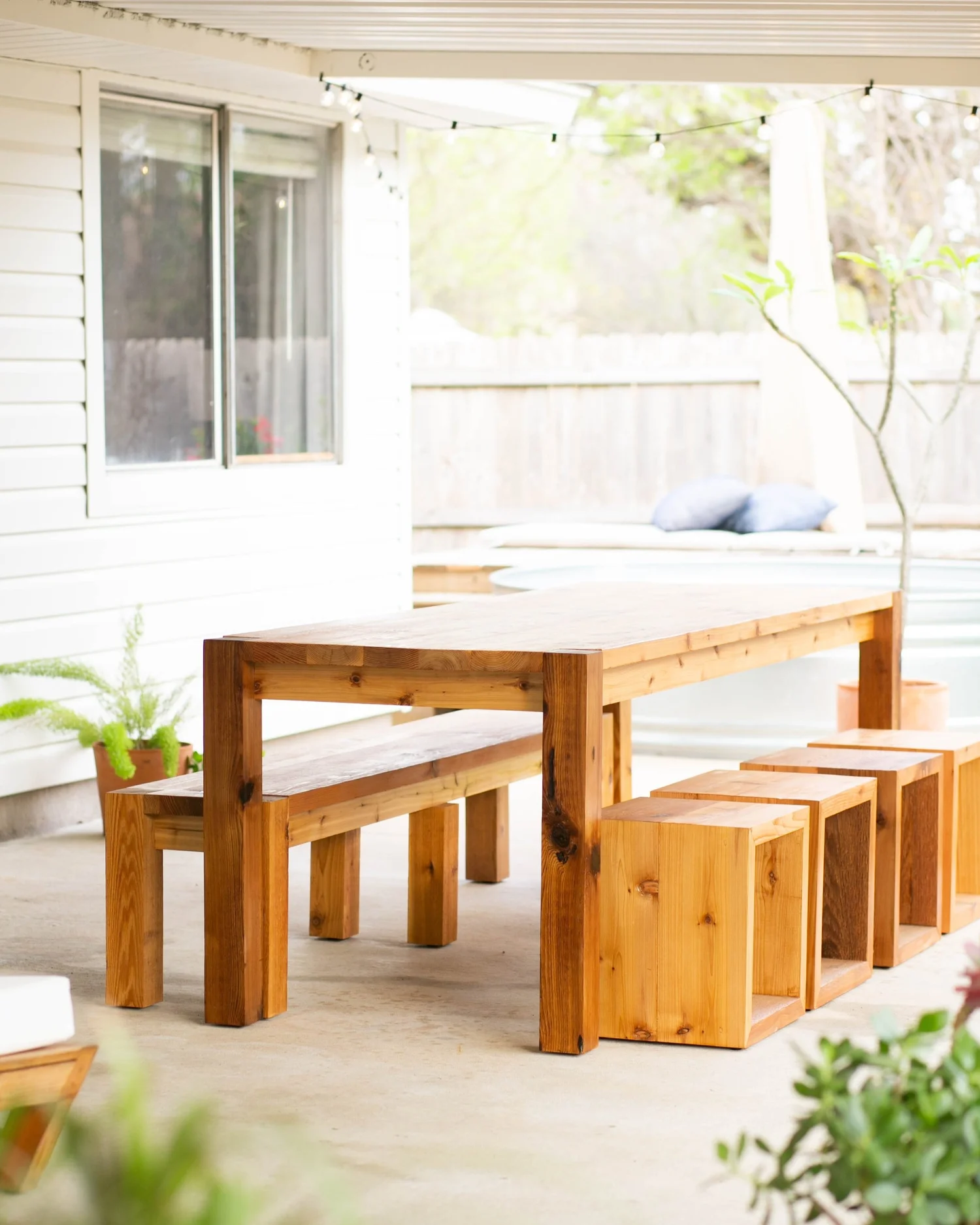
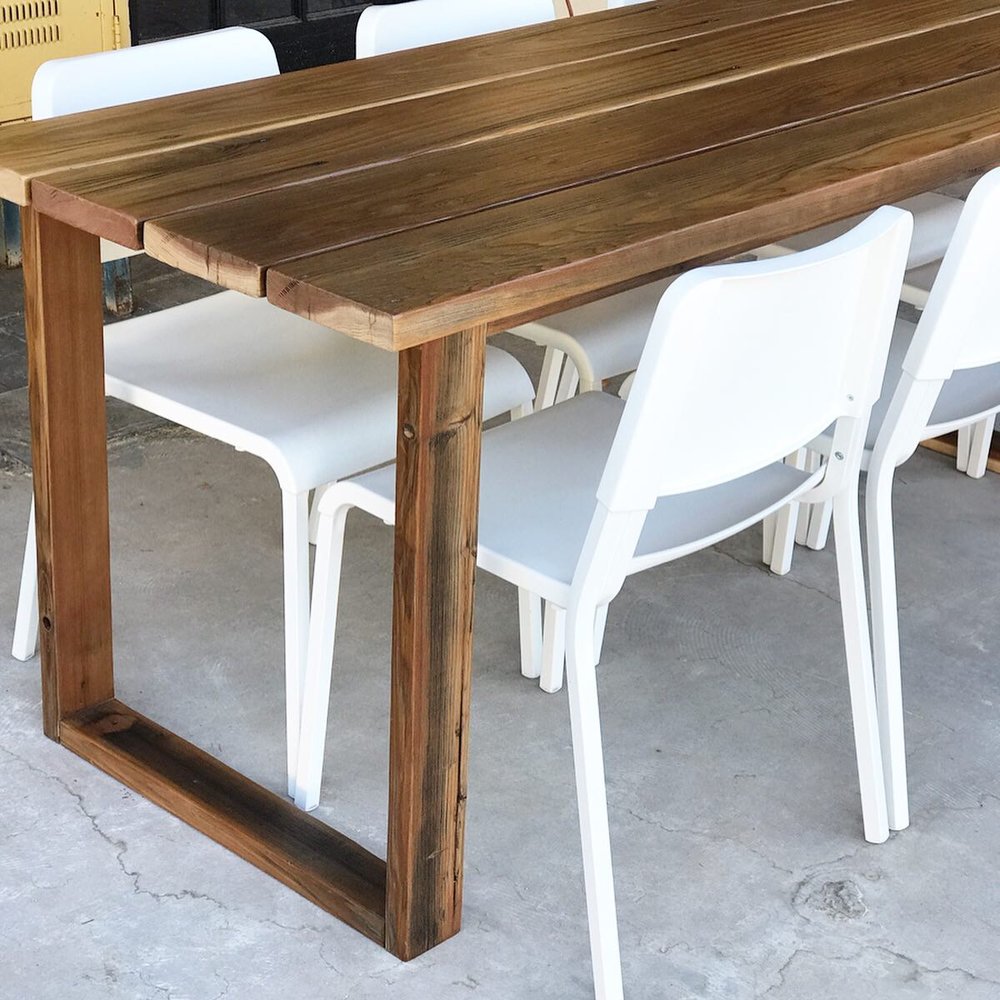
Rustic design highlights natural wood and simple shapes. Rough edges and visible grain create warmth. Use reclaimed wood for an authentic look. Pair with sturdy metal or wooden legs. This style fits well in gardens and patios. It invites a cozy and welcoming atmosphere.
Modern Minimalism
Modern minimalism focuses on clean lines and smooth surfaces. Choose materials like metal, glass, or polished wood. Keep the design simple without extra decoration. Use neutral colors to maintain calm and balance. This style suits small spaces and contemporary homes. It offers a sleek and elegant outdoor dining spot.
Eclectic Fusion
Eclectic fusion mixes different styles and materials. Combine wood with metal or colorful accents. Add unique shapes or patterns for personality. This design allows creativity and personal touch. Perfect for those who enjoy bold and playful looks. It makes your outdoor dining area stand out.
Essential Tools And Equipment
Building your own outdoor dining table is a rewarding project, but having the right tools and equipment can make all the difference. Without proper preparation, you might find yourself stuck or frustrated midway through the build.
Knowing exactly what you need before you start saves time and keeps your work safe and precise. Let’s look at the essential tools you’ll want to have on hand to ensure your DIY table turns out just right.
Basic Tools
At the core of your project, basic tools handle most of the cutting, measuring, and assembling tasks.
- Measuring Tape:Accurate measurements are key. A sturdy tape measure prevents costly mistakes.
- Hand Saw or Circular Saw:Cutting wood to size is easier with a sharp, reliable saw. Circular saws speed up the process, but a hand saw works well for beginners.
- Hammer:Essential for driving nails or adjusting pieces during assembly.
- Screwdrivers:Both flathead and Phillips heads are important for fastening screws securely.
- Clamps:These hold your wood pieces steady while you work, preventing slips and misalignment.
Specialized Equipment
While basic tools get you started, specialized equipment helps you achieve a professional finish and tackle more complex tasks.
- Power Drill:Drills speed up screw driving and allow you to pre-drill holes, reducing wood splitting.
- Sander or Sandpaper:Smooth edges and surfaces for a polished look. Electric sanders save time, but good quality sandpaper works fine for smaller projects.
- Wood Glue:This adds extra strength to joints, especially when combined with screws or nails.
- Square or Carpenter’s Square:Ensures your corners and edges are perfectly straight and aligned.
- Wood Stain or Sealant Tools:Brushes or rags help apply finishes that protect your table from outdoor weather.
Safety Gear
Protecting yourself is non-negotiable. Safety gear keeps you safe and confident as you work.
- Safety Glasses:Protect your eyes from flying sawdust and debris.
- Ear Protection:Power tools can be loud—earplugs or earmuffs help prevent hearing damage.
- Work Gloves:Shield your hands from splinters, cuts, and rough surfaces.
- Dust Mask:Prevent inhaling sawdust, especially when sanding or cutting treated wood.
Have you ever started a project only to realize you didn’t have the right tool? Getting your tools ready first means you can focus fully on your craftsmanship, making the process smoother and more enjoyable.
Credit: www.theawesomeorange.com
Step-by-step Construction Guide
Building your own outdoor dining table can be a rewarding project. This guide breaks down the process into clear, simple steps. Follow along to create a sturdy, beautiful table that fits your space perfectly.
Building The Tabletop
Start by selecting wood planks of equal size and length. Lay them side by side to form the tabletop surface. Use sandpaper to smooth each plank’s edges and surfaces. Secure the planks together with wood glue. Reinforce the connection with screws underneath the tabletop. This ensures a strong, flat surface ready for use.
Crafting The Legs
Choose four wooden legs of the same height for balance. Cut the legs to your desired table height using a saw. Sand the edges to avoid splinters and rough spots. For extra stability, you can add cross supports between the legs. Drill pilot holes to prevent wood splitting when attaching the legs to the tabletop.
Assembling The Table
Position the legs evenly under the tabletop corners. Attach each leg securely using screws and brackets if available. Check the table for wobbling and adjust the legs if needed. Finish by applying a protective wood sealant or paint. This step protects your table from outdoor weather and extends its life.
Finishing Touches
Finishing touches make your DIY outdoor dining table stand out. These details protect the wood and enhance its look. A well-finished table lasts longer and feels inviting. Focus on staining, decorative elements, and weatherproofing for the best results.
Staining And Sealing
Staining adds color and highlights the wood grain. Choose a stain that matches your outdoor space style. Apply it evenly with a brush or cloth. Let the stain dry fully before sealing.
Sealing protects wood from moisture and sun damage. Use a clear outdoor sealer or varnish. Apply multiple thin coats for strong protection. Allow each coat to dry before adding the next.
Decorative Elements
Decorative touches personalize your dining table. Consider adding:
- Metal accents or corner brackets for a rustic look
- Engraved patterns or stencils on the tabletop
- Colorful painted designs for a pop of fun
- Decorative hardware like unique screws or handles
Keep decorations simple and weather-resistant. They should enhance, not overwhelm, the table’s natural beauty.
Weatherproofing
Weatherproofing keeps your table safe outdoors. Use waterproof sealants or marine varnish. Cover the table when not in use to prevent damage. Raise the table slightly off the ground to avoid water pooling.
Check the finish yearly and reapply sealant if needed. Protecting your table means it will stay beautiful for years.
Incorporating Seating Solutions
Choosing the right seating makes your outdoor dining table complete and inviting. It shapes the way guests relax and enjoy meals. Comfort and style both matter in outdoor spaces. Seating solutions should fit your table size and your space. They can be simple or built-in, depending on your needs.
Bench Styles
Benches offer a casual, communal feel for outdoor dining. They save space and can fit many people. Wooden benches bring a natural, warm look. Metal benches add a modern touch and last long. Cushions improve comfort and can be swapped for new colors or patterns. Benches slide under the table to keep your area neat.
Chairs And Stools
Chairs provide personal space and support for each guest. Choose lightweight chairs for easy moving. Stools are great for smaller spaces or high tables. Both come in many materials like wood, plastic, and metal. Mix and match styles for a fun, relaxed vibe. Add cushions to soften hard seats and add color.
Built-in Seating
Built-in seating creates a cozy, permanent dining spot. It can follow the shape of your table or garden area. Use the same wood as your table for a unified look. Storage space can hide under benches for tools or cushions. Built-ins are sturdy and weather-resistant with the right finish. They blend well with landscaping and save floor space.
Lighting And Ambiance
Lighting shapes the mood of your outdoor dining space. It invites warmth and comfort as daylight fades. Proper lighting helps you enjoy meals and conversations long after sunset. It also highlights the beauty of your DIY table and garden. Creating the right ambiance can turn simple dinners into memorable gatherings.
String Lights
String lights add a soft, glowing touch above your dining area. Hang them across trees, poles, or pergolas. Choose warm white bulbs for a cozy feel. They create a magical canopy of light that feels inviting. String lights are easy to install and energy-efficient. They brighten the space without harsh glare.
Candles And Lanterns
Candles bring a flickering, natural light that soothes the senses. Use citronella candles to keep bugs away while adding ambiance. Lanterns come in many styles and sizes. Place them on the table or around the dining area. Battery-operated or solar lanterns offer safe and simple lighting. Their gentle glow makes every meal feel special.
Fire Pit Enhancements
A fire pit adds warmth and a lively light source. It serves as a gathering spot for stories and laughter. Surround your dining table with chairs near the fire pit. Consider adding decorative stones or bricks around the pit. Fire pits also extend your outdoor season into cooler nights. The dancing flames create a dramatic and cozy atmosphere.
Maintenance Tips
Keeping your DIY outdoor dining table in top shape doesn’t have to be a chore. Regular maintenance extends its life and keeps it looking great for every gathering. Here are some straightforward tips that will help you care for your table effectively.
Cleaning Techniques
Start with a gentle approach to avoid damaging the surface. Use a soft cloth or sponge with mild soap and warm water to wipe down the table. Avoid harsh chemicals that can strip finishes or harm wood fibers.
For stubborn stains, try a mixture of baking soda and water applied gently with a soft brush. Rinse thoroughly and dry immediately to prevent water spots or damage.
Seasonal Care
Weather changes can be tough on outdoor furniture. Before winter or heavy rain, consider applying a protective sealant or outdoor furniture oil to shield the wood from moisture and cracking.
If possible, cover your table with a breathable outdoor cover or store it indoors during harsh seasons. This simple step can save you from costly repairs later.
Repair Solutions
Minor scratches or dents are common but easy to fix. Lightly sanding the affected area and reapplying finish or paint can refresh your table’s appearance.
Loose screws or joints should be tightened regularly to maintain stability. If you notice any cracks, fill them with wood filler and sand smooth once dry.
Have you checked your table lately for small issues before they turn into big problems? Taking a few minutes now can save hours of work down the road.

Credit: www.youtube.com
Frequently Asked Questions
What Materials Are Best For A Diy Outdoor Dining Table?
Wood like cedar or teak is ideal for durability and weather resistance. These woods handle moisture well and age beautifully outdoors. Avoid softwoods unless treated properly. Metal and recycled plastic are good alternatives for low maintenance options.
How Do I Protect My Diy Outdoor Dining Table?
Apply a water-resistant sealant or outdoor varnish to protect from rain and sun. Reapply every year for best results. Cover the table when not in use to prevent dirt and UV damage. Proper maintenance extends the table’s life significantly.
What Tools Are Needed To Build An Outdoor Dining Table?
Basic tools include a saw, drill, measuring tape, screwdriver, and clamps. Sandpaper or a power sander smooths surfaces. Optional tools like a miter saw or nail gun speed up the process. Safety gear like gloves and goggles is essential.
How Long Does It Take To Build A Diy Outdoor Dining Table?
Building usually takes one to two weekends depending on skill level and design complexity. Simple designs with basic tools take less time. Allow extra time for drying finishes or paint. Planning and preparation reduce overall construction time.
Conclusion
Building your own outdoor dining table is a fun and rewarding project. It brings style and function to your backyard. You can choose the size and design that fit your space best. Working with wood and tools helps you learn new skills.
Plus, you save money compared to buying a ready-made table. A DIY table makes outdoor meals more special. It invites family and friends to gather and enjoy. Start small, take your time, and enjoy the process. Your garden will thank you for it.

Sophia Martinez is a culinary lifestyle writer and product reviewer for DiningGadgets.com. Passionate about blending style with functionality, she explores the latest dining essentials, kitchen décor, and cleaning hacks that transform everyday cooking spaces. With a background in home organization and design, Sophia brings readers expert advice on creating beautiful, practical kitchens that truly feel like the heart of the home.