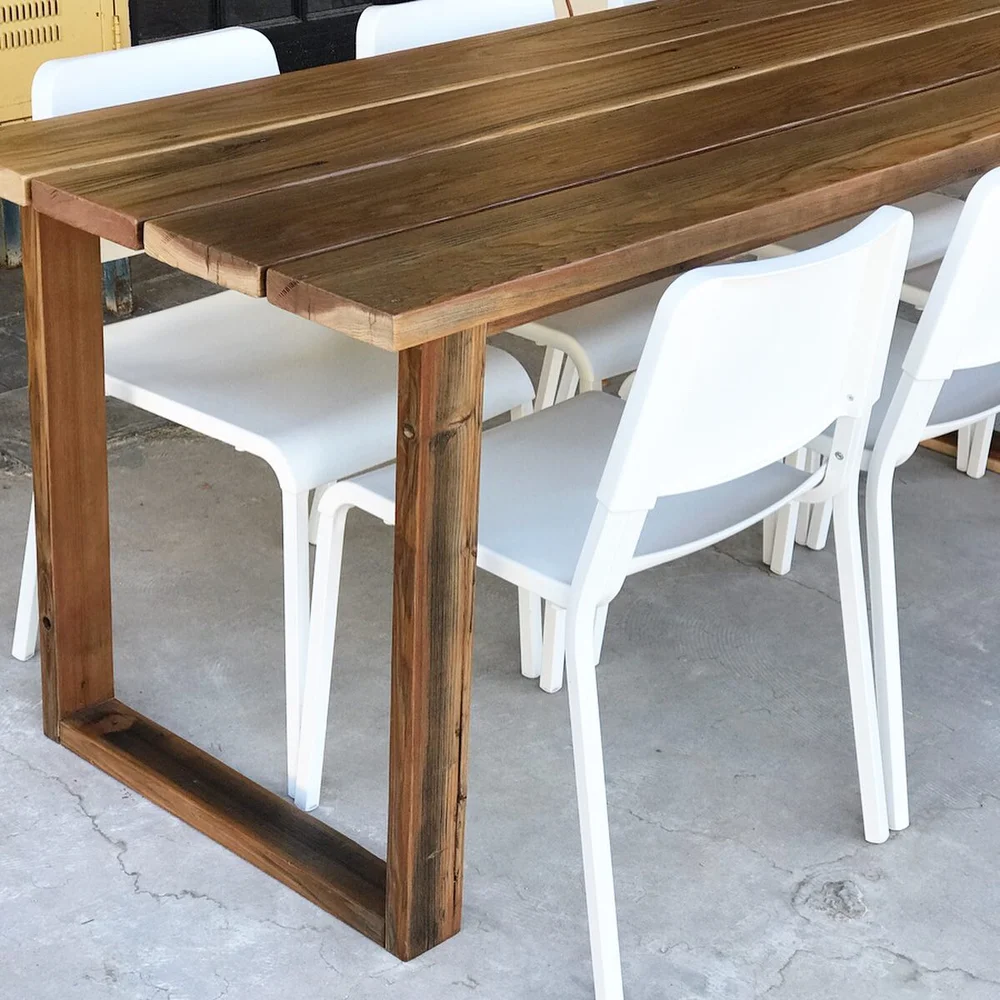
Outdoor Dining Table DIY: Easy Steps for Stunning Results
Are you ready to transform your backyard into the perfect spot for unforgettable meals and gatherings? Building your own outdoor dining table DIY style is easier than you might think.
Imagine having a sturdy, beautiful table made just the way you want it—designed to fit your space and match your style. In this guide, you’ll discover simple steps and smart tips that anyone can follow, even if you’ve never built furniture before.
Keep reading, and you’ll be surprised at how quickly you can create a centerpiece that turns your outdoor space into a place everyone wants to be. Your next favorite dining spot is just a few tools away.
Choosing The Right Materials
Choosing the right materials is key to building a durable outdoor dining table. Materials must handle sun, rain, and wind well. Select materials that last long and fit your style. Consider maintenance needs and budget too.
Wood Options
Wood brings warmth and natural beauty to outdoor tables. Teak is a popular choice for its strength and resistance to rot. Cedar is lightweight and repels insects. Pine is affordable but needs sealing to avoid damage. Choose hardwoods for durability and softwoods for cost savings.
Metal Selections
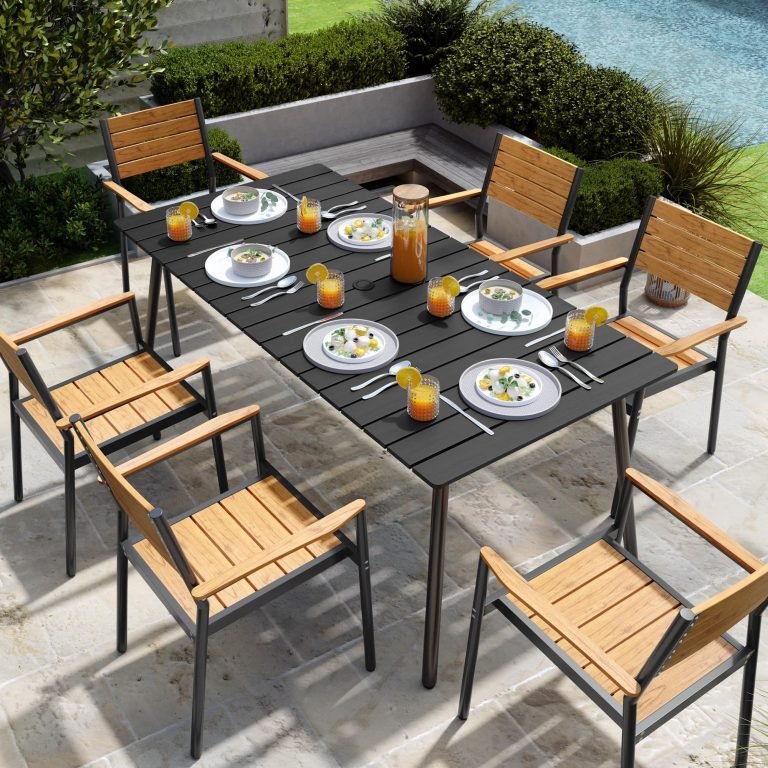
Metal tables offer a modern and sturdy look. Aluminum resists rust and is lightweight. Steel is very strong but requires a protective coating. Wrought iron adds classic charm but needs regular upkeep. Metals work well for stable, long-lasting furniture.
Weather-resistant Finishes
Finishes protect your table from weather damage. Use sealants or varnishes designed for outdoor use. Paints with UV protection prevent fading. Oil finishes keep wood hydrated and fresh. Regular reapplication extends the life of your table.
Essential Tools For The Project
Building your own outdoor dining table is a rewarding project that requires the right set of tools. Having essential tools at hand not only makes the work easier but also ensures your table turns out sturdy and well-crafted. You’ll save time and reduce frustration when you’re fully equipped before starting.
Cutting Tools
Precise cuts are the foundation of a good outdoor dining table. A circular saw or a miter saw will help you slice through wood cleanly and accurately. If you want to add some detailed edges or rounded corners, a jigsaw is a handy tool to have.
Always check your blade sharpness before cutting. Dull blades can ruin wood and waste material. Have a sturdy workbench or sawhorses ready to support your wood while cutting to keep everything stable.
Assembly Equipment
Once your pieces are cut, you’ll need tools for putting everything together. A cordless drill with various drill bits speeds up the process of driving screws into place. Clamps are invaluable to hold parts steady as you screw or glue them.
Don’t forget measuring tools like a tape measure and a carpenter’s square. These ensure your table’s legs and tabletop align perfectly. Using wood glue alongside screws adds strength to the joints and keeps your table solid over time.
Safety Gear
Protecting yourself is just as important as the tools you use. Safety glasses shield your eyes from wood chips and dust, which can be more dangerous than you expect. Ear protection helps prevent hearing damage when you’re using loud power tools.
Gloves protect your hands from splinters and accidental cuts. Also, consider a dust mask to avoid inhaling sawdust, especially if you’re working in a less-ventilated area. Have a first aid kit nearby — small cuts can happen quickly, and it’s better to be prepared.
Designing Your Table
Designing your outdoor dining table shapes the whole project. Thoughtful design ensures the table fits your space and meets your needs. It blends style, size, and function for the perfect outdoor spot.
Measuring And Planning
Start by measuring the available space carefully. Leave room for chairs and movement around the table. Consider the number of people who will usually sit there.
Draw a simple plan or sketch. Mark dimensions and any obstacles nearby. Planning helps avoid surprises during building.
Style Considerations
Choose a style that matches your outdoor area. Rustic wood works well for natural gardens. Sleek metal suits modern patios.
Think about colors and finishes. They should blend with existing furniture and decor. A cohesive look creates a welcoming atmosphere.
Functionality Tips
- Use weather-resistant materials to ensure durability.
- Design the table height to fit your chairs comfortably.
- Include extra space for serving dishes and drinks.
- Consider foldable or extendable features for flexibility.
- Add storage options like built-in shelves if possible.

Credit: www.youtube.com
Step-by-step Construction
Creating your own outdoor dining table can be a rewarding project, especially when you see it come together piece by piece. The key is to focus on each part carefully to ensure a sturdy and beautiful final product. Let’s break down the construction into manageable parts that you can tackle with confidence.
Cutting And Preparing Materials
Start by selecting wood that suits outdoor use, like cedar or treated pine. Measure twice, cut once—this old saying saves you from costly mistakes. Smooth all edges with sandpaper to avoid splinters and to prepare the surface for finishing.
Consider the dimensions you want your table to have and cut the wood accordingly. Don’t rush this step; precision here impacts the entire build. Have you ever seen a table wobble because the legs were uneven? Avoid that by checking each piece’s length carefully.
Building The Tabletop
Lay out the boards for the tabletop side by side on a flat surface. You can use wood glue between the boards to strengthen the tabletop, but clamps are essential to hold everything tightly while it dries. Adding screws or nails along the edges increases durability.
Think about spacing between the boards to allow for wood expansion due to weather changes. Leaving small gaps helps prevent warping over time. How much gap you leave depends on your local climate—have you noticed how wood behaves in your area?
Assembling The Base
Construct the base by first making the legs and then attaching the support beams. Use sturdy joints like mortise and tenon or pocket screws for a solid frame. The base should balance the tabletop perfectly to avoid any tipping.
Once the base is ready, secure the tabletop on top with screws from underneath. This keeps the surface clean and smooth. Check the stability by pressing on different areas—does it feel firm or does it rock? Adjust as needed before finishing.
Finishing Touches
Finishing touches bring your outdoor dining table project to life. This stage ensures the table looks great and lasts through all seasons. Pay close attention to details. A smooth, protected surface makes the table safe and durable.
Sanding And Smoothing
Start with sanding the entire table surface. Use medium-grit sandpaper to remove rough spots and splinters. Follow with fine-grit sandpaper for a smooth finish. Sand edges and corners carefully to avoid sharp areas. Wipe off dust with a damp cloth after sanding.
Applying Protective Coats
Protective coatings guard your table against weather damage. Choose outdoor wood sealers or varnishes designed for exterior use. Apply thin, even layers using a brush or cloth. Let each coat dry fully before adding another. Two to three coats offer strong protection. This step extends the table’s life and keeps it looking fresh.
Decorative Additions
Personalize your table with simple decorations. Add stencils or paint patterns for a unique look. Attach metal or ceramic tiles for extra style and durability. Consider adding a matching centerpiece or outdoor tablecloth. Small touches make your DIY table inviting and special.

Credit: www.youtube.com
Maintenance And Care Tips
Maintaining your outdoor dining table is essential to keep it looking fresh and lasting longer. Simple care routines prevent damage from weather and daily use. Regular attention saves money on repairs and replacements.
Cleaning Techniques
Clean your table regularly to remove dirt and stains. Use mild soap mixed with warm water. Avoid harsh chemicals that can damage the surface.
- Wipe the table with a soft cloth or sponge.
- Rinse with clean water to remove soap residue.
- Dry thoroughly to prevent water spots or mold.
- For tougher stains, use a gentle brush to scrub lightly.
Seasonal Protection
Protect the table during harsh weather to extend its life. Cover the table with a waterproof cover when not in use. Store it indoors or in a sheltered area during winter months.
- Apply a sealant or protective finish yearly for wooden tables.
- Use UV-protective sprays to prevent sun damage on plastic or metal.
- Remove cushions or fabric parts and store them in dry places.
Repair Tips
Fix minor damage quickly to avoid bigger problems. Tighten loose screws or bolts to keep the table stable. Fill small cracks or chips with wood filler or appropriate repair kits.
- Sand rough spots gently before applying finish or paint.
- Replace broken parts like legs or slats if needed.
- Check regularly for rust and treat metal surfaces with rust remover.

Credit: www.reddit.com
Frequently Asked Questions
What Materials Are Best For An Outdoor Dining Table Diy?
Weather-resistant woods like cedar, teak, and redwood work best. They resist rot and insect damage. Metal and composite materials also offer durability for outdoor use.
How Do I Protect My Diy Outdoor Dining Table?
Apply a weatherproof sealant or outdoor paint to protect against moisture. Regularly clean and re-seal the surface annually to maintain durability and appearance.
What Tools Are Needed For Building An Outdoor Dining Table?
Basic tools include a saw, drill, measuring tape, screwdriver, and clamps. Sandpaper and a paintbrush are essential for finishing and sealing the table.
How Long Does It Take To Build An Outdoor Dining Table?
Most DIY outdoor tables take 1-3 days, depending on complexity. Allow extra time for drying paint or sealant between steps.
Conclusion
Building your own outdoor dining table brings joy and pride. It fits your space and style perfectly. You can enjoy meals outside with family and friends. The project is simple and fun to do. Using basic tools and materials saves money.
Personal touches make the table unique and special. Start small, take your time, and enjoy the process. Your outdoor space will feel warm and inviting. A handmade table creates lasting memories for everyone. Try it and see how rewarding it can be.

Sophia Martinez is a culinary lifestyle writer and product reviewer for DiningGadgets.com. Passionate about blending style with functionality, she explores the latest dining essentials, kitchen décor, and cleaning hacks that transform everyday cooking spaces. With a background in home organization and design, Sophia brings readers expert advice on creating beautiful, practical kitchens that truly feel like the heart of the home.