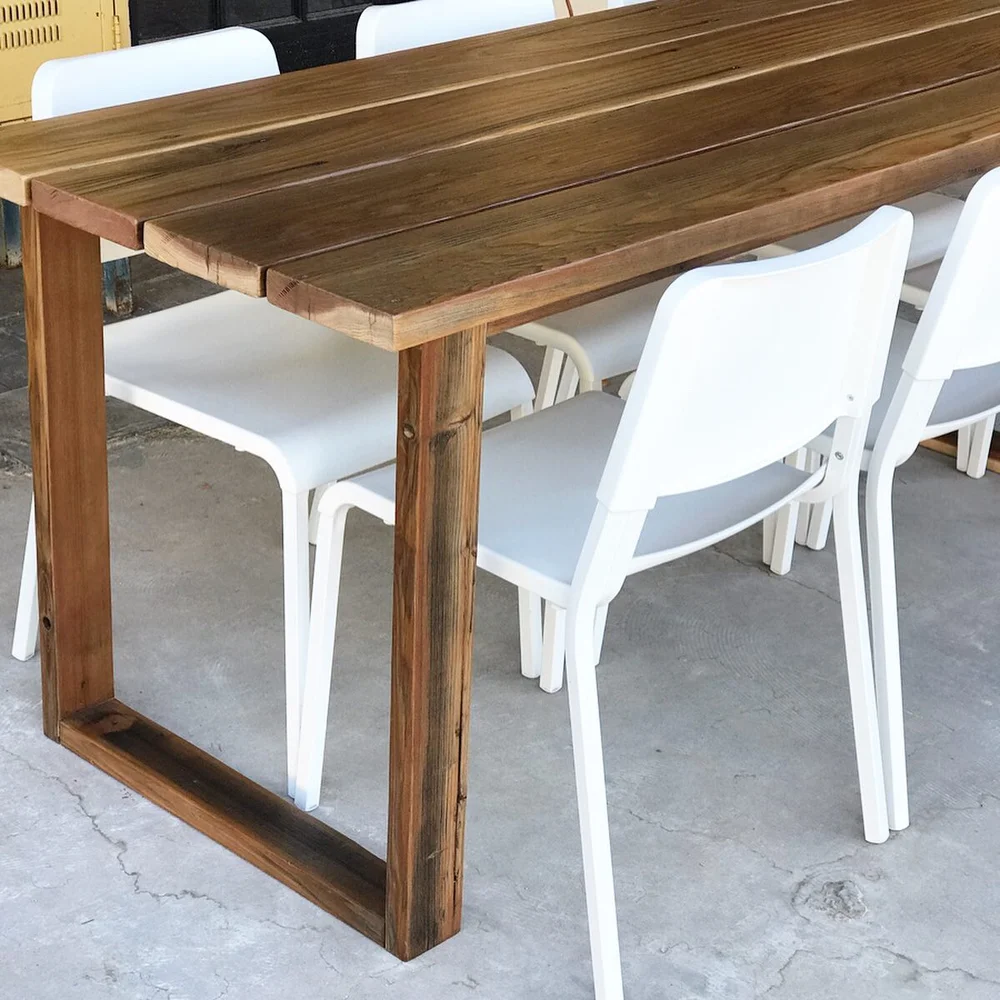
Make Outdoor Dining Table: Easy DIY Ideas for Stunning Results
Imagine gathering your friends and family around a beautiful outdoor dining table you made yourself. Picture the warm sun, fresh air, and the joy of sharing meals in your own backyard.
You don’t need to spend a fortune or hire a pro to create this perfect spot. You’ll discover simple steps to build your own outdoor dining table that fits your style and space. Ready to turn your outdoor area into a cozy dining haven?
Let’s get started!
Choosing The Right Materials
Choosing the right materials is key to making a durable outdoor dining table. The materials must withstand weather changes and daily use. Picking the right one helps the table last longer and look good. Consider factors like weather resistance, maintenance, and style.
Wood Options For Outdoor Tables
Wood offers a natural, warm look for outdoor tables. Teak is very strong and resists moisture well. Cedar is lightweight and has natural oils that stop decay. Pine is affordable but needs treatment to resist weather. Always seal wood to protect it from sun and rain.
Metal Choices For Durability
Metal tables are sturdy and modern in style. Aluminum resists rust and is light to move. Steel is very strong but can rust if not coated. Wrought iron looks classic but needs regular paint to stop rust. Metal tables work well in many outdoor settings.
Plastic And Resin For Low Maintenance
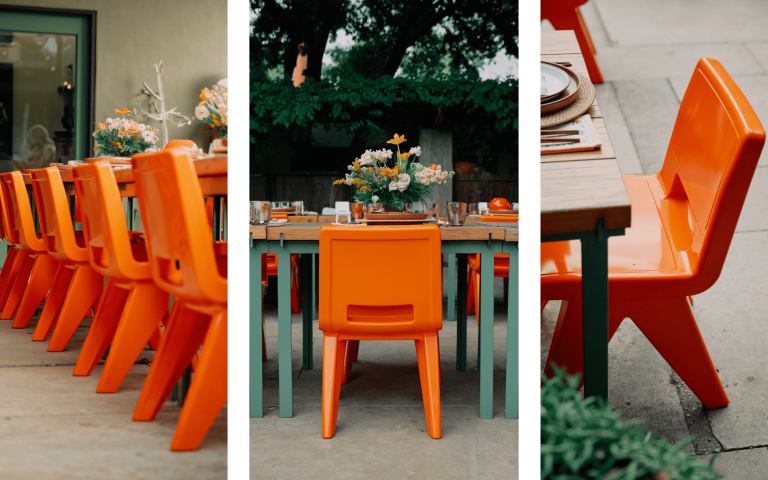
Plastic and resin tables are easy to clean and weatherproof. They do not fade or crack under sun exposure. These materials are lightweight and often budget-friendly. They come in many colors and styles. Plastic tables suit casual outdoor dining spaces.
Stone And Concrete For A Solid Feel
Stone and concrete tables provide a heavy, stable surface. Granite is resistant to heat and scratches. Concrete can be molded into many shapes and styles. Both need sealing to avoid stains and weather damage. These materials are perfect for a strong, lasting table.

Credit: www.youtube.com
Essential Tools For Construction
Building an outdoor dining table requires specific tools to make the process smooth and efficient. Having the right tools saves time and ensures accuracy during construction. It also helps create a sturdy and lasting table.
Each tool plays a unique role in cutting, assembling, and finishing the wood. Using quality tools improves the overall result and makes the project enjoyable.
Measuring And Marking Tools
Accurate measurements are the base of any good project. Tools like tape measures, squares, and pencils help mark precise lines and angles. These tools ensure all parts fit well together.
Cutting Tools
Cutting wood to the right size needs sharp and reliable tools. Handsaws, circular saws, or jigsaws are common choices. Choosing the right saw depends on the wood type and cut shape.
Assembly Tools
Joining parts securely requires drills, screwdrivers, and clamps. A power drill makes screwing faster and easier. Clamps hold the wood steady while assembling.
Sanding And Finishing Tools
Sanding smooths rough edges and prepares the surface for finishing. Sandpaper or electric sanders work well for this task. Finish with brushes or rags to apply paint or sealant evenly.
Design Inspiration
Design inspiration guides the creation of an outdoor dining table. It sets the mood and style for your outdoor space. Choosing the right design can make your table both functional and beautiful. Explore different styles to find what fits your taste and environment.
Rustic Charm
Rustic charm brings warmth and a natural feel. Use wood with visible grain and knots. Rough edges add character and a handmade look. Earthy colors like browns and greens enhance the rustic style. Pair with simple benches or mismatched chairs for a cozy vibe.
Modern Minimalism
Modern minimalism focuses on clean lines and simplicity. Choose sleek materials like metal, glass, or smooth wood. Neutral colors like white, black, or gray keep the look calm. Avoid extra decorations to keep the space open and airy. This style fits small or large outdoor areas well.
Vintage Elegance
Vintage elegance mixes classic shapes with soft details. Look for curved legs and delicate carvings. Pastel colors or muted tones add softness. Use antique finishes or distressed paint for an aged look. Add cushions or lace tablecloths to complete the style.
Step-by-step Guide
Building your own outdoor dining table can be a rewarding project that adds charm and functionality to your backyard. This guide breaks down the process into clear, manageable parts so you can confidently create a sturdy, beautiful table that suits your style and space.
Preparing The Workspace
Choose a flat, well-lit area with enough space to spread out your materials and tools. Clean the surface to avoid dust or debris interfering with your work. Organize your tools—such as saws, drills, screws, and clamps—within easy reach to keep the workflow smooth.
Think about safety too: wear protective glasses and gloves. Proper preparation saves time and frustration later, so don’t rush this step.
Cutting The Wood
Measure twice, cut once. Mark your wood pieces carefully according to your table dimensions. Use a sharp saw to make clean, straight cuts.
Cutting accurately ensures your table fits together well. If you’re new to sawing, practice on scrap wood first to gain confidence and control.
Assembling The Frame
Start by connecting the legs to the apron—the horizontal supports around the table’s edge. Use wood glue and screws for a strong bond. Double-check that corners form right angles to keep the frame square.
Clamps can hold pieces steady while the glue dries. Ask yourself: is the frame level and sturdy before moving on? A solid frame is the backbone of your table.
Attaching The Tabletop
Lay the tabletop boards side by side and secure them together with battens underneath for extra support. Position the assembled frame on top, aligning it carefully.
Attach the tabletop to the frame using screws from underneath to keep the surface smooth. Check for any rough edges and sand them down to avoid splinters.
Do you feel the satisfaction of turning raw wood into a piece you can use and enjoy? This hands-on approach gives you a unique table tailored to your outdoor living space.
Finishing Touches
Adding the finishing touches to your outdoor dining table is where your project truly comes to life. These final steps not only enhance the table’s appearance but also ensure it withstands the outdoor elements. Taking your time here can make a big difference in durability and style.
Sanding And Smoothing
Before applying any finish, make sure your table surface is smooth to the touch. Start with a coarser grit sandpaper to remove any rough spots or uneven edges. Then, switch to a finer grit to create a silky finish that feels great and looks polished.
Sanding is more than just a step; it’s your chance to perfect the wood. I once skipped thorough sanding, and the rough surface made staining uneven and blotchy. Don’t rush this part—it pays off in the final look and feel.
Staining Or Painting
Choosing between stain or paint depends on the look and protection you want. Stain highlights the natural grain of the wood while adding color, whereas paint offers a bold, uniform finish that can hide imperfections.
If you want to maintain the wood’s character, go for a semi-transparent stain. For a pop of color that stands out, use an outdoor-grade paint. Remember to apply thin, even coats and allow proper drying time between layers to avoid drips or uneven coverage.
Weatherproofing Techniques
Outdoor furniture faces rain, sun, and temperature changes, so protecting your table is essential. Use a clear outdoor sealant or polyurethane to create a waterproof barrier that guards against moisture and UV damage.
Another effective approach is applying multiple layers of sealant, sanding lightly between coats. This builds a tough, long-lasting finish. Ask yourself: how often do you want to maintain this table? The more durable your weatherproofing, the less upkeep you’ll need over time.
Decorative Elements
Decorative elements bring life and charm to your outdoor dining table. They create a warm and inviting space for family and friends. Thoughtful decorations enhance the dining experience and make meals more enjoyable.
Adding Centerpieces
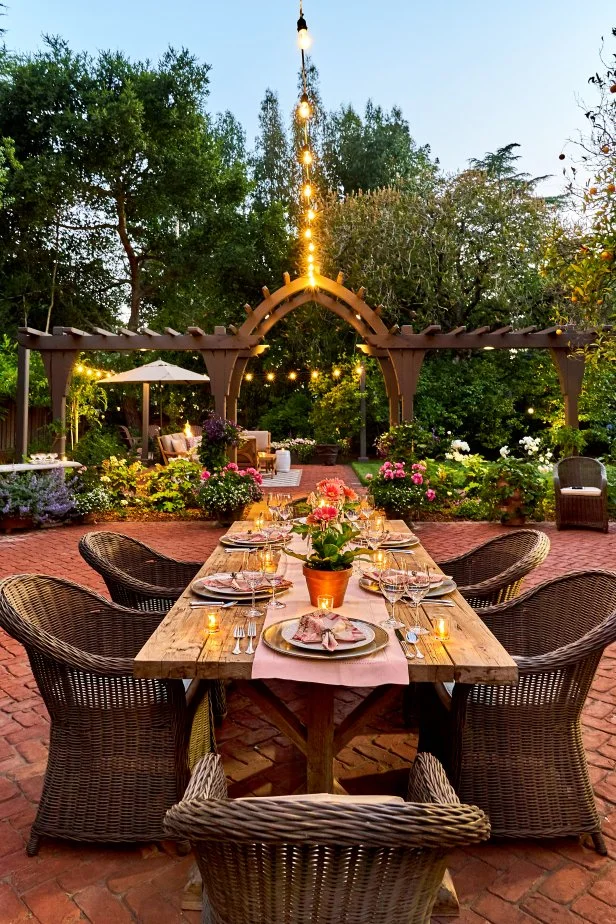
Centerpieces catch the eye and set the table’s tone. Fresh flowers add color and a natural scent. Use a simple vase or a rustic container for a cozy feel. Small potted plants or succulents work well too. For a seasonal touch, try pumpkins or pinecones. Keep centerpieces low to avoid blocking views across the table.
Incorporating Lighting
Lighting adds warmth and extends dining into the evening. String lights create a soft, magical glow. Lanterns with candles offer a cozy, flickering light. Solar-powered lights are eco-friendly and easy to place. Use tea lights in glass holders for a subtle effect. Mix different light sources for a layered look. Make sure lights are safe for outdoor use.
Maintenance Tips
Maintaining your outdoor dining table helps keep it beautiful and strong. Simple care steps extend its life and keep it inviting for meals and gatherings. Focus on cleaning often and protecting it through changing seasons.
Regular Cleaning
Clean your table after each use to remove dirt and stains. Use a soft cloth and mild soap with water. Avoid harsh chemicals that can damage the surface.
For stubborn spots, gently scrub with a soft brush. Rinse well and dry completely to stop water marks or mold. Check the table regularly for any cracks or chips to fix early.
Seasonal Protection
Cover your table during harsh weather to shield it from rain and sun. Use a breathable cover that prevents moisture buildup. Store cushions and accessories indoors if possible.
Apply a protective sealant or oil based on the table’s material before winter. This prevents cracking and fading from cold and dry air. Inspect the table in spring for any damage and clean again before use.

Credit: www.youtube.com
Credit: www.hgtv.com
Frequently Asked Questions
What Materials Are Best For Outdoor Dining Tables?
Wood, metal, and weather-resistant plastic are ideal. Teak and cedar woods resist moisture well. Aluminum and stainless steel metals offer durability. Choose materials that withstand sun, rain, and temperature changes to ensure longevity and low maintenance.
How Do I Protect My Outdoor Dining Table?
Apply weatherproof sealants or paint to shield against moisture. Cover the table when not in use. Clean regularly to prevent dirt buildup. Proper care extends the table’s life and keeps it looking new.
What Size Should An Outdoor Dining Table Be?
Consider seating needs and space available. Typically, allow 24 inches per person for comfort. Ensure enough room around the table for easy movement. Measure your outdoor area before choosing or building the table.
Can I Build An Outdoor Dining Table On A Budget?
Yes, using affordable materials like reclaimed wood or pallet wood helps. Simple designs reduce costs and build time. DIY kits also offer budget-friendly options. Planning and creativity can create a stylish table without overspending.
Conclusion
Creating your own outdoor dining table brings joy and style to your space. It adds a personal touch that suits your taste and needs. You can enjoy meals outside with family and friends more often. The process is simple and fun, even for beginners.
Choose the right materials to ensure your table lasts long. Small efforts lead to great results. Start your project today and see the difference it makes. Outdoor dining becomes more inviting and comfortable with your handmade table. Why wait? Make your outdoor space better now.

Sophia Martinez is a culinary lifestyle writer and product reviewer for DiningGadgets.com. Passionate about blending style with functionality, she explores the latest dining essentials, kitchen décor, and cleaning hacks that transform everyday cooking spaces. With a background in home organization and design, Sophia brings readers expert advice on creating beautiful, practical kitchens that truly feel like the heart of the home.