Portable Grill Maintenance: Keep Yours Running Like New
Learning how to maintain portable grill units keeps them safe, reliable, and ready for your next outdoor cookout. Most portable grill failures come from neglected grease buildup, cracked fuel hoses, or worn ignition parts. A quick pre-cook inspection plus regular post-use cleaning prevents fires, gas leaks, and rust damage.
Follow a simple maintenance routine and your grill will serve you well for years.
Quick Answer
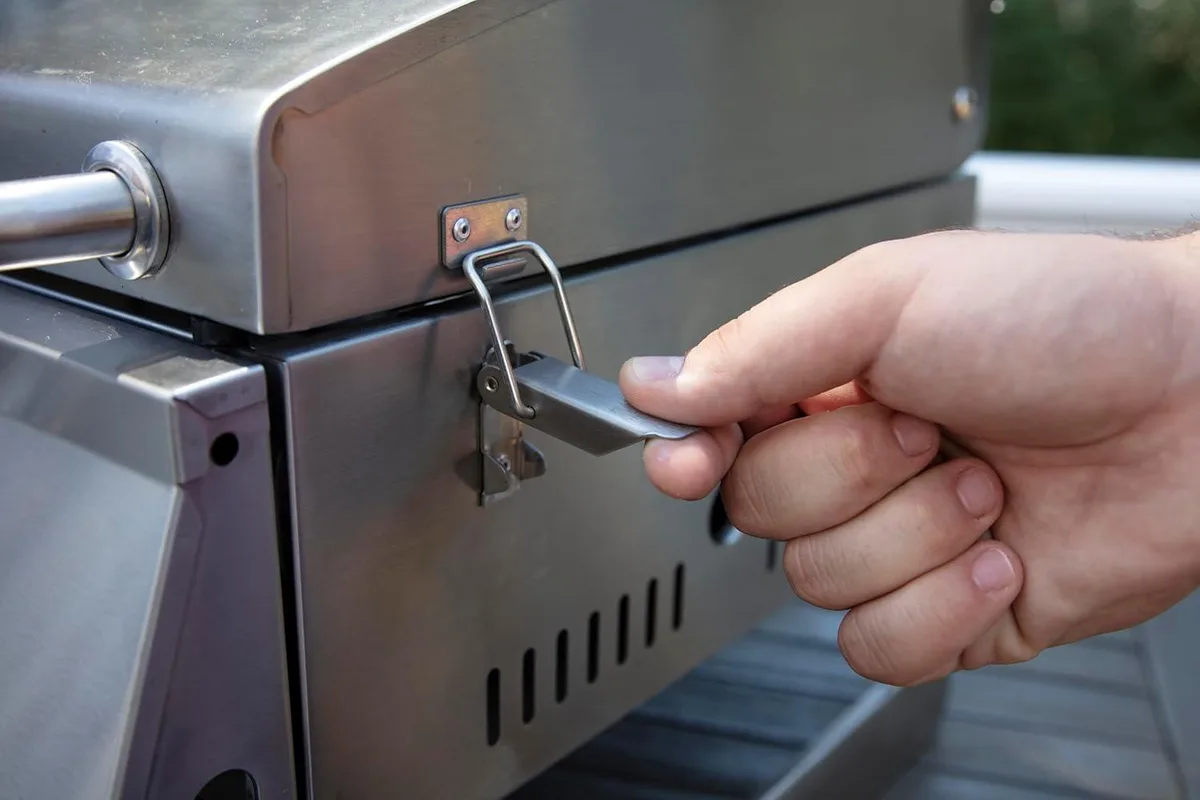
Learning how to maintain portable grill models means following three routines: checking fuel lines and ignition before every cook, wiping grates and emptying grease trays after each use, and performing annual deep cleaning on burners and valves. Proper care prevents grease fires, propane leaks, and rust damage. A simple maintenance schedule keeps your unit safe and reliable season after season.
Why Portable Grill Maintenance Is a Safety Issue (Not Just Cleanliness)
Many people treat grill maintenance as a chore they can skip between uses. That attitude turns a fun outdoor cooking session into a genuine hazard. Grease buildup is the number one cause of portable grill fires.
According to the National Fire Protection Association, cooking equipment is the leading cause of home structure fires, and unattended or poorly maintained grills account for a large share of those incidents. source: NFPA
A clogged grease tray does more than create smoke. It creates fuel for a flash fire that can spread to propane lines or nearby surfaces. Cracked hoses silently leak gas until you light the burner.
Rusty grates harbor bacteria that no amount of searing fully kills. These are not small problems. They are the difference between a good meal and an emergency room visit.
Per USDA food safety guidance, contaminated cooking surfaces can transfer harmful pathogens like Salmonella and E. coli to food. The agency recommends thorough cleaning of all food-contact surfaces to prevent contamination. That standard applies just as much to a campsite grill as it does to a kitchen stove.
Skipping inspection might save five minutes today. It could cost you far more tomorrow. A portable grill exposed to rain, dust, and fluctuating temperatures accumulates damage faster than most owners expect.
A few minutes of preventive maintenance eliminates the worst risks before they become disasters.
Core Safety Components You Must Inspect Before Every Cook
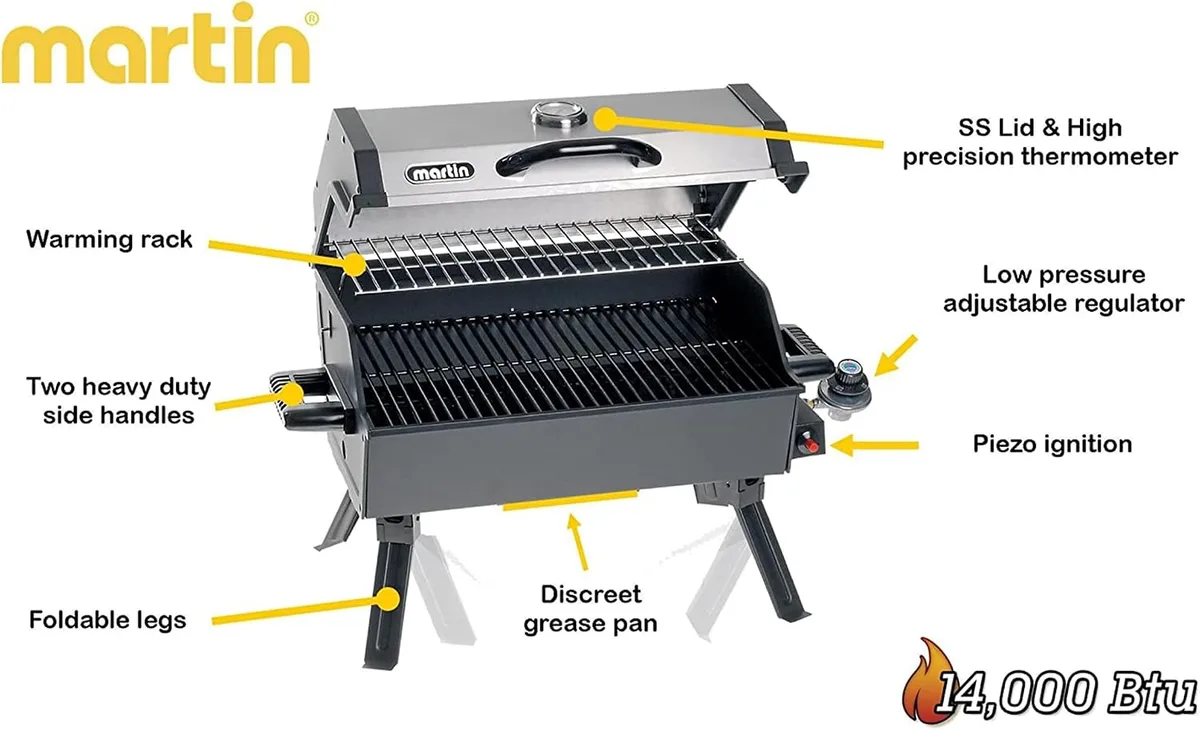
Your portable grill has four systems where failure equals danger. Treat each one as non-negotiable during your pre-cook check. Missing even one component leaves you vulnerable to leaks, flare-ups, or equipment failure mid-meal.
Fuel System Check
Inspect the propane hose for cracks, brittleness, or visible wear. Look for bulges near the connection points. Check the valve interface for debris or damage.
Per OSHA recommendations on portable fuel equipment, any sign of deterioration warrants immediate replacement rather than repair. Do not attempt to tape or patch a compromised line.
Propane Connection Leak Test
Connect your tank and apply a soapy water solution to every joint. Bubbles mean a leak. Tighten the fitting and test again.
If bubbles persist, disconnect and replace the seal or regulator. Never rely on smell alone. Hydrogen sulfide additives make leaks detectable, but wind and distance often mask early-stage seepage.
Ignition and Burner Inspection
Test the spark ignitor before lighting. Listen for a crisp snap. Watch for a consistent flame across all ports.
A weak or uneven spark indicates electrode wear or moisture in the ignition module. Blocked burner tubes create hot spots and uncontrolled flare-ups. Clear ports with a grill brush wire or a dedicated piercing tool.
Grease Management Review
Remove the drip tray and check for solidified residue. An overwhelmed grease channel forces fat back toward the burners instead of away from them. That redirection is exactly how grease fires start.
Line your tray with foil for easier cleanup. Replace crinkled or damaged liners immediately.
Cooking Surface Evaluation
Examine the grate for heavy carbon buildup, warping, or rust penetration. Light surface patina is normal. Deep corrosion weakens the cooking surface and flakes into food.
Porcelain-enameled grates can chip and expose bare metal underneath. Spot those chips with food-safe paint or replace the grate before further use.
| Component | What to Check | Risk if Ignored |
|---|---|---|
| Propane hose | Cracks, bulges, stiffness | Gas leak, fire |
| Connection joints | Bubble test with soapy water | Undetected leak |
| Ignition module | Spark strength, electrode position | No light, delayed ignition |
| Burner ports | Blockages, soot accumulation | Uneven heat, flare-ups |
| Grease tray | Residue depth, liner condition | Grease fire |
| Cooking grate | Rust, warping, coating loss | Food contamination, uneven cooking |
| Heat shields / flame tamers | Warping, grease packing | Hot spots, flare-ups |
These inspections take roughly five minutes. Doing them consistently prevents the majority of portable grill emergencies.
Step-by-Step Safe Maintenance Workflow
A structured routine separates reliable cooks from frustrated ones who end up replacing parts they should have maintained. Break your upkeep into three time buckets: the pre-cook check, the post-cook clean, and the seasonal overhaul. Each serves a different purpose.
Skipping any bucket creates gaps where problems fester.
Pre-Cook Inspection — Five Minutes Max
Start by verifying fuel integrity. Sniff around the tank connection and hose. Look for the characteristic rotten-egg scent from added mercaptan.
Run the soapy water bubble test on fittings if you reconnect the tank.
Ignite each burner individually and confirm even flame distribution. Use the spark system at least once even if you plan to light manually. Weak sparks signal worn electrodes worth noting before the next big cookout.
Wipe the grate surface with a dry cloth to remove loose debris. Seasonal oil coating will handle the rest once the grill heats up.
Post-Cook Cleaning — Ten to Fifteen Minutes
Never store a warm grill. Let it cool to touchable temperature before scrubbing. High heat warps grates and melts residue deeper into porous surfaces.
Once cool, scrape the cooking grates with a proper tool. Brush downward along the grain when possible to avoid bending bristles inward.
Remove the drip tray and scrape hardened grease into a disposable container. Wipe the tray interior with a degreasing spray or a vinegar-water mix. Re-line with fresh foil while the surface is still clean.
Wipe down the exterior housing with a damp cloth. Avoid spraying cleaners directly onto control knobs or ignition panels. Moisture inside those components causes exactly the failures you're trying to prevent.
Dry everything thoroughly before sliding on the cover. Trapped moisture accelerates rust more than exposure to air ever would.
Seasonal Deep Maintenance — Twice a Year Minimum
Burn off residual grease by running all burners on high for fifteen minutes with the lid closed. Let the unit cool completely before disassembly.
Remove and soak grates in warm soapy water. Scrub with a nylon brush or grill stone. Rinse and dry fully.
Re-season cast iron surfaces with a thin oil coat heated until lightly smoking.
Pull burner tubes free and clear each port with a pin or compressed air. Check flame tamers or lava rocks for packed debris. Replace warped or crumbling shields.
Inspect the propane hose one final time for this season. Replace at the five-year mark regardless of visible condition, as recommended by most manufacturers and UL safety standards for portable cooking appliances. Test the spark module for consistency.
Replace if output has weakened noticeably.
The Most Dangerous Mistakes (and How to Avoid Them)
Some maintenance errors do real damage. Others cause costly part replacements. A few are actively dangerous.
Knowing which is which separates careful owners from folks who learn the hard way.
Using Wire or Nylon Bristle Brushes
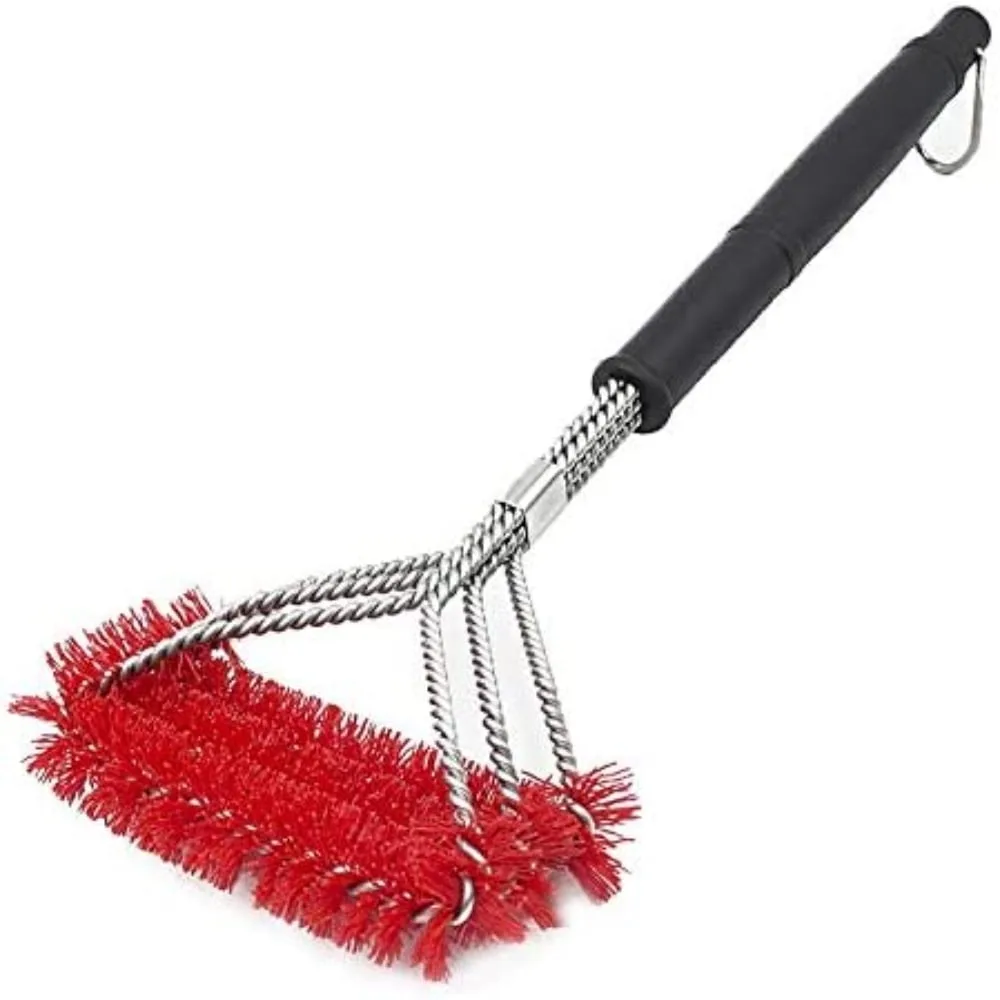
Bristles break off and embed in grates. You cook over them. Someone eats them.
The FDA and OSHA have flagged wire brush shedding as a serious ingestion hazard that sometimes requires emergency surgery. Skip metal bristle brushes entirely. Use a grill stone, copper-bristle brush marked safe, or a bundled oak tag scraper instead.
Ignoring Grease Buildup
A thin film of residue smokes and flavors food mildly. A thick, layered reservoir becomes fuel. Grease fires can exceed 1,000 degrees Fahrenheit in seconds.
Empty your drip tray after every cook. Degrease quarterly. If you cannot see the tray lining through residue, you waited too long.
Storing a Propane Tank Indoors or Near Heat Sources
Propane expands when warm. Tanks should never sit above 120°F. Indoor storage traps leaking gas in confined space.
Direct sunlight on a connected tank raises internal pressure dangerously. Store tanks outdoors in shade, detached from the grill, with the valve capped.
Pressure-Washing Electrical or Gas Components
Water forced into ignition modules destroys spark plugs instantly. High-pressure streams push past seals and corrode valve internals. Never direct a pressure washer at control panels, hose connections, or gas valves.
A garden hose on a gentle setting and a cloth suffice for exterior cleaning.
Skipping the Leak Check After Reconnecting a Tank
You swap tanks because yours ran empty. You light the grill. Something smells off but you dismiss it as natural gas odor.
That hesitation costs people their fingers, their homes, and occasionally their lives. Always perform the bubble test whenever you reconnect or exchange a tank.
Seasoning Grates Incorrectly
Applying too much oil creates sticky residue that attracts dust and flakes into food. Burning oil off in one thick layer leaves gummy patches instead of a smooth finish. Apply a paper towel-thin coat.
Heat until it just begins to smoke. Let cool. Repeat once.
Two thin layers beat one thick glop every time.
Trusting a Cheap Cover Over a Proper Fit
A ill-fitting cover traps condensation against wet metal. That sealed-in moisture creates rust faster than open-air exposure. Choose a cover sized to your exact model.
Store the grill in a dry location when possible, or elevate it on blocks to allow airflow beneath.
| Mistake | Consequence | Safer Alternative |
|---|---|---|
| Wire bristle brushes | Ingested metal fragments | Grill stone or copper brush |
| Neglected grease trays | Grease fires | Empty after every cook |
| Indoor tank storage | Gas accumulation, explosion risk | Outdoor shaded storage only |
| Pressure washing components | Electrical failure, valve corrosion | Damp cloth and gentle hose |
| Skipping leak checks | Undetected gas leaks | Bubble test on every connection |
| Heavy grease seasoning | Sticky residue buildup | Two thin coats, not one thick one |
| Poorly fitted cover | Trapped moisture, rust | Exact-model cover, dry storage |
These mistakes follow predictable patterns. Recognizing them early prevents escalation into costly repairs or injuries.
When to Fix It Yourself vs. Call a Professional
Some issues respond to basic tools and patience. Others demand specialized knowledge, certification, or replacement parts that void warranties if mishandled. Drawing the line between DIY and pro work protects both your wallet and your safety.
Situations Where DIY Makes Sense
Clean clogged burner ports with a piercing tool or compressed air. Replace worn grate liners or drip tray foil. Swap a cracked or discolored exterior cover.
Re-seat loose connections you can access without disconnecting the fuel supply. Re-season cooking grates following the thin-oil method above. These tasks require no special training and carry minimal risk when performed carefully.
Situations Demanding a Professional
A persistent gas smell that survives a proper bubble test requires a licensed technician. Cracked propane hoses should be replaced by someone certified in fuel line handling. Faulty ignition modules that persist after electrode adjustment need part-level diagnosis.
Significant rust on pressure regulators, valve manifolds, or primary burner headers compromises structural integrity. Those components operate under pressure and handle explosive fuel. Unauthorized repairs risk catastrophic failure.
UL safety testing emphasizes that gas appliance repairs should only be performed by qualified personnel familiar with the specific make and model. Manufacturer owner manuals typically list approved service providers for this reason.
Quick Decision Guide
- Green light for DIY: visual cleaning, grate seasoning, cover swaps, foil liner replacement
- Yellow light: spark electrode replacement, minor port clearing, hose connection reseating with new seals
- Red light for DIY: any active gas leak, regulator repair, cracked fuel lines, burner tube corrosion, ignition module replacement beyond swap-and-test
When in doubt, call a certified appliance technician. The hourly rate pays for itself compared to the alternative outcomes.
Portable Grill Maintenance FAQs
Can I leave my portable grill outside all year?
Leaving your portable grill outside year-round accelerates rust and degrades plastic components faster. A heavy-duty, exact-fit cover helps, but stored outdoors grills still face UV damage and moisture ingress. For longest life, store it indoors or in a dry shed whenever possible.
How often should I replace the propane hose?
Replace your propane hose every five years, even if it looks intact. Manufacturers and UL safety standards recommend this interval because internal rubber degrades over time. If the hose shows cracks, stiffness, or bulges, replace it immediately regardless of age.
What's the safest way to clean grill grates?
The safest cleaning method depends on grate material. For stainless steel, use a nylon brush or grill stone after the unit cools. Cast iron needs a sturdy brush, thorough drying, and a thin re-seasoning coat.
Avoid wire bristle brushes due to the ingestion hazard flagged by OSHA and the FDA.
Is it safe to use a pressure washer on a gas grill?
No. Pressure washing forces water into ignition modules, valve seals, and fuel lines, causing corrosion and electrical failure. Clean exteriors with a damp cloth and mild soap instead.
Keep any stream of water away from control panels, burner tubes, and gas connections.
How do I season cast iron grates properly?
Seasoning means polymerizing a thin oil layer onto the metal. Apply a paper-towel-thin coat of high-smoke-point oil, heat the grill until the oil just begins to smoke, then let it cool. Repeat two or three times for a durable, non-stick surface.
What should I do if my grill smells like gas but won't light?
Treat any gas odor as a potential leak. Turn off the tank valve immediately, disconnect the hose, and move the grill to a well-ventilated outdoor area. Perform the soapy water bubble test on all fittings before attempting to relight.
If the smell persists, have a qualified technician inspect the unit.
Quick-Reference: Compliance and Verified Safety Standards
Safety standards exist for a reason. They turn abstract warnings into concrete checks you can perform yourself. Mapping each standard to a practical action keeps your routine focused and verifiable.
| Standard / Organization | What It Covers | Practical Action for You |
|---|---|---|
| NFPA 1 (Fire Code) | Cooking equipment fire prevention | Maintain clearance of at least 10 feet from structures and overhangs. Keep a Class ABC fire extinguisher within arm's reach. |
| UL 1230 (Portable BBQ Grills) | Design and manufacturing safety for fuel-fired grills | Purchase only UL-listed units. Do not modify burners, regulators, or fuel connections. |
| OSHA / FDA warnings | Hazards of wire brush bristle ingestion | Use nylon brushes, grill stones, or copper-bristle tools marked safe. Discard any brush showing loose bristles. |
| USDA Food Safety Guidelines | Cleaning of food-contact surfaces | Degrease and sanitize grates before each cook. Use food-safe cleaners and rinse thoroughly. |
| Manufacturer owner's manuals | Model-specific maintenance intervals | Follow the prescribed seasonal deep-clean schedule and part-replacement timelines exactly. |
These references aren't paperwork. They're the difference between a grill that lasts a decade and one that fails mid-cook. Check your owner's manual first, then cross-reference any question with the applicable standard above.
When a standard conflicts with a manufacturer instruction, always follow the more restrictive requirement.
That's how you turn a maintenance checklist into a reliable safety system.

Sophia Martinez is a culinary lifestyle writer and product reviewer for DiningGadgets.com. Passionate about blending style with functionality, she explores the latest dining essentials, kitchen décor, and cleaning hacks that transform everyday cooking spaces. With a background in home organization and design, Sophia brings readers expert advice on creating beautiful, practical kitchens that truly feel like the heart of the home.