Outdoor Serving Tray: 7 Features You Need to Know
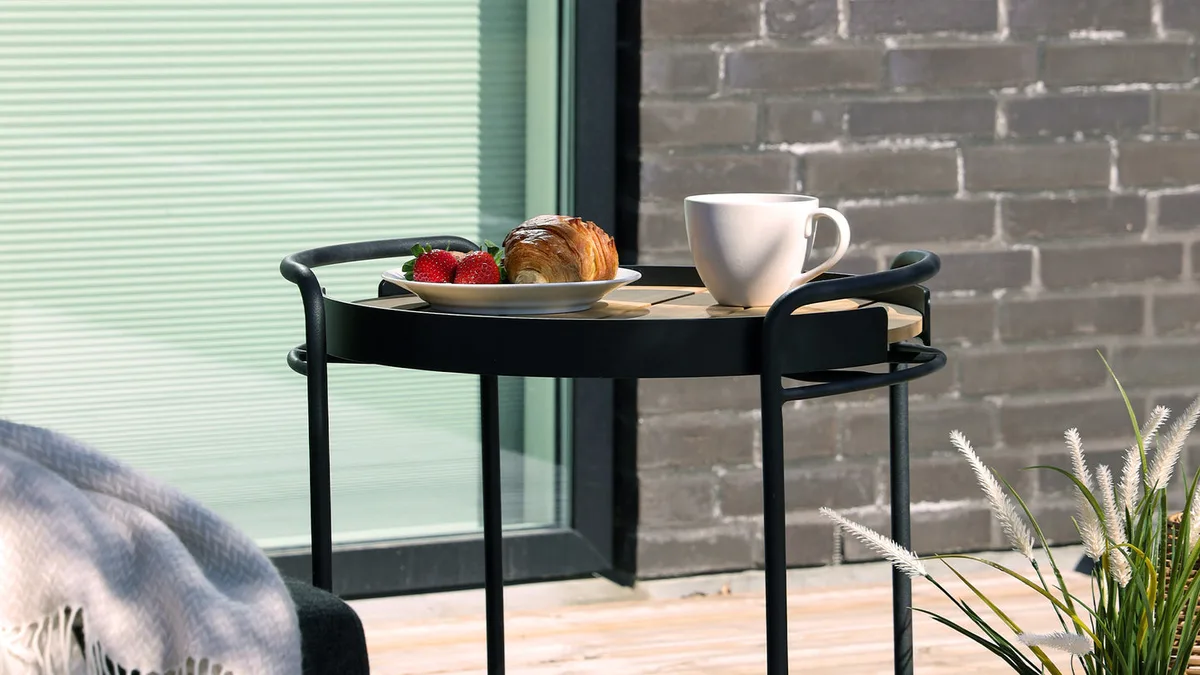
You want a tray that looks good on your patio and actually survives a season outside. Most people pick based on style alone. They end up with warped wood, rusted metal, or handles that snap under weight.
The real secret is understanding which features matter for your climate and hosting habits. That matters far more than any single aesthetic detail.
Our research across material science studies and manufacturer specs shows UV exposure degrades many polymers within a single summer. A tray rated for outdoor use must resist this breakdown. Let's walk through what actually determines whether your tray lasts or ends up in the recycling bin by autumn.
Quick Answer
Outdoor serving tray features to look for center on five non-negotiables: weather-resistant materials, a stable non-slip base, secure comfortable handles, easy-clean surfaces, and a size that matches your typical guest count. Prioritize these over pure aesthetics, and your tray will perform reliably season after season.
Material Matters Most: Teak, Aluminum, Resin, Steel, and More
Material is the single biggest factor in how long your tray survives outdoors. Each option has a clear tradeoff between looks, maintenance, and lifespan. Your local climate should drive most of your decision.
The Big Four Compared
We see buyers torn between natural beauty and pure practicality. The right choice depends on how much care you're willing to do each year.
- Teak: Dense, oil-rich hardwood that resists rot and insects. Needs annual oiling to keep its honey colour, or it silvers to grey. Lasts decades if maintained.
- Aluminum: Lightweight and completely rust-proof. Often powder-coated for colour and extra scratch resistance. Feels less substantial than wood or steel.
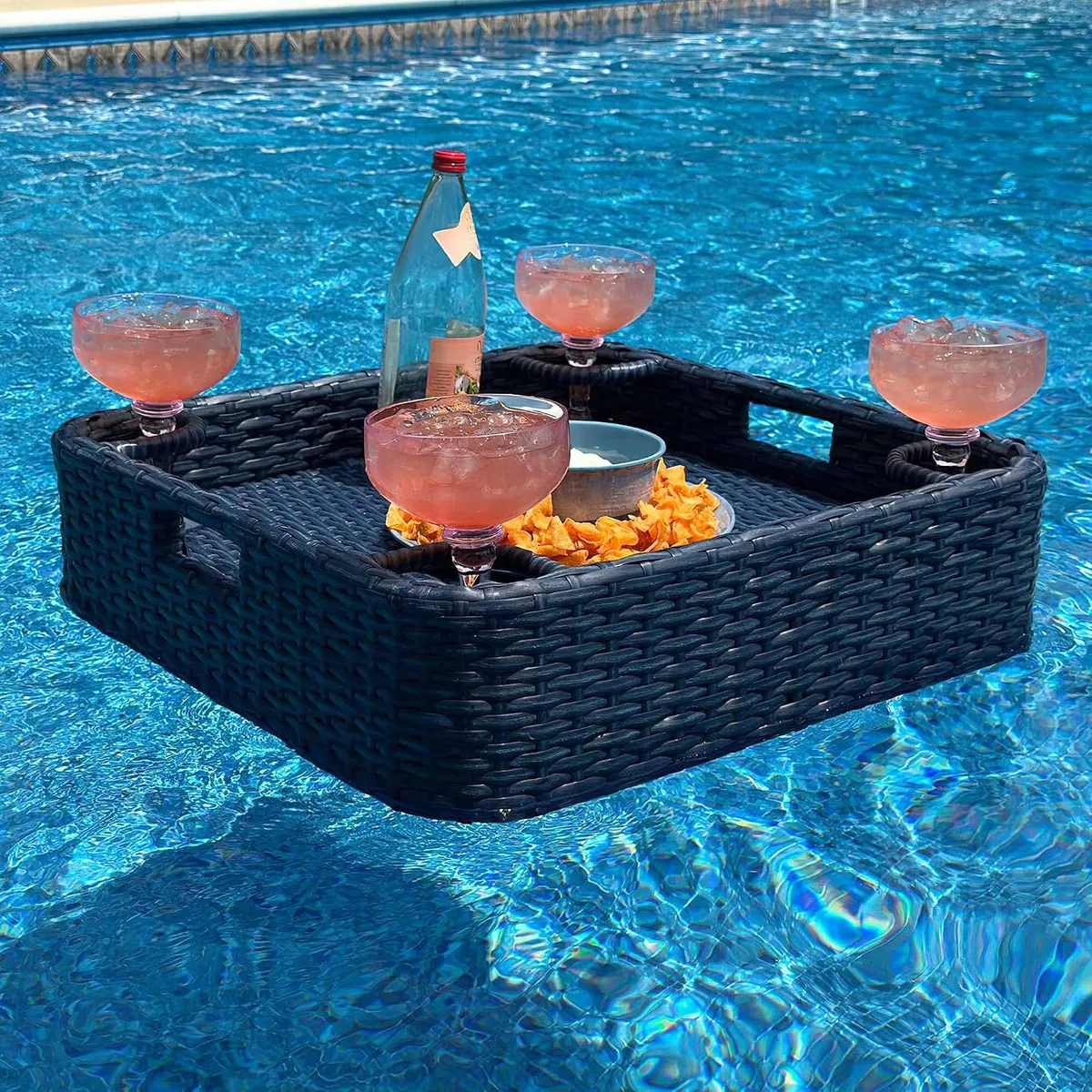
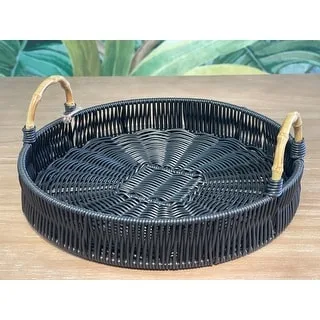
- Resin/Wicker: Synthetic weave over a metal core. Impervious to water and sun fading. Can look cheap and may crack in freezing temperatures.
- Stainless Steel: Heavy, industrial, and virtually indestructible. Shows fingerprints and water spots easily. Excellent for wet environments like poolside.
Why Material Selection Dictates Everything Else
Your choice locks in the tray's weight, cleaning routine, and overall cost over time. A light aluminum tray is easy to carry but can feel flimsy with a full spread. A heavy teak tray feels premium but demands seasonal upkeep.
Look for FSC-certified teak to ensure the wood comes from responsibly managed forests. For synthetic materials, check that coatings are FDA-compliant for food contact if you're serving directly off the tray surface. Avoid cheap melamine or untreated pine, which degrade quickly in direct sun and rain.
A common mistake is buying a "weather-resistant" resin tray without checking its UV stabilisers. Many budget brands skip this, and the plastic becomes brittle and fades within a year. Always verify the UV rating in the product specs.
Size, Shape, and Load: Getting the Dimensions Right for Your Space
Dimensions aren't just about fitting on your table. They determine how many drinks or plates you can carry at once, and whether the tray feels bulky or graceful in your hands.
Matching Size to Your Typical Hosting Scenario
A narrow cocktail tray (about 18 by 12 inches) is ideal for passing around a small group. A large rectangular buffet tray (36 by 24 inches) lets you carry multiple plates in one trip. Measure your outdoor table's surface area first.
Leave at least a two-inch margin around the tray's edges so it doesn't look cramped or risk tipping over the side.
| Tray Style | Best For | Typical Dimensions |
|---|---|---|
| Small cocktail/pass tray | Drinks, appetizers for 2-4 | 12×8" – 18×12" |
| Standard serving tray | Dinner parties, 4-6 guests | 18×12" – 24×16" |
| Large buffet/catering tray | Full meals, 6+ guests | 24×16" – 36×24" |
| Breakfast-in-bed/travel tray | Single place setting | 16×10" – 20×14" |
Weight Capacity and Portability Balance
A tray's load rating tells you how much total weight it can hold before bending or breaking. For drink service, aim for a minimum 15-pound capacity. For full plates of food, look for 25 pounds or more.
However, a high capacity often means a heavier tray. Consider who will carry it. Seniors or guests with limited strength will appreciate lighter materials like aluminium or high-density polyethylene (HDPE).
Also think about transport. If you're moving the tray from kitchen to patio, a narrower profile (under 18 inches wide) slides through standard doorways more easily. For permanent outdoor table use, width is less critical.
The Details That Separate Good Trays From Great Ones
The difference between a decent tray and a great one lies in small design choices. These details affect comfort, safety, and how long the tray stays looking new.
Handle Design: Grip, Comfort, and Storage
Handles are the first thing you notice when you lift the tray. Poorly placed handles cause hand strain and spills. Look for:
- Recessed or contoured grips that fit your hand naturally.
- Dual handles opposite each other for balanced carrying.
- Fold-down or detachable options if you need to store the tray flat against a wall or in a tight cabinet.
Ensure handles are firmly anchored. A wobbly handle attached with visible screws is a red flag. The connection should feel solid when you give it a gentle tug.
Rim Height and Surface Stability
A low, lip-less tray lets glasses slide off during a bump. A rim that's too high makes plates difficult to place and removal awkward. The sweet spot is a half-inch to one-inch raised edge.
This contains minor spills without obstructing access.
For a perfectly level surface, check that the tray sits flat on any table. Warped legs or an uneven base will cause drinks to pool. Test this by placing the tray on a known-flat surface.
It shouldn't rock.
Non-Slip Feet and Base Protection
Feet prevent scratches on your patio furniture and stop the tray from sliding when you set it down. Silicone or rubber pads are best. They grip well and don't degrade in UV light.
Avoid hard plastic feet, which can mar delicate wood or glass tabletops.
When selecting a tray that complements your existing outdoor dining setup, consider how it pairs with your favourite gold flatware set for a cohesive table aesthetic.
Best Tray Type for Your Real-Life Hosting Style
Different gathering styles demand different tray configurations. Match the tray type to how you actually entertain.
Cocktail and Bar Carts
Ideal for standing-room mingling or poolside drinks. These are often narrower with higher rims to contain ice and liquid. Some feature a second shelf below for extra bottles or mixers.
A foldable outdoor bar tray like the one shown can collapse flat for easy storage when not in use.
Buffet and Serving Carts with Wheels
Best for large dinners or formal events where you're serving multiple courses. Wheels allow you to roll food from kitchen to table without repositioning everything. Ensure the wheels lock securely so the cart doesn't drift when you're plating.
Breakfast-in-Bed and Single Person Trays
Perfect for small-space living, balcony dining, or solo morning rituals. These are lightweight with a single, often foldable, handle. Look for a deep rim and a cutlery rest or small plate ledge to keep items from sliding.
Heavy-Duty Deck and Poolside Trays
Built for rough use and constant wet exposure. Typically made from marine-grade aluminum or sealed teak with robust, corrosion-proof hardware. They're heavier but virtually indestructible.
Choose these if your tray will face direct sun, rain, and frequent washing.
Price Ranges, Long-Term Value, and What's Really Worth Spending On
Price rarely tells the whole story. A $40 tray can outlast a $150 one if it uses the right materials. Understanding where money goes helps you invest wisely.
Three Price Tiers Explained
- Budget ($20-$60): Usually resin, wicker, or lower-grade aluminium. Expect simpler designs, basic feet, and shorter warranties (often one year). Fine for occasional use or rental properties.
- Mid-Range ($60-$150): Solid aluminium, higher-quality teak, or premium HDPE. Better handle engineering, superior powder-coat finishes, and warranties of two to five years. This is the sweet spot for regular homeowners.
- Premium ($150-$400+): Marine-spec materials, custom sizes, designer aesthetics, and lifetime guarantees. Built for serious entertainers or commercial-grade outdoor hospitality use.
Warranty as a Durability Signal
A longer warranty often reflects confidence in the material's longevity. Check what the warranty covers: structural integrity, finish fading, or hardware failure. Vague "limited warranty" language is a red flag.
Reputable brands clearly state coverage for specific issues like rust perforation or wood cracking.
To maximise the lifespan of your investment, learn about best practices for packing glassware safely when storing trays seasonally, which protects both the tray and your drinkware from damage during transit or long-term storage.
When you're ready to trade up an older, worn tray, explore the best places to sell sterling silver flatware for top value, which can help offset the cost of a new, higher-quality outdoor serving piece.
Maintenance Basics That Keep Your Tray Looking New for Years
A little seasonal care prevents most common failures. Follow these simple routines by material, and your tray will stay functional and attractive for years.
Seasonal Care Checklists
Teak and Hardwood Trays: Clean with a soft brush and mild soap every few months. Apply a fresh coat of teak oil once a year to replenish natural oils. If the wood silvers naturally, that's fine.
It doesn't affect durability.
Aluminum and Stainless Steel: Wash with warm soapy water after heavy use. Dry thoroughly to prevent water spots. Inspect powder coating for chips.
Touch up with matching paint to prevent oxidation underneath.
Resin and HDPE: Hose down regularly. Use a gentle all-purpose cleaner for stains. Avoid abrasive pads that scratch the surface.
Store indoors during extreme freeze-thaw cycles if possible.
Storage and Protection
Covering your tray when not in use significantly extends its life. A breathable outdoor furniture cover blocks UV rays and rain without trapping moisture. For year-round outdoor display, bring trays inside during winter months, especially in freeze-prone regions.
Check hardware annually. Tighten any loose screws or rivets before they cause wobbling or failure. Replace worn silicone feet before they lose grip.
Mistakes to Avoid When Buying an Outdoor Serving Tray
Most buyers make the same few errors. Recognizing these pitfalls early saves money and frustration.
Top Mistakes That Lead to Regret
- Ignoring your climate: Buying lightweight resin for a freezing climate leads to cracking. Choosing bare wood for humid coastal areas invites rot. Match the material to your environment.
- Choosing looks over function: A gorgeous tray with tiny, uncomfortable handles or no rim becomes unusable quickly. Comfort and safety matter more than visual appeal.
- Skipping the measurement step: Ordering a tray that barely fits your table leaves no margin for error. Always measure twice and add a few inches of clearance.
- Assuming "outdoor-rated" means the same thing: Manufacturers use this label loosely. Some trays labeled "outdoor" are only splash-resistant, not UV-stable or waterproof. Read the fine print.
- Buying for occasional use at a premium price: If you host outdoors three times a year, a $300 teak tray is overkill. A solid mid-range option serves you better and costs less.
The One Feature People Forget
Handle comfort. You'll carry this tray dozens of times. Narrow wire handles dig into fingers.
Wide, padded grips distribute weight evenly. Test how it feels in your hand before committing to a purchase. Also check whether the handle design complements your typical carrying style for both indoor and elegant dining experiences.
FAQs About Outdoor Serving Tray Features
Short answers to the questions people actually search for.
Can I put an outdoor serving tray in the dishwasher?
It depends on the material. Resin and HDPE trays are usually dishwasher-safe on the top rack. Teak and wood trays should never go in a dishwasher.
The heat and soaking will warp and crack them. Aluminum trays vary. Check the manufacturer label.
When in doubt, hand-wash with warm soapy water and dry immediately.
How do I prevent my outdoor tray from sliding on smooth tables?
Non-slip silicone or rubber feet are essential. If your tray lacks them, adhesive silicone pads are an inexpensive fix. You can also place a thin silicone mat or table grass under the tray for extra grip.
This pairs well with your durable dinnerware selections for a stable, elegant setup.
What's the best material for a humid, coastal climate?
Marine-grade aluminum or high-density polyethylene (HDPE) resin. Both resist salt air corrosion and won't warp or rot in high humidity. Avoid untreated wood and standard steel, which corrode quickly near the ocean.
If you're curating your collection, browsing affordable 18-10 stainless steel flatware deals helps maintain a cohesive table setting while keeping everything corrosion-resistant.
How heavy should an outdoor serving tray be?
Lightweight is generally better for ease of carrying. Aim for under five pounds for medium-sized trays. Heavier trays feel more substantial but become tiring during repeated trips.
For larger buffet-style trays, weight above eight pounds is acceptable since you'll set them down frequently rather than carry them across rooms.
Should I store my outdoor tray indoors during winter?
Yes, if you live in a region with freezing temperatures. Moisture trapped in wood cracks during freeze-thaw cycles. Even resin and aluminum benefit from covered, sheltered storage.
If indoor space is limited, a waterproof breathable cover on a shaded patio shelf works adequately.
What rim height is ideal for carrying drinks without spills?
A rim between half an inch and one inch provides the best balance. It contains liquid movement during walking without making it difficult to slide glasses on and off. Fully enclosed trays are overkill for most uses.
Are bamboo trays suitable for outdoor use?
Most bamboo trays are not truly outdoor-rated. Bamboo is a grass, not a hardwood, and it absorbs moisture quickly. Unless the product specifically states it's sealed for outdoor use with a waterproof coating, keep bamboo trays indoors.
For genuine outdoor durability, choose teak, aluminum, or resin instead, particularly when pairing with stylish stoneware options for a complete indoor-outdoor dining experience.
How do I clean wine or juice stains from a tray?
For resin and metal trays, a paste of baking soda and water applied gently with a soft cloth removes most stains. For teak, use a dedicated wood cleaner and lightly sand the stained area with fine-grit sandpaper before re-oiling. Avoid bleach on any material, as it damages finishes and weakens fibers over time.

Sophia Martinez is a culinary lifestyle writer and product reviewer for DiningGadgets.com. Passionate about blending style with functionality, she explores the latest dining essentials, kitchen décor, and cleaning hacks that transform everyday cooking spaces. With a background in home organization and design, Sophia brings readers expert advice on creating beautiful, practical kitchens that truly feel like the heart of the home.