How to Maintain Your Outdoor Pizza Oven: A Complete Guide

How to Maintain an Outdoor Pizza Oven: Your Complete Guide
How to maintain outdoor pizza oven depends on your fuel type, usage frequency, and local climate. Gas models need line and ignition checks most owners overlook. Wood-fired ovens demand ash removal and chimney vigilance.
Pellet models introduce their own quirks around auger jams and hopper moisture.
Get this right and your oven delivers restaurant-quality crusts for years. Miss it and you face cracked domes, creosote fires, or dangerous gas leaks. This guide walks you through every step, broken down by oven type and schedule.
Quick Answer
Maintain your outdoor pizza oven by matching care steps to its fuel type. Gas ovens need monthly gas-line and burner inspections. Wood-fired ovens require weekly ash removal and annual chimney cleaning.
Pellet models demand monthly auger vacuuming and hopper moisture checks. Always let ovens cool completely before covering. Skip these steps and you risk structural damage or safety hazards.
Quick Diagnostic: Which Oven Are You Maintaining?
Gas vs. Wood vs. Pellet – Pick Your Path
Your maintenance routine changes completely based on what fuels your oven. Match your care schedule to your fuel source and avoid the wrong advice that damages ovens.
| Oven Type | Fuel Source | Key Maintenance Focus |
|---|---|---|
| Gas pizza oven | Propane or natural gas | Burner inspection, valve checks, grease management |
| Wood-fired oven | Firewood or charcoal | Creosote cleaning, stone care, ash removal |
| Pellet oven | Wood pellets | Hopper cleaning, auger checks, pellet quality |
| Hybrid oven | Both gas and wood | Combined protocols for both systems |
Gas ovens need line and ignition checks most owners overlook. Wood-fired ovens demand ash removal and chimney vigilance. Pellet models introduce their own quirks around auger jams and hopper moisture.
Decision point: Look at your fuel connection and identify which category applies. Everything below flows from that first choice. Don't treat a wood oven like a gas unit, they need very different care schedules.
After-Use Routines (The 5-Minute Reset)
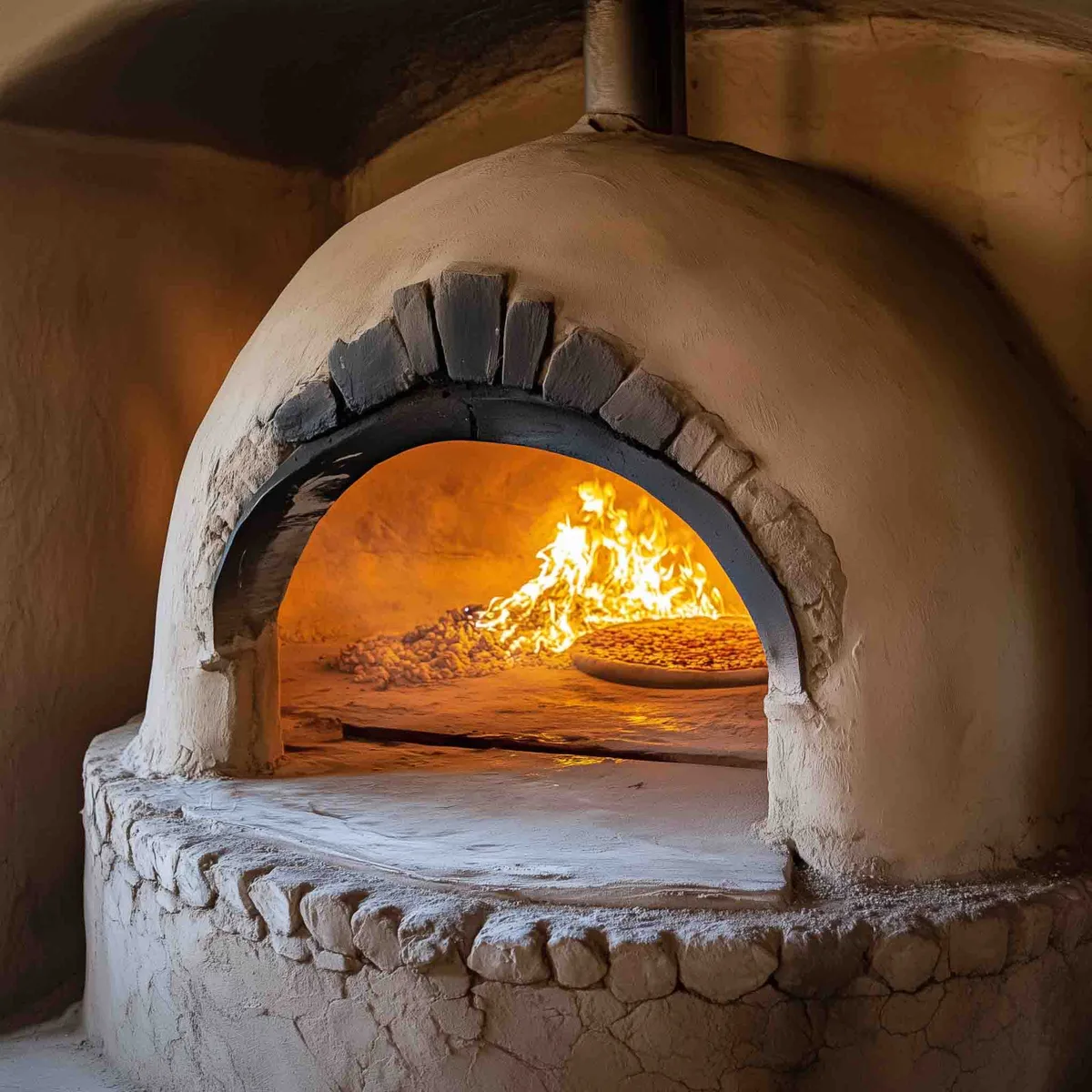
Image source: Web (Bing) / firewoodfund.co.uk (Web image (fair-use with source credit))
What's the bare minimum after every cook? Sweep, cool properly, and cover. Ten seconds of cleanup now prevents hours of rebuild later.
This habit separates ovens lasting years from ones failing in two seasons.
Essential Tools for Every Cleanup
| Tool | Purpose | Best Material |
|---|---|---|
| Oven brush | Remove ash and debris | Brass bristles (won't scratch) |
| Ash shovel | Transfer cooled ash | Metal with long handle |
| Dry cloth | Wipe interior walls | Cotton or microfiber |
| Vacuum (pellet) | Clean fire pot and auger | Shop vac with fine filter |
| Putty knife | Scrape stubborn residue | Plastic or wooden edge |
Never use metal scrapers on refractory stone floors. They score and weaken the surface over time. Wooden or brass tools protect the material while removing buildup effectively.
The Cool-Down Rule
Never slap a cover on a hot oven. Thermal shock cracks domes and warps doors faster than almost anything else. Let it drop below 200°F before sealing it away.
That usually means waiting two to three hours depending on ambient temperature.
You can speed the process slightly by cracking the door or leaving the damper open during cooldown. Just don't force-cool it with water or a hose. Manufacturers consistently warn against rapid temperature drops [NFPA standards].
The material shrinks unevenly and fissures appear within months.
Gas Ovens: Post-Use Steps
- Turn off the fuel supply at the tank or line valve after every session
- Open the oven door fully and let residual heat escape naturally
- Once below 200°F, sweep the floor with a brass or nylon brush
- Wipe interior walls with a dry cloth to remove flour and cheese residue
- Close the door and apply the fitted cover
Wood-Fired Ovens: Post-Use Steps
- Close the damper as soon as flames die down. This slows cooling and protects the dome from thermal stress
- Remove cooled ash once the oven drops below 200°F. Ash traps moisture and attacks refractory material
- Sweep the hearth thoroughly. Leftover charred bits carry into the next pie and ruin flavor
- Apply the weatherproof cover only after the structure is completely cool
Pellet Ovens: Post-Use Steps
- Run the purge cycle if your controller offers one. It burns remaining pellets in the fire pot
- Empty the ash pan completely. Pellet ash is finer than wood ash and builds up fast
- Wipe the dome interior with a dry cloth. Light soot coating is normal
- Vacuum the fire pot area if your model allows access
- Cover the oven once fully cool
Skipping even one of these steps compounds quickly. A layer of ash tonight becomes hard-packed sludge tomorrow if rain gets in. Covering a warm oven traps steam and accelerates rust.
Small habits, big consequences.
Monthly & Seasonal Checkups by Oven Type
What should you inspect beyond the basics? Monthly checks catch slow problems before they become emergency repairs. Seasonal deep dives preserve the oven through weather extremes.

Gas Oven Checkups
Every month, inspect the gas supply line for cracks, fraying, or kinks. Even hairline damage lets gas escape. Test the burner flame color too.
A steady blue flame means clean combustion. Yellow or flickering flames signal clogged ports or air mixture issues.
Clean the grease tray or drip pan regularly. Buildup here is a real fire hazard, not just a mess. Use warm soapy water, dry thoroughly, and reset before the next cook.
Check door seals for wear. A degraded gasket lets heat escape and pushes fuel costs upward.
Once a year, verify regulator function and inspect all connections for corrosion. This is especially critical in coastal or humid environments where salt air accelerates metal degradation.
Wood-Fired Oven Checkups
Monthly visual inspections matter most here. Walk around the dome and look for hairline cracks. Tiny surface fractures are normal in seasoned ovens called "crowning." But widening cracks that deepen with each heat cycle need monitoring.
Fill small cracks promptly with refractory cement to stop moisture intrusion.
Check the chimney and flue for creposote buildup twice yearly if you cook frequently. Creosote is the tar-like deposit from incomplete wood combustion. It's highly flammable and the leading cause of chimney fires.
Heavy accumulation can ignite and crack your oven dome from internal heat.
Inspect firewood storage distance from the oven. Wood should sit at least three feet away on a raised pallet. Storing wet or unseasoned wood near the cooking area introduces excess moisture and invites pest nesting.
Pellet Oven Checkups
Monthly inspections focus on the auger and hopper systems. Vacuum the auger tube and check for resistance when turning by hand. A stiff auger often means pellet dust packing the feed path or swollen pellets from moisture exposure.
Examine the exhaust fan and vent pathway. Blocked vents cause poor combustion and uneven heating. Clean fan blades and verify the motor spins freely.
Pellet quality directly impacts maintenance frequency. Cheap pellets create more ash, more residue, and more frequent clogs.
Seasonal Deep Dives
Spring preparation means full inspection before grilling season starts. Autumn prep focuses on winterization. Remove ash, check all seals, apply exterior protectant if the finish allows it, and store the oven under a breathable cover rated for your climate.
Freeze-thaw cycles destroy unprotected masonry. If you live somewhere winters dip below freezing regularly, either store the oven indoors between November and March or invest in an insulated outdoor kitchen enclosure. Moisture inside cracked stone expands on freezing and splits the structure apart.
Universal Rules Every Outdoor Oven Owner Should Follow
Some principles apply regardless of fuel type or brand. These aren't optional extras. They're the foundation every owner should practice consistently.
Cover the oven whenever it isn't actively cooking. Quality fitted covers block rain, snow, UV damage, and bird nesting. Bird droppings contain uric acid that eats through finishes and corrodes metal components over time.
A breathable cover beats a plastic tarp every time. Plastic traps condensation and creates a microclimate that accelerates rust underneath.
Never use soap, detergent, or chemical cleaners on cooking surfaces. Refractory stone and brick absorb liquids deeply. Residue leaches into subsequent batches and ruins food flavor.
Use only dry brushes, wooden scrapers, and occasional water for stubborn spots followed by thorough drying.
Store firewood and pellets properly regardless of oven type. Moist fuel produces more smoke, less heat, and deposits more residue on interior surfaces. Keep all combustible materials at a safe distance from the oven exterior during and after use.
Use manufacturer-recommended replacement parts only. Generic thermometers, wrong-size gaskets, and off-spec burners cause poor performance and sometimes void warranties. Check your owner's manual for approved part numbers before ordering replacements.
Red Flags: As of 2026, When to DIY vs. Call a Professional
Which problems stay in your court and which demand a certified technician? Knowing the difference saves money and prevents dangerous mistakes.
Call a professional immediately if you smell gas persistently around connections after performing a leak test. Mix dish soap with water and brush it along fittings. Bubbling means a leak exists.
Tighten connections once. If bubbles return, shut off fuel and contact a licensed technician. Carbon monoxide risk makes this non-negotiable [OSHA guidelines].
Chimney fires leave distinct warning signs. You may notice popping sounds, dense black smoke, or a strong tar odor. If suspected, evacuate the area, close all vents, and call fire services.
Do not attempt to extinguish a chimney fire yourself. Structural damage from internal fire temperatures often exceeds visible exterior damage.
Yellow or dancing burner flames on gas ovens indicate incomplete combustion. This produces carbon monoxide and means the burner assembly needs professional servicing. Do not ignore discoloration changes in flame pattern.
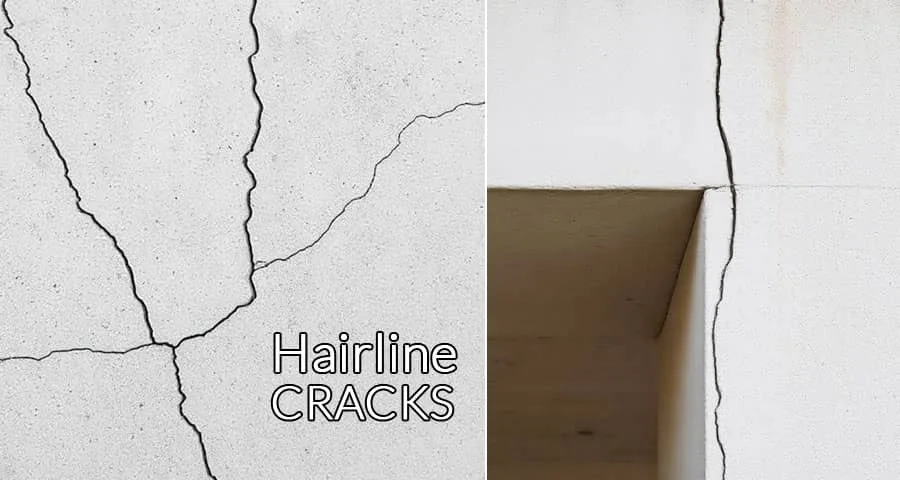
Spread cracks across the dome or hearth stone warrant expert assessment. Hairline fractures under one-eighth inch can sometimes be patched with refractory cement. Larger cracks compromise structural integrity and heat retention.
A qualified oven builder can evaluate whether repair or replacement is safer and more cost-effective.
Rust spreading across structural supports, legs, or framing indicates material fatigue. Surface rust on cosmetic panels can be treated with sanding and touch-up paint. Deep pitting or flaking on load-bearing parts requires component replacement before the oven reaches unsafe weight limits.
When in doubt, document the issue with photos and consult the manufacturer before attempting complex repairs. Some warranty programs require authorized service technicians for certain corrective actions. Unauthorized repairs may void coverage entirely.
Safety & Compliance Essentials
Proper maintenance keeps your oven safe and compliant with local regulations. Ignoring these points risks injury, property damage, and legal liability.
Gas Appliance Standards
All gas connections must meet local plumbing and mechanical codes. In the US, this typically means following NFPA 54 (National Fuel Gas Code). Professional installations and repairs should be performed by licensed technicians who understand pressure ratings, fitting types, and ventilation requirements.
Annual inspections by qualified professionals catch slow leaks and worn components before they become emergencies. This is especially important for older installations or ovens used heavily during summer months.
Chimney Fire Prevention
Wood and pellet chimneys require regular inspection and cleaning to prevent creosote accumulation. The Chimney Safety Institute of America recommends annual inspections for residential chimneys. For pizza ovens used frequently, consider biannual inspections during heavy-use seasons.
Properly seasoned wood (moisture content below 20%) burns cleaner and produces less creposote. Store firewood under cover for at least six months before use. Avoid burning softwoods like pine in your pizza oven, they create more resinous deposits.
Weather Protection Guidelines
Outdoor appliances exposed to elements require additional protection beyond basic covers. In coastal regions, salt air accelerates corrosion on metal components. Rinse exposed metal parts with fresh water monthly and apply protective coatings as recommended by manufacturers.
In freeze-thaw climates, empty all water reservoirs (if applicable) and store removable components indoors during winter months. Masonry ovens without proper insulation may crack from repeated expansion and contraction cycles.
Frequently Asked Questions
How often should I clean my wood-fired pizza oven?
Clean your wood-fired oven after every use by removing cooled ash and sweeping the hearth. Perform deeper inspections monthly during active seasons. Have the chimney professionally cleaned annually, or every six months if you cook more than twice weekly.
Can I use water to clean my pizza oven floor?
Avoid excessive water on refractory stone floors. Minimal damp mopping is acceptable for stubborn residue, but always dry thoroughly afterward. Water left in porous stone freezes in cold weather and causes cracking.
Never use soap or detergent on cooking surfaces.
What temperature should my gas oven reach for optimal performance?
Most gas pizza ovens perform best between 700°F and 900°F for Neapolitan-style pies. Preheat for 20, 30 minutes with the door closed. Use an infrared thermometer to verify floor temperature分布 evenly.
Uneven hot spots indicate burner or airflow issues needing adjustment.
How do I know if my oven cover is breathable?
Look for covers labeled "breathable" or "ventilated." Quality covers feature mesh panels or vapor-permeable materials that allow moisture escape while blocking rain and UV rays. Avoid solid plastic tarps that trap condensation and accelerate rust formation underneath.
Is creosote really that dangerous?
Yes. Creosote is highly flammable and accumulates rapidly in chimney flues. A quarter-inch layer can ignite at 450°F, creating chimney fires exceeding 2,000°F.
These fires crack refractory materials and compromise structural integrity. Annual professional cleaning prevents this serious hazard.
When should I replace my pizza oven's thermometers?
Replace dial thermometers every two to three years, or whenever readings drift more than 25°F from known reference points. Digital probes last longer but batteries need annual replacement. Calibrate periodically by comparing against an independent oven thermometer during preheating cycles.

Sophia Martinez is a culinary lifestyle writer and product reviewer for DiningGadgets.com. Passionate about blending style with functionality, she explores the latest dining essentials, kitchen décor, and cleaning hacks that transform everyday cooking spaces. With a background in home organization and design, Sophia brings readers expert advice on creating beautiful, practical kitchens that truly feel like the heart of the home.