St Louis Wine And Beer Making: Master Artisanal Small-Batch Brewing Easily
St. Louis offers a vibrant scene for wine and beer making enthusiasts. Dive into the world of artisanal small-batch brewing.
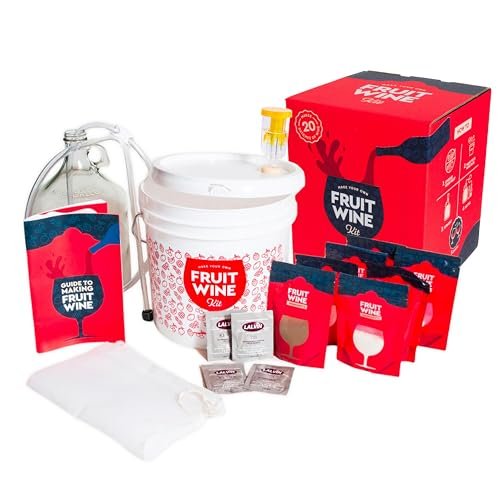
Crafting your own beverages at home is an exciting journey. It allows for creativity and personal touch. In St. Louis, this art is thriving with a focus on homemade wines, beers, meads, and ciders. These small-batch brews offer unique flavors and experiences.
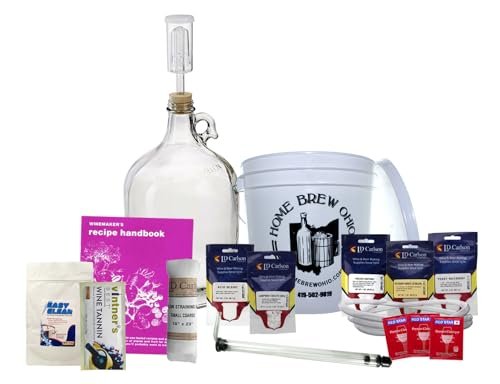
Local enthusiasts can easily get started with basic equipment and ingredients. The city’s community supports beginners and seasoned brewers alike. Workshops, supply shops, and local clubs offer resources and camaraderie. Whether you’re making a sweet mead or a hoppy beer, the process is rewarding. St. Louis provides the perfect backdrop for this age-old craft. Unleash your inner brewer and enjoy the fruits of your labor.
Artisanal Small-batch Brewing

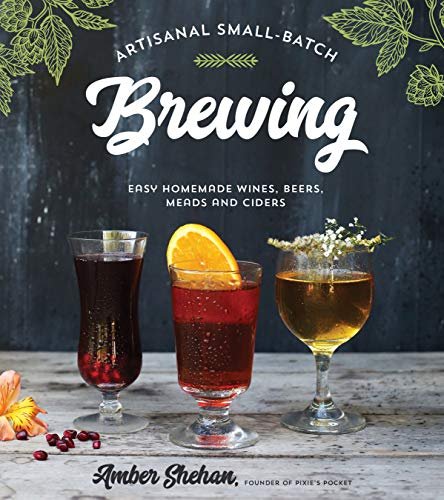
Ideal for homebrewing enthusiasts and those eager to explore the world of artisanal small-batch beverages, Artisanal Small-Batch Brewing: Easy Homemade Wines, Beers, Meads and Ciders is perfect for anyone looking to craft their own unique drinks at home. Whether you’re a beginner or have some experience, this guide by Page Street Publishing offers clear, practical instructions to help you create delicious, personalized brews.
Pros:
- Comprehensive step-by-step instructions for making a variety of beverages including wines, beers, meads, and ciders.
- Compact and easy-to-follow with 176 pages filled with valuable brewing tips.
- Lightweight and portable, making it convenient to use in any home brewing setup.
- Published by a reputable brand, Page Street Publishing, ensuring quality and reliability.
- Includes useful insights on ingredient selection and fermentation techniques to enhance flavor.
Cons:
- Limited to small-batch recipes which may not suit those looking to produce large quantities.
- Some readers may find the book’s physical dimensions and thinness less substantial compared to more detailed brewing manuals.
- Publication date from 2019 means some newer brewing trends or equipment might not be covered.
This book offers a well-rounded introduction to the art of making homemade wines, beers, meads, and ciders, focusing on manageable small-batch methods that are accessible to beginners. The detailed instructions paired with practical advice on ingredients and processes empower users to experiment confidently and customize their brews to suit their taste preferences. The compact size and clear layout make it a handy resource for quick reference throughout the brewing journey.
By following the guidance in this publication, users gain not only the knowledge to create quality beverages but also the satisfaction of crafting something truly unique. The versatility in recipes encourages creativity, while the emphasis on simplicity ensures the process remains enjoyable rather than overwhelming. Ultimately, this book by Page Street Publishing is an excellent companion for anyone passionate about exploring the rewarding hobby of small-batch brewing.
To buy this product, click here.
Frequently Asked Questions
What Are The Basics Of Small-batch Wine And Beer Making?
Small-batch brewing involves making limited quantities of wine or beer at home. It uses simple equipment and natural ingredients. This method allows for experimentation with flavors and styles. It’s ideal for beginners and hobbyists who want artisanal quality drinks.
How To Start Brewing Meads And Ciders At Home?
To start brewing meads and ciders, gather honey or apple juice, yeast, and fermentation tools. Sanitize all equipment carefully. Follow recipes for fermentation times and temperatures. Patience is key as these drinks develop flavor over weeks or months.
What Ingredients Are Best For Artisanal Homemade Brews?
Quality ingredients like fresh fruits, pure water, malted grains, and natural yeast ensure better flavor. Avoid preservatives and artificial additives. Local and organic produce can enhance taste and aroma, making your artisanal brews unique and enjoyable.
How Long Does Fermentation Take For Small-batch Brews?
Fermentation time varies by beverage type and recipe. Typically, beers take 1-3 weeks, wines 3-6 weeks, and meads or ciders up to several months. Monitoring fermentation progress ensures optimal flavor and alcohol content.
Can Beginners Make Quality Wine And Beer At Home?
Yes, beginners can create quality homemade wine and beer. Start with simple recipes and basic equipment. Learning proper sanitation and fermentation control improves results. Small-batch brewing is rewarding and allows gradual skill development.
Conclusion
St. Louis offers a great place to enjoy making your own wines, beers, meads, and ciders. Small-batch brewing lets you create drinks that suit your taste. It is fun and rewarding to see your work turn into something delicious. Many people in the area enjoy trying new recipes and sharing their drinks with friends.
You don’t need fancy tools or a big space to start. Just patience, a little practice, and good ingredients. Home brewing brings a special joy that store-bought drinks can’t match. It connects you to a long tradition of making drinks by hand.
Whether you want to try a sweet cider or a rich beer, St. Louis has resources to help. Give it a try and enjoy the process. It’s a hobby that grows with you, one batch at a time.

Sophia Martinez is a culinary lifestyle writer and product reviewer for DiningGadgets.com. Passionate about blending style with functionality, she explores the latest dining essentials, kitchen décor, and cleaning hacks that transform everyday cooking spaces. With a background in home organization and design, Sophia brings readers expert advice on creating beautiful, practical kitchens that truly feel like the heart of the home.