Wine Making With Grapes: Ultimate Guide to Crafting Perfect Wine
Imagine the satisfaction of savoring a glass of wine that you crafted yourself. Wine making with grapes is not just a hobby; it’s an art form that connects you with nature, tradition, and your own creativity.
Whether you’re a seasoned wine enthusiast or a curious beginner, the process of turning grapes into wine is both fascinating and rewarding. You’ll discover the secrets behind selecting the perfect grapes, the essential steps of fermentation, and the patience required to achieve that perfect flavor.
You’ll learn how to transform simple grapes into a complex symphony of taste and aroma that reflects your personal touch. Are you ready to uncork your potential and explore the world of home winemaking? Let’s dive into the vine-filled adventure that awaits you.
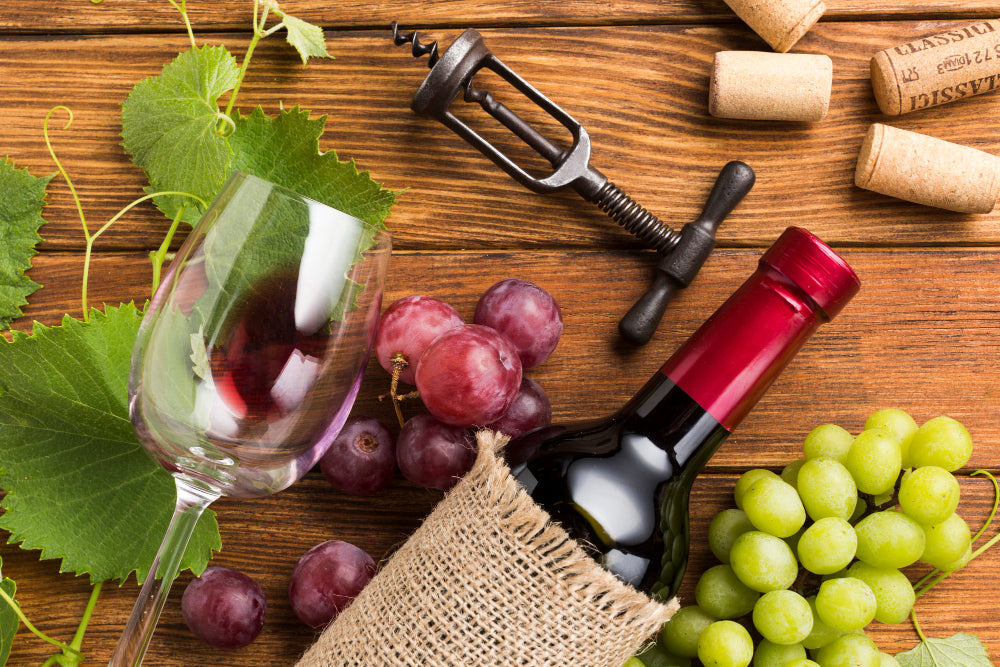
Credit: boundbywine.com
Choosing The Right Grapes
Choosing the right grapes is the cornerstone of crafting great wine. The type and quality of grapes you select will shape the flavor, aroma, and texture of your final product. Paying close attention to grape variety, harvest timing, and quality ensures your wine turns out just as you imagine.
Popular Grape Varieties
Different grapes bring distinct characteristics to wine. Reds like Cabernet Sauvignon offer bold flavors and strong tannins, while Pinot Noir delivers lighter, fruitier notes. On the white side, Chardonnay is creamy and rich, whereas Sauvignon Blanc tends to be crisp and refreshing.
Think about the style of wine you want to create. Are you aiming for something robust or delicate? Matching your grape choice to your taste goals will set you up for success.
Harvesting Time
The moment you pick your grapes impacts sugar levels, acidity, and overall balance. Grapes harvested too early might taste sour, while those picked too late can be overly sweet or even ferment poorly.
Tracking the ripeness through sugar content (Brix) and tasting regularly helps decide the perfect harvest window. Have you tasted your grapes throughout the season to find that ideal flavor?
Assessing Grape Quality
Good grapes are plump, healthy, and free from mold or pests. Look for uniform color and firm skins without wrinkles. Avoid any bunches with shriveled or damaged berries—they can spoil the batch.
Quality grapes lead to better fermentation and a cleaner, more vibrant wine. Trust your senses: smell, taste, and feel the grapes before committing to harvest.
Preparing Grapes For Winemaking
Preparing grapes is a crucial phase in winemaking. It sets the foundation for flavor, aroma, and quality. Careful handling ensures the best juice extraction and fermentation. This process includes cleaning, sorting, crushing, destemming, and balancing sugar and acidity levels.
Cleaning And Sorting
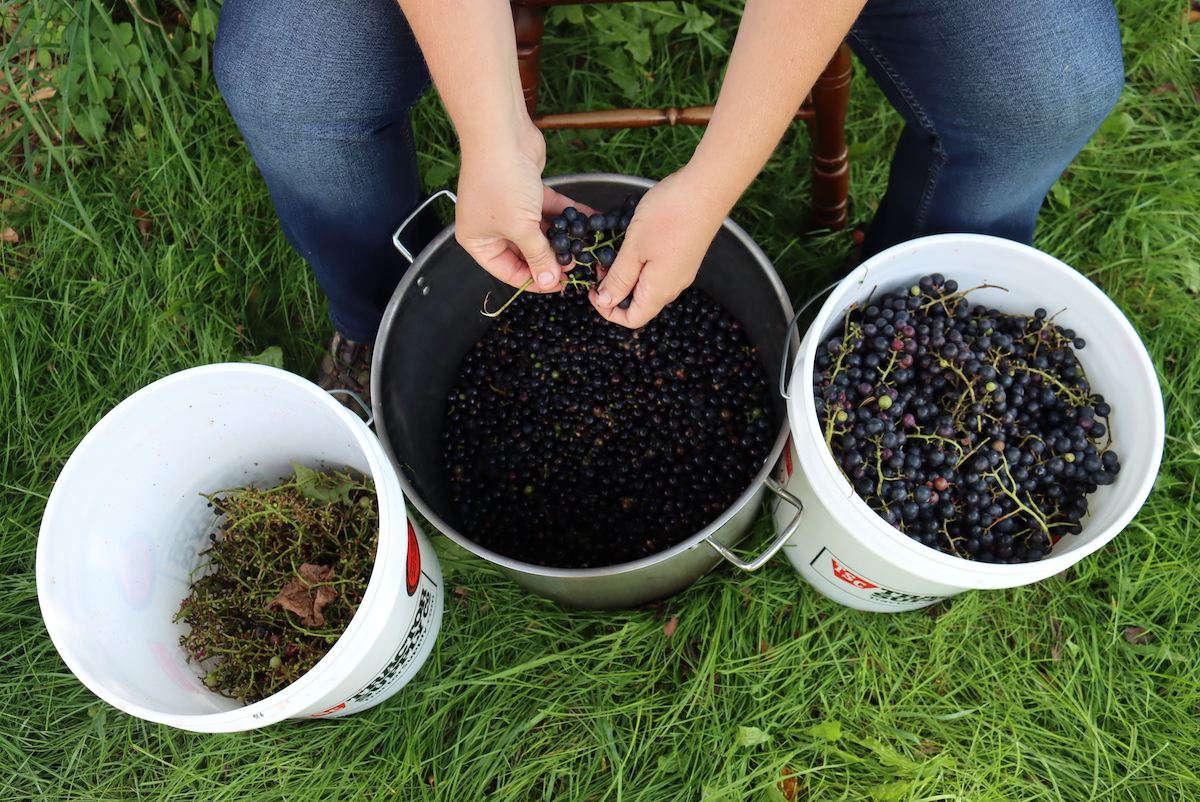
Start by removing leaves, stems, and debris from grape clusters. Use clean water to wash grapes gently. Sorting is essential to separate damaged or unripe grapes. Only healthy, ripe grapes produce the best wine. Sorting helps avoid off-flavors and spoilage during fermentation.
Crushing And Destemming
Crushing breaks grape skins to release juice. Destemming removes grape stems that add bitterness. Use a crusher-destemmer machine for best results. This process prepares the grapes for fermentation by mixing juice, skins, and seeds. Gentle crushing protects grape quality and aroma.
Adjusting Sugar And Acidity
Check sugar levels using a refractometer or hydrometer. Sugar affects alcohol content after fermentation. Acidity balances taste and preserves the wine. Winemakers may add sugar or acid to adjust levels. Proper balance ensures smooth, flavorful wine with good shelf life.
Fermentation Process
The fermentation process is the heart of winemaking. It transforms grape juice into wine by converting sugars into alcohol and carbon dioxide. Understanding how to manage fermentation can help you create a wine that matches your taste preferences perfectly.
Selecting Yeast Strains
Yeast plays a crucial role in fermentation by consuming sugar and producing alcohol. You can use wild yeast naturally found on grape skins or add cultured yeast strains for more control.
Cultured yeast strains offer different flavors and fermentation speeds. For example, some strains enhance fruity notes, while others bring out earthy aromas. Choosing the right yeast can make a noticeable difference in your wine’s final character.
Controlling Temperature
Temperature affects how yeast works during fermentation. Too hot, and the yeast can die or produce unwanted flavors. Too cold, and fermentation slows down or stops completely.
Keeping your fermentation vessel between 60-75°F (15-24°C) usually works well for most wines. You might need to adjust this range depending on the yeast strain and grape variety you use.
Monitoring Fermentation Progress
Tracking how fermentation proceeds helps you decide when to stop or continue the process. Using a hydrometer to measure sugar levels is one common way to do this.
Watch for bubbles or foam, which indicate active fermentation. If progress stalls, consider adjusting temperature or adding nutrients to support yeast health.
Pressing And Racking
Pressing and racking are two essential stages in winemaking that shape the character and clarity of your final product. Getting these steps right can make a huge difference in the flavor and texture of your wine. Let’s look closely at how you can expertly handle these processes.
Extracting Juice
Pressing is the moment you separate the grape juice from the skins, seeds, and stems. You can use a variety of presses, from simple manual ones to hydraulic presses, depending on your setup. Applying the right amount of pressure is key—too much can release bitter tannins, while too little leaves juice behind.
Think about the grapes you have. Are they ripe and soft, or tougher and less juicy? Softer grapes need gentle pressing, while harder ones might require more force to get the juice flowing. Have you noticed how the juice color changes as you press? That’s a good sign of flavor extraction.
Separating Solids
After pressing, solids like grape skins and pulp settle at the bottom. Removing these solids promptly helps prevent unwanted flavors from developing. This is where racking comes into play—carefully siphoning the clear juice off the sediment.
Using a clean siphon hose, gently transfer the juice to another container, leaving the sediment behind. This step might need repeating to achieve a clear wine. Have you ever tasted wine that felt gritty or cloudy? That’s often because racking was skipped or done poorly.
Transferring Wine
Once your wine is free of solids, transferring it into the fermentation vessel or aging container is next. This move needs to be smooth to avoid oxygen exposure, which can spoil your wine. Using airtight containers and minimizing splashing helps preserve freshness.
Think about how you handle your wine during this transfer. Are you careful to keep it away from air? Many winemakers use pumps or gravity to move wine gently. What methods have you tried to keep your wine tasting clean and bright after pressing and racking?
Aging Wine
Aging wine is a crucial stage that transforms fresh grape juice into a complex beverage with depth and character. How you age your wine affects everything from its taste to its aroma and texture. Understanding the aging process helps you control the final product and create wines that truly express the grapes’ potential.
Choosing Aging Vessels
Deciding where your wine ages is more than just picking a container. Oak barrels, stainless steel tanks, and glass bottles each influence the wine differently.
- Oak barrelsadd flavors like vanilla, spice, and toast. They also allow small amounts of oxygen to interact with the wine, softening tannins.
- Stainless steel tankspreserve the wine’s fresh fruit character by preventing oxygen contact.
- Glass bottlesare ideal for aging wine after it’s been removed from larger containers, slowing down its development.
Think about the style you want your wine to have before choosing the vessel. What flavors do you want to highlight or soften?
Duration And Conditions
The length of aging changes the wine’s profile significantly. Some wines develop best after just a few months, while others need years to reach their peak.
Temperature and humidity also play a big role. Keep your wine in a cool, dark place with stable temperature around 55°F (13°C) and humidity near 70%. Fluctuations can spoil the wine or speed up unwanted reactions.
Ask yourself how long you’re willing to wait. Is patience part of your winemaking journey?
Effects On Flavor And Aroma
Aging can turn sharp, simple flavors into smooth, rich ones. Tannins soften, acidity balances, and new aromas emerge like dried fruit, nuts, or earthiness.
During my first attempt at aging a Cabernet, I noticed the harsh bitterness mellowed after six months in oak barrels. The wine gained a subtle vanilla note I hadn’t expected, which made it much more enjoyable.
Consider how aging will affect your grape variety’s natural traits. Do you want to enhance fruitiness or develop complex secondary flavors?

Credit: www.youtube.com
Bottling And Storage
Bottling and storage mark the final, yet crucial, stages of your winemaking journey. The way you handle these steps impacts the taste, longevity, and quality of your wine. Paying close attention to detail here can make the difference between a good vintage and a great one.
Sanitizing Bottles
Cleanliness is your best friend when bottling wine. Any leftover residue or bacteria in bottles can spoil your wine quickly. Use a sanitizing solution designed specifically for winemaking to rinse each bottle thoroughly.
Don’t just trust a quick rinse; soak the bottles for at least 10 minutes. I once skipped this step and ended up with a batch that tasted off after just a few weeks. It’s worth the extra effort to avoid that disappointment.
Sealing Techniques
Sealing your bottles properly ensures your wine stays fresh and ages well. Corks are traditional, but screw caps are gaining popularity for their airtight seal. Choose a sealing method that matches the style of wine you’re making.
When using corks, compress them evenly to avoid cracks and leaks. If you prefer screw caps, make sure they’re tightly screwed without damaging the threads. Have you considered how the seal might affect your wine’s flavor over time?
Optimal Storage Conditions
Temperature, light, and humidity all play a role in how your wine matures. Aim for a cool, dark place with a steady temperature around 55°F (13°C). Avoid places where temperatures fluctuate, like garages or kitchens.
Humidity should be around 70%, which keeps corks from drying out and letting air in. Store bottles horizontally to keep corks moist, especially for wines sealed with corks. Have you checked your storage space to see if it meets these conditions?
Troubleshooting Common Issues
Making wine from grapes can sometimes bring unexpected problems. These issues may affect flavor, fermentation, or cleanliness. Knowing how to spot and fix common troubles helps keep your wine tasty and safe. This section covers key tips to handle problems during winemaking.
Preventing Off-flavors
Off-flavors ruin the wine’s natural taste. They can come from poor grape quality or bad storage. Use fresh, ripe grapes to avoid harsh or sour notes. Keep all equipment clean and dry before use.
Control temperature during fermentation. Too much heat creates unwanted flavors. Avoid exposure to air after fermentation to prevent oxidation. Store wine in a cool, dark place.
Fixing Fermentation Problems
Fermentation may stall or slow down. Yeast needs the right temperature and sugar to work well. Keep the fermentation vessel covered but ventilated.
If fermentation stops, gently stir the wine to mix yeast and sugars. Add yeast nutrients to boost fermentation if needed. Check the temperature and adjust it to the yeast’s ideal range.
Avoiding Contamination
Bacteria and wild yeast can spoil your wine. Clean all tools and containers with a food-safe sanitizer. Avoid touching the inside of fermentation vessels with bare hands.
Seal your wine properly to keep out bugs and dust. Work in a clean, dust-free area during winemaking. Regularly check for signs of mold or unusual smells.
Credit: practicalselfreliance.com
Tips For Crafting Unique Wines
Crafting unique wines requires creativity and attention to detail. Small changes can bring big differences in taste and aroma. Trying new ideas helps winemakers create distinct flavors that stand out.
Here are some tips to help make your wine truly special and different from others.
Experimenting With Blends
Mixing different grape varieties can create complex flavors. Blend grapes with contrasting tastes to balance sweetness and acidity. Try small batches first to find the best combination. Blending also allows adjusting color and body. Keep notes on each blend to track results and improve over time.
Using Oak And Additives
Oak barrels add subtle vanilla and spice notes to wine. Choose between new or used oak for different effects. Oak chips or staves offer a simpler alternative to barrels. Some winemakers add natural additives like yeast nutrients or tannins. These help improve fermentation and wine structure. Use additives carefully to avoid overpowering the wine’s natural taste.
Personalizing Flavor Profiles
Adjust fermentation temperature to influence flavor development. Warmer temperatures bring fruity and rich notes. Cooler ones keep wine fresh and crisp. Try aging wine on its lees for a creamy texture. Play with sugar levels to change sweetness. Use different yeast strains to create unique aromas. Personal touches make each wine one of a kind.
Frequently Asked Questions
What Are The Basic Steps In Wine Making With Grapes?
Wine making starts with harvesting ripe grapes. Next, grapes are crushed to release juice. Fermentation follows, converting sugars into alcohol. Aging enhances flavor. Finally, the wine is bottled and stored.
How Does Grape Variety Affect Wine Taste?
Grape variety determines the wine’s flavor profile. Different grapes produce distinct aromas and tastes. Climate and soil also impact the grape’s characteristics, influencing the final wine’s complexity and style.
Can I Make Wine At Home From Grapes?
Yes, home wine making is possible. It requires fresh grapes, fermentation equipment, and patience. Cleanliness and proper fermentation control are essential for quality wine.
Why Is Fermentation Important In Wine Making?
Fermentation converts grape sugars into alcohol using yeast. This process creates alcohol and develops the wine’s flavor, aroma, and texture. Proper fermentation is crucial for balanced wine.
Conclusion
Making wine with grapes is a fun and rewarding process. You start with fresh grapes and follow clear steps. Each step shapes the flavor and quality of the wine. Patience is key; good wine takes time to develop. Enjoy learning and tasting your homemade creation.
This craft brings you closer to nature and tradition. Try it yourself and discover the joy of winemaking.
Ethan Cole is a kitchen innovation enthusiast and food technology writer at DiningGadgets.com. With over 8 years of experience reviewing cookware, smart kitchen tools, and design trends, he helps readers discover gadgets that make cooking easier and dining more enjoyable. When he’s not testing the latest kitchen appliances, Ethan enjoys experimenting with recipes and sharing practical tips for modern homes.