Tools for Making Wine: Essential Gear for Perfect Homemade Wine
Are you ready to dive into the world of winemaking and craft your own delicious wine right at home? Imagine the satisfaction of pouring a glass of wine that you’ve made yourself.
Whether you’re a complete beginner or a seasoned enthusiast, having the right tools can make all the difference. You’ll discover the essential tools that not only simplify the process but also enhance the quality of your homemade wine. From fermentation basics to the final bottling, every tool serves a unique purpose.
Curious about what you need to get started or improve your winemaking skills? Read on, and let’s explore the must-have tools that will elevate your winemaking experience to new heights.
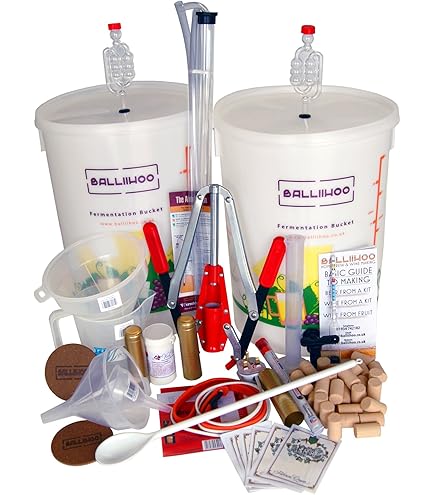
Credit: www.amazon.co.uk
Choosing The Right Grapes
Choosing the right grapes is the first step to making great wine. The grape variety affects the wine’s flavor, aroma, and color. Picking the right fruit means better wine quality and a more enjoyable experience. Knowing which grapes suit your taste and climate helps in making the best choice.
Types Of Grapes For Wine
Wine grapes fall into two main categories: red and white. Each type has many varieties with unique tastes.
- Cabernet Sauvignon:A popular red grape known for bold flavors.
- Merlot:A softer red grape with fruity notes.
- Chardonnay:A white grape that produces rich, buttery wines.
- Sauvignon Blanc:A white grape with crisp, fresh flavors.
Choosing the right grape depends on the style of wine you want to create.
Selecting Quality Fruit
Fresh, ripe grapes make the best wine. Avoid damaged or underripe fruit. Look for firm grapes with good color and no signs of mold or insects.
Harvest grapes at their peak sugar level. This ensures balanced sweetness and acidity in the wine. Clean the grapes before use to remove dirt and impurities.
Crushing And Pressing Equipment
Crushing and pressing are the first critical steps in winemaking that affect the flavor and quality of your wine. The right equipment can make these tasks easier and more efficient, whether you’re making a small batch or a large one. Understanding the differences in crushers and presses helps you choose tools that fit your needs and budget.
Manual Vs Electric Crushers
Manual crushers require you to physically crush the grapes by turning a handle or using a stomping method. They are affordable, simple, and perfect if you’re making wine in small quantities. You stay close to the process and can control the crushing pressure yourself.
Electric crushers save time and energy by automating the crushing. They handle larger volumes quickly and consistently, which is great if you make wine often or in bigger batches. However, they cost more and need a power source.
- Manual crushers are lightweight and portable.
- Electric crushers offer uniform crushing, reducing human error.
- Your choice depends on how much effort you want to put in and how much wine you plan to make.
Grape Press Options
Pressing extracts juice from crushed grapes, and you have several types of presses to choose from. Basket presses are traditional and affordable, giving you good control over pressure. They work well for small to medium batches and produce clear juice.
Hydraulic presses provide more power and precision, which helps extract more juice quickly. They’re ideal if you want to maximize yield without damaging seeds and skins too much. However, they come with a higher price tag and require maintenance.
| Press Type | Best For | Pros | Cons |
|---|---|---|---|
| Basket Press | Small to medium batches | Simple, affordable, good juice clarity | Manual effort, slower process |
| Hydraulic Press | Large batches, higher juice yield | Powerful, efficient, precise pressure control | Expensive, requires maintenance |
Think about how much wine you want to make and how much effort you want to spend. Are you willing to invest in electric equipment for speed? Or do you prefer hands-on control with manual tools? Your answers will guide your equipment choice and impact your winemaking experience.
Fermentation Vessels
Choosing the right fermentation vessel is crucial for crafting quality wine at home. The vessel not only holds your grape juice but also impacts the fermentation process, flavor, and clarity of your wine. Understanding the pros and cons of different materials can help you decide what fits your needs and space.
Glass Carboys
Glass carboys are a classic choice among home winemakers. They are non-reactive, so they won’t affect the taste or aroma of your wine. Plus, their transparency lets you watch the fermentation progress, which can be quite satisfying.
However, glass is heavy and can break if dropped. Handling it carefully and placing it on a stable surface is essential. Have you ever experienced the thrill of seeing your wine bubble up inside a clear carboy? It’s a small joy that connects you directly to the fermentation process.
Food-grade Plastic Fermenters
Plastic fermenters are lightweight and less fragile compared to glass. They often come with built-in spigots for easy sampling and transferring, making your winemaking smoother. Cleaning is easier too, but be sure to use only food-grade plastics to avoid unwanted chemical interactions.
One downside is that plastic can scratch, which might harbor bacteria and affect future batches. Do you prioritize convenience or longevity in your winemaking tools? This choice can guide you toward plastic fermenters or sturdier options.
Stainless Steel Tanks
Stainless steel tanks offer durability and excellent temperature control, which can be a game-changer if you want to fine-tune your fermentation. They are easy to clean and won’t retain odors or stains. Many commercial wineries use them for these reasons.
These tanks can be pricier and require more space, but the investment pays off in quality and consistency. If you’re serious about winemaking and have the budget, stainless steel could be your best ally. What level of control over fermentation do you want to have?
Credit: thewinefirm.com
Airlocks And Bungs
Airlocks and bungs play a crucial role in your winemaking journey. They keep your fermenter sealed while allowing gases to escape, preventing unwanted air and bacteria from spoiling your batch. Understanding these tools can help you avoid common fermentation problems and improve the quality of your wine.
Types Of Airlocks
There are several types of airlocks available, each with its own advantages. The most common are:
- S-shaped airlocks:These have a simple design with two chambers filled with water, allowing CO2to bubble out while blocking air from entering.
- Three-piece airlocks:These consist of three parts that you can take apart for easy cleaning, making them popular among home winemakers.
- Dome-shaped airlocks:A one-piece design that is easy to use but can be harder to clean thoroughly.
Choosing the right type depends on your preference for cleaning, cost, and ease of use. Have you tried more than one type to see which fits your routine better?
Sealing Your Fermenter
Bungs seal your fermenter’s opening and hold the airlock in place. They come in various sizes and materials like rubber or silicone to ensure a tight fit. A proper seal is essential to prevent oxygen from entering and spoiling your wine.
To get the best seal, check that the bung fits snugly without gaps. Sometimes, a little trial and error with sizing is necessary. Have you noticed any off-flavors that might be linked to a poor seal?
Make sure to keep the airlock filled with water or sanitizer solution during fermentation. This simple step protects your wine while allowing fermentation gases to escape safely. It’s a small detail that can make a big difference in your wine’s final taste.
Hydrometers And Testing Tools
Hydrometers and testing tools play a vital role in winemaking. They help track the fermentation process and ensure wine quality. These tools measure important factors like sugar and alcohol levels. Understanding these numbers guides decisions for better flavor and balance. Accurate testing avoids guesswork and improves consistency in every batch.
Measuring Sugar Levels
A hydrometer measures the sugar concentration in grape juice or must. Sugar is food for yeast during fermentation. The reading shows how much sugar is available to convert into alcohol. Winemakers take a reading before fermentation starts. This initial reading is called the “original gravity.”
Checking sugar levels helps predict the potential alcohol content. It also indicates when fermentation is complete. Sugar drops as yeast consumes it, so lower readings mean less sugar left. This simple test prevents overly sweet or dry wine.
Testing Alcohol Content
After fermentation, testing alcohol content confirms the wine’s strength. A hydrometer can estimate this by comparing original and final gravity readings. The difference shows how much sugar turned into alcohol.
Other tools like alcoholmeters give a direct alcohol percentage reading. These tools require clear wine samples free of bubbles or sediment. Knowing alcohol content helps ensure legal compliance and consistency in taste.
Racking And Siphoning Gear
Racking and siphoning gear is essential for every winemaker aiming to produce clear, clean-tasting wine. This equipment helps you transfer wine from one container to another without disturbing the sediment that settles at the bottom. Using the right tools can save your wine from unwanted flavors and give it a polished finish.
Siphons And Tubing
Siphons and tubing come in various materials like food-grade plastic and silicone. Choosing flexible yet sturdy tubing makes it easier to reach into your fermenter or carboy without kinking. A common favorite is the auto-siphon, which starts the flow with a simple pump action, reducing spills and exposure to air.
Think about how frustrating it is to lose wine during transfers or accidentally suck up sediment. Good siphoning gear prevents this and keeps your winemaking process smooth. Have you noticed how much cleaner your wine tastes when you avoid splashes and spills?
Avoiding Sediment Transfer
Preventing sediment from moving into your new container is crucial. Use racking tubes with weighted ends that rest just above the sediment layer. This simple design lets you draw clear wine, leaving solids behind.
Another tip is to rack slowly and steadily to minimize disturbance. You might want to pause and let sediment settle again if you see cloudiness rising. Have you ever tasted wine that seemed gritty or off? Sediment transfer is often the culprit.
Bottling Supplies
Bottling your homemade wine is a crucial step that affects its taste, presentation, and shelf life. Having the right bottling supplies makes this process smoother and ensures your wine stays fresh and looks appealing. Let’s break down the essential tools you’ll need to bottle your wine like a pro.
Wine Bottles And Corks
Your choice of wine bottles impacts both storage and presentation. Clear bottles show off the wine’s color but can expose it to light, which may affect flavor over time. Dark green or amber bottles offer better protection from UV rays, preserving your wine longer.
Corks are the traditional closure and come in natural, synthetic, or agglomerated types. Natural corks allow a tiny amount of oxygen to interact with the wine, which can improve aging. Synthetic corks, on the other hand, prevent oxygen exposure but might not allow the wine to mature as well.
Corking Machines
Pushing corks into bottles by hand can be tiring and risky for the wine. A corking machine provides consistent pressure, reducing the chance of cork breakage or wine spillage. There are handheld, floor-standing, and automatic models, each suited to different volumes of bottling.
If you’re bottling small batches, a simple handheld corker might do the job well. For larger volumes, investing in a floor-standing or automatic corker can save time and effort. Have you tried corking by hand? You’ll appreciate how much easier a machine makes this step.
Labeling Tools
Labels are more than just decoration—they provide important information and give your wine personality. Labeling tools range from simple adhesive labels to specialized printers that create professional-quality designs. You’ll want labels that stick well and resist moisture.
A label applicator can help you place labels evenly and quickly, especially if you have many bottles. Even with a small batch, neat labels boost the overall impression of your wine. What details do you want your label to show? Date, grape variety, or a fun story?
Cleaning And Sanitizing Equipment
Keeping your winemaking equipment clean and sanitized is not just a good habit—it’s essential for crafting great wine. Any residue or bacteria left on your tools can spoil the entire batch. You want to protect your hard work by ensuring every surface that touches your wine is spotless and safe.
Sanitizers For Winemaking
Sanitizers kill harmful microbes without leaving behind odors or residues. Common choices include Star San, a no-rinse sanitizer popular for its ease of use and quick action. You simply mix it with water, soak or spray your equipment, and it’s ready to use within minutes.
Other options like potassium metabisulfite offer effective sanitizing power but require careful measurement to avoid off-flavors. Have you checked the expiration date on your sanitizer lately? Using expired sanitizer can compromise your wine’s quality.
Cleaning Brushes And Tools
Cleaning brushes come in all shapes and sizes designed to reach every nook of your fermenter, carboy, or tubing. A soft-bristle brush works well for delicate glass surfaces, while a tougher nylon brush tackles stubborn residue in plastic buckets.
Using the right brush prevents scratches that can harbor bacteria. Don’t forget small tools like bottle brushes and tubing brushes—they ensure every part of your equipment is thoroughly cleaned. How often do you replace your brushes? Old, worn brushes can spread contamination rather than remove it.
Temperature Control Devices
Temperature control devices are essential for making wine. They help keep the fermentation process steady. Wine tastes better when temperature stays consistent. These tools protect the wine from spoiling and improve its quality.
Thermometers
Thermometers measure the temperature of the wine during fermentation. They are easy to use and read. Accurate readings help winemakers decide when to cool or heat the wine. Some thermometers come with digital displays for precise control. Others use simple glass tubes with colored liquid. A good thermometer ensures the wine stays within the ideal temperature range.
Cooling And Heating Solutions
Cooling and heating devices keep the wine at the right temperature. Cooling systems remove excess heat during warm weather. Heating pads or jackets add warmth in cold conditions. Temperature controllers automate these devices for constant monitoring. Some winemakers use wine fermentation chambers with built-in temperature control. Proper cooling and heating prevent bad flavors and help the wine mature well.

Credit: sc-electricals.com
Additional Winemaking Accessories
Winemaking involves more than just grapes and fermentation tanks. Additional accessories help improve the quality and stability of your wine. These tools assist in controlling the fermentation process and ensuring your wine ages well.
Wine Additives And Nutrients
Wine additives and nutrients play a key role in healthy fermentation. Yeast nutrients provide essential minerals and vitamins that yeast need to work efficiently. Without them, fermentation might slow or stop.
Common additives include:
- Yeast nutrients – support yeast growth
- Acidifiers – balance wine acidity
- Fining agents – clear wine by removing particles
- Preservatives – protect wine from spoilage
Each additive has a specific purpose to improve taste and stability. Proper use leads to better aroma, flavor, and shelf life.
Storage And Aging Containers
Storing and aging wine requires suitable containers. The type of container affects the wine’s flavor development and quality.
Common options include:
- Glass carboys – popular for fermentation and storage
- Stainless steel tanks – durable and easy to clean
- Oak barrels – add complex flavors and allow gentle oxygen exposure
- Plastic fermenters – lightweight and affordable for beginners
Choosing the right container depends on your winemaking style and goals. Proper storage prevents contamination and helps wine mature smoothly.
Frequently Asked Questions
What Essential Tools Do I Need For Making Wine At Home?
Essential tools include a fermenter, airlock, hydrometer, siphon, bottles, and sanitizers. These ensure proper fermentation and hygiene. Quality tools improve wine taste and safety.
How Does A Hydrometer Help In Winemaking?
A hydrometer measures the specific gravity of the juice or wine. It helps track sugar levels and fermentation progress. This ensures accurate alcohol content and timing.
Why Is Sanitization Important In Winemaking Tools?
Sanitizing tools prevents contamination by harmful bacteria and wild yeast. Clean tools protect wine flavor and safety. Proper sanitization avoids spoilage and off-flavors.
What Type Of Fermenter Is Best For Wine Making?
Food-grade plastic or glass carboys are ideal fermenters. They provide a sealed environment for controlled fermentation. Choose based on volume and ease of cleaning.
Conclusion
Choosing the right tools makes wine making easier and more fun. Basic equipment helps you create great wine at home. Clean, simple tools keep the process smooth and safe. Start small and learn step by step. Enjoy the journey of turning grapes into wine.
With patience and care, your wine will taste better. Keep exploring and improving your setup over time. Every bottle tells your unique story. Cheers to your wine-making adventure!

Ethan Cole is a kitchen innovation enthusiast and food technology writer at DiningGadgets.com. With over 8 years of experience reviewing cookware, smart kitchen tools, and design trends, he helps readers discover gadgets that make cooking easier and dining more enjoyable. When he’s not testing the latest kitchen appliances, Ethan enjoys experimenting with recipes and sharing practical tips for modern homes.