Making Mead Honey Wine: Ultimate Guide to Crafting Sweet Gold
Imagine sipping on a golden, sweet beverage that has been enjoyed by ancient civilizations for centuries. This delightful drink is mead, also known as honey wine.
If you’re curious about creating your own batch, you’re about to discover a fascinating world where honey transforms into a delicious, flavorful wine. Making mead is surprisingly simple, and it can be a fun and rewarding experience. You’ll learn how to combine just a few basic ingredients to produce a drink that can be enjoyed on any occasion.
Whether you’re a seasoned homebrewer or a complete novice, this guide will walk you through the process step by step. Ready to impress your friends and family with your homemade honey wine? Let’s dive into the sweet world of mead-making!

Credit: www.amazon.com
Mead Basics
Mead is one of the oldest fermented drinks made by humans. It is simple yet rich in taste and history. Understanding the basics of mead helps you appreciate this honey wine. Let’s explore what mead is, its types, and its fascinating past.
What Is Mead
Mead is an alcoholic drink made by fermenting honey with water. Yeast is added to convert sugars into alcohol. Sometimes, fruits, spices, or herbs join the mix. The result is a sweet or dry beverage with a unique flavor. Mead is often called honey wine because of its sweetness and alcohol content.
Types Of Mead
Mead comes in many varieties. Each one differs in flavor and ingredients. Here are common types:
- Traditional Mead:Made with just honey, water, and yeast.
- Melomel:Mead with added fruits like berries or apples.
- Metheglin:Mead flavored with spices or herbs such as cinnamon or cloves.
- Cyser:Mead made with apple juice instead of water.
- Pyment:Mead made with grape juice.
History Of Mead
Mead dates back thousands of years. Ancient cultures in Europe, Asia, and Africa enjoyed it. It appears in old myths and legends. Vikings, Greeks, and Egyptians all drank mead. It was often seen as a sacred or royal drink. Mead-making traditions passed through generations. Today, mead is gaining new fans worldwide.
Ingredients Needed
Making mead, or honey wine, starts with gathering the right ingredients. Each component plays a vital role in the flavor, clarity, and overall success of your brew. Knowing what to choose and why can save you from common mistakes and elevate your homebrew experience.
Choosing Honey
Your choice of honey shapes the character of your mead more than any other ingredient. Raw, unfiltered honey retains natural flavors and beneficial enzymes that boost fermentation and complexity.
Try different types like clover, wildflower, or orange blossom to see how floral notes and sweetness vary. Have you ever tasted the difference between a light and a dark honey? Darker honey tends to add richer, earthier tones that some mead makers prefer.
Water Quality
Water is the base of your mead, so its quality directly affects the taste. Use clean, chlorine-free water. Tap water often contains chlorine or chloramine, which can create off-flavors and kill yeast.
Many brewers use filtered or spring water for a neutral canvas. If you’re unsure about your water, a simple test strip can reveal unwanted chemicals. Could your tap water be the hidden reason behind a failed batch?
Yeast Selection
Yeast converts honey into alcohol, but not all yeasts work the same way. Wine yeasts like Lalvin D-47 or EC-1118 are popular because they tolerate higher alcohol levels and bring out fruity or floral notes.
Experimenting with different yeast strains can change the aroma and finish of your mead. Have you tried using wild yeast for a more rustic flavor, or do you prefer the consistency of commercial strains?
Optional Additives
While honey, water, and yeast are essential, optional additives help refine your mead. Ingredients like yeast nutrients support healthy fermentation and prevent stuck batches.
Spices, fruit, or herbs can add unique flavors but use them sparingly to avoid overpowering the honey’s natural taste. Are you ready to customize your mead with subtle hints or bold twists?
Equipment Essentials
Making mead, a delightful honey wine, needs some basic tools. These tools help turn honey and water into a tasty drink. Using the right equipment makes the process easier and safer. It also helps avoid mistakes that can spoil the mead. Below are the key equipment essentials for mead making.
Fermentation Vessels
Fermentation vessels hold the honey and water mix during fermentation. Glass carboys are popular because they do not absorb flavors. Food-grade plastic buckets are lightweight and easy to handle. Stainless steel containers work well but cost more. Choose a vessel size that fits your batch volume. Make sure it has an airlock or a way to release gas. This prevents pressure build-up and keeps oxygen out.
Sanitization Tools
Sanitizing tools are vital to prevent bad bacteria and wild yeast. Use a no-rinse sanitizer to clean all equipment before use. Clean bottles, spoons, and fermentation vessels thoroughly. Even small germs can spoil the mead or cause off-flavors. Use clean water and sanitizer solution for the best results. Keep everything dry and free from dust after sanitizing.
Measuring Instruments
Accurate measuring instruments ensure the right balance of ingredients. A hydrometer measures sugar levels and tracks fermentation progress. A thermometer helps keep the mixture at the right temperature. Use a kitchen scale to weigh honey and other additives. Measuring cups and spoons are useful for precise liquid amounts. These tools help maintain consistency and improve the final taste.
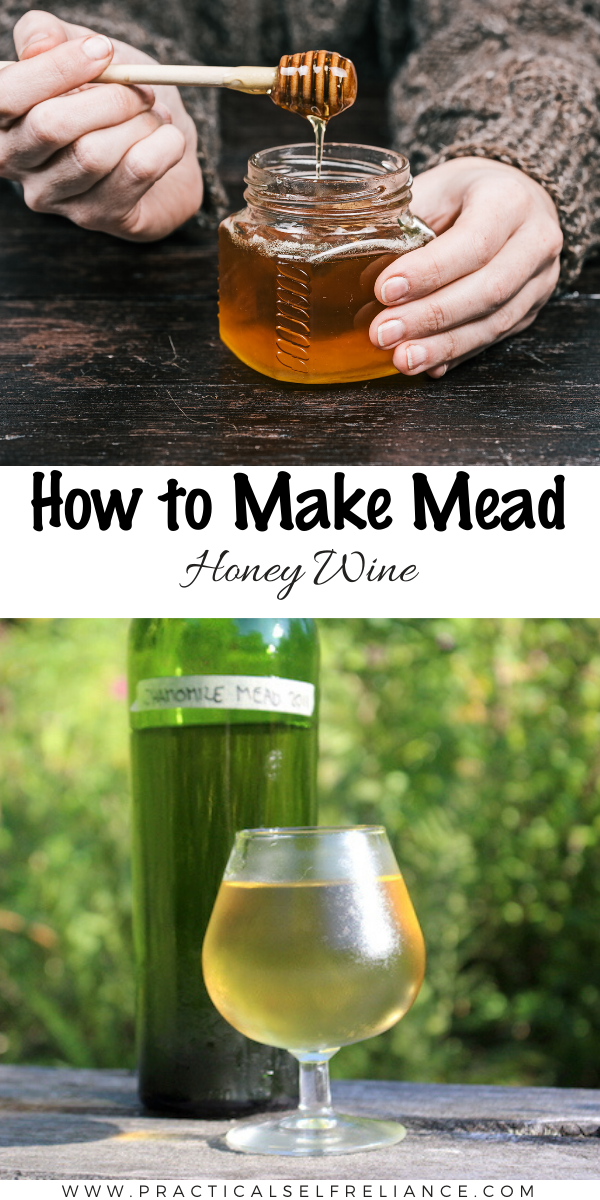
Credit: practicalselfreliance.com
Step-by-step Brewing
Brewing mead, or honey wine, is a rewarding process that turns simple ingredients into a flavorful drink. The key lies in carefully handling each stage, from mixing your ingredients to letting the yeast work its magic. This step-by-step guide breaks down the process so you can confidently craft your own mead at home.
Preparing The Must
The must is the foundation of your mead, made by mixing honey with water. Use about 3 pounds of honey per gallon of water for a balanced sweetness. Gently warm the water first to help the honey dissolve, but avoid boiling as it can change the honey’s flavor.
After mixing, check the temperature. Yeast thrives best between 70°F and 80°F. If it’s too hot, you risk killing the yeast before it even starts.
Pitching The Yeast
Once your must is ready and cooled to the right temperature, it’s time to add the yeast. Choose a yeast strain suited for mead, like Lalvin D-47 or EC-1118, which handle honey’s high sugar content well. Sprinkle the yeast over the surface or stir it in gently.
Some brewers prefer to rehydrate the yeast in warm water before adding it. This can help jump-start fermentation, especially if you’re new to brewing. Have you noticed how yeast can be a bit finicky? Treating it well pays off in the final taste.
Fermentation Process
Fermentation is where the magic happens: yeast consumes the sugars and produces alcohol. Store your fermenter in a dark, cool place with a stable temperature around 65°F to 75°F. This keeps the yeast happy and working steadily.
You’ll see bubbles forming—an exciting sign your mead is alive. Let it ferment for about 4 to 6 weeks, but don’t rush. The longer it ferments, the more complex the flavors can become.
Racking And Clarifying
After fermentation slows, it’s time to rack your mead. This means transferring the liquid into a clean container, leaving sediment behind. Racking helps improve clarity and taste by separating the mead from dead yeast and other particles.
Repeat racking every few weeks as needed until the mead clears. Patience here is crucial. Clear mead not only looks better but tastes smoother. Have you ever tasted mead right off the fermenter? It’s often harsh—racking makes all the difference.
Flavor Enhancements
Flavor enhancements can transform basic mead into a rich, complex drink. They add depth and unique notes to honey wine. Experimenting with different ingredients and techniques creates a personalized taste. Each approach brings new aromas and textures to the mead.
Adding Fruits And Spices
Fruits and spices give mead vibrant flavors and aromas. Popular fruits include berries, apples, and citrus. These add sweetness, tartness, or bright freshness. Spices like cinnamon, cloves, and ginger provide warmth and spice notes.
Add fruits whole or as juice during fermentation. Spices work best when added in small amounts. Use a muslin bag to hold spices for easy removal. Taste regularly to balance flavors.
Sweetening Techniques
Sweetness levels vary in mead. Adjust sweetness by adding honey or sugar after fermentation. This process is called back-sweetening. It balances acidity and bitterness in the wine.
Use pasteurized honey or syrup to avoid restarting fermentation. Add sweeteners slowly and taste often. Sweetness should complement other flavors without overpowering them.
Aging Tips
Aging mellows harsh flavors and improves smoothness. Store mead in a cool, dark place. Oak barrels or chips add subtle woody notes during aging.
Check mead monthly for taste changes. Patience is key. Some meads improve after several months, others after a year or more. Proper aging enhances complexity and harmony in flavor.
Troubleshooting Common Issues
Making mead can bring great rewards, but sometimes issues arise during brewing. Troubleshooting common problems helps keep your honey wine tasty and smooth. Identifying problems early saves time and ingredients. This section covers typical issues and how to fix them.
Off-flavors And Causes
Off-flavors often spoil mead’s taste. These can come from:
- Using poor-quality honey with strong flavors
- Contamination from dirty equipment
- Fermenting at too high or low temperatures
- Overexposure to oxygen during fermentation
- Using wild yeast or bacteria instead of brewer’s yeast
Prevent off-flavors by cleaning all tools well. Keep fermentation temperatures steady between 60°F and 75°F (15°C-24°C). Use fresh, good honey and reliable yeast strains. Avoid opening the fermenter too often to reduce oxygen exposure.
Stuck Fermentation
Sometimes fermentation stops early. This is called stuck fermentation. Causes include:
- Too much honey creating high sugar levels
- Yeast not enough or weak
- Temperature too low for yeast activity
- Lack of nutrients needed by yeast
- High alcohol levels killing yeast
Fix stuck fermentation by gently stirring the mead. Warm the batch slightly to around 70°F (21°C). Add yeast nutrient or fresh yeast if needed. Avoid adding too much honey at once to prevent overload.
Cloudiness And Sediment
Clear mead looks more appealing but cloudiness can happen. This may be due to:
- Suspended yeast cells or proteins
- Incomplete fermentation
- Cold temperatures causing haze
- Using unfiltered honey with particles
To clear cloudy mead, allow it to age longer. Cold crash by chilling the mead near 35°F (2°C) to settle solids. Use fining agents like bentonite or gelatin to help particles drop faster. Rack the mead off sediment carefully before bottling.
Bottling And Storage
Bottling and storing mead is an important stage in honey wine making. Proper care during this step keeps the mead fresh and tasty. It also helps to avoid spoilage and unwanted flavors. Choosing the right bottles, sealing them well, and storing under the correct conditions all matter. Each step protects the mead and lets it age well.
Choosing Bottles
Pick bottles made of glass for best results. Glass does not react with mead and keeps flavor pure. Dark-colored bottles block sunlight and protect mead from damage. Standard wine bottles work well and are easy to seal. Make sure bottles are clean and dry before filling. Avoid plastic bottles as they can leak and spoil taste.
Sealing Methods
Proper sealing prevents air from entering the bottle. Corks are traditional and allow slight breathing for aging. Use food-grade corks designed for wine bottles. Screw caps provide a tight seal and stop air completely. They work well for meads meant to be drunk young. Wax seals add extra protection but are mainly decorative. Choose a sealing method that suits your mead style and storage plans.
Storage Conditions
Store mead bottles in a cool, dark place. Ideal temperature is between 50°F and 60°F (10°C to 15°C). Avoid places with temperature changes like kitchens or near windows. Keep bottles lying down if using corks to keep cork moist. Upright storage is fine for screw caps. Stable humidity around 60% helps corks stay soft. Proper conditions help mead develop good flavors over time.
Serving Suggestions
Serving your homemade mead properly can make all the difference in how you and your guests enjoy this ancient honey wine. The right glass, food pairing, and temperature bring out the best flavors and aromas, turning each sip into a memorable experience. Let’s look at some practical tips to help you serve your mead like a pro.
Ideal Glassware
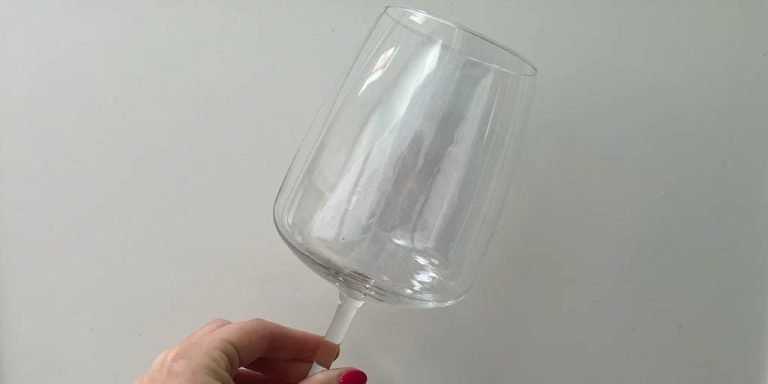
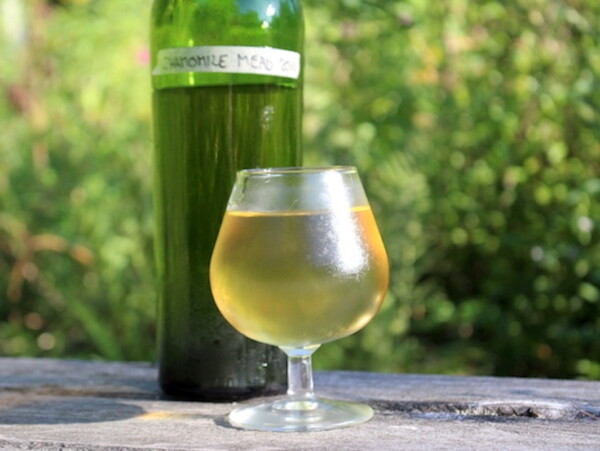
Choosing the right glass enhances the mead’s bouquet and flavor. A tulip-shaped glass is perfect because it concentrates the aromas toward your nose, making every sip more flavorful.
If you don’t have a tulip glass, a standard white wine glass works well too. Avoid wide, shallow glasses as they let the aroma escape too quickly, dulling the taste.
Pairing With Food
Mead’s sweetness and complex flavors make it versatile with food. Try pairing a dry mead with sharp cheeses like aged cheddar or gouda to balance the flavors.
Sweet meads go wonderfully with spicy dishes like Indian or Thai cuisine, where the honey tones calm the heat. Ever thought about pairing mead with dessert? It complements fruit tarts and creamy desserts like panna cotta beautifully.
Serving Temperatures
Serving temperature affects how you perceive mead’s sweetness and acidity. Chill your mead to around 50-55°F (10-13°C) for dry styles to keep them crisp and refreshing.
Sweet or heavier meads taste better slightly warmer, around 60-65°F (15-18°C), which brings out richer honey notes. Too cold, and you might miss the full depth of flavor; too warm, and it could taste overly sweet or flat.
Credit: practicalselfreliance.com
Frequently Asked Questions
What Ingredients Are Needed For Making Mead Honey Wine?
To make mead, you need honey, water, yeast, and optional flavorings like fruit or spices. Quality honey impacts taste significantly.
How Long Does Mead Fermentation Typically Take?
Fermentation usually takes 4 to 6 weeks, depending on temperature and yeast strain. Aging improves flavor after fermentation.
Can Mead Be Flavored With Fruits Or Spices?
Yes, adding fruits or spices during fermentation enhances mead’s complexity. Popular choices include berries, cinnamon, and cloves.
What Is The Ideal Temperature For Fermenting Mead?
The ideal temperature is between 60°F and 75°F. Consistent warmth helps yeast work efficiently without off-flavors.
Conclusion
Making mead is a fun and rewarding process anyone can try. Honey, water, and yeast create a sweet drink with history. Patience matters as fermentation takes time but brings great taste. Experiment with flavors to find your favorite mix. Share your mead with friends and enjoy the results.
This ancient drink connects us to old traditions. Start small and learn with each batch you make. Mead offers a simple way to explore home brewing. Give it a go and enjoy crafting your own honey wine.
Ethan Cole is a kitchen innovation enthusiast and food technology writer at DiningGadgets.com. With over 8 years of experience reviewing cookware, smart kitchen tools, and design trends, he helps readers discover gadgets that make cooking easier and dining more enjoyable. When he’s not testing the latest kitchen appliances, Ethan enjoys experimenting with recipes and sharing practical tips for modern homes.