Hydrometer for Wine Making: Essential Tips for Perfect Fermentation
Are you ready to take your wine-making skills to the next level? Imagine crafting a bottle of wine that’s not just good but exceptional, and it all starts with mastering one simple tool: the hydrometer.
If you’re passionate about creating your own wine, understanding how to use a hydrometer is a game-changer. This magical little device holds the key to unlocking the perfect balance of flavor and alcohol content in your homemade wines. Curious about how a hydrometer can transform your wine-making process and ensure every batch is a triumph?
Let’s dive into the world of hydrometers and discover how this tool can elevate your wine-making experience from ordinary to extraordinary.

Credit: craftabrew.com
Choosing The Right Hydrometer
Choosing the right hydrometer is crucial for accurate wine making. It ensures you track sugar levels and fermentation progress precisely. Picking the wrong one can lead to miscalculations, affecting the taste and quality of your wine.
Types Of Hydrometers
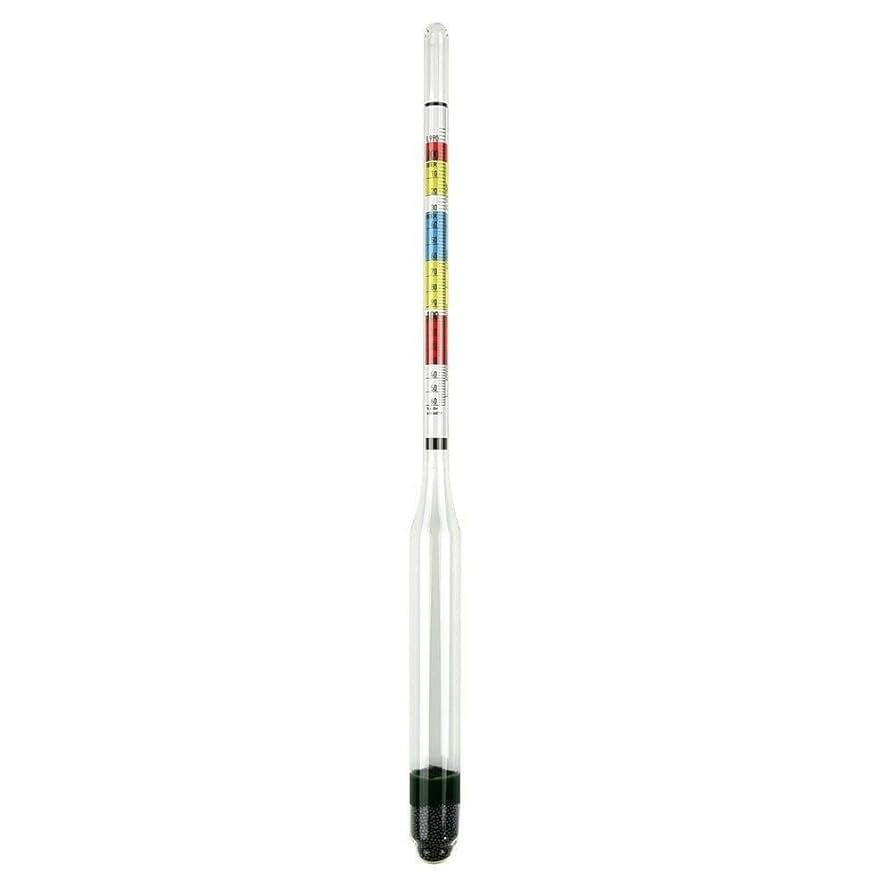
Hydrometers come in various types designed for different purposes in wine making. The most common are:
- Standard Hydrometer:Measures specific gravity to estimate sugar content.
- Brix Hydrometer:Reads sugar concentration in degrees Brix, popular in fruit wine making.
- Potential Alcohol Hydrometer:Estimates potential alcohol content based on sugar levels.
Choose one that matches your wine style and testing needs. Have you considered which measurement matters most to your process?
Accuracy And Calibration
Accuracy can make or break your wine batch. Even a small error in measurement can change fermentation outcomes. Look for hydrometers with clear calibration marks and consider ones that allow recalibration.
Test your hydrometer in distilled water before use to check if it reads exactly 1.000 specific gravity. This simple step saves you from costly mistakes. How often do you check your tools to ensure reliable readings?
Material And Durability
Hydrometers are commonly made from glass or plastic. Glass hydrometers offer high accuracy but can be fragile. Plastic versions are more durable and budget-friendly but might sacrifice some precision.
Think about your workspace and handling habits. If you’re often working in tight or busy areas, a sturdy plastic hydrometer might be wiser. What’s your priority: precision or practicality?
Preparing For Measurement
Preparing to measure your wine’s specific gravity is an important step. Accurate readings help track fermentation progress and sugar levels. Taking time to prepare ensures reliable and consistent results. This includes cleaning tools, collecting the right sample, and considering temperature effects.
Sanitizing Equipment
Cleanliness is key to good wine making. Always sanitize your hydrometer and test jar before use. Use a food-safe sanitizer to kill any bacteria or yeast. Rinse with clean water after sanitizing. This prevents contamination and off-flavors in your wine.
Sample Collection Techniques
Collect a sample from the fermenting wine carefully. Use a wine thief or clean tube to avoid splashing or introducing air. Fill the test jar about three-quarters full. Avoid bubbles or foam on the surface. These can cause inaccurate readings with the hydrometer.
Temperature Considerations
Temperature affects hydrometer readings. Most hydrometers are calibrated at 60°F (15.6°C). If your sample is warmer or cooler, the reading may be off. Use a thermometer to check the sample temperature. Apply a correction factor if needed to get an accurate result.
Taking Readings
Taking readings with a hydrometer is a vital part of wine making. It helps track sugar levels in the juice. These readings show how fermentation is progressing. Accurate measurements guide winemakers to the right moment for bottling. The process is simple yet powerful for quality control.
Initial Gravity Measurement
Start by measuring the specific gravity of the grape juice or must. This initial reading shows the sugar content before fermentation begins. Use a clean test jar and fill it with the liquid. Gently lower the hydrometer into the jar without touching the sides. Read the scale at the liquid surface. Record this value carefully. It predicts the potential alcohol level in the final wine.
Monitoring Fermentation Progress
Take regular readings during fermentation to see sugar levels drop. Each measurement shows how much sugar has turned into alcohol. A falling gravity means active fermentation. Use a clean sample for each reading to avoid contamination. Note the changes over time to understand fermentation speed. This helps detect any problems early.
Final Gravity Check
Measure gravity again once fermentation seems complete. The final gravity is usually lower than the initial reading. A stable reading over several days means fermentation is done. This value confirms the residual sugar in the wine. It also indicates alcohol content and sweetness. Use this reading before bottling to ensure wine quality.

Credit: craftabrew.com
Interpreting Hydrometer Results
Interpreting hydrometer results helps winemakers track fermentation and ensure quality. It reveals sugar levels and alcohol content at different stages. Reading these results correctly guides necessary adjustments for better wine.
Calculating Alcohol Content
Take the initial gravity (before fermentation) and final gravity (after fermentation). Subtract the final gravity from the initial gravity. Multiply the result by 131 to estimate alcohol by volume (ABV).
Example:
| Initial Gravity (OG) | Final Gravity (FG) | ABV Calculation |
|---|---|---|
| 1.090 | 0.995 | (1.090 – 0.995) × 131 = 12.9% ABV |
Identifying Fermentation Issues
Hydrometer readings can show if fermentation is stuck or slow. A high final gravity means sugar remains, indicating incomplete fermentation. Sudden changes or no change in gravity can mean yeast problems or temperature issues.
- Constant gravity for days suggests stalled fermentation.
- Unexpected low gravity may indicate contamination.
- Slow drop in gravity points to weak yeast activity.
Adjusting Wine Making Process
Use hydrometer results to decide next steps. Add yeast nutrients if fermentation is slow. Increase temperature slightly to help yeast work better. Consider racking the wine if fermentation is complete to avoid off-flavors.
- Boost nutrients to support yeast health.
- Adjust temperature between 65-75°F for active fermentation.
- Rack wine after fermentation to separate from sediment.
Common Mistakes To Avoid
Using a hydrometer in wine making can be straightforward, but small mistakes can lead to inaccurate readings and affect your final product. Understanding the common pitfalls helps you get reliable measurements and better control over fermentation. Let’s look at some frequent errors you should avoid to ensure your wine turns out just right.
Ignoring Temperature Corrections
Hydrometers are calibrated to work at a specific temperature, usually 20°C (68°F). If your wine sample is warmer or cooler, the reading will be off.
I once measured a batch straight from a warm fermenter and got a gravity that was too high. After adjusting for temperature, I realized fermentation was nearly complete. Ignoring temperature can make you add sugar unnecessarily or stop fermentation too early.
Always check your hydrometer’s calibration temperature and use a correction chart or calculator if your sample’s temperature differs.
Contaminating Samples
Dirty or contaminated samples can alter the specific gravity and introduce off-flavors to your wine. Using a dirty jar or dipping the hydrometer directly into the fermenter without sterilizing can cause problems.
When I rushed and didn’t sanitize my testing equipment, I introduced wild yeast that created an unpleasant aroma in the wine.
To avoid this, always use clean, sanitized containers and handle samples carefully. Take just enough liquid for testing, and never double-dip your hydrometer into the fermenter.
Misreading The Scale
Reading a hydrometer requires looking at the liquid surface at eye level. The liquid forms a curve called the meniscus, and you need to read the value at the bottom of this curve.
Early on, I often read the top of the meniscus instead of the bottom, which led to incorrect gravity readings.
Make sure you read the scale correctly to avoid misjudging your wine’s progress. Taking multiple readings and averaging them can also improve accuracy.

Credit: www.amazon.com
Maintaining Your Hydrometer
Maintaining your hydrometer is key to getting accurate readings every time you test your wine. Neglecting this simple tool can lead to incorrect measurements, throwing off your fermentation process and ultimately affecting the taste of your wine. Taking care of your hydrometer ensures it stays reliable and lasts through many batches.
Cleaning Tips
Always rinse your hydrometer with warm water immediately after use. This prevents sticky residues from sugar or yeast from building up and affecting future readings.
Avoid using harsh chemicals or abrasive scrubbers; instead, gently wipe it with a soft cloth or sponge. If you notice stubborn residue, soak the hydrometer in a mild detergent solution for a few minutes before rinsing.
Have you ever found your readings off because of unseen dirt? Regular cleaning helps you avoid this common pitfall.
Proper Storage
Store your hydrometer in a protective case to prevent cracks or breaks. Glass hydrometers are fragile, and even a small drop can ruin their accuracy.
Keep it in a cool, dry place away from direct sunlight to avoid warping or discoloration. Consider hanging it vertically or laying it flat on a soft towel.
Do you keep your hydrometer in a safe spot, or is it just tossed into a drawer? Treating it like a delicate instrument pays off.
When To Replace
Check your hydrometer for cracks, chips, or any cloudiness in the glass before every use. Damage can cause inaccurate measurements or even breakage during testing.
If you notice inconsistent readings despite proper cleaning and handling, it might be time to replace it. Hydrometers aren’t expensive, but using a faulty one can cost your wine quality.
Ask yourself—are you risking your batch by holding on to an old hydrometer? Sometimes, investing in a new tool is the best choice for your winemaking success.
Frequently Asked Questions
What Is A Hydrometer In Wine Making?
A hydrometer measures the specific gravity of wine must. It helps track fermentation progress by showing sugar levels. This tool ensures accurate monitoring for desired alcohol content and taste.
How Do You Use A Hydrometer For Wine?
Fill a test jar with wine must and gently float the hydrometer. Read the specific gravity at eye level. Record measurements before and after fermentation for accurate alcohol estimation.
Why Is Hydrometer Accuracy Important In Wine Making?
Accurate hydrometer readings ensure proper fermentation tracking. This prevents off-flavors and spoilage by confirming sugar conversion. It helps achieve consistent wine quality and desired alcohol levels.
Can A Hydrometer Detect Fermentation Problems?
Yes, it reveals stuck fermentation by showing unchanged specific gravity. Early detection allows timely intervention to restart fermentation. This maintains wine quality and prevents batch loss.
Conclusion
A hydrometer helps you check the sugar levels in your wine. It shows how much fermentation has happened. This tool makes wine making easier and more precise. You can know when your wine is ready to bottle. Using a hydrometer saves time and avoids mistakes.
It is a simple device but very useful. Every wine maker, beginner or expert, can benefit from it. Keep it clean and use it often for best results. Your wine will taste better with careful monitoring.
Ethan Cole is a kitchen innovation enthusiast and food technology writer at DiningGadgets.com. With over 8 years of experience reviewing cookware, smart kitchen tools, and design trends, he helps readers discover gadgets that make cooking easier and dining more enjoyable. When he’s not testing the latest kitchen appliances, Ethan enjoys experimenting with recipes and sharing practical tips for modern homes.