

Are you fascinated by the art and science of transforming humble grapes into exquisite wine? Imagine the satisfaction of pouring a glass of your very own homemade vintage, crafted with care and expertise.
Whether you’re a curious wine enthusiast or dreaming of becoming a professional vintner, exploring courses in wine making is your gateway to this enchanting world. These courses offer you the chance to dive deep into the nuances of winemaking, from understanding grape varieties to mastering fermentation techniques.
As you read on, you’ll discover how these courses can turn your passion into skill, and perhaps even a new career path. Get ready to unlock the secrets of winemaking that will elevate your appreciation for every sip and potentially transform your life’s journey.

Credit: cpe.ucdavis.edu
Basics Of Winemaking
Understanding the basics of winemaking is essential before diving deeper into specialized courses. It’s not just about crushing grapes and waiting; every step shapes the final taste and quality of your wine. Knowing these fundamentals helps you make better decisions and appreciate the craft behind every bottle.
Grape Varieties And Selection
Choosing the right grape variety is the first crucial step in winemaking. Different grapes bring unique flavors, aromas, and textures to the wine. For example, Cabernet Sauvignon produces bold and tannic wines, while Chardonnay tends to be lighter and fruitier.
But it’s not only about the type; the quality of the grapes matters just as much. You want to select healthy, ripe grapes with balanced sugar and acidity levels. Have you ever tasted wine made from underripe grapes? It often tastes sour and lacks depth.
Harvesting Techniques
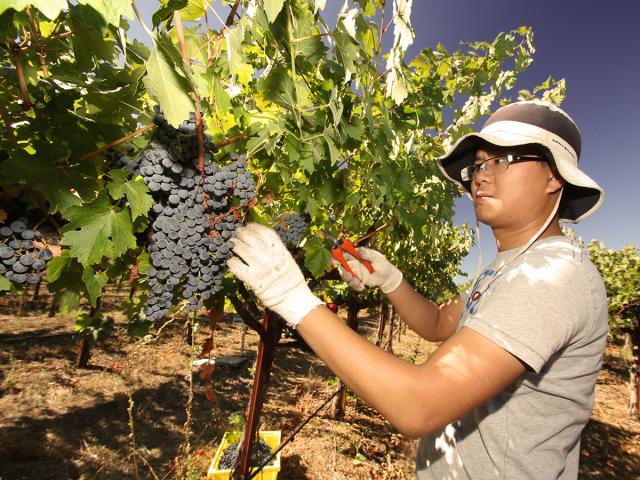
Harvesting grapes at the perfect moment affects the wine’s character. Too early, and the grapes might be too acidic; too late, and they could be overly sweet or fermented prematurely. Timing depends on the grape variety and the style of wine you want to create.
Manual harvesting lets you pick only the best grapes, avoiding damaged or unripe fruit. Mechanical harvesting is faster but can be less selective. Which method would you prefer if you were making wine at home?
Fermentation Process
Fermentation transforms grape juice into wine by converting sugars into alcohol with the help of yeast. This stage determines the alcohol content and influences flavors. You can control fermentation temperature to shape the wine’s style—cooler temps preserve fresh fruit flavors, while warmer temps create richer, bolder wines.
Monitoring fermentation closely can prevent issues like stuck fermentation or off-flavors. Have you considered how different yeast strains might change the outcome? Experimenting here can lead to exciting and unique wines.
Advanced Winemaking Techniques
Advanced winemaking techniques push your skills beyond the basics and give you control over every detail of the process. Mastering these methods helps you craft wines that stand out in complexity and balance. Let’s dive into key areas where precision and creativity meet to elevate your winemaking craft.
Controlling Fermentation Variables
Fermentation is the heart of winemaking, and managing its variables can make a huge difference. Temperature control is crucial; too warm, and your yeast may produce unwanted flavors, too cool, and fermentation might stall.
Adjusting yeast strains lets you influence the aroma and texture of your wine. I learned early on that even small changes in nutrient addition can prevent stuck fermentation and improve flavor consistency.
Have you experimented with different fermentation vessels? Stainless steel, oak barrels, or even amphorae each affect oxygen exposure and temperature differently, shaping your wine’s final profile.
Aging And Maturation
Aging transforms young wine into something more refined and complex. The choice of container—whether oak barrels, concrete tanks, or glass—impacts how flavors develop over time.
Time is another factor; short maturation enhances freshness, while longer aging deepens complexity. I once aged a Pinot Noir for 18 months in French oak, and the subtle vanilla notes it gained were remarkable.
Monitoring oxygen exposure during aging is essential. Controlled micro-oxygenation can soften tannins and stabilize color, but too much oxygen causes spoilage. How do you decide the perfect aging duration for your wines?
Blending And Flavor Profiling
Blending lets you combine different lots to create a wine greater than the sum of its parts. Understanding each component’s character is key—some add body, others contribute acidity or aroma.
Keep detailed tasting notes and experiment with small-scale blends before committing to a final recipe. I recall blending a Cabernet Sauvignon with a touch of Merlot to balance tannins and add fruitiness, which impressed my tasters.
Think about your target flavor profile—do you want a bold, structured wine or something lighter and fruit-forward? Blending gives you the flexibility to craft your signature style.
Equipment And Tools
Understanding the right equipment and tools is key to successful winemaking. Courses in winemaking teach the use of various gear, from basic to advanced. Proper tools help control the process and improve the wine quality.
These courses highlight the importance of using clean, well-maintained equipment. They also introduce the latest technology that makes winemaking easier and more efficient. Learning about these tools prepares you for hands-on experience.
Essential Winemaking Gear
Winemaking requires specific tools to handle grapes and juice. Here are some essentials:
- Fermentation vessels (glass, plastic, or stainless steel)
- Crushing and pressing machines
- Hydrometers and thermometers
- Airlocks and fermentation locks
- Bottling and corking tools
- Wine storage containers and racks
Each tool has a clear purpose. Proper use ensures better control over taste and quality.
Sanitation And Maintenance
Clean equipment prevents contamination and spoilage. Courses stress regular cleaning routines.
- Use food-grade sanitizers
- Rinse tools thoroughly after each use
- Disassemble parts for deep cleaning
- Inspect for damage or wear
- Store tools in dry, clean areas
Maintaining tools extends their life and protects wine flavors.
Innovations In Winemaking Technology
Modern technology supports better winemaking results. New tools improve accuracy and ease.
- Digital hydrometers and thermometers
- Automated fermentation controls
- Smart temperature and humidity monitors
- Advanced filtration systems
- Mobile apps for tracking fermentation stages
These innovations help beginners and experts achieve consistent results.
Wine Tasting And Evaluation
Wine tasting and evaluation form the heart of wine making courses. This section helps learners understand how to judge wine quality. It develops skills to appreciate aroma, taste, and appearance. Through practice, tasters learn to describe wine clearly and accurately.
Sensory Analysis Skills
Sensory analysis trains the senses to detect subtle wine traits. Participants learn to observe color, clarity, and viscosity. Smelling the wine reveals fruit, floral, or earthy notes. Tasting focuses on sweetness, acidity, tannin, and body. This training sharpens perception and vocabulary for wine description.
Identifying Wine Flaws
Knowing wine flaws helps spot quality issues early. Common faults include cork taint, oxidation, and volatile acidity. Learning to recognize these flaws protects the taster from bad wine. It also improves understanding of proper wine storage and handling. Courses teach practical exercises to detect off-flavors and aromas.
Pairing Wine With Food
Food pairing enhances the wine tasting experience. Matching wine and food balances flavors and textures. Courses explain basic pairing rules such as:
- Light wines with light dishes
- Red wines with red meat
- Sweet wines with desserts
Experimenting with pairings encourages creativity and personal preference. This skill adds depth to wine appreciation and social occasions.
Starting Your Own Winery
Starting your own winery is an exciting journey that combines passion for wine with smart business decisions. It’s not just about making great wine; it’s about building a brand, managing operations, and reaching customers effectively. Getting a clear understanding of the key steps can help you avoid common pitfalls and set your winery up for success.
Business Planning
Before planting your first vine or buying equipment, you need a solid business plan. This plan should cover your winery’s mission, target market, and financial projections. Think about your unique selling point—what will make your wine stand out in a crowded market?
Consider factors like:
- Initial investment and ongoing costs
- Projected sales and revenue streams
- Staffing and operational needs
Writing a detailed plan helps you stay focused and attract potential investors or lenders. Have you thought about how your winery will evolve in the first five years?
Legal And Licensing Requirements
Setting up a winery involves navigating a maze of legal rules and licenses. These include permits for alcohol production, distribution, and sales, which vary by location. Missing a license can halt your operations and lead to fines.
You’ll need to:
- Register your business with local authorities
- Apply for federal and state alcohol permits
- Comply with health and safety regulations
Stay organized and keep track of renewal dates. It’s wise to consult with a legal expert who understands the wine industry to avoid costly mistakes.
Marketing And Distribution
Making great wine is just the start. You need to create a marketing strategy that connects with wine lovers and builds brand loyalty. Think about your story—people love to know the passion behind each bottle.
Consider these marketing channels:
- Social media and wine blogs
- Wine tastings and local events
- Collaborations with restaurants and retailers
Distribution is equally important. Decide whether you want to sell directly to customers or partner with distributors. Which approach fits your goals and resources best?

Credit: napavalleywineacademy.com
Online And In-person Wine Courses
Wine making courses offer flexible ways to learn the craft. Online options provide lessons from home. In-person classes give hands-on experience in vineyards or labs. Both formats teach important skills for wine production. Choose the style that fits your needs and schedule.
Top Programs And Institutions
Many schools offer quality wine making courses. Some focus on theory, others on practice. Well-known institutions include:
- University of California, Davis
- Institute of Masters of Wine
- Bordeaux Wine School
- Wine & Spirit Education Trust (WSET)
Online platforms like Coursera and Udemy also provide beginner to advanced courses.
Course Content And Duration
Courses cover grape growing, fermentation, and bottling. Some include wine tasting and marketing. Duration varies from a few weeks to several months. Many online courses allow self-paced learning. In-person courses may have fixed schedules and practical sessions.
Choosing The Right Course For You
Consider your experience level and goals. Beginners may prefer introductory online courses. Experienced learners might choose advanced, in-person training. Check course reviews and instructor credentials. Think about your budget and time availability. Hands-on practice helps build real skills.
Credit: cpe.ucdavis.edu
Frequently Asked Questions
What Are The Best Courses For Beginners In Wine Making?
Beginner courses focus on basic fermentation, grape selection, and hygiene. They provide hands-on experience and foundational wine science knowledge. These courses suit hobbyists and aspiring winemakers starting their journey.
How Long Do Wine Making Courses Usually Last?
Course duration varies from a few weeks to several months. Short courses cover essentials, while advanced programs include detailed viticulture and winemaking techniques. Choose based on your learning goals.
Can Wine Making Courses Lead To Professional Certification?
Yes, many courses offer certifications recognized in the wine industry. Professional certifications enhance credibility and career opportunities. Look for accredited programs for formal qualifications.
Are Online Wine Making Courses Effective?
Online courses provide flexible learning with video tutorials and virtual labs. They cover theory well but may lack practical hands-on experience. Ideal for beginners or supplementing in-person training.
Conclusion
Wine making courses offer a great way to learn the craft step by step. They teach you about grapes, fermentation, and aging. You gain hands-on experience, which helps build confidence. These courses suit beginners and those with some knowledge. Choosing the right course depends on your goals and time.
With practice and patience, you can create your own wine. Wine making can become a fun hobby or even a small business. Start learning today and enjoy the journey of making wine.
Ethan Cole is a kitchen innovation enthusiast and food technology writer at DiningGadgets.com. With over 8 years of experience reviewing cookware, smart kitchen tools, and design trends, he helps readers discover gadgets that make cooking easier and dining more enjoyable. When he’s not testing the latest kitchen appliances, Ethan enjoys experimenting with recipes and sharing practical tips for modern homes.