Making Wine from Plums: Easy Steps for Delicious Homemade Wine
Imagine a cozy evening where you sip on a glass of homemade wine, each drop carrying the sweet, tangy essence of ripe plums. Sounds delightful, doesn’t it?
Making wine from plums is not just a craft; it’s an experience that transforms simple fruits into a captivating drink. You don’t need to be a seasoned winemaker to create this delicious beverage. With just a few ingredients and some patience, you can produce a wine that’s uniquely yours.
You’ll uncover the secrets to crafting plum wine that tantalizes your taste buds and impresses your friends. Ready to discover how easy and rewarding this process can be? Keep reading, and you’ll soon see why making plum wine is a must-try adventure for any wine lover.
Credit: practicalselfreliance.com
Choosing The Right Plums
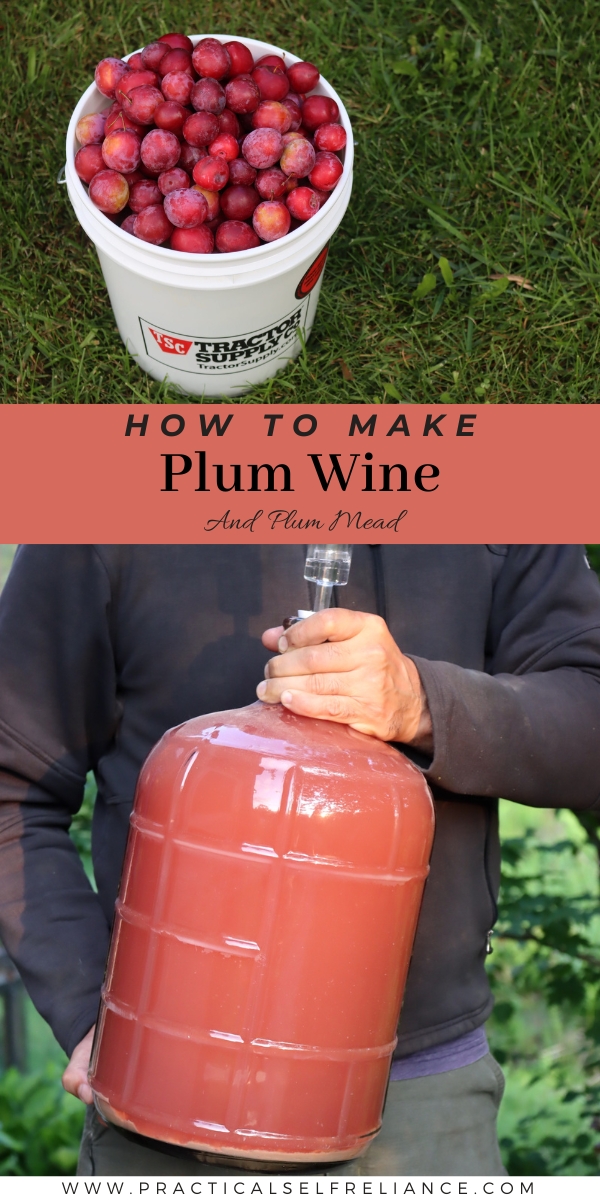
Choosing the right plums is key to making delicious plum wine. The fruit’s flavor, sugar, and acidity shape the final taste. Selecting the best plums ensures a smooth fermentation and rich aroma. Quality plums create better wine with balanced sweetness and tartness.
Best Plum Varieties For Wine
Some plums work better for wine due to their taste and sugar levels. Consider these popular varieties:
- Santa Rosa: Juicy and sweet with a hint of tartness.
- Damson: Small, tart plums that add bold flavor.
- Italian Prune: Sweet and dense, perfect for deep color.
- Mirabelle: Mild and sweet, with floral notes.
- Green Gage: Sweet and rich, great for complex wine.
Choose plums that match your flavor preference. Mixing varieties can also create unique wines.
Ripeness And Quality Tips
Plums must be ripe but not overripe for the best wine. Ripe plums have full color and slightly soft skin. Avoid plums that are bruised or moldy, as they spoil the wine.
- Check for a sweet aroma; it signals ripeness.
- Press gently; the fruit should give but stay firm.
- Look for plums with smooth, unbroken skin.
- Harvest plums close to their peak ripeness.
Using fresh, high-quality plums improves fermentation and flavor. Fresh fruit gives your wine a clean, natural taste.
Credit: practicalselfreliance.com
Essential Equipment
Making wine from plums is a rewarding hobby, but it requires the right tools to get the best results. Having essential equipment ready before you start can make the process smoother and more enjoyable. Let’s look at what you’ll need to turn those juicy plums into a delicious homemade wine.
Fermentation Containers
Fermentation containers come in various sizes and materials, but glass and food-grade plastic are the most common choices. Glass carboys are excellent because they don’t react with the wine and are easy to clean. Plastic buckets with airtight lids are lighter and less fragile, making them a practical option for beginners.
Choose a container size that fits the amount of plums you plan to use. A 1-gallon carboy is perfect for small batches, while 5-gallon buckets suit larger quantities. Remember, you need some space left at the top for the foam and gases that form during fermentation.
Measuring Tools
Precise measurements can make or break your wine. A hydrometer is essential to check the sugar level in your plum juice, which helps determine the potential alcohol content. You’ll also want a thermometer to monitor the temperature during fermentation—too hot or too cold can affect the yeast’s performance.
Measuring spoons and cups help you add the right amount of sugar, yeast nutrients, and other ingredients. Accuracy here means your wine will taste balanced and your fermentation will proceed smoothly. Have you ever guessed ingredients and ended up with a flat or overly sweet wine? Proper measuring tools prevent that disappointment.
Sanitizing Supplies
Sanitizing everything that touches your wine is crucial to avoid contamination. Even a tiny amount of bacteria or wild yeast can spoil your batch. Use a no-rinse sanitizer designed for winemaking or brewing, which cleans without leaving harmful residues.
Sanitize your fermentation containers, airlocks, spoons, and any other equipment before each use. It might feel like extra work, but it’s the best way to protect your wine’s flavor and quality. Think about it—would you want to drink wine with off-flavors caused by poor sanitation?
Preparing The Plums
Preparing the plums is a vital part of making delicious plum wine. The quality of the fruit affects the final taste. Proper handling ensures clean, fresh juice for fermentation.
Start by selecting ripe, healthy plums. Avoid any with bruises or mold. Clean fruit reduces the risk of unwanted bacteria in the wine.
Washing And Pitting
Rinse the plums gently under cool running water. Remove dirt and any surface chemicals carefully. Use your hands to rub the fruit softly for thorough cleaning.
Next, remove the pits. Cut the plums in half and take out the stones. Leaving pits can add bitterness to the wine. Use a small knife or a specialized pitting tool for accuracy.
Crushing Techniques
Crushing the plums releases juice and pulp needed for fermentation. Use a clean, food-safe tool like a potato masher or wooden spoon. Press the fruit gently to avoid breaking seeds.
Crush the plums evenly for consistent juice extraction. Avoid over-crushing to prevent bitterness from the seeds. This step prepares the fruit for the next stages of winemaking.
Credit: practicalselfreliance.com
Mixing Ingredients
Mixing the right ingredients is key to crafting delicious plum wine. This stage sets the foundation for fermentation and flavor development. Pay close attention to how you blend sugar, water, and yeast to ensure your wine turns out just right.
Adding Sugar And Water
Start by measuring the sugar carefully. Too little sugar can lead to weak wine, while too much might stall fermentation. Dissolve the sugar in warm water to speed up the process and create a smooth base.
Use filtered water to avoid any off-flavors. The water should be at a comfortable temperature—not too hot to kill the yeast, nor too cold to slow it down. Mixing sugar and water thoroughly ensures your plums have the right environment to release their sweetness.
Incorporating Yeast
Choosing the right yeast matters. Wine yeast works best for plum wine because it tolerates alcohol and enhances fruity notes. Before adding it, rehydrate the yeast in warm water as per the package instructions to wake it up gently.
Sprinkle the yeast evenly over your sugar-water mixture. Stir gently to distribute it without disturbing the plums too much. This careful mixing helps your yeast start working quickly and efficiently, turning sugars into alcohol.
Fermentation Process
The fermentation process is the heart of making plum wine. It changes the fruit juice into wine by using natural yeast. This yeast eats the sugar and turns it into alcohol and carbon dioxide. This process needs care and attention to get the best taste and quality.
Primary Fermentation Steps
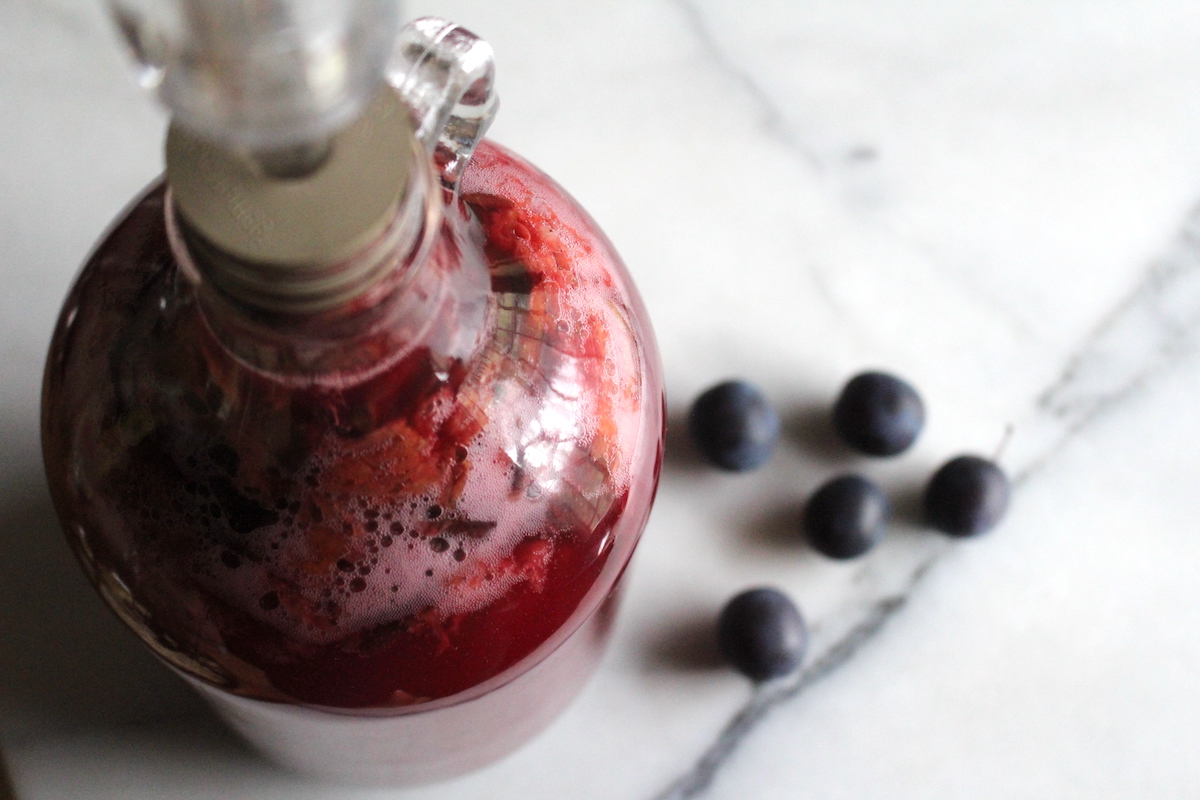
Start by crushing ripe plums to release their juice. Transfer the juice and fruit pulp into a clean fermentation container. Add yeast to begin the fermentation. Cover the container with a cloth or airlock to keep out unwanted bacteria. Stir the mixture daily to keep the yeast active and evenly distributed. The juice will bubble and foam as fermentation progresses. This stage usually lasts about one to two weeks until bubbling slows down.
Monitoring Temperature And Time
Keep the fermentation container in a cool, stable place. Ideal temperature is between 65°F and 75°F (18°C to 24°C). Too hot or too cold can stop fermentation or spoil the wine. Check the temperature daily to maintain this range. Fermentation time varies depending on temperature and sugar content. Patience is key; rushing can affect flavor and alcohol content. When bubbling stops, the primary fermentation is likely complete.
Racking And Clarifying
Racking and clarifying are crucial steps in making wine from plums. They help improve the wine’s taste and appearance. These processes remove unwanted solids and make the wine clearer. Clean wine looks more appealing and tastes smoother. Both steps require patience and care for the best results.
Transferring Wine
Transferring wine means moving it from one container to another. Use a clean siphon tube for this task. Avoid stirring up the sediment at the bottom. Pour gently to keep the wine clear. This step helps separate the wine from dead yeast and fruit particles. It also prevents bad flavors from developing.
Removing Sediments
Sediments are solid bits left in the wine after fermentation. They can make the wine cloudy and bitter. Removing sediments improves the wine’s clarity and taste. After transferring, let the wine settle for a few days. Sediments will sink to the bottom again. Carefully rack the wine once more to leave sediments behind. Repeat this process until the wine looks clear.
Bottling And Aging
Bottling and aging are critical stages in crafting plum wine that tastes just right. These steps lock in the flavors you’ve worked hard to develop and allow the wine to mature into something truly special. Paying attention to the details here can make a noticeable difference in your final product.
Choosing Bottles And Corks
Select bottles that are clean and free of any cracks or chips. Dark glass bottles help protect your plum wine from light, which can degrade flavor over time.
For corks, opt for natural cork if you plan to age the wine for several months or longer. Synthetic corks can work for short-term storage but may not seal as tightly, risking oxidation.
Have you considered reusing old wine bottles? Just make sure to sterilize them thoroughly. This can be a cost-effective way to bottle your plum wine without compromising quality.
Optimal Aging Periods
Plum wine usually benefits from aging between 6 months to 1 year. This period allows the flavors to mellow and blend without losing the fruit’s fresh character.
Keep your bottles stored in a cool, dark place with stable temperatures around 55°F (13°C). Fluctuations can stress the wine and affect its taste.
Wondering if longer aging improves plum wine? In my experience, going beyond a year sometimes dulls the vibrant plum notes, so it’s worth tasting periodically to decide what suits your preference.
Troubleshooting Common Issues
Making wine from plums can sometimes lead to unexpected challenges. Recognizing and solving these issues early can save your batch and improve the flavor. Let’s look at common problems and how you can fix them to keep your plum wine tasting its best.
Preventing Off-flavors
Off-flavors often come from contamination or poor ingredient quality. Make sure your plums are fresh, ripe, and free from mold or bruises before starting. Clean all your equipment thoroughly to avoid unwanted bacteria or wild yeasts.
Adding too much sulfur dioxide (campden tablets) can cause a chemical taste, so measure carefully. Also, avoid letting your wine sit too long on the lees (dead yeast cells), as this can create bitter flavors. Regularly tasting your wine during fermentation helps catch off-flavors early.
Handling Slow Fermentation
Slow fermentation can be frustrating, but it’s often fixable. Temperature plays a huge role—plum wine ferments best between 65°F and 75°F. If it’s colder, your yeast might be sluggish, so try moving the fermenter to a warmer spot.
Another common cause is low yeast activity. Boost this by adding yeast nutrient or a small amount of sugar to give the yeast more energy. Have you ever noticed your fermenter bubbling less? Don’t give up immediately; patience combined with small adjustments often gets fermentation back on track.
Serving And Enjoying Plum Wine
Serving and enjoying plum wine is a delightful experience that brings out the best flavors. The right temperature and food pairing can enhance the taste and aroma. Savor the unique sweetness and tartness of plum wine with simple tips for serving.
Ideal Serving Temperatures
Plum wine tastes best at cool, but not too cold temperatures. Chill the wine between 45°F and 55°F (7°C to 13°C). This range balances the sweetness and fruitiness well. Avoid serving it too cold, which can dull the flavors. If the wine is too warm, the alcohol may overpower the fruit notes.
Pairing With Foods
Plum wine pairs well with many dishes. Its sweet and slightly tart flavor matches both savory and sweet foods. Try these pairings:
- Light appetizers like cheese and crackers
- Grilled chicken or pork with fruit sauces
- Spicy Asian dishes such as sushi or Thai food
- Fresh fruit desserts or mild-flavored cakes
These combinations highlight the wine’s fruity taste and balance the sweetness.
Frequently Asked Questions
What Type Of Plums Is Best For Wine Making?
European and Japanese plums are ideal for wine due to their sweet and tart balance. Choose ripe, flavorful plums for better fermentation and taste.
How Long Does Plum Wine Fermentation Take?
Plum wine fermentation typically takes 4 to 6 weeks. Primary fermentation lasts about 2 weeks, followed by secondary fermentation for clarity and flavor development.
Can I Make Plum Wine Without Added Sugar?
Yes, if plums are very sweet, added sugar is optional. Sugar boosts alcohol content and balances tartness in less ripe fruit.
What Equipment Is Needed To Make Plum Wine At Home?
Basic equipment includes a fermentation vessel, airlock, siphon, bottles, and sanitizing supplies. Cleanliness ensures successful fermentation and prevents contamination.
Conclusion
Making wine from plums is a fun and rewarding process. You only need fresh plums, yeast, and patience. The steps are simple and easy to follow. Watching the plums turn into wine feels exciting. This homemade wine can taste better than store-bought.
It also gives a sense of pride and joy. Try making plum wine and enjoy a unique drink. It’s a great way to use extra fruit. Your friends and family will love your creation too. Give it a try and see the results yourself!

Ethan Cole is a kitchen innovation enthusiast and food technology writer at DiningGadgets.com. With over 8 years of experience reviewing cookware, smart kitchen tools, and design trends, he helps readers discover gadgets that make cooking easier and dining more enjoyable. When he’s not testing the latest kitchen appliances, Ethan enjoys experimenting with recipes and sharing practical tips for modern homes.