Wine Making Potassium Sorbate: Essential Tips for Perfect Preservation
Imagine crafting your own wine, a bottle that holds a story of your hard work and passion. But what if a simple oversight could spoil that entire batch?
Enter potassium sorbate, the unsung hero of wine making. You might wonder, why is it essential for your wine-making journey? This additive plays a crucial role in preserving your wine’s taste and quality. Without it, all your efforts could go to waste.
Curious to know how it works and why it’s a game-changer for your homemade wine? Stick around as we uncork the secrets behind potassium sorbate and discover why it’s indispensable for ensuring your wine remains delightful and drinkable.

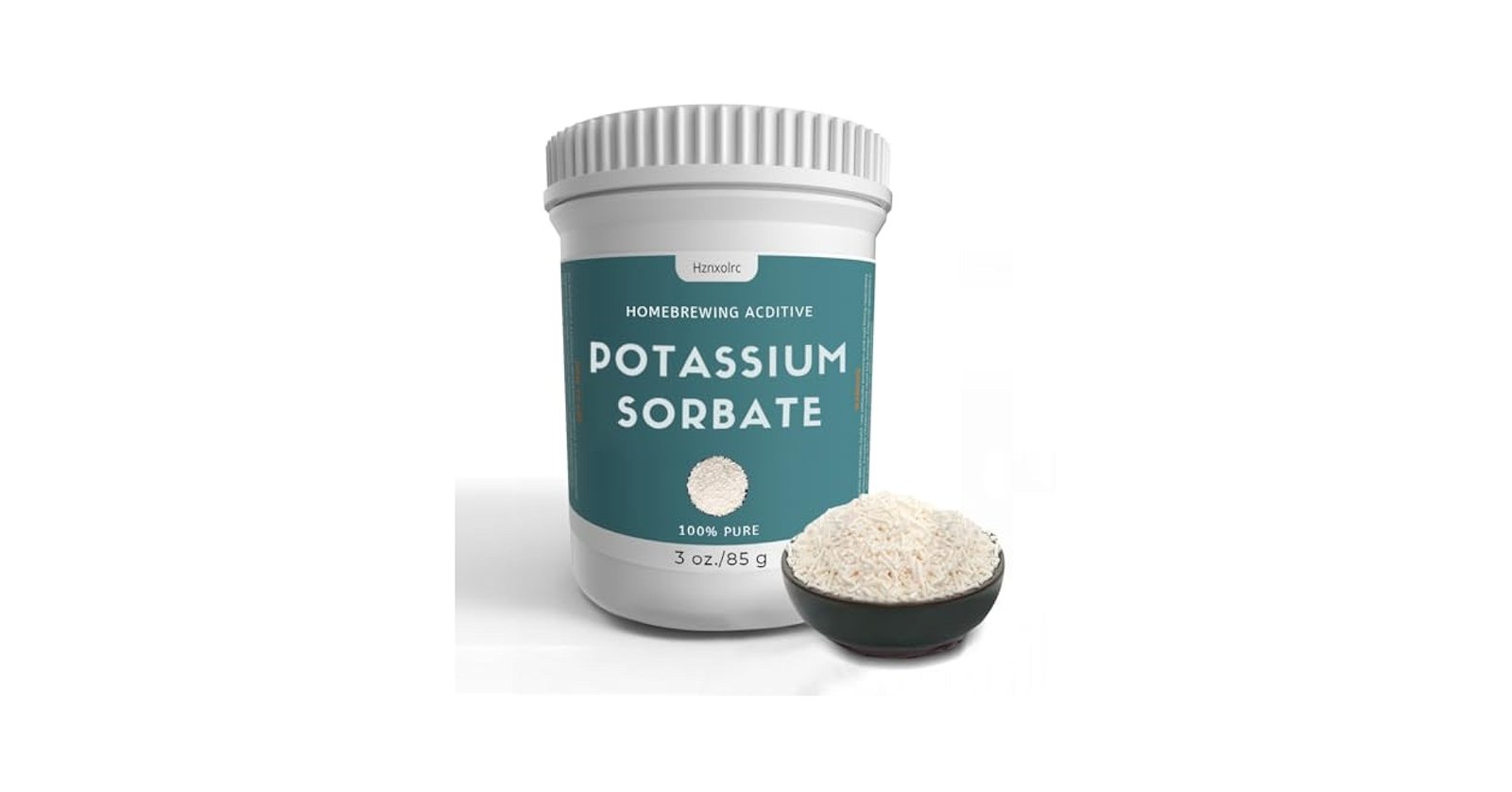
Credit: www.walmart.com
Role Of Potassium Sorbate In Winemaking
Potassium sorbate plays an important role in winemaking. It helps keep the wine fresh and prevents unwanted changes after fermentation. Winemakers use it to control yeast and bacteria that can spoil the wine. This keeps the wine stable and safe to drink.
Preventing Refermentation
Potassium sorbate stops yeast from starting fermentation again. After the main fermentation, some sugar might remain in the wine. Without control, yeast can consume this sugar and create gas and off-flavors. Adding potassium sorbate prevents yeast growth, avoiding bubbles and pressure in the bottle.
Maintaining Wine Stability
Wine stability means the wine stays clear and tastes the same over time. Potassium sorbate helps keep the wine stable by stopping new yeast or bacteria from growing. This ensures the wine’s flavor does not change and the texture stays smooth. It also helps to prevent cloudiness or sediment in the bottle.
Interaction With Yeast And Bacteria
Potassium sorbate works by weakening yeast and some bacteria cells. It does not kill yeast immediately but stops them from multiplying. This gives winemakers control over unwanted microbes without killing all yeast. The product works best combined with sulfur dioxide, which kills many bacteria and yeast cells.
When To Add Potassium Sorbate
Potassium sorbate is a key ingredient in winemaking. It helps stop yeast from starting new fermentation. Knowing the right time to add potassium sorbate is important. Adding it too early or too late can affect the wine’s quality. This guide explains the best moments to use potassium sorbate during winemaking.
Timing During Fermentation
Adding potassium sorbate during active fermentation is not advised. The yeast is busy turning sugar into alcohol. Potassium sorbate cannot stop yeast that is already active. It may cause off-flavors or spoil the wine’s taste. Wait until fermentation slows down or finishes before adding it.
Post-fermentation Addition
Potassium sorbate works best after fermentation ends. At this stage, most yeast cells are inactive or dead. Adding sorbate now prevents any leftover yeast from restarting fermentation. It helps keep wine stable and prevents unwanted bubbles or cloudiness. Always test the wine to confirm fermentation is complete before adding sorbate.
Considerations For Sweet Wines
Sweet wines often need potassium sorbate to prevent renewed fermentation. Residual sugar can feed any surviving yeast. Sorbate stops yeast from multiplying but does not kill them. Use sorbate along with sulfur dioxide for best results. Add these preservatives after fermentation ends and before bottling sweet wines.
Correct Dosage And Measurement
Using the right amount of potassium sorbate in winemaking is vital. This preservative stops yeast and bacteria from growing after fermentation. Too little will not protect the wine properly. Too much can affect the taste and safety of the wine. Careful measurement ensures the wine stays fresh and tasty.
Recommended Concentrations
Potassium sorbate is usually added at 0.1% to 0.3% by weight of the wine. This means 1 to 3 grams per liter of wine. Most winemakers use around 2 grams per liter. This amount is enough to prevent fermentation from restarting. Different wine types may need slight adjustments. Always follow product instructions or consult a winemaking guide.
Tools For Accurate Measurement
Precision is key for measuring potassium sorbate. Use a digital scale that measures to 0.01 grams. A small spoon or scoop can cause errors. A measuring cup is not recommended for powders. For liquids, use a graduated cylinder or syringe. Mixing the preservative evenly in the wine helps maintain balance.
Risks Of Overuse And Underuse
- Overuse can cause a chemical taste and off-flavors.
- Excessive amounts may cause cloudiness in the wine.
- Underuse allows yeast to restart fermentation, causing fizz.
- Low doses might not stop unwanted bacteria growth.
- Both errors can reduce the shelf life of the wine.
Mixing And Application Techniques
Proper mixing and application of potassium sorbate can make a big difference in the stability and taste of your wine. Knowing how to prepare and add this preservative ensures it does its job without affecting the flavor negatively. Let’s break down how you can handle potassium sorbate effectively during your winemaking process.
Dissolving Potassium Sorbate Properly
Potassium sorbate does not dissolve well if you add it directly to wine. Always dissolve it first in a small amount of warm water. Use about 10 times the volume of water to potassium sorbate to help it dissolve completely.
Stir the mixture gently until no solid particles remain. This prevents clumping and ensures even distribution when you add it to your wine. Have you noticed any gritty textures in your wine before? This step usually fixes that problem.
Incorporating Into Wine
After dissolving, add the potassium sorbate solution slowly to your wine. Stir gently but thoroughly to mix it evenly throughout. Avoid vigorous shaking because it can introduce unwanted oxygen into the wine.
Adding potassium sorbate works best after fermentation has stopped but before bottling. This timing helps stabilize the wine by preventing yeast from restarting fermentation. Are you unsure about when fermentation ends? Using a hydrometer can help you track this precisely.
Equipment Cleaning Tips
Cleanliness is key when working with potassium sorbate and wine. Rinse all your utensils and containers with hot water and a mild detergent before use. Avoid harsh chemicals that can leave residues and alter your wine’s taste.
After cleaning, sanitize equipment with a no-rinse sanitizer recommended for winemaking. This step protects your wine from contamination and ensures the preservative works effectively. Do you regularly sanitize your gear, or is it something you often overlook?
Common Mistakes To Avoid
Potassium sorbate is a powerful tool in winemaking, but using it incorrectly can spoil your batch. Avoiding common mistakes can save you from off-flavors, re-fermentation, or wasted ingredients. Let’s look at key errors that often trip up even experienced winemakers.
Adding Too Early
Adding potassium sorbate too soon can cause unexpected fermentation problems. It’s meant to stop yeast from reproducing, not kill them instantly. If added before the yeast has finished their job, you risk incomplete fermentation and off-tastes.
I once rushed and added it right after primary fermentation, only to have a cloudy, fizzy mess weeks later. Wait until fermentation is fully complete and stable before adding potassium sorbate to keep your wine clear and smooth.
Ignoring Ph Levels
Potassium sorbate’s effectiveness depends heavily on the wine’s pH. At higher pH levels, it doesn’t work as well, allowing yeast to survive and restart fermentation. If your wine’s pH is above 3.5, potassium sorbate might not prevent spoilage as you expect.
Test your wine’s pH before adding sorbate and adjust if needed. This simple step ensures your preservative works correctly and your wine stays stable.
Failing To Use In Combination With Sulfites
Potassium sorbate alone won’t stop yeast completely. It only prevents yeast from multiplying but doesn’t kill existing cells. Without sulfites, the yeast can continue fermenting, especially if there’s residual sugar.
Always use potassium sorbate alongside sulfites to provide a double layer of protection. This combo keeps your wine from turning into an unwanted sparkling experiment in the bottle.

Credit: www.amazon.com
Impact On Wine Flavor And Quality
Potassium sorbate is a common additive in winemaking used to prevent unwanted fermentation after bottling. While it effectively stabilizes wine, its influence on flavor and quality deserves your attention. Understanding these effects can help you decide how and when to use it for the best results in your wine.
Taste Alterations
Potassium sorbate itself has a subtle sweetness that can slightly change the wine’s taste. Some winemakers notice a faint chemical or artificial note, especially if too much is added.
Have you ever tasted a wine where the fruitiness seemed less vibrant? This could be due to potassium sorbate masking delicate flavors. Using the right amount minimizes these taste changes and keeps your wine’s original profile intact.
Aromas And Mouthfeel
Aroma is crucial in wine appreciation, and potassium sorbate can affect it in small ways. It may dull some of the fresh, fruity aromas that you enjoy in young wines.
Regarding mouthfeel, some winemakers report a slightly altered texture—sometimes a thinner sensation on the palate. Paying close attention to dosage can help maintain the wine’s natural body and aroma complexity.
Long-term Preservation Effects
Potassium sorbate is valuable for keeping your wine stable over time. It prevents refermentation, which can cause off-flavors and spoilage, especially in sweeter wines.
However, using it doesn’t mean the wine will improve with age. If used improperly, it might interfere with the natural aging process, potentially limiting development of nuanced flavors.
Do you want your wine to evolve naturally or stay consistent? Balancing potassium sorbate’s preservation benefits with flavor integrity is key to achieving your winemaking goals.
Alternatives To Potassium Sorbate
Potassium sorbate is a common preservative in winemaking. Some winemakers seek alternatives to avoid chemical additives. Several options exist that preserve wine quality and extend shelf life.
These alternatives include natural methods, other chemicals, and organic choices. Each option has unique benefits and suits different winemaking styles.
Natural Preservation Methods
Natural preservation focuses on controlling the environment to stop spoilage. Techniques like cold stabilization help prevent unwanted bacteria growth. Using sulfur dioxide in low amounts is another option. Proper sanitation of equipment and barrels reduces contamination risks. Controlling oxygen exposure also slows spoilage. These methods keep wine stable without adding harsh chemicals.
Other Chemical Preservatives
Other preservatives can replace potassium sorbate in some recipes. Sulfur dioxide remains the most popular chemical preservative. It helps protect wine from oxidation and microbes. Dimethyl dicarbonate (DMDC) is used in some cases to sterilize wine. Ascorbic acid (vitamin C) can reduce oxidation effects. Each chemical has different strengths and limitations. Winemakers must balance preservation with taste impact.
Organic Winemaking Options
Organic winemakers avoid synthetic chemicals altogether. They rely on vineyard health and natural yeast fermentation. Using wild yeasts encourages natural stability in wine. Organic grapes have fewer pesticide residues, lowering spoilage risks. Minimal intervention in the cellar supports organic principles. These wines may have shorter shelf life but appeal to health-conscious consumers.
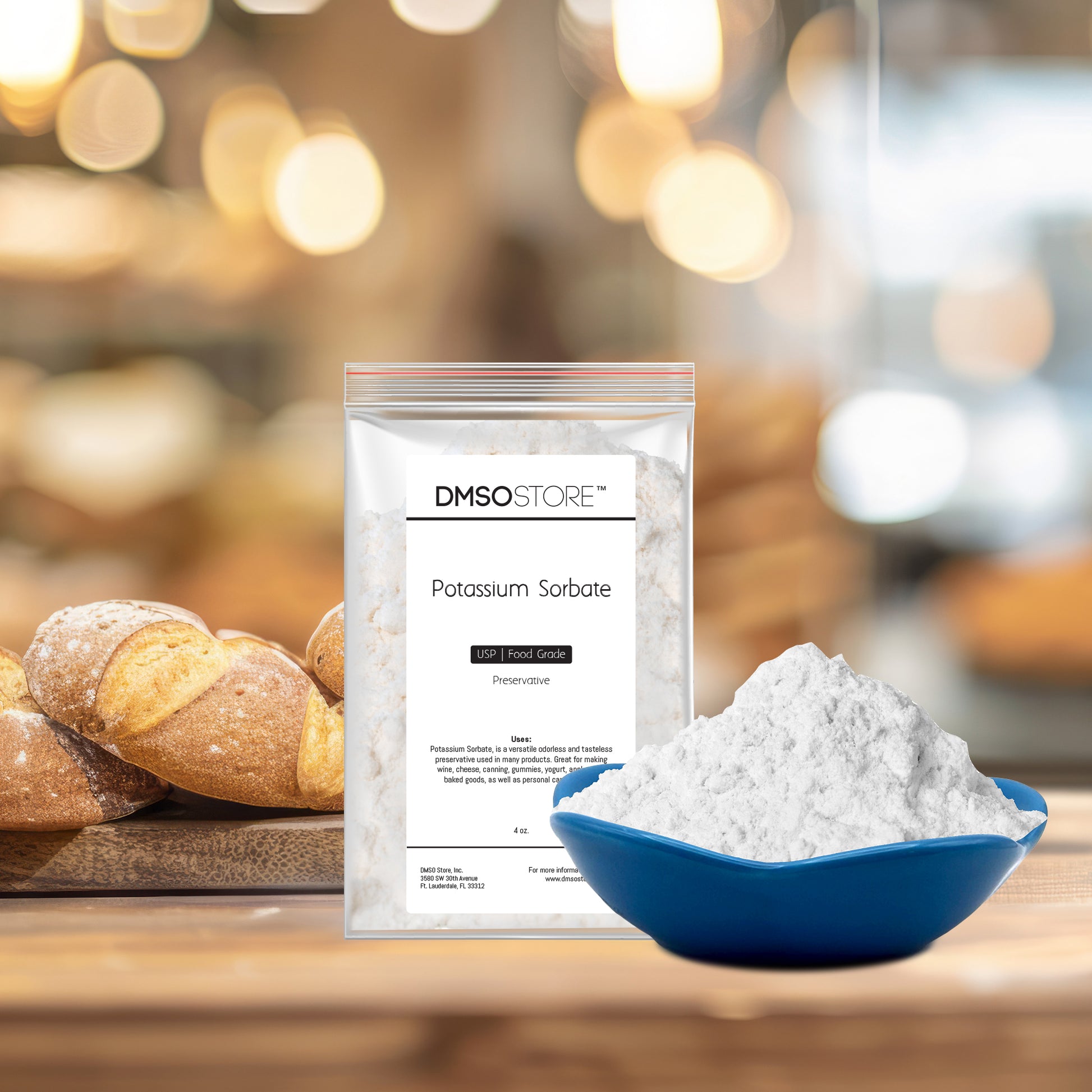
Credit: dmsostore.com
Frequently Asked Questions
What Is Potassium Sorbate In Wine Making?
Potassium sorbate is a preservative used in wine making to prevent yeast and mold growth. It helps stabilize wine and extend shelf life by inhibiting fermentation after bottling.
How Does Potassium Sorbate Affect Wine Fermentation?
Potassium sorbate stops yeast from reproducing but doesn’t kill existing yeast cells. It prevents renewed fermentation, ensuring wine remains stable and avoids unwanted carbonation or spoilage.
When Should Potassium Sorbate Be Added During Wine Making?
Add potassium sorbate after fermentation is complete and before bottling. This timing prevents further fermentation while preserving the wine’s flavor and quality.
Can Potassium Sorbate Change Wine Taste Or Aroma?
Potassium sorbate is tasteless and odorless in proper amounts. It does not alter wine’s taste or aroma but helps maintain the wine’s original profile over time.
Conclusion
Potassium sorbate helps keep your wine fresh and safe. It stops unwanted yeast and mold from growing. Using it correctly keeps your wine tasting good longer. Always measure the right amount for the best results. This simple step protects your hard work in winemaking.
Enjoy making wine with confidence and care. Your wine will stay clear and delicious over time. A small addition makes a big difference. Keep your wine stable and ready to share.

Ethan Cole is a kitchen innovation enthusiast and food technology writer at DiningGadgets.com. With over 8 years of experience reviewing cookware, smart kitchen tools, and design trends, he helps readers discover gadgets that make cooking easier and dining more enjoyable. When he’s not testing the latest kitchen appliances, Ethan enjoys experimenting with recipes and sharing practical tips for modern homes.