Fruit Concentrate for Wine Making: Unlock Rich Flavors Easily
Are you looking to make your own wine at home but want an easier way to get started? Fruit concentrate for wine making could be the secret ingredient you’ve been missing.
Using fruit concentrate simplifies the process, saves time, and helps you create rich, flavorful wine without needing fresh fruit all year round. You’ll discover how fruit concentrate can elevate your wine making, the benefits it offers, and tips to get the best results.
Ready to unlock the full potential of your homemade wine? Keep reading to find out how fruit concentrate can transform your winemaking experience.
Credit: www.tncim.com
Benefits Of Fruit Concentrate
Using fruit concentrate in wine making offers several clear benefits that can improve your final product and simplify your process. It allows you to control flavors more precisely while ensuring your wine stays consistent from batch to batch. If you want to get the most out of your ingredients, understanding these benefits can help you make smarter choices.
Enhanced Flavor Profiles
Fruit concentrate packs a strong punch of natural flavors that can bring your wine to life. Because it’s concentrated, the taste is richer and more intense than fresh fruit alone. This means you can create bold, vibrant wines without needing large quantities of raw fruit.
Have you ever noticed how some wines have subtle, complex fruit notes? Concentrates help you achieve that by preserving the natural essence of the fruit. This lets you experiment with unique flavor combinations that might be tricky with fresh fruit.
Consistent Quality
One challenge in wine making is dealing with seasonal changes and fruit variability. Fruit concentrate offers a reliable solution by providing a uniform flavor base every time. This consistency means your wine’s taste won’t fluctuate wildly between batches.
Imagine making a batch of wine that tastes just as good as the last one, even months apart. That’s exactly what concentrate helps you do. It’s especially useful for small-scale winemakers aiming for professional-grade results.
Cost-effectiveness
Buying and storing fresh fruit can be expensive and wasteful, especially if you don’t use it quickly. Concentrates reduce this cost because they require less storage space and spoil less easily. You get more flavor for less money.
Think about how much you spend on fruit that sometimes goes bad before you use it. Concentrate lets you avoid that loss and use your budget more wisely. Plus, it simplifies your inventory management, saving you time and effort.
Extended Shelf Life
Fresh fruit spoils quickly, which can limit your winemaking schedule. Fruit concentrate, on the other hand, stays good for much longer due to reduced water content and careful processing. This gives you more flexibility to plan your batches.
With concentrate on hand, you’re not rushed by fruit that might rot. You can focus on perfecting your fermentation process without worrying about ingredient quality. This extended shelf life also means less waste and more control over your craft.
Types Of Fruit Concentrates
Fruit concentrates are a popular choice for wine making. They provide rich flavors and consistent quality. Different types of fruit concentrates suit various wine styles. Knowing the options helps you pick the best concentrate for your wine.
Common Fruit Options
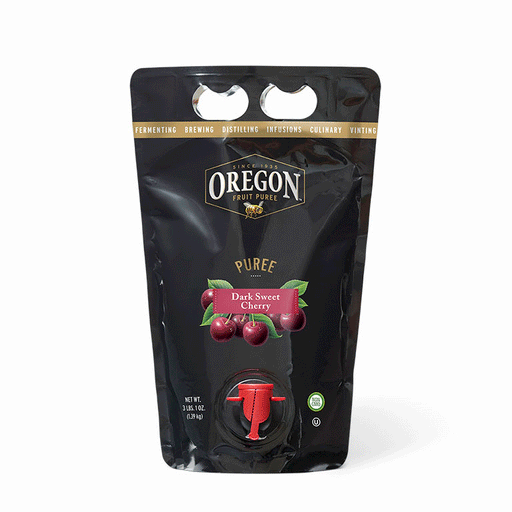
Grape concentrate is the most traditional and widely used. It creates classic red, white, and rosé wines. Apple concentrate is also popular, especially for cider wines. Cherry and berry concentrates offer sweet and tart notes. These concentrates are easy to find and reliable for home winemakers.
Exotic And Unique Varieties
Exotic fruit concentrates add unusual flavors to your wine. Mango, passion fruit, and lychee bring tropical tastes. Pomegranate and elderberry add deep color and antioxidants. These concentrates create distinctive wines that stand out. They may require special handling and careful blending.
Choosing Based On Wine Style
Match the fruit concentrate to your wine style. Use grape concentrate for traditional wines. Choose berry or cherry for sweeter, fruit-forward wines. For crisp and refreshing wines, apple or pear works well. Exotic concentrates suit dessert wines or blends. Consider flavor strength, acidity, and sweetness when selecting.
Using Concentrates In Winemaking
Using fruit concentrates in winemaking offers a convenient way to capture the essence of fresh fruit without worrying about seasonal availability or spoilage. Concentrates provide a consistent flavor base and can simplify the winemaking process. However, handling them correctly is key to making a wine that tastes vibrant and balanced.
Measuring And Mixing
Start by measuring your fruit concentrate carefully. Use a kitchen scale or measuring cup to ensure you add the right amount based on your recipe or batch size.
Mix the concentrate with water to reach the desired volume and flavor intensity. Too much water can dilute the flavor, while too little can make the wine overly sweet or thick.
I once made a batch where I underestimated the amount of water needed; the result was a wine that felt more like syrup than a drinkable vintage. Getting this balance right makes a huge difference.
Adjusting Sugar And Acidity
Fruit concentrates vary in sugar content, so check the Brix level (sugar measurement) before fermentation. Adjust the sugar by adding more if you want a stronger wine or less if you prefer a lighter one.
Acidity is just as important. Test the acidity with pH strips or a titration kit, and add acid blends or calcium carbonate to balance it out. Too much acid can make the wine sharp, while too little can leave it flat.
Ask yourself: does the juice taste balanced, or does it lean too sweet or sour? Your palate is a reliable guide here.
Fermentation Tips
Temperature control is crucial. Keep your fermenting wine between 65-75°F (18-24°C) for a steady, healthy fermentation. Warmer temps speed up fermentation but risk off-flavors.
Choose a yeast strain that complements the fruit concentrate’s profile. Some yeasts highlight fruity notes, while others emphasize body and mouthfeel.
Remember to aerate the must at the start to help yeast thrive. I’ve found that gentle stirring during the first few days avoids stuck fermentation and improves overall flavor.
Tips For Best Results
Using fruit concentrate in wine making can simplify the process and enhance flavors. To get the best results, careful attention to certain practices helps. These tips cover how to store, blend, and avoid common pitfalls.
Storage And Handling
Keep fruit concentrate in a cool, dark place to preserve quality. Avoid exposure to heat and sunlight. Once opened, seal the container tightly to prevent oxidation. Use clean utensils to avoid contamination. Refrigerate leftover concentrate and use it quickly.
Blending Concentrates
Mix different fruit concentrates to create unique flavor profiles. Start with small batches to test blends. Use a clean container and stir gently for even mixing. Balance sweetness and acidity by adjusting proportions. Record your blend ratios for future reference.
Avoiding Common Mistakes
- Do not add concentrate directly to yeast; dilute first.
- Avoid over-concentration; it can overpower wine flavor.
- Check sugar levels before fermentation to prevent stuck fermentation.
- Do not ignore sanitation; it prevents spoilage and off-flavors.
- Measure acidity; too high or low affects taste and stability.
Comparing Fresh Fruit And Concentrates
Choosing between fresh fruit and fruit concentrate is a key decision in wine making. Both offer unique qualities that affect the final product. Understanding their differences helps winemakers select the best option for flavor, convenience, and cost.
Flavor Differences
Fresh fruit gives wine a natural, vibrant taste. It often has subtle aroma notes and a rich texture. Concentrates have a more intense fruit flavor because they are reduced and concentrated. Some delicate flavors can be lost during processing. Fresh fruit produces a softer, more complex wine. Concentrates provide consistent flavor but may lack depth.
Ease Of Use
Fresh fruit requires cleaning, chopping, and sometimes peeling. It needs careful handling to avoid spoilage. Concentrates are ready to use and easy to measure. They save time and reduce mess. Concentrates store longer without refrigeration. Fresh fruit demands more preparation and planning.
Cost And Availability
Fresh fruit prices change with seasons and location. Some fruits may be expensive or hard to find. Concentrates are often cheaper and available year-round. They come in large quantities and have a longer shelf life. Winemakers can buy concentrates in bulk for savings. Fresh fruit can add unique character but may increase costs.
Credit: www.homebrewit.com
Popular Wine Recipes With Concentrates
Using fruit concentrates in wine making opens up a world of vibrant flavors and creative possibilities. These concentrates provide a consistent and rich base, making it easier for you to craft delicious homemade wines. Let’s look at some popular recipes that highlight the unique characteristics of different fruit concentrates.
Berry Blend Wine
Berry blends combine the deep, rich flavors of strawberries, blueberries, and raspberries. Using berry concentrate ensures a balanced sweetness and intense color every time you make it.
Try mixing equal parts of each berry concentrate, then add yeast and sugar to start fermentation. The result is a smooth, fruity wine that pairs well with grilled meats or a cheese platter.
Tropical Fruit Wine
Tropical fruit wine brings exotic flavors like mango, pineapple, and passion fruit right to your table. Concentrates make it simple to capture these vibrant tastes without worrying about seasonal availability.
Blend your favorite tropical concentrates, add a bit of lemon juice for brightness, and let it ferment. This wine’s refreshing, sweet-tart profile works great for summer gatherings or as a unique gift.
Citrus Zest Wine
Citrus concentrates like orange, lemon, and grapefruit can create a lively, zesty wine. Their natural acidity adds a crisp edge that can balance out sweetness beautifully.
Mix citrus concentrates with a touch of honey and yeast, then ferment as usual. This wine shines when served chilled and can be a surprising twist for those who prefer something less sweet.

Credit: www.almostoffgrid.com
Frequently Asked Questions
What Is Fruit Concentrate In Wine Making?
Fruit concentrate is a thick, syrupy juice extracted from fruits. It enhances flavor and sweetness in homemade wine. Using concentrate simplifies the winemaking process, providing consistent taste and aroma compared to fresh fruit.
How Does Fruit Concentrate Improve Wine Quality?
Fruit concentrate offers a rich, intense fruit flavor. It helps balance acidity and sweetness in wine. Concentrates also reduce fermentation risks and improve color stability, resulting in a smoother, more flavorful wine.
Can Fruit Concentrate Replace Fresh Fruit In Wine?
Yes, fruit concentrate can replace fresh fruit entirely. It’s convenient, cost-effective, and stores longer. However, fresh fruit may provide more complex aromas, while concentrate ensures uniformity and ease during winemaking.
What Fruits Are Commonly Used For Concentrates?
Common fruits for concentrates include grape, apple, cherry, and berry varieties. These fruits have high sugar content and strong flavors, ideal for producing quality wine concentrates.
Conclusion
Choosing fruit concentrate for wine making can enhance flavor and aroma. It’s a straightforward process. Beginners and experts alike can enjoy great results. Quality concentrates provide consistency in each batch. They offer a variety of flavors to explore. Experiment with different fruits to find your favorite taste.
Remember to follow instructions carefully for best outcomes. Enjoy the creativity and satisfaction of homemade wine. Share your creations with friends and family. A fun hobby and tasty reward await you!

Ethan Cole is a kitchen innovation enthusiast and food technology writer at DiningGadgets.com. With over 8 years of experience reviewing cookware, smart kitchen tools, and design trends, he helps readers discover gadgets that make cooking easier and dining more enjoyable. When he’s not testing the latest kitchen appliances, Ethan enjoys experimenting with recipes and sharing practical tips for modern homes.