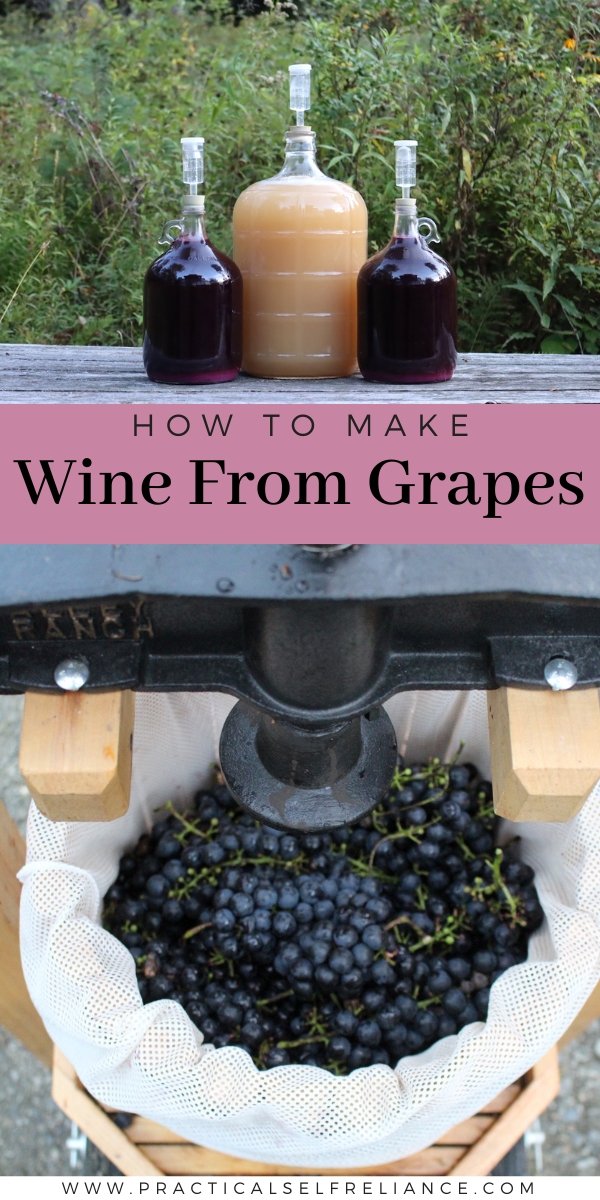
Wine Making from Grapes at Home: Ultimate Guide for Beginners
Are you dreaming of crafting your very own wine right from the comfort of your home? Imagine sharing a bottle with friends and proudly saying, “I made this!”
Wine making from grapes at home isn’t just a hobby; it’s an art that you can master. You don’t need a vineyard or fancy equipment to get started. With a little patience and some basic know-how, you can turn fresh grapes into a delicious homemade wine that rivals store-bought bottles.
This guide will walk you through each step, making the process enjoyable and rewarding. Curious to see how simple and satisfying it can be? Read on to discover how you can bring the vineyard experience into your kitchen and toast to your own creation.
Choosing Grapes
Choosing the right grapes is the foundation of making great wine at home. The flavor, aroma, and quality of your wine depend heavily on the grapes you pick. Paying close attention to grape varieties, harvesting timing, and ripeness can make a noticeable difference in your final product.
Best Grape Varieties
Not all grapes are created equal for winemaking. Some varieties naturally produce better wine flavors and textures. Popular choices include:
- Cabernet Sauvignon– great for bold red wines with rich tannins.
- Merlot– softer and fruitier, perfect if you prefer a smooth red.
- Chardonnay– ideal for white wines with a buttery or crisp finish.
- Riesling– excellent for aromatic and sweet white wines.
Have you considered experimenting with less common grapes like Zinfandel or Pinot Noir? Trying different varieties can teach you a lot about your taste preferences and winemaking skills.
Harvesting Tips
Timing your grape harvest is crucial. Picking too early or too late can affect sugar levels and acidity, changing the wine’s flavor profile. Watch for these signs:
- Grapes should be full-sized and juicy.
- Check that the bunches are firm but slightly soft to the touch.
- Look for a consistent color across the grapes.
Harvest in the morning when temperatures are cooler to preserve freshness. Also, handle the grapes gently to avoid bruising, which can lead to unwanted fermentation flavors.
Selecting Ripe Grapes
Ripe grapes have the right balance of sugar and acidity needed for fermentation. Taste a few from different bunches to gauge ripeness. They should taste sweet but not overly sugary or sour.
Use a refractometer if you want precise sugar level readings—aim for around 22-25% sugar content for most wines. If you don’t have one, rely on taste and appearance, and don’t hesitate to ask local growers for advice.
Choosing perfectly ripe grapes will give your homemade wine a richer and more complex flavor. What small detail could you focus on this season to improve your grape selection?
Essential Equipment
Making wine from grapes at home requires specific tools and equipment. These items help turn fresh grapes into delicious wine safely and effectively. Having the right gear simplifies the process and improves the final taste. Essential equipment includes basic tools, optional accessories, and proper sanitizing supplies.
Basic Tools Needed
- Fermentation vessel – a glass or plastic container for fermenting wine
- Airlock – lets gases escape without letting air in
- Hydrometer – measures sugar content and tracks fermentation progress
- Wine press – extracts juice from grapes
- Siphon tube – transfers wine without disturbing sediment
- Large stirring spoon – for mixing must and juice
- Glass bottles – for storing the finished wine
- Corks and corker – seals bottles to preserve wine
Optional Accessories
- Thermometer – monitors fermentation temperature
- pH meter – checks acidity levels
- Wine filters – clarifies wine by removing solids
- Crushing machine – speeds up grape crushing
- Wine racks – organizes and stores bottles
- Wine thief – samples wine during fermentation
Sanitizing Equipment
Cleanliness is crucial in winemaking. Equipment must be sanitized to prevent spoilage.
- Food-grade sanitizer – safe for all winemaking tools
- Cleaning brushes – reach inside bottles and vessels
- Hot water – helps dissolve dirt and residues
- Sanitizing solution – kills bacteria and wild yeast
Sanitize everything before and after use. This step protects wine quality and taste.
Preparing Grapes
Preparing grapes is a vital stage in home winemaking. It sets the foundation for quality wine. Proper preparation ensures clean fruit and better flavor extraction. Taking time here saves effort later. It involves cleaning, sorting, crushing, and de-stemming grapes carefully. Each step affects the final taste and aroma.
Cleaning And Sorting
Start by rinsing grapes gently with cold water. This removes dirt and small insects. Avoid soaking grapes to prevent water absorption. Next, sort grapes on a clean surface. Remove any damaged, moldy, or underripe grapes. Also, discard leaves, stems, and debris. Sorting ensures only healthy grapes go into your wine.
Crushing Techniques
Crushing breaks grape skins to release juice. Use clean hands or a manual crusher for small batches. Press grapes gently to avoid crushing seeds. Seed crushing can add bitterness to your wine. For larger batches, a mechanical crusher speeds up the process. Always keep equipment sanitized to prevent contamination.
De-stemming Process
Removing stems prevents harsh flavors in wine. Manually pull stems away from grape clusters. Use a de-stemmer tool for bigger quantities. This separates grapes from stems without crushing seeds. Proper de-stemming improves wine clarity and taste. Ensure all stems are removed before fermentation starts.
Fermentation Process
The fermentation process is the heart of making wine from grapes at home. It changes grape juice into wine through natural chemical reactions. Yeast consumes sugar and creates alcohol and carbon dioxide. Controlling fermentation well affects the wine’s taste and quality. Understanding the steps helps craft better homemade wine.
Choosing Yeast
Yeast is a tiny fungus that starts fermentation. Select yeast strains based on the wine style you want. Some yeasts enhance fruity flavors, while others bring out spice or body. Use yeast that works well with your grape type. Dry active yeast is common and easy to use for beginners.
Keep yeast fresh and store it in a cool place. Always check expiration dates before use. Healthy yeast leads to smoother fermentation and better wine.
Primary Fermentation
Primary fermentation begins when yeast is added to grape juice. It usually lasts about 5 to 10 days. During this time, yeast turns sugar into alcohol quickly. Stir the juice daily to keep yeast active and release carbon dioxide.
Watch for bubbling and foam on the surface. These signs show fermentation is working. Avoid exposing the fermenting juice to air to prevent spoilage.
Monitoring Temperature
Temperature control is vital for good fermentation. Ideal range is 60°F to 75°F (15°C to 24°C). Warmer temperatures speed up fermentation but can harm flavor. Cooler temperatures slow down yeast activity and can stop fermentation.
Use a thermometer to check the temperature daily. Keep the fermenter in a cool, stable place. Adjust temperature using water baths or heating pads if needed. Proper temperature ensures smooth fermentation and better wine taste.
Pressing And Racking
Pressing and racking are crucial steps in home winemaking that shape the quality of your final product. These processes help separate the juice from grape solids and clarify the wine by removing unwanted sediments. Mastering these techniques can elevate your homemade wine from ordinary to exceptional.
Extracting Juice
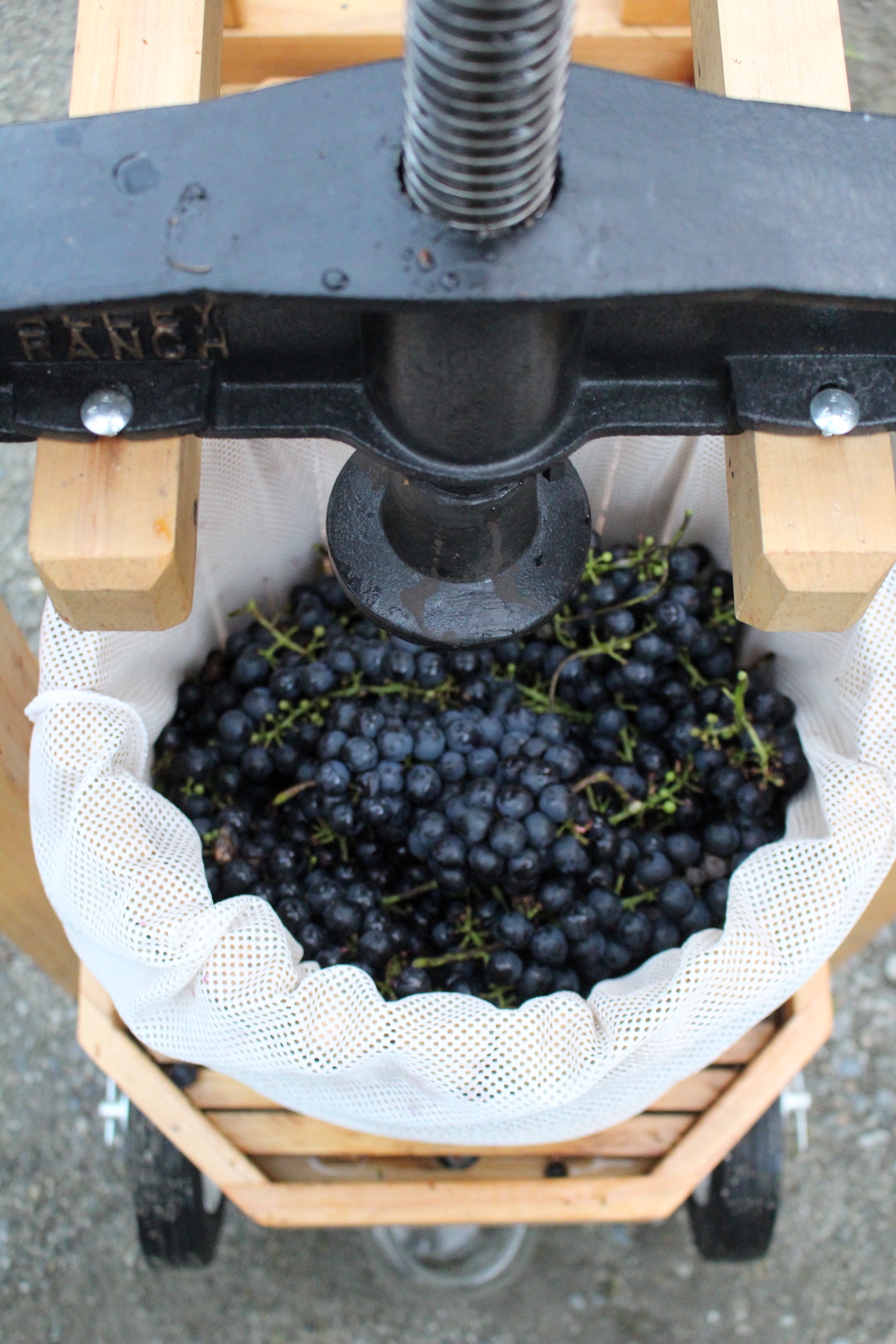
Extracting juice starts with pressing the crushed grapes to release the liquid inside. You can use a hand press or a simple mesh bag to squeeze out the juice gently. Avoid pressing too hard, as this can release bitter flavors from the skins and seeds.
Think about the last time you pressed grapes—did you notice how the juice flowed more freely after a gentle squeeze? That’s the balance you want. Taking your time here preserves the delicate flavors essential to your wine’s character.
Removing Sediment
After pressing, the juice will contain solids like grape skins, seeds, and pulp. Removing this sediment is key to preventing off-flavors and ensuring a clean fermentation. You can use a fine strainer or cheesecloth to filter out these particles.
Have you ever tasted wine with a gritty texture? That’s often due to leftover sediment. Straining your juice thoroughly avoids this and helps your wine develop a smoother mouthfeel.
Transferring Wine
Once the juice is clear, transfer it into a clean fermentation vessel for the next stage. Use a siphon or a ladle to minimize oxygen exposure, which can spoil the wine. Keeping everything sanitary during this step is essential to avoid unwanted bacteria.
Imagine the difference between wine that’s been carefully moved and wine that’s been roughly handled—your attention here protects the flavors you worked hard to develop. How carefully do you handle your wine during transfers?

Credit: www.amazon.com
Aging The Wine
Aging the wine is a crucial step in home winemaking. It helps develop flavors and smooth out harsh notes. Proper aging enhances the wine’s aroma and taste. Patience during this phase can greatly improve the final product.
Choosing Containers
Select containers that do not react with wine. Glass carboys and stainless steel tanks are common choices. Oak barrels add flavors but require more care. Avoid plastic containers that can leach chemicals. Ensure containers have airtight seals to prevent oxidation.
Ideal Aging Conditions
Keep the wine in a cool, dark place. The temperature should stay between 50°F and 60°F (10°C to 15°C). Avoid light exposure which can spoil the wine. Maintain stable humidity to protect corks and seals. Minimize vibrations to prevent sediment disturbance.
Duration Guidelines
Young wines may need only a few months to mature. Red wines often improve with 6 to 12 months of aging. White wines usually require less time, around 3 to 6 months. Taste the wine regularly to track progress. Avoid rushing; good wine takes time to develop.
Bottling And Storage
Bottling and storing homemade wine is a crucial step to preserve its flavor and quality. Proper techniques protect your wine from spoilage and help it age well. Careful handling during this stage ensures your hard work turns into a delightful drink.
Sterilizing Bottles
Cleanliness is key. Use hot water and a mild detergent to wash bottles. Rinse thoroughly to remove any soap. Sterilize bottles with boiling water or a sanitizing solution. This kills bacteria and yeast that spoil wine. Let bottles dry upside down on a clean surface before filling.
Sealing Techniques
Choose the right closure to protect your wine. Corks are traditional and allow slight air exchange. Synthetic corks prevent air but may affect taste. Screw caps are easy to use and seal tightly. Insert corks with a corker tool to avoid damage. Make sure caps fit snugly to prevent leaks.
Storing Bottled Wine
Store wine bottles on their side to keep corks moist. Keep them in a cool, dark place with steady temperature. Ideal storage is around 55°F (13°C). Avoid places with strong smells or vibrations. Proper storage slows aging and preserves taste. Label bottles with date and type for easy tracking.
Credit: practicalselfreliance.com
Troubleshooting Tips
Making wine at home can bring joy and satisfaction. Yet, problems can arise during the process. Knowing how to spot and fix these issues keeps your wine tasty and safe. Here are some tips to help you troubleshoot common problems in home winemaking.
Common Issues
- Slow or stuck fermentation can spoil the batch.
- Cloudy wine often means unwanted particles or bacteria.
- Off-smells may indicate contamination or poor hygiene.
- Excessive sediment can affect wine clarity and taste.
Preventing Spoilage
- Sanitize all equipment before use to kill bacteria.
- Keep fermentation temperature steady and within recommended range.
- Use sulfur dioxide or Campden tablets to protect wine.
- Store wine in airtight containers to prevent oxygen exposure.
- Check regularly for signs of mold or bad odors.
Fixing Off-flavors
- Rinse wine with activated charcoal to absorb unwanted tastes.
- Adjust acidity with lemon juice or tartaric acid carefully.
- Blend with another batch to balance flavors if needed.
- Let wine age longer to mellow harsh notes.
- Remove sediment by careful racking to improve clarity.
Tasting And Serving
Tasting and serving your homemade grape wine is where all your hard work pays off. This stage lets you experience the flavors you’ve nurtured and share your creation with others. Knowing the right time to taste, serving temperature, and pairing options will enhance your enjoyment and impress your guests.
When To Taste
Patience is key when tasting your homemade wine. Early tastings can help you monitor the fermentation process and adjust if needed. However, the best flavors develop after the wine has aged for several months.
Try tasting small samples every few weeks once fermentation finishes. This helps you track changes and decide when the wine has reached its peak. Remember, rushing the process can mask the full potential of your wine.
Serving Temperature
Serving temperature dramatically affects the taste of your wine. Reds generally taste better slightly below room temperature, around 60-65°F (15-18°C). Whites and rosés are best chilled between 45-55°F (7-13°C).
If your wine feels too warm or cold, the flavors might seem dull or overly sharp. Use an ice bucket or let the bottle sit out to adjust the temperature before serving. This simple step can transform your wine experience.
Pairing Suggestions
Pairing your homemade grape wine with the right food enhances both the drink and the dish. Lighter reds match well with grilled chicken or pasta, while full-bodied reds complement steak or rich stews.
Whites often pair nicely with seafood, salads, or creamy cheeses. Don’t be afraid to experiment—try your wine with different meals and note what works best for you. What surprising combination have you discovered that made your wine shine?

Credit: m.youtube.com
Frequently Asked Questions
What Equipment Is Needed For Home Wine Making?
Basic equipment includes a fermenter, airlock, siphon, hydrometer, and bottles. Cleanliness is crucial to avoid contamination. Quality grapes and sugar help produce better wine. Starter kits are available for beginners to simplify the process and ensure success.
How Long Does Homemade Wine Fermentation Take?
Fermentation typically takes 1 to 2 weeks. Primary fermentation lasts around 7 days, followed by secondary fermentation for clarity. Temperature control between 65-75°F speeds up fermentation. Patience is key for flavor development and achieving the best wine quality.
Can I Use Any Grapes For Making Wine At Home?
You can use most grape varieties for wine. However, wine grapes like Concord or Muscat yield better flavor. Avoid table grapes as they have less sugar and more water. Fresh, ripe, and healthy grapes produce the best homemade wine results.
How Do I Prevent Spoilage In Homemade Wine?
Sanitize all equipment before use to prevent bacteria growth. Maintain proper fermentation temperature and avoid exposure to air. Use preservatives like sulfites if desired. Store wine in a cool, dark place. Proper hygiene and storage reduce spoilage risks effectively.
Conclusion
Making wine from grapes at home is a fun and rewarding hobby. It lets you enjoy fresh, natural flavors right from your garden. The process takes patience but offers great satisfaction. You control the ingredients and can try different styles.
Start small, learn with each batch, and improve over time. Homemade wine brings friends and family together. Give it a try and enjoy the unique taste you create yourself. Simple steps lead to tasty results. Cheers to your wine-making journey!
Ethan Cole is a kitchen innovation enthusiast and food technology writer at DiningGadgets.com. With over 8 years of experience reviewing cookware, smart kitchen tools, and design trends, he helps readers discover gadgets that make cooking easier and dining more enjoyable. When he’s not testing the latest kitchen appliances, Ethan enjoys experimenting with recipes and sharing practical tips for modern homes.