Corrado’S Wine & Beer Making: Ultimate Guide to Crafting Excellence
Are you ready to dive into the fascinating world of crafting your own beverages? Corrado’s Wine & Beer Making offers you the perfect gateway to unleash your inner artisan.
Imagine savoring a glass of wine or a refreshing beer that you’ve crafted with your own hands. It’s not just about enjoying a drink; it’s about experiencing the joy of creation and sharing it with friends and family. You’ll discover how Corrado’s can transform your brewing dreams into reality.
Let’s explore how you can turn simple ingredients into something extraordinary and why this could be your next favorite hobby.
Getting Started With Home Brewing
Starting your home brewing journey with Corrado’s Wine & Beer Making is both exciting and rewarding. You’ll quickly realize that brewing your own beverages lets you experiment with flavors and create something truly unique. Before you dive in, getting familiar with the basics will make your experience smoother and more enjoyable.
Essential Equipment
Having the right tools is key to successful brewing. You don’t need a fancy setup to start; just a few essentials will do.
- Fermentation vessel:A glass or plastic container where your brew will ferment.
- Airlock and stopper:These let gases escape without letting contaminants in.
- Siphon tube:For transferring liquids without disturbing sediments.
- Hydrometer:Measures sugar levels to track fermentation progress.
- Sanitizer:Crucial for keeping everything clean and safe.
Start simple and add more equipment as you get comfortable. Have you checked your kitchen for any multi-purpose tools that could fit these needs?
Choosing Ingredients
Your choice of ingredients shapes the flavor and character of your brew. Quality matters more than quantity.
- Water:Use clean, fresh water; it makes up most of your brew.
- Yeast:Different strains produce various flavors and alcohol levels.
- Grains or malt extract:Provide the sugars yeast will ferment.
- Hops or fruit:Add bitterness, aroma, or sweetness depending on your recipe.
Experiment with small batches using different ingredients to find what suits your taste. What unique flavors could you create by mixing unexpected ingredients?
Sanitation Basics
Sanitation is the silent hero of brewing. Even a tiny contaminant can ruin your batch.
Always clean and sanitize every piece of equipment before use. Use a no-rinse sanitizer to save time and avoid residue.
Remember, cleanliness isn’t just about avoiding infection—it also improves the taste and clarity of your brew. How often do you clean your kitchen tools? Think of your brewing gear with the same care.
Crafting Quality Wine
Crafting quality wine takes patience and attention to detail. Every step shapes the final flavor and aroma. From choosing the right fruits to careful aging, each phase matters. This process turns simple ingredients into a delightful drink.
Selecting Grapes And Fruits
Start with fresh, ripe grapes or fruits. The quality of fruit affects taste and aroma. Look for fruits without bruises or mold. Different fruits bring unique flavors to your wine. Use a mix of fruits for complexity.
Fermentation Process
Fermentation turns fruit juice into wine using yeast. Yeast consumes sugar and creates alcohol and bubbles. Keep the temperature steady between 60-75°F for best results. Stir the mixture daily to spread yeast evenly. Monitor sugar levels to track progress.
Aging And Bottling Tips
Age wine in a cool, dark place to develop flavors. Use glass or oak containers for aging. Avoid shaking or moving the wine during this time. Before bottling, filter out any sediment for clarity. Seal bottles tightly to keep wine fresh longer.
Mastering Beer Brewing
Mastering beer brewing is both an art and a science that invites you to experiment and refine your craft. Whether you are a beginner or looking to improve, understanding the core elements of brewing will elevate your beer-making skills. Let’s dive into the essential steps that shape the character and quality of your brew.
Types Of Beer To Brew
Choosing the right type of beer to brew is your first big decision. From light and crisp lagers to rich and robust stouts, the variety you pick influences every step ahead.
- Ales:Known for their fruity and complex flavors, ales ferment at warmer temperatures and often have shorter brewing times.
- Lagers:Brewed at cooler temperatures, lagers offer a clean, crisp taste but require longer fermentation and conditioning.
- Specialty Brews:Experimenting with styles like sour beers or barrel-aged varieties can bring unique flavors but demands careful attention to detail.
Have you thought about which beer style matches your taste and patience level? Picking a style that excites you will keep your motivation high throughout the brewing process.
Mashing And Boiling Techniques
Mashing is where grains release their sugars, setting the foundation of your beer’s flavor and body. Controlling the temperature during mashing is crucial; too hot or too cold can change the final outcome dramatically.
The boiling stage sterilizes the wort and adds hops for bitterness, aroma, and flavor. Timing your hop additions carefully can create balance or highlight certain beer characteristics.
- Maintain mash temperature between 148–158°F (64–70°C) for optimal sugar extraction.
- Boil wort vigorously for 60 to 90 minutes to ensure sterilization and hop utilization.
- Add hops at different times: early for bitterness, late for aroma, and during cooling for flavor.
Have you noticed how adjusting your boil time or hop schedule changes your beer’s taste? Small tweaks here often lead to big rewards.
Fermenting And Conditioning
Fermentation is where yeast converts sugars into alcohol and carbon dioxide, creating the essence of your beer. Controlling fermentation temperature keeps yeast happy and prevents off-flavors.
After fermentation, conditioning allows flavors to meld and unwanted compounds to settle. This step can take from days to weeks depending on the beer style.
- Keep fermentation temperatures steady: ales at 65–72°F (18–22°C), lagers at 45–55°F (7–13°C).
- Use airlocks to prevent contamination while allowing gases to escape.
- Condition your beer in the bottle or keg to develop clarity and smoothness.
What if you experimented with different yeast strains or longer conditioning times? You might discover a signature flavor that sets your brew apart.
Credit: www.slowmovingpictures.org
Advanced Techniques For Excellence
Advanced techniques help elevate your wine and beer making skills. These methods improve taste, aroma, and overall quality. Understanding these techniques leads to better results and more enjoyable beverages. Focus on blending, troubleshooting, and experimenting to refine your craft.
Blending And Flavoring
Blending combines different batches to create unique flavors. It balances sweetness, acidity, and bitterness. Use small test batches to find the best mix. Flavoring adds herbs, fruits, or spices to enhance aroma and taste. Add flavors slowly and taste often. Keep notes on each blend to repeat success.
Troubleshooting Common Issues
Issues like off-flavors, cloudiness, or slow fermentation can happen. Identify problems quickly to fix them. Check fermentation temperature and yeast health first. Clean equipment thoroughly to avoid contamination. Adjust sugar levels if fermentation stalls. Correct problems early to save your batch.
Experimenting With Recipes
Try new ingredients or change fermentation times. Experiment with different yeast strains for varied flavors. Keep track of changes and results in a journal. Small changes can lead to great discoveries. Be patient and open to surprises. Creativity helps develop your signature wine or beer.
Storage And Serving
Storing and serving your homemade wine and beer properly can make all the difference in taste and overall experience. If you treat your creations with care after brewing, you’ll notice flavors become more vibrant and enjoyable. Let’s dive into practical tips that can help you keep your drinks fresh and ready to impress.
Proper Storage Methods
Store your wine and beer in a cool, dark place away from direct sunlight. Light and heat can spoil the flavors quickly, so a basement or a dedicated wine fridge works well.
Keep bottles upright to minimize oxidation, but if you’re aging wine, laying bottles on their side keeps corks moist. Avoid temperature swings as they can cause the liquid to expand and contract, harming the quality.
- Use airtight caps or corks to prevent air from entering.
- Keep humidity around 60-70% to protect corks from drying out.
- Label your bottles with dates to track aging time.
Serving Temperature And Presentation
Serving your drink at the right temperature unlocks its full flavor profile. Beer is usually best between 45-55°F for ales and 38-45°F for lagers, while wine varies: reds at 55-65°F, whites at 45-55°F.
Don’t rush chilling or warming. Let your wine or beer sit out for 10-15 minutes if too cold, or pop it in the fridge for a short time if too warm. Presentation matters too—use clean glasses designed for the specific drink to enhance aroma and taste.
Pairing With Food
Pairing your homemade wine or beer with the right food heightens the experience. Think about the intensity of flavors; a bold red wine stands up well to grilled meats, while a crisp white pairs nicely with seafood or salads.
Beer offers exciting options too. A hoppy IPA can complement spicy dishes, while a smooth stout matches well with chocolate desserts. Have you tried pairing your creations with unexpected dishes? It might surprise you how a simple match can transform a meal.

Credit: www.slowmovingpictures.org
Resources And Community
Corrado’S Wine & Beer Making offers a rich set of resources and a welcoming community. These tools help beginners and experts improve their craft. Sharing knowledge and experiences strengthens skills and confidence.
Access to good information and support makes the brewing journey more enjoyable. There are many ways to learn and connect with others who share the passion.
Recommended Reading
- Books with step-by-step guides on homebrewing techniques
- Magazines featuring recipes, tips, and industry news
- Articles explaining the science behind fermentation and flavor
Online Forums And Groups
- Active communities for asking questions and sharing advice
- Discussion boards focused on specific styles of wine and beer
- Social media groups where members post updates and photos
Workshops And Events
- Hands-on classes to practice brewing with expert guidance
- Local meetups to exchange ideas and sample homemade products
- Festivals showcasing a variety of wines and beers from enthusiasts
Credit: www.ebay.co.uk
Frequently Asked Questions
What Types Of Wine Does Corrado’s Wine & Beer Making Produce?
Corrado’s Wine & Beer Making specializes in various wines, including red, white, and fruit wines. They focus on quality ingredients and traditional methods to ensure rich flavors and smooth finishes.
How Does Corrado’s Ensure Quality In Beer Making?
Corrado’s uses fresh hops, malt, and pure water, following precise brewing techniques. Their careful fermentation and quality control guarantee a consistent, flavorful beer every batch.
Can Beginners Learn Wine And Beer Making At Corrado’s?
Yes, Corrado’s offers beginner-friendly kits and detailed guides. Their step-by-step instructions make home brewing accessible and enjoyable for novices and hobbyists alike.
What Equipment Is Essential For Home Brewing At Corrado’s?
Essential equipment includes fermenters, airlocks, hydrometers, and sanitizers. Corrado’s provides complete starter kits designed to simplify the wine and beer making process.
Conclusion
Corrado’s Wine & Beer Making offers a simple path to great homemade drinks. You can enjoy the process from start to finish. Each step builds your skills and confidence. Fresh ingredients and care bring the best flavor. Sharing your creations makes the experience special.
Try different recipes to find your favorite taste. Home brewing becomes fun and rewarding with practice. Enjoy every moment and celebrate your success.
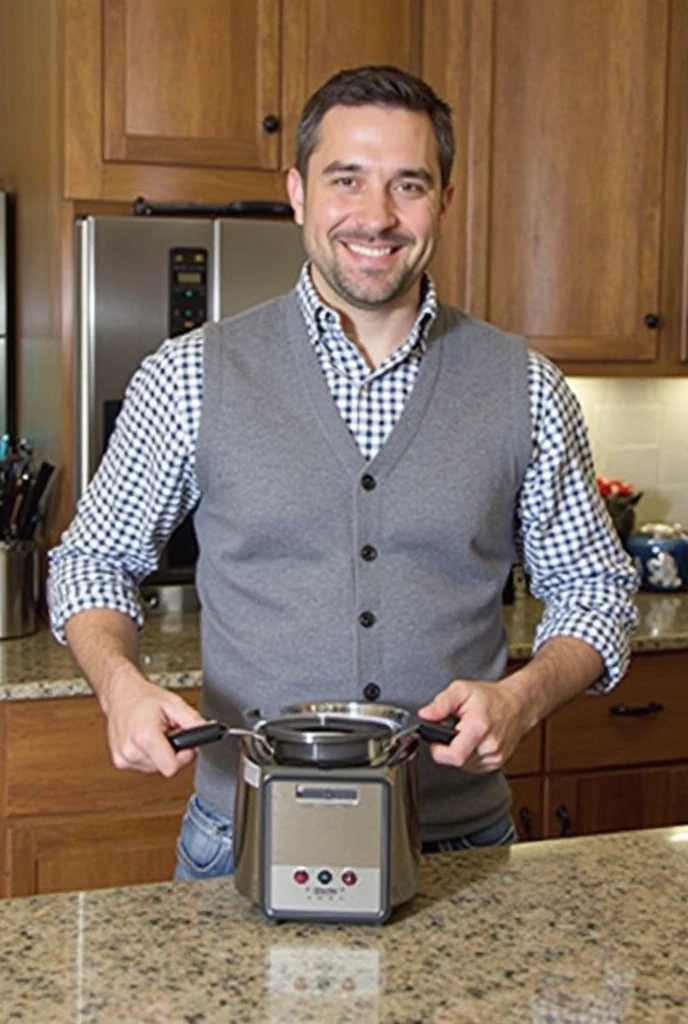
Ethan Cole is a kitchen innovation enthusiast and food technology writer at DiningGadgets.com. With over 8 years of experience reviewing cookware, smart kitchen tools, and design trends, he helps readers discover gadgets that make cooking easier and dining more enjoyable. When he’s not testing the latest kitchen appliances, Ethan enjoys experimenting with recipes and sharing practical tips for modern homes.