Supplies for Wine Making: Essential Gear for Perfect Homemade Wine
Are you ready to create your own delicious wine at home? Knowing the right supplies for wine making is the first step to turning simple ingredients into a tasty, satisfying drink.
Whether you’re just starting out or looking to improve your process, having the right tools makes all the difference. You’ll discover exactly what you need to get started, avoid common mistakes, and enjoy every moment of your wine-making experience. Keep reading, and soon you’ll be crafting wine that friends and family will love.

Credit: www.walmart.com
Basic Equipment
Starting your wine-making journey means gathering the right basic equipment. These tools ensure your process runs smoothly and your wine develops its best flavor. Without them, even the simplest batch can turn into a frustrating experience.
Fermentation Vessels
Your choice of fermentation vessel affects the taste and quality of your wine. Glass carboys are popular because they don’t react with the wine and are easy to clean. Plastic fermenters are lighter and less fragile but be sure to use food-grade plastic to avoid unwanted flavors.
Think about the size you need—common sizes range from 1 to 6 gallons. You don’t want a vessel too big or too small for your batch. What size fits your space and wine goals?
Airlocks And Bungs
Airlocks are small but critical devices that allow carbon dioxide to escape while keeping oxygen and contaminants out. Paired with a bung (the stopper), they create a sealed environment for fermentation. Without this protection, your wine could spoil from exposure to air.
Simple three-piece airlocks are affordable and easy to clean. Silicone bungs provide a snug fit and are reusable. Have you checked if your vessel size matches the bung diameter before buying?
Hydrometers And Thermometers
Monitoring sugar levels and temperature is key to controlling fermentation. A hydrometer measures the specific gravity of your must, helping you track sugar conversion to alcohol. It’s an easy way to know when fermentation is complete.
Temperature influences yeast activity and flavor development. A reliable thermometer helps you keep your wine in the ideal range, usually between 65°F and 75°F. Do you have a plan to adjust room temperature if it goes outside this range?

Credit: www.midwestsupplies.com
Sanitation Tools
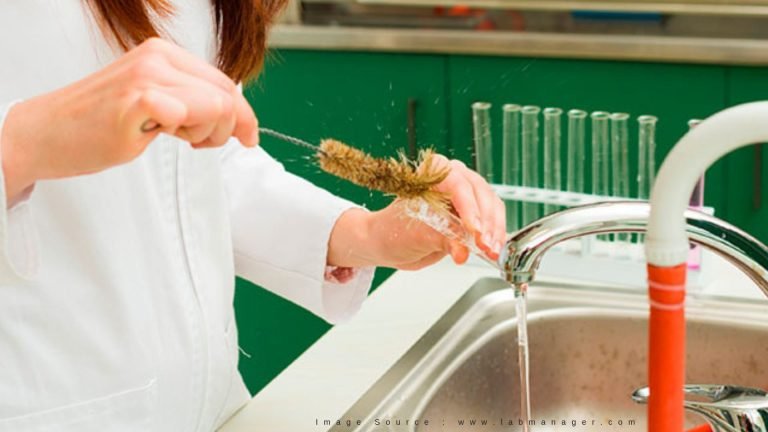
Sanitation tools are essential for any winemaker. Clean equipment prevents bad bacteria and unwanted flavors. These tools keep your wine safe and tasty. Without proper sanitation, your hard work can spoil quickly. Using the right cleaning and sanitizing tools helps keep everything spotless. This section covers the basics of cleaning solutions and sanitizing techniques.
Cleaning Solutions
Cleaning solutions remove dirt, stains, and residues. They prepare your equipment for sanitizing. Common cleaning agents include:
- Powdered cleaners made for winemaking
- Mild detergents safe for food use
- Sodium percarbonate for tough stains
Always rinse well after using cleaning solutions. Residue can affect wine taste. Use warm water to help dissolve residues faster. Avoid strong soaps with perfumes or oils. These can leave unwanted flavors in your wine.
Sanitizing Techniques
Sanitizing kills harmful bacteria and yeast. It comes after cleaning your tools. Common sanitizing methods include:
- Using no-rinse sanitizers like Star San
- Soaking equipment in a bleach solution
- Using heat sterilization for some tools
Follow product instructions carefully. Too little sanitizer won’t work. Too much can leave a bad taste. Always let equipment air dry after sanitizing. Never wipe it with a towel. This keeps germs away and keeps your wine pure.
Bottling Supplies
Bottling your homemade wine is an exciting step that transforms your hard work into a finished product ready to share or store. Having the right bottling supplies ensures this process goes smoothly, preventing contamination and preserving the wine’s quality. Let’s look at the essential tools you’ll need to bottle your wine like a pro.
Wine Bottles
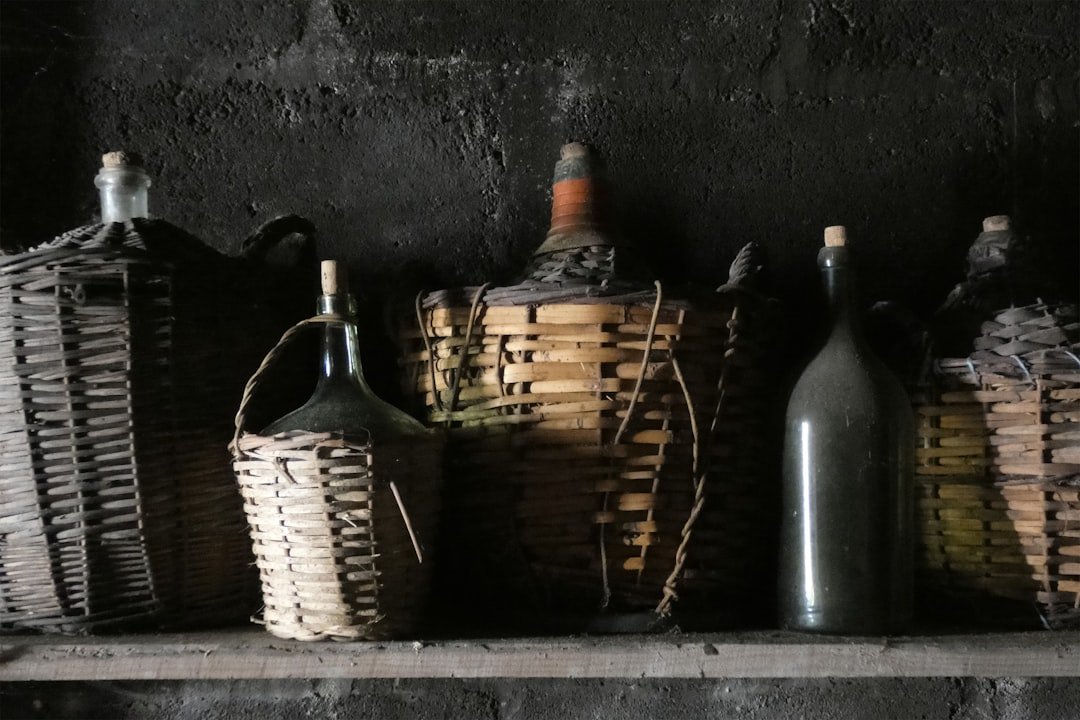
Choosing the right wine bottles affects both the presentation and preservation of your wine. Standard glass bottles come in various shapes and sizes, like Bordeaux, Burgundy, or Champagne styles, each suited to different types of wine.
Make sure your bottles are clean and sterilized before filling. Reusing commercial bottles can save money, but always check for chips or cracks to avoid leaks and spoilage. Have you considered how bottle color impacts your wine? Dark bottles protect wine from UV light, helping maintain its flavor longer.
Corks And Corkers
Corks play a critical role in sealing your wine and allowing it to age properly. Natural corks are traditional and breathable, but synthetic corks offer consistency and reduce the risk of cork taint.
Select a corker that matches your cork type and bottle neck size. Hand corkers are affordable and effective for small batches, while floor corkers offer more leverage for ease and efficiency. What’s your priority—ease of use or authenticity?
Bottling Funnels
A bottling funnel with a long, narrow spout helps you pour wine cleanly and avoid spills. Some funnels come with a built-in strainer to catch sediment, keeping your bottles clear and attractive.
Look for funnels made of food-grade materials that are easy to clean and durable. Using a funnel might seem simple, but it can save you from sticky messes and wasted wine. Have you ever spilled wine during bottling? A good funnel can change that experience completely.
Ingredients
Choosing the right ingredients is the foundation of great wine. Every element you add affects the final taste, aroma, and quality. Understanding what to use and why helps you control the winemaking process better and achieve results you’ll be proud of.
Grapes And Fruit
Grapes are the heart of traditional wine, but you’re not limited to just them. Different grape varieties bring unique flavors and sweetness levels—Cabernet Sauvignon offers boldness, while Riesling tends to be lighter and sweeter.
You can also experiment with other fruits like cherries, blueberries, or peaches. These fruits add interesting twists and can make your wine stand out. Have you tried using fresh fruit versus frozen? The freshness can really change the character of your wine.
Yeast Varieties
Yeast drives fermentation, turning sugars into alcohol. The yeast strain you pick impacts the flavor profile and how quickly fermentation happens. Champagne yeast, for example, creates crisp, clean wines, while wild yeast can introduce funky, complex notes.
Using commercial yeast gives you predictability, but wild yeast offers surprises. What kind of flavor do you want in your wine? That question guides which yeast you choose.
Additives And Nutrients
Sometimes grapes and yeast need a little help. Additives like sulfur dioxide prevent spoilage and keep your wine fresh. Nutrients such as nitrogen help yeast stay healthy during fermentation.
Skipping these can cause stuck fermentation or off-flavors. It’s like feeding your yeast the right diet so they can work their best. Have you noticed how a small nutrient boost improves your batch? Paying attention here can save you from big headaches later.
Measuring And Testing Tools
Measuring and testing tools are essential in your winemaking journey. They help you keep track of critical factors that influence taste, fermentation, and overall quality. Using the right tools can save you time and prevent costly mistakes.
Accurate measurements give you control over the process. Without them, you’re essentially guessing. How often have you wished for a clear sign that your wine is progressing well?
Ph Meters
pH meters tell you how acidic or alkaline your wine is. This balance affects flavor, stability, and even the fermentation speed. If the pH is too high or low, your wine might develop off-flavors or spoil prematurely.
Using a pH meter is straightforward. Simply dip the probe into your sample, and you get an instant reading. I once ignored pH levels and ended up with wine that tasted flat and unbalanced—something I could have avoided.
Investing in a reliable pH meter means you can adjust acidity at the right times. For example, adding tartaric acid if the pH is too high or performing a malolactic fermentation if it’s too low. This helps keep your wine crisp and enjoyable.
Sugar Testing Kits
Sugar testing kits measure the amount of sugar in your grape juice or must. This is crucial because sugar converts into alcohol during fermentation. Knowing sugar levels helps you predict alcohol content and decide when to stop fermentation.
These kits often include hydrometers or refractometers. A hydrometer floats in the liquid and shows specific gravity, while a refractometer uses light refraction to estimate sugar content. I found that using both tools together gave me a clearer picture of my wine’s progress.
Monitoring sugar levels frequently allows you to avoid stuck fermentations or overly dry wines. You can also tailor sweetness to your preference by controlling the fermentation endpoint. What level of sweetness do you want in your wine?

Credit: www.amazon.in
Optional Accessories
Optional accessories can elevate your wine-making experience beyond the basics. They add convenience, style, and a touch of professionalism to your process. These extras don’t just look good—they can actually improve how you store and enjoy your wine.
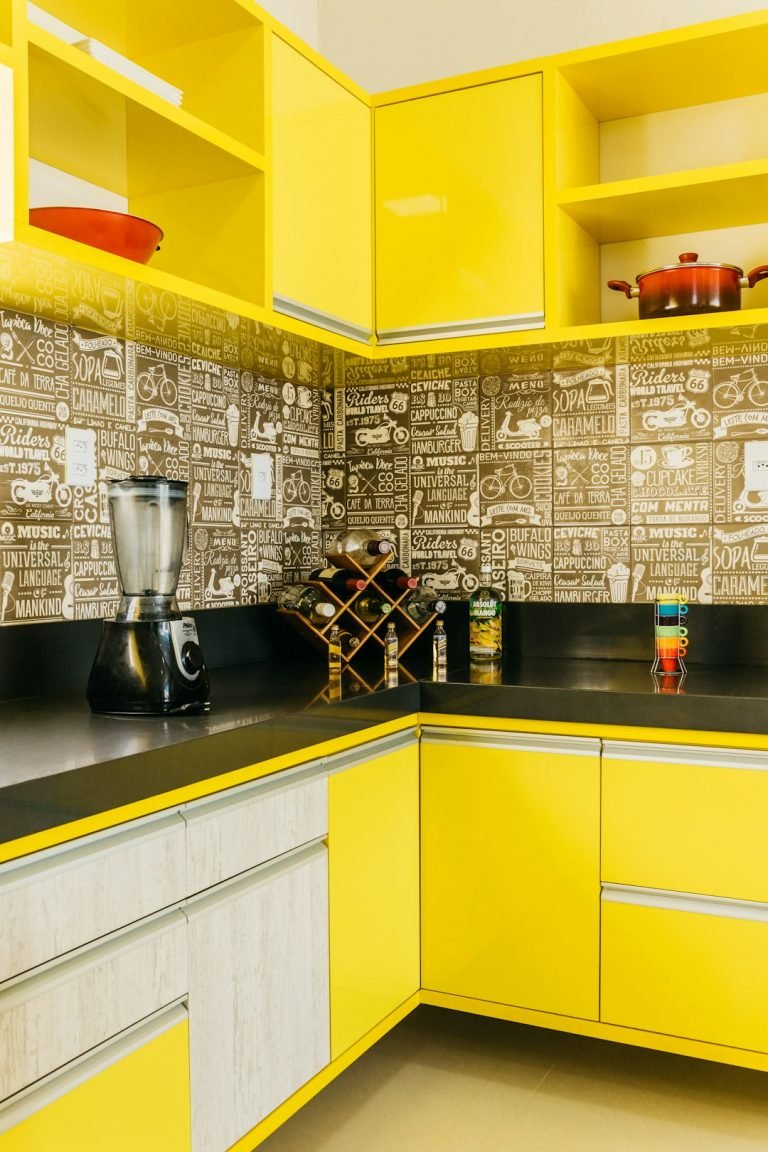
Wine Racks
Wine racks are more than just storage; they help keep your bottles organized and safe. Properly storing wine on its side keeps the cork moist, preventing air from spoiling your vintage. Have you considered how the right rack design could save space in your home or cellar?
There are many styles available, from simple wooden racks to elaborate metal designs. Some racks even allow you to display your collection beautifully, turning your wine into a centerpiece. Choose one that fits your space and matches your style preferences.
Decanters And Aerators
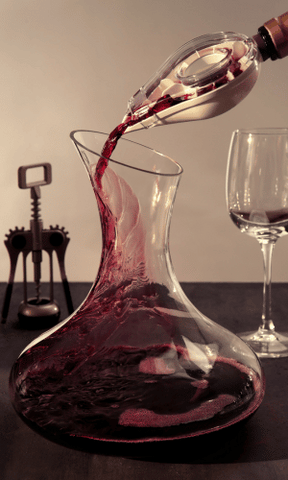
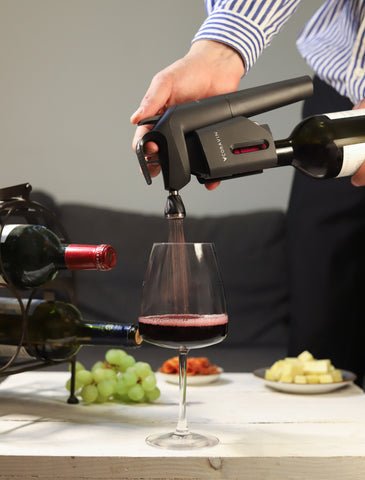
Decanters and aerators bring out the best in your wine by improving its flavor and aroma. Pouring wine into a decanter lets it breathe, softening tannins and releasing rich scents. An aerator speeds up this process, perfect when you don’t want to wait.
Using these tools can change how you taste wine, making even cheaper bottles more enjoyable. Have you tried tasting the same wine straight from the bottle versus after aerating? The difference might surprise you.
Frequently Asked Questions
What Essential Supplies Do I Need For Wine Making?
Basic supplies include fermentation vessels, airlocks, hydrometers, siphoning tubes, and sanitizers. Quality grapes or juice and yeast are also crucial for fermentation.
How Do I Choose The Right Fermentation Vessel?
Choose vessels made of glass, food-grade plastic, or stainless steel. They must be airtight and easy to clean to prevent contamination.
Why Is Sanitation Important In Wine Making?
Sanitation prevents unwanted bacteria and wild yeast from spoiling the wine. Clean equipment ensures better flavor and longer shelf life.
What Role Does A Hydrometer Play In Wine Making?
A hydrometer measures sugar content in the juice. It helps track fermentation progress and estimate the wine’s alcohol level.
Conclusion
Crafting wine at home can be a rewarding journey. Essential supplies make the process smoother and more enjoyable. From fermentation tanks to corks, each item plays a vital role. Quality equipment ensures better flavors and fewer hassles. Begin with a basic kit, then expand as you learn.
Experiment with different grapes and techniques. Patience is key; wine takes time. Share your creations with friends and family. Enjoy every sip and the stories behind them. Dive into the world of winemaking with confidence and curiosity. Your wine adventure awaits.
Cheers to new beginnings!
Ethan Cole is a kitchen innovation enthusiast and food technology writer at DiningGadgets.com. With over 8 years of experience reviewing cookware, smart kitchen tools, and design trends, he helps readers discover gadgets that make cooking easier and dining more enjoyable. When he’s not testing the latest kitchen appliances, Ethan enjoys experimenting with recipes and sharing practical tips for modern homes.