

Have you ever wondered what it feels like to create your own wine right at home? Making wine from grapes is not just a fun hobby—it’s a way to connect with nature, enjoy a rewarding challenge, and savor a drink you crafted yourself.
Imagine the pride of sharing a glass of wine that you made with your own hands. You’ll discover simple steps and insider tips to turn fresh grapes into delicious homemade wine. Ready to impress your friends and unlock a new skill?
Let’s dive into the world of homemade wine making together!
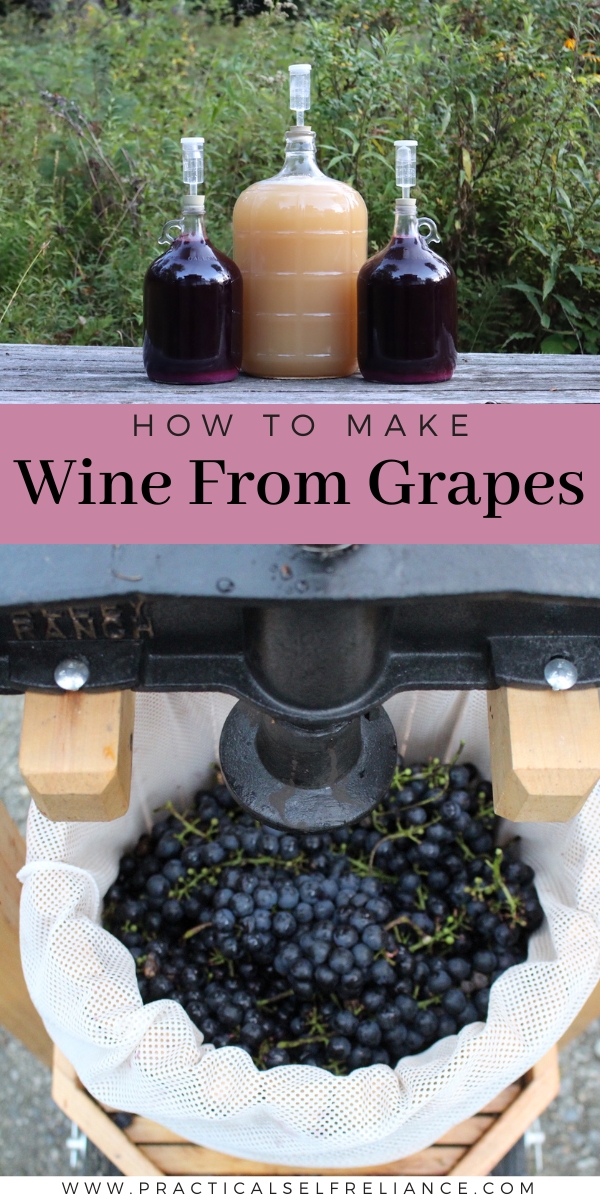
Credit: practicalselfreliance.com
Choosing The Right Grapes
Choosing the right grapes is the foundation of making great homemade wine. The type of grape you pick shapes the flavor, aroma, and body of your final product. It’s not just about grabbing any grapes from your garden or local market; understanding the grape varieties and their ripeness can elevate your wine-making experience.
Types Of Grapes For Wine
Different grapes produce very different wines. You have options like:
- Concord:Sweet and fruity, ideal for beginner winemakers.
- Cabernet Sauvignon:Bold and full-bodied, great for red wines with deep flavors.
- Chardonnay:A popular white grape that offers crisp and buttery notes.
- Pinot Noir:Delicate and light, perfect if you want a subtle red wine.
Think about the kind of wine you enjoy drinking. Do you prefer something light or rich? Your choice of grape will guide your entire process.
Harvesting At Peak Ripeness
Picking grapes at the right time is crucial. Grapes picked too early can make your wine taste sour and thin. If picked too late, the wine might turn out overly sweet or flat.
Look for grapes that are plump, slightly soft, and have a rich color. Taste them yourself—if the grape tastes balanced and flavorful, it’s likely ready for harvest. This simple test can save you from disappointing results.
Have you ever made juice from unripe fruit? The bitterness can be off-putting. Wine grapes are no different. Timing your harvest well impacts your wine’s quality more than any fancy equipment.
Preparing Grapes For Fermentation
Preparing grapes for fermentation is a crucial stage in homemade wine making. The quality of your wine starts here, where careful handling of grapes sets the foundation for flavor and aroma. Paying attention to detail during preparation can make a noticeable difference in the final product.
Cleaning And Sorting
Start by rinsing your grapes gently with cool water to remove dirt and pesticides. Avoid soaking them for too long, as excess moisture can dilute the juice. Sorting out any damaged or moldy grapes is essential—these can spoil your entire batch.
Look for grapes that are firm and plump, as they contain the best juice. Removing stems that are brown or brittle helps prevent unwanted bitter flavors. Have you ever tasted wine that felt off? Poor cleaning and sorting might be why.
Crushing And Destemming
Crushing breaks the grape skins, releasing juice and starting fermentation. You can crush grapes by hand or use a crusher tool for larger batches. Be gentle to avoid crushing seeds, which can add bitterness.
Destemming separates the grapes from their stems. Some winemakers skip this, but stems can add harsh tannins if left in. Using a destemmer or doing it by hand helps keep the flavor smooth and balanced.
Imagine the difference between biting into a juicy grape versus a tough stem—this is the kind of impact destemming has on your wine’s taste. Do you want a wine that’s crisp and clean or one that’s rough around the edges? Your preparation choices decide that.
Fermentation Process
The fermentation process is the heart of homemade wine making. It transforms grape juice into wine through natural chemical reactions. Yeast consumes the sugars in grapes and produces alcohol and carbon dioxide. This process affects the taste, aroma, and texture of the wine. Proper fermentation requires attention to detail and patience.
Selecting The Yeast
Yeast choice impacts the flavor and strength of your wine. Different yeast strains work better for various grape types. Some yeasts enhance fruity notes, while others focus on dryness or sweetness. Use wine yeast for best results. Avoid wild yeast to prevent off-flavors or spoilage. You can buy yeast online or at brewing stores.
Controlling Temperature
Temperature control is crucial during fermentation. Yeast works best between 60°F and 75°F (15°C – 24°C). Too high temperatures kill yeast or produce bad flavors. Too low temperatures slow down fermentation. Keep the fermentation vessel in a cool, dark place. Use a thermometer to check regularly. Adjust room temperature or use a cooling system if needed.
Monitoring Fermentation
Watch the fermentation progress closely. Signs include bubbling, foam, and sediment formation. Use a hydrometer to measure sugar levels. When sugar drops to a stable low, fermentation is complete. Check for off-smells like rotten eggs or vinegar. These mean contamination. Stir gently if needed, but avoid introducing oxygen. Keep records of time and temperature for future batches.
Pressing And Racking
Pressing and racking are key steps in homemade wine making from grapes. These processes help separate the juice from the grape solids and clarify the wine. Proper handling during these stages improves taste and quality. Understanding pressing and racking helps create cleaner, better wine.
Extracting The Juice
Pressing gently squeezes grapes to release their juice. Too much pressure can crush seeds and add bitterness. Use a manual or hydraulic press for best results. Collect the juice in a clean container. This juice is called “must,” and it contains juice, skins, and seeds.
Here are tips for pressing grapes:
- Press slowly to avoid crushing seeds.
- Stop pressing when juice flow slows.
- Keep equipment clean to prevent contamination.
Separating Wine From Sediment
Racking moves wine away from sediment after fermentation. Sediment includes dead yeast and grape particles. It can cause off flavors if left too long. Use a siphon hose to transfer wine carefully. Avoid disturbing the sediment at the bottom.
Repeat racking every few weeks until the wine is clear. This process improves wine clarity and taste. Store wine in a clean, airtight container after racking.
Aging And Clarifying Wine
Aging and clarifying wine are crucial steps that shape the final taste and appearance of your homemade wine. Proper aging allows the flavors to deepen and mellow, while clarification removes unwanted particles for a clear, bright finish. Understanding how to choose the right containers and apply effective clarification techniques will improve your wine’s quality significantly.
Choosing Aging Containers
The container you use for aging influences the wine’s flavor and texture. Oak barrels add complex flavors like vanilla and spice, but they can be expensive and need maintenance. Glass carboys or stainless steel tanks are excellent alternatives that preserve the wine’s pure fruit character without adding extra flavors.
Think about the space you have and the volume of wine you’re aging. Smaller containers can speed up aging but may increase the risk of oxidation. Larger containers reduce air exposure but require more patience from you.
- Oak Barrels:Adds depth but demands upkeep.
- Glass Carboys:Neutral and easy to clean.
- Stainless Steel Tanks:Durable and flavor-neutral.
Techniques For Clarification
Clarifying your wine means removing solids like dead yeast cells and grape particles that cloud the liquid. You can let your wine settle naturally for weeks, but racking it off the sediment speeds up the process and prevents off-flavors.
Fining agents help pull out unwanted particles quickly. Common choices include bentonite clay, egg whites, or gelatin. Each works differently, so try small batches first to see how your wine reacts.
- Racking:Siphon wine off sediment carefully to avoid mixing.
- Fining Agents:Add to bind and settle impurities.
- Cold Stabilization:Chill wine to make particles clump and fall.
Have you noticed a difference in your wine’s clarity after trying these techniques? Experimentation helps you find what works best with your grape variety and taste preferences. Your patience will show in every glass you pour.
Bottling And Storing
Bottling and storing are crucial steps in homemade wine making. Proper care here preserves flavor and prevents spoilage. This stage locks in the wine’s character and readies it for future enjoyment.
Sanitizing Bottles
Clean bottles thoroughly before use. Rinse with hot water to remove dirt and residue. Use a food-safe sanitizer to kill bacteria and yeast. Let bottles air dry on a clean surface. Avoid touching the inside to keep bottles sterile.
Sealing And Labeling
Seal bottles tightly with corks or screw caps to prevent air entry. Use a corker for firm cork placement. Label bottles clearly with wine type and date. Labels help track aging time and identify batches easily. Keep labels neat and legible.
Optimal Storage Conditions
Store wine bottles horizontally to keep corks moist. Keep wine in a cool, dark place with stable temperature. Ideal temperature is between 50 and 60 degrees Fahrenheit. Avoid direct sunlight and temperature swings. Humidity around 70% prevents corks from drying. Quiet storage reduces wine disturbance and sediment movement.
Troubleshooting Common Issues
Troubleshooting common issues in homemade wine making is crucial for crafting a delicious final product. Small problems can quickly turn your batch from enjoyable to disappointing. Identifying and addressing these issues early can save your wine and improve your winemaking skills over time.
Preventing Off-flavors
Off-flavors often develop from contamination, poor hygiene, or improper fermentation temperatures. You can prevent this by thoroughly cleaning and sanitizing all equipment before use.
Keep your fermentation environment stable, ideally between 65-75°F (18-24°C), to avoid stressing the yeast. Wild yeasts and bacteria can sneak in and create sour or medicinal tastes, so always use quality yeast and avoid exposing your wine to air unnecessarily.
Have you checked your water and ingredients for any unusual odors or tastes? Sometimes, even the smallest impurity can spoil your wine’s flavor.
Fixing Cloudy Wine
Cloudiness in wine is often caused by suspended particles, yeast, or proteins that haven’t settled properly. One quick fix is to let your wine rest in a cool, dark place for a few weeks to allow sediments to drop naturally.
Using fining agents like bentonite clay or gelatin can help clear up stubborn haze by binding with particles and making them easier to remove. Be sure to follow the instructions carefully to avoid affecting the wine’s taste.
Have you tried filtering your wine gently through a fine mesh or coffee filter? Sometimes simple filtration can improve clarity without adding chemicals.
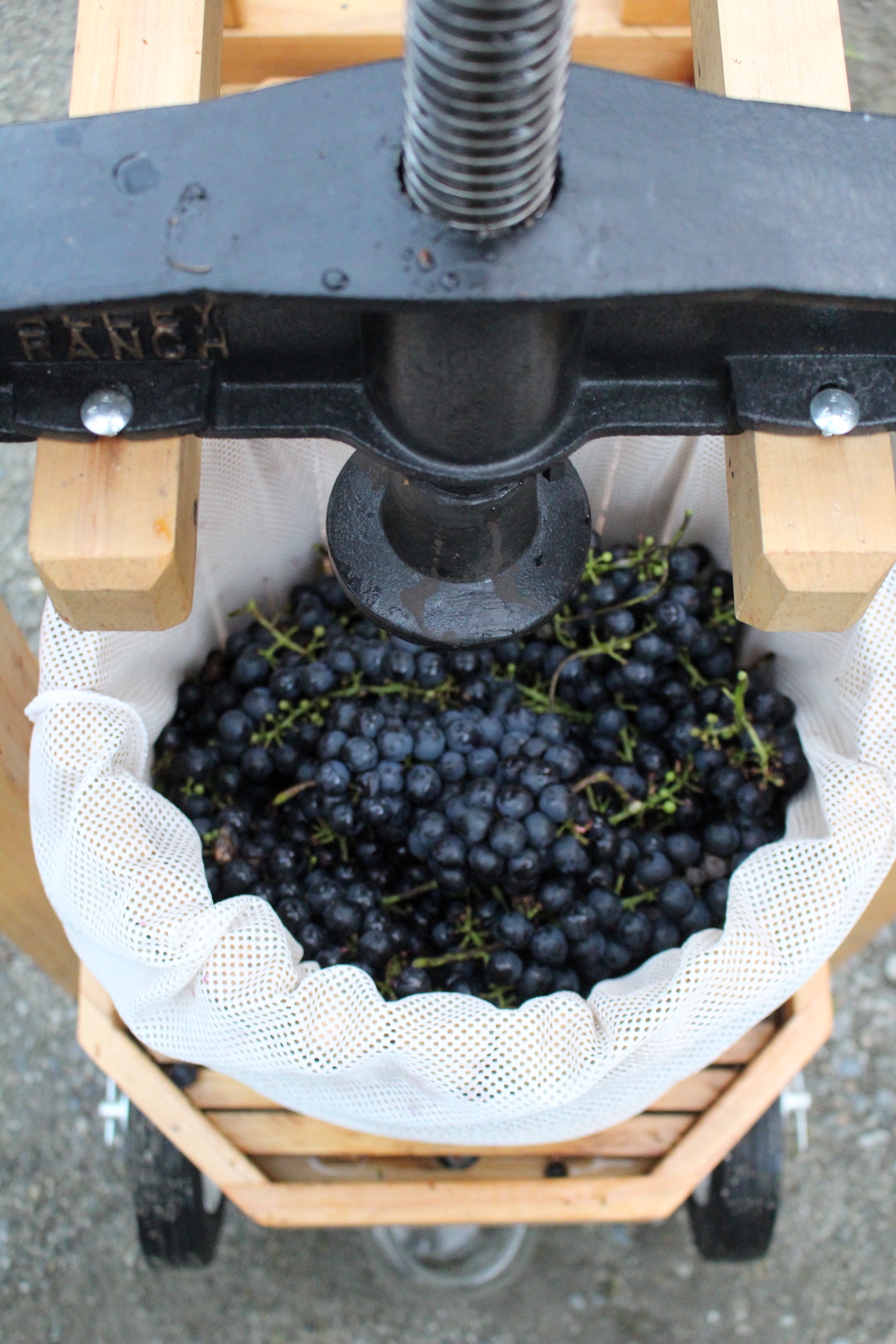
Credit: practicalselfreliance.com
Tips For Enhancing Flavor
Enhancing the flavor of homemade wine is key to creating a drink you truly enjoy. Small changes can bring out richer tastes and smoother finishes. Experimenting with different techniques helps discover unique flavors. Focus on natural ways to improve your wine’s character and aroma.
Blending Grapes
Mixing different grape varieties can add depth to your wine. Each grape type offers unique flavors and aromas. Combining them balances sweetness, acidity, and tannins. Try blending a fruity grape with a more robust one. This mix often leads to a more complex and pleasant taste.
Start with small batches to test blends. Note the results and adjust ratios for future batches. Blending also helps fix any single grape’s weaknesses.
Using Additives Wisely
Additives can improve wine but must be used carefully. Common additives include yeast nutrients, acids, and tannins. They help balance the flavor and support fermentation.
- Yeast nutrients keep fermentation steady and clean.
- Acids like tartaric acid add brightness and freshness.
- Tannins add structure and a slight bitterness that enhances flavor.
Always measure additives accurately. Too much can spoil the taste. Use them only when necessary to keep the wine natural and enjoyable.
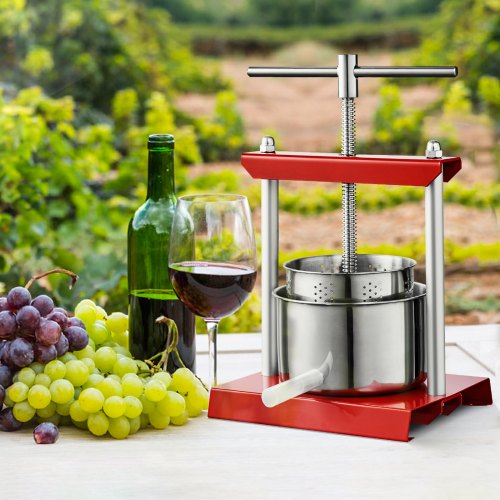
Credit: www.tncim.com
Frequently Asked Questions
How Do You Start Homemade Wine Making From Grapes?
Start by selecting ripe, quality grapes. Clean and crush them to release juice. Add yeast to begin fermentation. Monitor temperature and sugar levels for best results. Finally, strain and bottle the wine after fermentation completes.
What Equipment Is Needed For Grape Wine Making?
You need a crusher, fermenter, airlock, siphon, hydrometer, and bottles. Cleanliness is essential to avoid contamination. Quality tools improve wine taste and clarity during fermentation and storage.
How Long Does Homemade Grape Wine Take To Ferment?
Fermentation usually takes 1 to 2 weeks. Primary fermentation occurs first, then secondary for clarity. Aging can take months for better flavor. Patience ensures a smooth, balanced homemade wine.
Can I Use Any Grapes For Homemade Wine?
Yes, but wine grapes like Concord or Muscat are best. They have ideal sugar and acid levels. Table grapes can work but may yield less flavorful wine. Choose ripe, healthy grapes for quality wine.
Conclusion
Crafting homemade wine from grapes is rewarding and fun. The process is simple and enjoyable for anyone. Start with fresh grapes for the best taste. Follow each step carefully to ensure success. Patience is key; wine needs time to mature.
Sharing homemade wine with friends is a joy. It brings people together, creating memorable moments. Remember to store your wine properly. This will keep it fresh and flavorful. Enjoy the journey of winemaking. Every bottle tells a story, your story.
Cheers to your homemade wine adventure!
Ethan Cole is a kitchen innovation enthusiast and food technology writer at DiningGadgets.com. With over 8 years of experience reviewing cookware, smart kitchen tools, and design trends, he helps readers discover gadgets that make cooking easier and dining more enjoyable. When he’s not testing the latest kitchen appliances, Ethan enjoys experimenting with recipes and sharing practical tips for modern homes.