Wine Making Regions of France: Discover the Top Vineyards Today
If you love wine, understanding where it comes from can make every sip more special. France is famous for its wine, but did you know that each region offers a unique flavor and story?
Whether you enjoy bold reds or crisp whites, knowing about the wine making regions of France will change how you taste your glass. Keep reading, and you’ll discover secrets that will make your next wine experience unforgettable.
Famous French Wine Regions
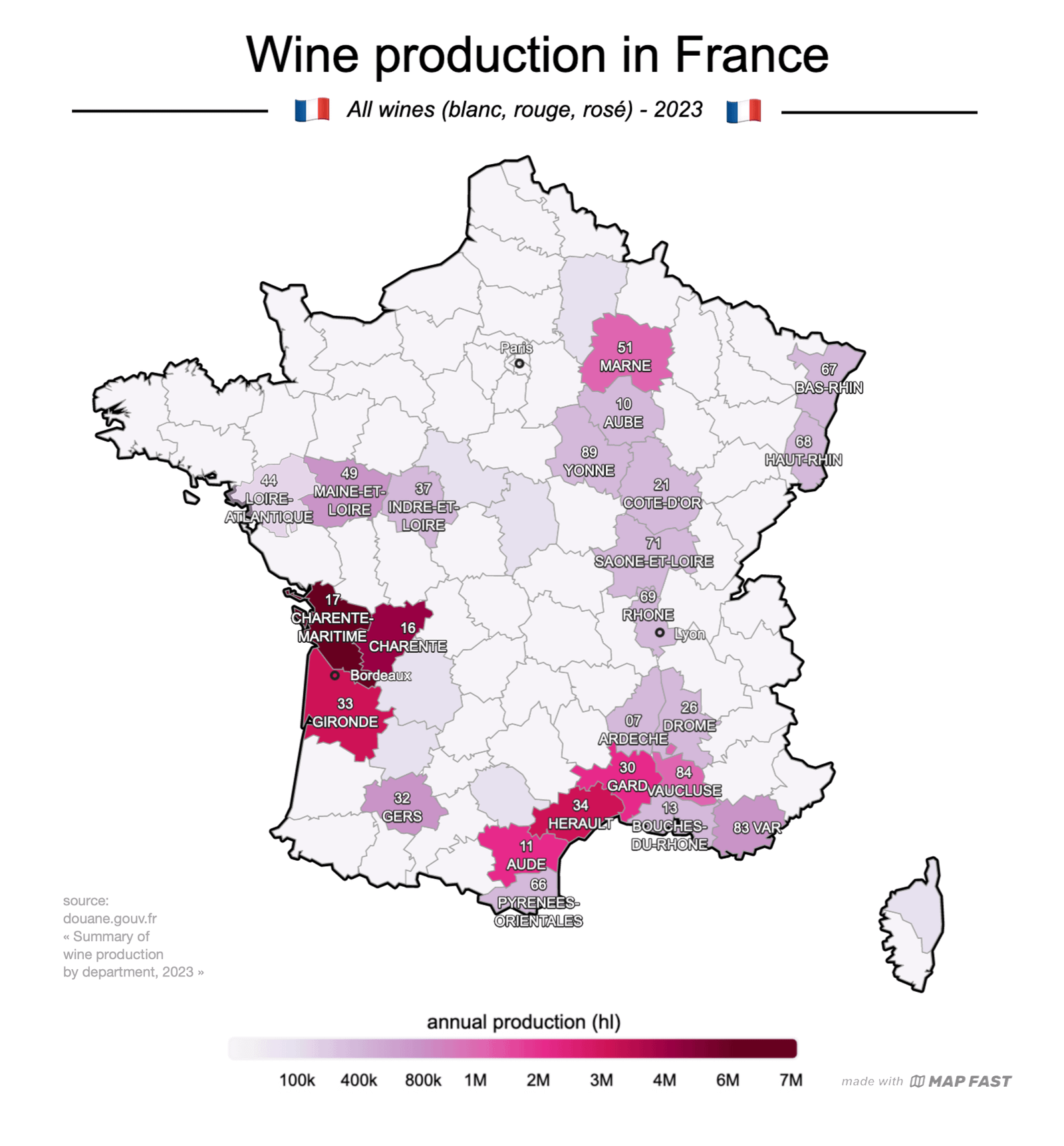
France holds a special place in the world of wine, offering a diverse range of flavors shaped by its unique regions. Each area has its own climate, soil, and grape varieties, making French wines distinct and celebrated worldwide. Understanding these famous wine regions can deepen your appreciation and guide your next wine purchase or tasting experience.
Bordeaux Vineyards
Bordeaux is synonymous with rich, full-bodied red wines. The region is famous for blending grape varieties like Merlot, Cabernet Sauvignon, and Cabernet Franc. You’ll find prestigious estates here, known for producing wines that can age beautifully for decades.
Have you ever wondered why Bordeaux wines taste so complex? The answer lies in the region’s gravelly soil and moderate climate, which help grapes develop deep flavors.
Burgundy Vineyards
Burgundy is the home of the world’s finest Pinot Noir and Chardonnay. This region focuses on single grape varieties, letting their unique characteristics shine. The vineyards are often small and family-run, creating wines with a sense of place, or “terroir.”
Next time you sip a Burgundy wine, think about the tiny plots of land that contribute to its distinct taste. It’s like tasting a story of the soil and climate.
Champagne Region
Champagne produces the sparkling wine that celebrates every special moment. The cool climate keeps grapes crisp and acidic, perfect for making bubbly. Champagne’s traditional method of fermentation in the bottle gives its signature fine bubbles and complex flavors.
Do you appreciate the patience behind your glass of Champagne? Some bottles age for years before reaching your celebration.
Loire Valley Vineyards
The Loire Valley offers a wide variety of wine styles, from crisp whites to light reds. It’s known for Sauvignon Blanc and Chenin Blanc grapes. This region’s diverse landscapes create fresh and vibrant wines ideal for seafood and salads.
Imagine pairing a Loire Valley white with your next meal. The wine’s bright acidity can transform everyday dishes into something special.
Rhone Valley Vineyards
The Rhône Valley produces bold reds and aromatic whites. Syrah dominates the northern Rhône, while Grenache leads in the south. The region’s warm climate and varied soils give wines rich, spicy, and earthy notes.
Have you noticed the smoky flavors in some Rhône wines? They reflect the sun-baked soils and traditional winemaking.
Alsace Vineyards
Alsace specializes in white wines, especially Riesling and Gewürztraminer. The region’s cool climate helps preserve grape acidity and vibrant aromatics. Alsace wines often have a distinct freshness and floral character.
When you taste an Alsace wine, focus on its balance between sweetness and acidity. It’s a refreshing choice for many occasions.
Provence Vineyards
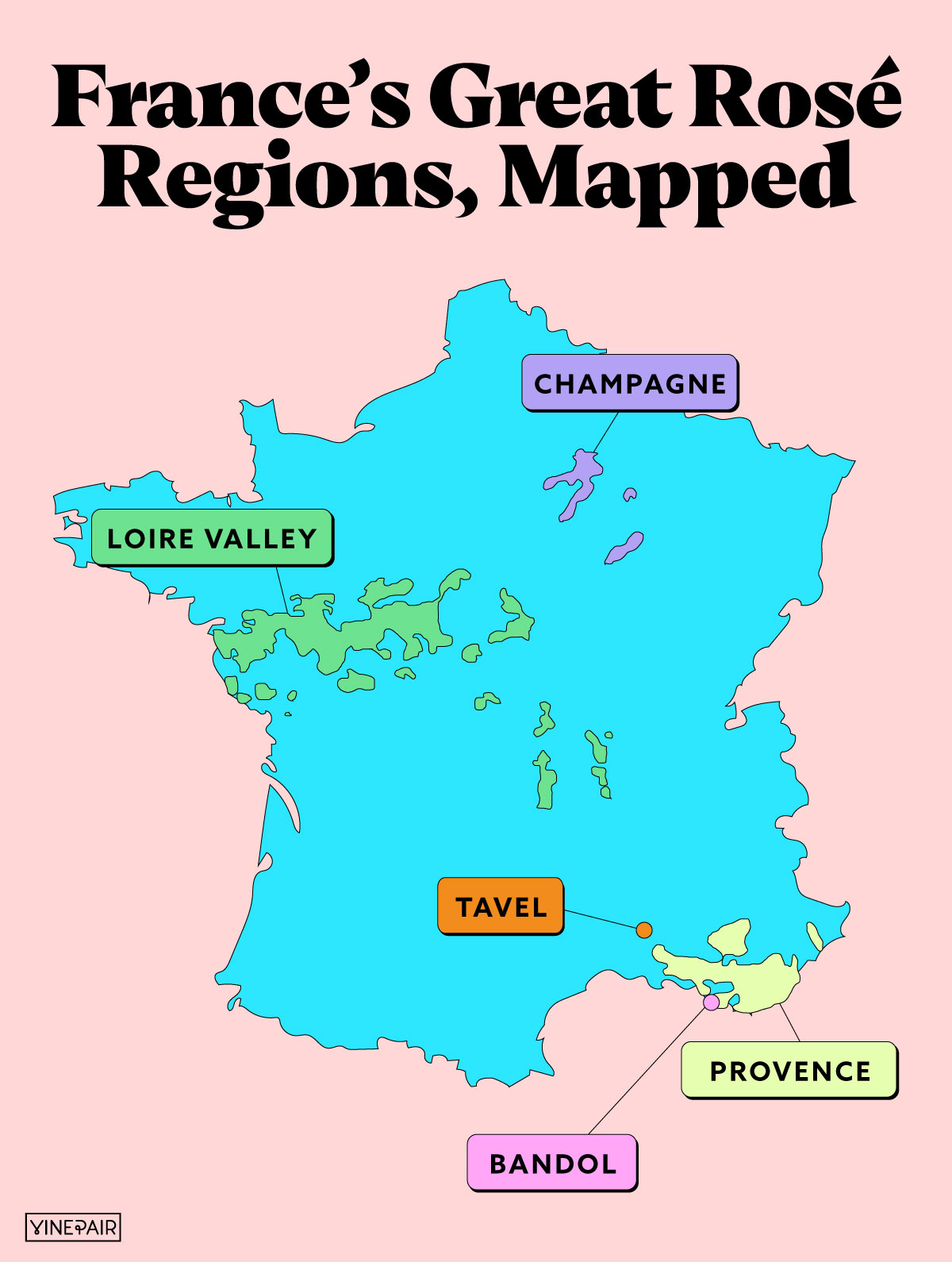
Provence is famous for its rosé wines with delicate fruit and floral notes. The Mediterranean climate provides warm days and cool nights, perfect for growing grapes like Grenache and Cinsault. These wines are light, crisp, and perfect for warm weather.
Have you tried pairing Provence rosé with your summer meals? It’s a simple way to elevate your dining experience.
Credit: vinepair.com
Unique Characteristics Of Each Region
Each wine region in France offers distinct flavors shaped by its environment and traditions. The unique mix of climate, soil, and grape choices creates diverse wine experiences. Understanding these differences helps appreciate the rich variety France provides.
Climate And Soil Impact
France’s regions vary from cool to warm climates. Cooler areas like Champagne produce fresh and crisp wines. Warmer regions such as the Rhône Valley yield richer, fuller wines.
The soil type also affects taste. Chalky soils in Champagne add minerality. Limestone and clay in Bordeaux give complexity. Granite in Alsace enhances aromatic qualities.
Grape Varieties
Each region grows grapes suited to its conditions. Burgundy is famous for Pinot Noir and Chardonnay. Bordeaux favors Cabernet Sauvignon and Merlot. Loire Valley grows Sauvignon Blanc and Chenin Blanc. Rhône Valley is known for Syrah and Grenache.
Local grape choices shape the character of wines produced. These varieties reflect regional history and climate.
Wine Styles Produced
- Bordeaux:Bold reds and elegant whites.
- Burgundy:Delicate reds and creamy whites.
- Champagne:Sparkling wines with fine bubbles.
- Loire Valley:Light, fresh whites and rosés.
- Rhône Valley:Spicy reds and rich whites.
Each style carries the identity of its region. Wine lovers enjoy exploring these varied profiles across France.
Top Vineyards To Visit
Visiting vineyards in France offers more than just tasting exquisite wines; it’s about stepping into rich traditions and landscapes that shape each bottle. The top vineyards provide a unique window into how regional climates, soils, and history influence winemaking. Whether you’re a casual wine lover or an avid collector, these estates promise experiences that deepen your appreciation and knowledge.
Iconic Estates In Bordeaux
Bordeaux is home to some of the world’s most famous vineyards. Château Margaux and Château Lafite Rothschild stand out for their long histories and exceptional red wines. Walking through their grand estates, you feel the weight of centuries-old expertise and dedication.
Visiting these vineyards allows you to see how tradition meets modern techniques. Have you ever wondered how such consistency in quality is maintained across generations? A tour here might answer that.
Renowned Burgundy Wineries
Burgundy’s vineyards are celebrated for their delicate Pinot Noir and Chardonnay. Estates like Domaine de la Romanée-Conti offer exclusive tastings that showcase the finesse of this region’s terroir. The small scale of Burgundy vineyards means each plot tells a distinct story.
When you taste wines here, you’re drinking a reflection of very specific soils and microclimates. Could your palate distinguish these subtle differences after a visit?
Champagne Houses To Explore
Champagne is synonymous with celebration, and visiting its houses brings that spirit to life. Moët & Chandon and Veuve Clicquot offer tours where you can see the cellars and learn about the unique fermentation process. The underground chalk caves are especially impressive.
Experiencing the effervescence of freshly opened Champagne in its birthplace is unforgettable. What better way to understand Champagne than by seeing how bubbles are made?
Hidden Gems In Loire Valley
The Loire Valley offers less commercial but equally captivating vineyards. Domaine Huet and Château de la Grille produce crisp, aromatic whites and elegant reds. These vineyards invite you to explore quieter, more intimate wine country settings.
Visiting these less-known estates might surprise you with their innovation and charm. Would you consider stepping off the beaten path for a more personal wine experience?
Notable Rhone Vineyards
The Rhône Valley is famous for robust reds and aromatic whites. Estates like Château de Beaucastel showcase the power of Grenache and Syrah grapes. Walking the vineyards here, you notice how the sun-soaked slopes influence grape flavors.
Have you tasted wines that carry such intense character before? Visiting Rhône vineyards can open your senses to bold, flavorful profiles that differ greatly from other regions.

Credit: travelfrancebucketlist.com
Wine Tourism Experiences
Exploring the wine regions of France offers more than just beautiful views. Wine tourism immerses visitors in local culture and traditions. It invites people to taste, learn, and enjoy the art of winemaking firsthand. Every region offers unique experiences that connect travelers to the heart of French wine.
Tasting Tours
Tasting tours guide visitors through vineyards and cellars. Guests sample different wines and learn about their origins. Expert guides explain grape varieties and wine styles. Tours often include small groups for a personal touch. Visitors discover subtle flavors and aromas unique to each region.
Harvest Participation
Harvest participation lets tourists join grape picking. It happens during the busy harvest season, usually in early autumn. Visitors work alongside local farmers and experience the vineyard’s rhythm. This hands-on activity creates a deep connection with the land. It also offers a chance to understand the effort behind every bottle.
Wine And Food Pairings
Wine and food pairings highlight local cuisine and wines. Chefs and winemakers collaborate to create perfect matches. Visitors taste regional dishes with wines that enhance the flavors. Pairings often include cheese, bread, and seasonal ingredients. This experience enriches the appreciation of French culinary traditions.
Tips For Exploring French Vineyards
Visiting French vineyards offers a unique chance to see where some of the world’s finest wines begin. To make the most of your trip, knowing a few insider tips can transform your experience from ordinary to unforgettable.
Best Time To Visit
The ideal months to visit French vineyards are from late spring to early autumn. During this period, the weather is pleasant, and you can witness the vineyards in full bloom or even the grape harvest in September and October.
Visiting during harvest gives you a glimpse into the busy, hands-on process of winemaking. However, if you prefer quieter visits, aim for late spring when the vines start budding.
Booking Vineyard Tours
Many vineyards require advance booking, especially the popular ones in Bordeaux and Burgundy. Booking early ensures you get a spot on guided tours that often include tastings and cellar visits.
Look for small, family-run vineyards for a more personal experience. These places often provide stories and insights you won’t find in larger estates.
- Check if tours offer tastings or food pairings
- Ask about language options if you don’t speak French
- Consider private tours for a tailored experience
Local Customs And Etiquette
Showing respect goes a long way in French vineyards. Greet the staff with a polite “Bonjour” and avoid wearing strong perfumes that can interfere with wine tasting.
Don’t rush through tastings; savor each sip and ask questions to show your interest. Offering a small gift, like a souvenir from your home country, can also be appreciated.
Have you ever noticed how a simple “thank you” in the local language can open doors? Try saying “Merci” and see the warm response you get.

Credit: briscoebites.com
Frequently Asked Questions
What Are The Main Wine Regions In France?
France’s main wine regions include Bordeaux, Burgundy, Champagne, Loire Valley, and Rhône Valley. Each region produces distinct wine styles based on climate and soil.
Which French Region Is Famous For Champagne Production?
The Champagne region in northeastern France is renowned for producing the world-famous sparkling wine, Champagne. It has strict production rules to ensure quality.
What Type Of Wine Is Burgundy Known For?
Burgundy is famous for its Pinot Noir reds and Chardonnay whites. The region’s terroir greatly influences the wine’s flavor and character.
Why Is Bordeaux Important In French Winemaking?
Bordeaux is a top wine region producing prestigious red blends. It’s known for Cabernet Sauvignon, Merlot, and rich, age-worthy wines.
Conclusion
France offers diverse and rich wine-making regions. Each region has its own charm. From Bordeaux to Burgundy, every area tells a story. These regions produce world-renowned wines. Their unique climates and soils create distinct flavors. Wine lovers explore these areas for a taste of history.
Visiting these regions feels like stepping into a different world. France remains a top wine destination. Its wines capture the essence of French tradition. For those curious about wine, France is a must-see. Discover the magic in every bottle. Experience the passion of French wine-making.
Cheers to your next French wine adventure!
Ethan Cole is a kitchen innovation enthusiast and food technology writer at DiningGadgets.com. With over 8 years of experience reviewing cookware, smart kitchen tools, and design trends, he helps readers discover gadgets that make cooking easier and dining more enjoyable. When he’s not testing the latest kitchen appliances, Ethan enjoys experimenting with recipes and sharing practical tips for modern homes.