Making Wine With Grapes at Home: Easy Steps for Perfect Results
Have you ever thought about making your own wine at home? Imagine turning fresh grapes into a delicious, homemade wine you can share with friends and family.
It’s easier than you think, and the satisfaction of sipping a glass you crafted yourself is unbeatable. You’ll discover simple steps and tips to start making wine with grapes right in your kitchen. By the end, you’ll be ready to create your very own bottle of wine that tastes just the way you like it.
Ready to get started? Let’s dive in!
Credit: practicalselfreliance.com
Choosing The Right Grapes
Choosing the right grapes is the foundation of making great wine at home. The grape variety you pick influences the flavor, aroma, and overall quality of your wine. Knowing which grapes suit your taste and winemaking style will help you create a product you’ll be proud of.
Types Of Grapes For Winemaking
Not all grapes are created equal when it comes to winemaking. Some varieties produce bold reds, while others are perfect for crisp whites. Popular options include:
- Cabernet Sauvignon– Known for its deep color and rich tannins, ideal for full-bodied red wines.
- Pinot Noir– Produces lighter reds with delicate fruit flavors and smooth texture.
- Chardonnay– Versatile for white wines, ranging from buttery to crisp depending on fermentation.
- Sauvignon Blanc– Offers fresh, zesty whites with citrus and herbal notes.
Think about the style of wine you enjoy drinking. How bold or subtle do you want your homemade wine to be?
Selecting Fresh And Ripe Grapes
The freshness and ripeness of grapes directly affect your wine’s taste. Look for grapes that are plump, juicy, and free from mold or damage. Avoid grapes that feel mushy or have shriveled skins.
Ripe grapes have a sweet aroma and yield juice easily when squeezed. You can also test the sugar content with a refractometer if you want to get technical. Picking grapes too early or too late can throw off the balance of sweetness and acidity in your wine.
Where To Source Quality Grapes
Finding the best grapes means knowing where to look. Local vineyards often sell fresh grapes, especially during harvest season. Visiting them can give you insight into the grape quality and growing conditions.
Farmers’ markets and specialty produce stores may also carry winemaking grapes. You can buy online from reputable suppliers who offer specific grape varieties for home winemakers. Don’t hesitate to ask questions about the grape’s origin and handling to ensure you get the best starting material.

Credit: m.youtube.com
Preparing Grapes For Fermentation
Preparing your grapes properly is the foundation of making great homemade wine. The way you clean, crush, and handle the grapes can directly affect the fermentation process and ultimately the flavor of your wine. Paying close attention to these early steps will set you up for success and help you avoid common pitfalls that can spoil your batch.
Cleaning And Sorting Grapes
Start by rinsing your grapes gently with cool water to remove dirt, dust, and any pesticide residues. Avoid soaking them, as too much water can dilute the natural sugars essential for fermentation.
Sort through the grapes carefully. Pick out any damaged, moldy, or underripe grapes—these can introduce off-flavors or harmful bacteria. Taking the time to do this ensures a cleaner fermentation and a better tasting wine.
Crushing And Pressing Techniques
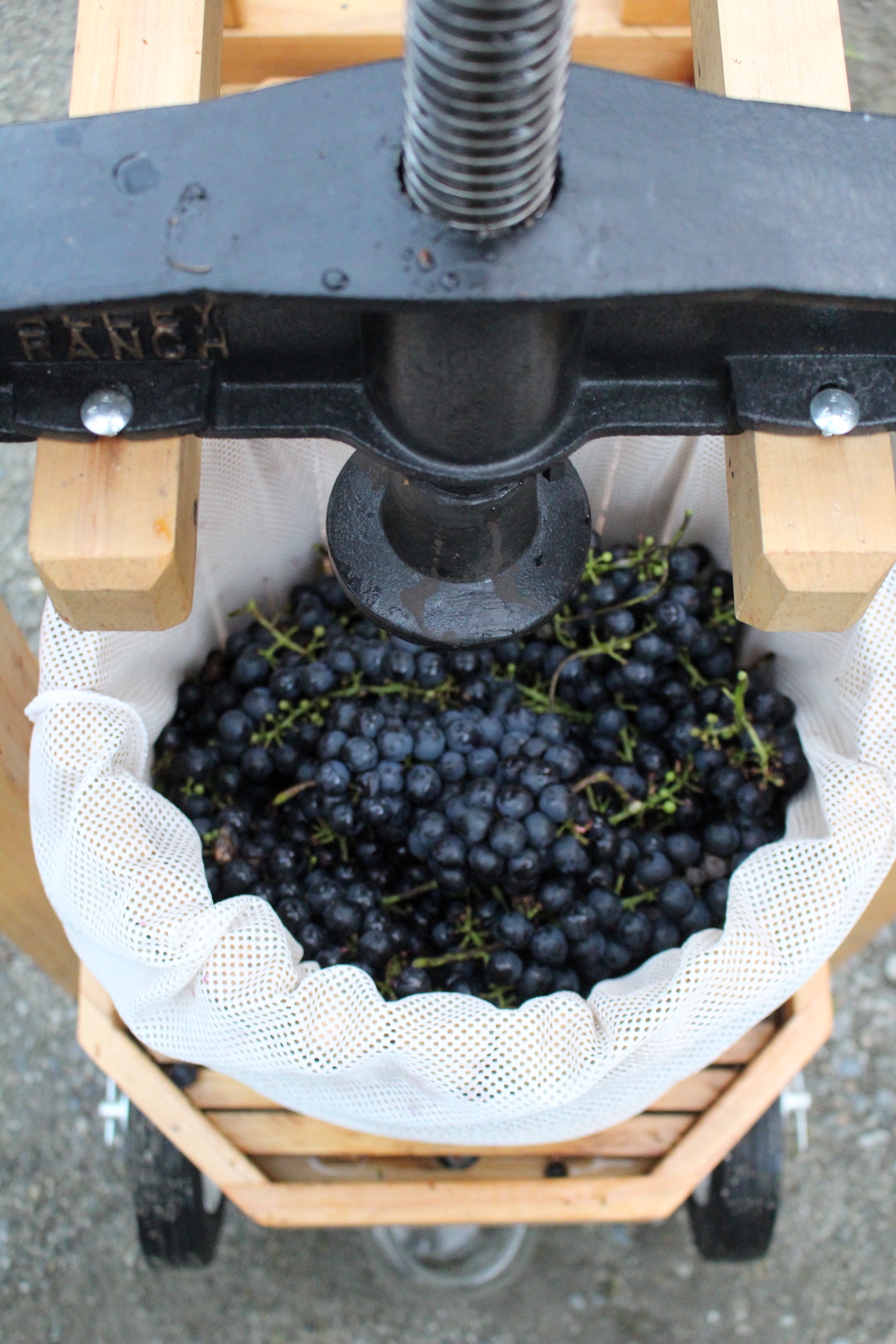
Crushing breaks the grape skins, releasing juice and starting the fermentation process. You can crush grapes by hand or use a small mechanical crusher if you have one. Be gentle to avoid crushing seeds, which can add bitterness.
Pressing extracts more juice from the crushed grapes but should be done carefully. Too much pressure can crush seeds and stems, releasing unwanted tannins. If you’re new to this, try pressing gradually and observe the juice color and taste as you go.
Dealing With Stems And Seeds
Stems can add a green, astringent taste if left in the must. Many winemakers remove them before fermentation, but some keep a small amount for added tannin structure.
Seeds also contribute bitterness if crushed. Try to separate as many seeds as possible before crushing or pressing. If you notice your wine turning bitter, stems and seeds might be the cause—consider adjusting your handling next time.
How much stem inclusion is right for your taste? Experiment with small batches to discover what balance works for you.
Starting The Fermentation Process
Starting the fermentation process is where your grape juice begins its magical transformation into wine. This step requires careful attention to detail because the right conditions will ensure a smooth and successful fermentation. Understanding the essentials here will help you avoid common pitfalls and craft wine that truly reflects your effort and passion.
Choosing The Right Yeast
The yeast you pick will shape the flavor and aroma of your wine more than any other factor. Wine yeast strains vary: some enhance fruity notes, others bring out earthy or spicy tones. You can find specific strains like Lalvin EC-1118 for a clean, crisp finish or Red Star Premier Rouge for rich, robust reds.
Using wild yeast might sound natural, but it can lead to unpredictable results. If you want consistency and control, select a commercial wine yeast. Have you thought about which flavor profile you want your wine to have? That choice will guide your yeast selection.
Setting Up Fermentation Equipment
Proper equipment setup is crucial to keep your wine safe from contamination and oxidation. You’ll need a clean fermentation vessel—glass carboys or food-grade plastic buckets work well. Make sure everything that touches your juice is sanitized to prevent unwanted bacteria from spoiling your batch.
Don’t forget an airlock; it allows carbon dioxide to escape while keeping oxygen and bugs out. I once skipped this step and ended up with vinegar instead of wine—trust me, it’s worth the extra precaution. Think about your workspace too: is it easy to clean and free from strong odors?
Controlling Temperature And Environment
Temperature control can make or break your fermentation. Yeast activity slows down if it’s too cold and speeds up if it’s too hot, which can produce off-flavors. Aim to keep your fermentation between 60°F and 75°F (15°C to 24°C) for most grape wines.
You can use a temperature-controlled room, a fermentation chamber, or even a simple water bath to maintain steady conditions. Have you noticed how subtle changes in temperature affect the taste of your wine? Paying close attention here lets you guide your wine’s character from the very start.
Monitoring And Managing Fermentation
Monitoring and managing fermentation is crucial in making wine at home. This stage transforms grape juice into wine. Careful observation ensures good flavor and prevents spoilage. It requires patience and simple tools. Understanding fermentation helps create better wine each time.
Tracking Sugar Levels
Measuring sugar levels guides the fermentation process. Use a hydrometer to check the sugar content. High sugar means active fermentation. As yeast consumes sugar, the level drops. Regular checks help know when fermentation slows or stops. Record the readings daily for accuracy.
Avoiding Common Fermentation Problems
Fermentation can face issues like stuck or slow fermentation. Temperature control is key. Keep the wine between 65°F and 75°F. Avoid extreme heat or cold. Sanitize all tools to prevent contamination. Watch for off smells or mold growth. These signs need quick action to save the batch.
When To Rack The Wine
Racking means moving wine off the sediment. Do this to clarify the wine and improve taste. Wait until fermentation is nearly done. Usually, when sugar readings stay constant for three days. Use a siphon to transfer wine gently. Avoid disturbing the sediment to keep wine clear.
Aging And Bottling The Wine
Aging and bottling are crucial steps in making wine at home. These stages shape the final taste, aroma, and clarity of your wine. Paying close attention to the details here can turn your homemade grape juice into a truly enjoyable drink.
Selecting Suitable Containers
Choosing the right container for aging wine affects its flavor and quality. Glass carboys are popular because they don’t react with the wine and are easy to clean. Oak barrels, on the other hand, add complex flavors but require more care and investment.
Plastic containers can be used but only food-grade types designed for winemaking. Avoid metals as they can spoil the wine’s taste. Think about how long you want to age your wine; longer aging usually benefits from glass or oak.
Timing The Aging Process
How long should you age your wine? This depends on the grape variety and your taste preference. Some wines improve with a few months of aging, while others need a year or more to develop their full character.
Check your wine regularly for taste and clarity. Have you ever tasted something too early and missed out on better flavors? Don’t rush; patience often pays off with smoother, richer wine.
Bottling And Sealing Techniques
Bottling your wine requires cleanliness and precision to avoid contamination. Use sterilized bottles and tools to keep your wine safe. Filling bottles carefully reduces oxygen exposure, which can spoil the wine.
When sealing, corks are traditional and allow slight air exchange that helps aging. Screw caps are easier and prevent oxygen completely, preserving freshness. Which sealing method suits your wine style and storage conditions?
Credit: practicalselfreliance.com
Tips For Enhancing Wine Flavor
Enhancing the flavor of homemade wine makes the experience more rewarding. Simple techniques can bring depth and complexity to your wine. Experimenting with different methods helps find your favorite taste. Here are some tips to make your wine more flavorful and enjoyable.
Adding Herbs And Spices
Herbs and spices add unique aromas and flavors to wine. Try adding cinnamon sticks, cloves, or star anise during fermentation. Fresh herbs like rosemary or thyme can give a subtle herbal note. Add small amounts to avoid overpowering the wine. Use a muslin bag to contain herbs and spices for easy removal.
Blending Different Grape Varieties
Mixing grape types creates balance and complexity in wine. Combine sweet and tart grapes for a richer flavor. Experiment with proportions to find the best blend. Blending can enhance aroma, color, and mouthfeel. Keep notes of each blend to repeat successful results.
Adjusting Sweetness And Acidity
Balancing sweetness and acidity shapes the wine’s final taste. Add sugar or honey to increase sweetness before fermentation ends. Use lemon juice or tart fruit to raise acidity. Test the wine often to avoid extreme changes. Small adjustments can improve harmony and flavor depth.
Storing And Serving Homemade Wine
Storing and serving your homemade wine properly can dramatically improve its flavor and your overall enjoyment. Even if you’ve put in the effort to craft a great batch, neglecting how you store or serve it might dull its character. Paying attention to storage conditions and presentation brings out the best in your creation.
Ideal Storage Conditions
Your homemade wine needs a cool, dark place to keep its quality intact. Aim for a consistent temperature between 50-60°F (10-15°C). Fluctuations can cause the wine to spoil or develop off-flavors.
Humidity matters too—around 70% is perfect to keep corks from drying out, which prevents air from sneaking in. Avoid storing wine near strong odors; your homemade wine can absorb smells from the environment.
I once stored a batch in a warm garage, and it turned sour quickly. That experience taught me how important temperature control is in wine storage.
Serving Temperature And Glassware
Serving your wine at the right temperature makes a huge difference. Red wines taste best around 60-65°F (15-18°C), while whites and rosés are better chilled at 45-55°F (7-13°C).
Glassware also plays a role. Use a wider bowl glass for reds to allow the wine to breathe and release aromas. For whites, a narrower glass helps maintain the cooler temperature and focuses the delicate scents.
Have you tried serving your homemade wine too cold or too warm? Notice how the flavors shift? Experimenting with temperature can help you discover your wine’s true personality.
Pairing Wine With Food
Matching your wine with the right food enhances both the wine and the meal. Light reds pair well with grilled chicken or pasta with tomato sauce. Richer reds complement steak or hearty stews.
For homemade whites, think about pairing with seafood, salads, or mild cheeses. If you made a sweeter wine, try it with spicy dishes or desserts like fruit tarts.
Next time you serve your wine, ask yourself: what flavors are strongest? Use those as clues to find the perfect food match that will bring out the best in your homemade batch.
Frequently Asked Questions
What Grapes Are Best For Making Wine At Home?
Use wine grape varieties like Concord, Cabernet Sauvignon, or Merlot. These grapes have ideal sugar and acid levels for fermentation.
How Long Does Homemade Wine Fermentation Take?
Fermentation usually takes 1 to 3 weeks. It depends on temperature, yeast, and sugar content in the grapes.
What Equipment Do I Need For Home Winemaking?
Basic equipment includes a fermentation vessel, airlock, hydrometer, siphon, bottles, and sanitizer. These tools ensure clean and controlled winemaking.
Can I Make Wine Without Specialized Yeast?
Yes, natural yeast on grape skins can ferment juice. However, using wine yeast ensures consistent and better-quality wine.
Conclusion
Making wine at home is simple and fun. It’s a rewarding hobby. You can enjoy homemade wine with friends. Plus, it’s cost-effective. You control the ingredients and flavors. This ensures quality and taste. Remember to follow each step carefully. Patience is key in the winemaking process.
Clean equipment is essential for good results. Experiment with different grape varieties. Discover your personal favorite. Share your creations with family. They will surely appreciate your effort. Enjoy the fruits of your labor. Cheers to your homemade wine journey!
Ethan Cole is a kitchen innovation enthusiast and food technology writer at DiningGadgets.com. With over 8 years of experience reviewing cookware, smart kitchen tools, and design trends, he helps readers discover gadgets that make cooking easier and dining more enjoyable. When he’s not testing the latest kitchen appliances, Ethan enjoys experimenting with recipes and sharing practical tips for modern homes.