Wine Making from Juice: Easy Steps to Craft Perfect Wine
Have you ever wondered how simple juice can turn into a rich, flavorful wine right in your own home? Making wine from juice is easier than you might think, and it’s a fun way to create something truly unique.
Whether you want to impress friends or enjoy a new hobby, this guide will show you step-by-step how to transform ordinary juice into delicious wine. Keep reading, and you’ll discover tips and tricks that make the process smooth and rewarding—your first bottle of homemade wine is closer than you think!
Credit: practicalselfreliance.com
Choosing The Right Juice
Choosing the right juice is a key step in making good wine at home. The juice you select affects the flavor, aroma, and quality of your wine. It also influences how well the wine will ferment. Not all juices are the same, so careful selection is important.
Selecting Fruit Juices
Pick juices that come from ripe, fresh fruits. Grapes are the most common choice, but apples, cherries, and berries work well too. The fruit’s taste should be strong and clear. Avoid juices that taste bland or overly sweet.
Choose juices without added sugar or flavors. Pure fruit juice gives the best natural wine taste. Fresh fruit juices help create a richer and more complex wine.
Avoiding Preservatives
Preservatives can stop the fermentation process needed for wine. Common preservatives include sulfites and benzoates. Always check the juice label for these additives. Juices with preservatives may not turn into wine properly.
Look for “preservative-free” or “no additives” on the packaging. Using juice without preservatives ensures the yeast can work well. This leads to better fermentation and a cleaner flavor.
Fresh Vs. Store-bought Juice
Fresh juice from pressed fruit gives the best control over wine quality. It usually has no preservatives or added sugar. However, it can be harder to get and store.
Store-bought juices are easier to find and use. Select those labeled 100% fruit juice with no additives. Avoid juices with extra sugar or artificial ingredients.
Both fresh and store-bought juices can make good wine. The key is choosing pure, natural juice without preservatives or added sugar.
Essential Equipment
Making wine from juice needs some special tools. These tools help turn fresh juice into tasty wine. Having the right equipment keeps the process clean and safe. It also makes sure the wine tastes good. Here are the key tools every beginner needs.
Fermentation Vessels
Fermentation vessels hold the juice while it turns into wine. They come in glass, plastic, or stainless steel. Glass is easy to clean and does not change flavor. Plastic is light and less breakable. Stainless steel is strong but more costly. Choose a vessel with a tight lid to stop air from spoiling the wine.
Airlocks And Stoppers
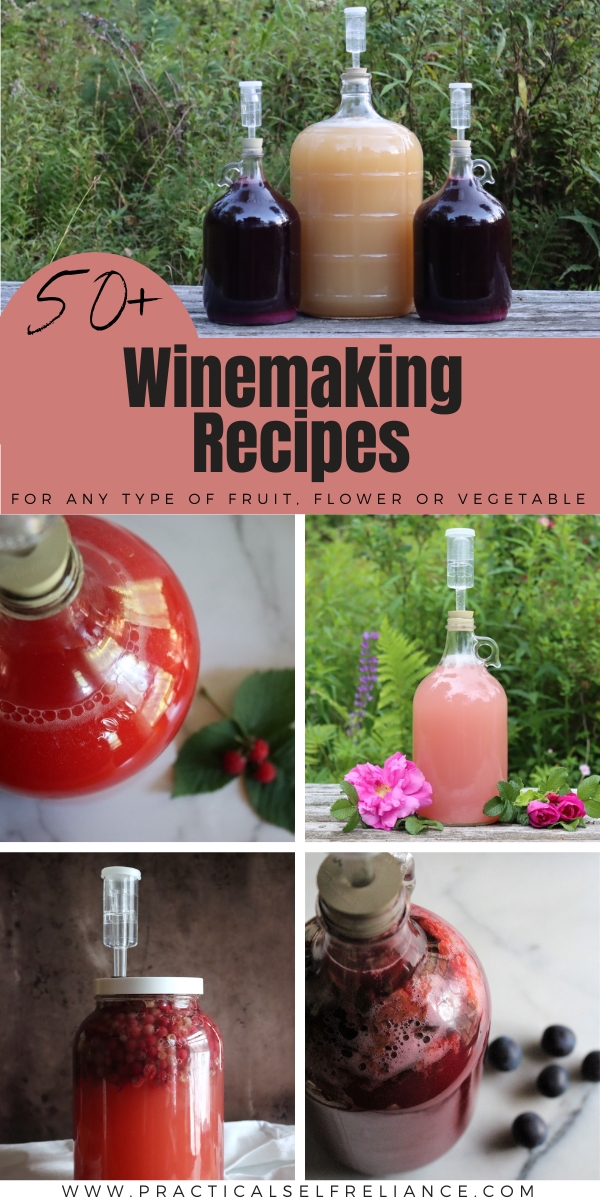
Airlocks let gas escape during fermentation without letting air in. This stops bad bacteria from entering the wine. Stoppers fit into the vessel opening to hold the airlock. They keep the wine safe while it ferments. Using the right airlock and stopper is very important for good wine.
Sanitizing Tools
Clean tools make sure no germs ruin the wine. Sanitizing tools remove dirt and bacteria. Use a food-safe sanitizer on all equipment before use. This includes vessels, spoons, and bottles. Proper cleaning helps the wine ferment well and taste better.
Preparing The Juice
Preparing the juice is a crucial stage in winemaking that sets the foundation for the flavor, balance, and quality of your final wine. This step involves fine-tuning the juice’s natural components to create an ideal environment for fermentation. Paying close attention to sugar, acidity, and nutrients will help you control the fermentation process and enhance the wine’s character.
Adjusting Sugar Levels
Sugar is the fuel for yeast fermentation, so getting the right amount is essential. Too little sugar will result in a weak wine with low alcohol, while too much can stall fermentation or create an overly sweet product. You can measure sugar levels using a hydrometer or refractometer, aiming for a specific gravity that matches your desired alcohol content.
Adding sugar, often in the form of cane sugar or grape concentrate, can boost alcohol levels if the juice is naturally low in sugar. But be cautious—not all sugar is created equal, and adding too much at once can shock the yeast. Have you ever thought about how small changes in sugar can transform the taste and texture of your wine?
Balancing Acidity
Acidity gives wine its crispness and prevents it from tasting flat. The main acids in juice are tartaric, malic, and citric acids, and their levels vary depending on the fruit and harvest time. Testing acidity with a pH meter or titration kit helps you understand whether you need to raise or lower the acid content.
If acidity is too low, add tartaric acid gradually to brighten the flavor. If it’s too high, you can reduce sharpness by adding calcium carbonate or blending with less acidic juice. Getting acidity right can be tricky—have you noticed how it influences the freshness and balance of your wine?
Adding Nutrients And Yeast
Yeast needs nutrients to thrive and complete fermentation smoothly. Juice often lacks enough nitrogen, vitamins, and minerals, so adding yeast nutrients supports healthy fermentation and prevents off-flavors. Nutrient blends are available in powder form and should be mixed in according to the manufacturer’s instructions.
Choosing the right yeast strain is just as important. Different yeasts bring out unique aromas and flavors. I once used a yeast that enhanced fruity notes in my wine, making it more vibrant than I expected. What flavor profile do you want your wine to have?
Credit: practicalselfreliance.com
Primary Fermentation
Primary fermentation is the heart of wine making from juice. This stage transforms grape sugars into alcohol and carbon dioxide through the action of yeast. Managing this process carefully determines the wine’s flavor, aroma, and texture.
Choosing Yeast Strains
The type of yeast you select sets the tone for your wine’s character. Different yeast strains can enhance fruity, spicy, or earthy notes. You might try a strain like Saccharomyces cerevisiae for a clean, classic taste or select a wild yeast to add complexity.
Think about the grape variety and desired flavor profile before choosing. Some yeasts handle high sugar levels better, while others tolerate alcohol more effectively. Have you experimented with blending yeast strains to create unique blends?
Maintaining Ideal Temperature
Temperature control during primary fermentation is crucial. Yeast activity peaks between 65°F and 75°F (18°C to 24°C), but slight adjustments can influence flavor development.
Too warm, and you risk off-flavors or stalled fermentation; too cool, and the process slows dramatically. Using a temperature-controlled fermenter or a cool water bath can help keep things steady. What’s your approach to balancing temperature without expensive equipment?
Monitoring Fermentation Progress
Keeping an eye on fermentation progress helps you know when to move to the next step. You can use a hydrometer to measure specific gravity, which indicates sugar levels dropping as yeast converts sugar to alcohol.
Look for bubbling activity and sediment buildup as additional signs. Daily checks allow you to catch problems early, such as stuck fermentation or contamination. How often do you check your fermenting wine, and what signs do you rely on the most?
Racking And Secondary Fermentation
Racking and secondary fermentation are crucial stages in wine making from juice. These steps improve the wine’s clarity, flavor, and stability by carefully separating it from sediment and allowing further fermentation. Managing this process well can transform your homemade wine from ordinary to impressive.
Transferring Wine
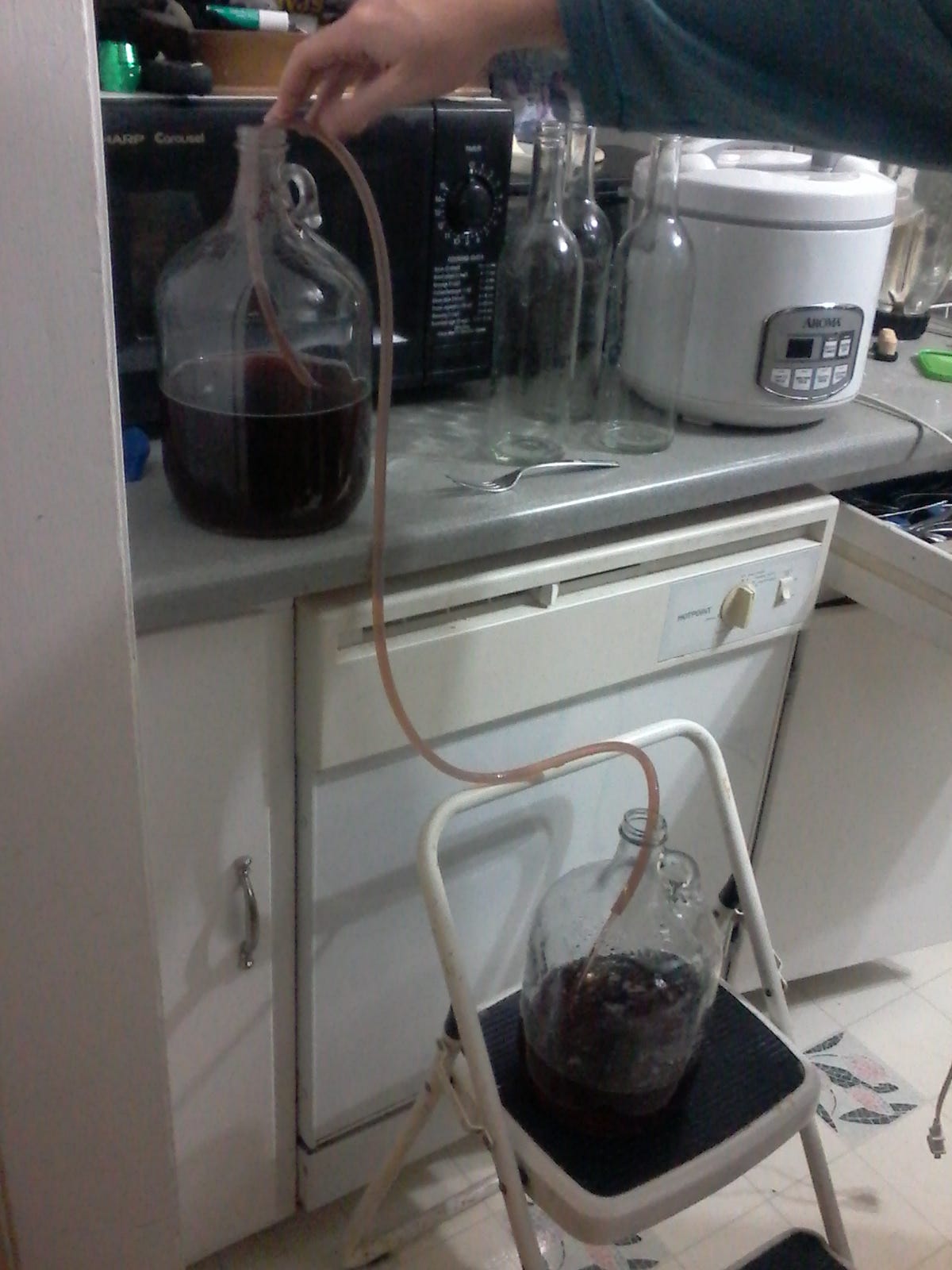
Transferring wine, or racking, means moving your wine from one container to another without disturbing the sediment at the bottom. Use a siphon tube to gently draw the wine off the sediment layer. This keeps unwanted particles out of your next fermentation stage and helps avoid off-flavors.
When I first started, I didn’t rack carefully, and my wine ended up cloudy and bitter. After paying attention to a slow, steady transfer, the difference in taste and appearance was clear. Do you have a clean, sanitized setup ready? That’s essential to avoid contamination during this step.
Reducing Sediment
Sediment includes dead yeast cells, grape solids, and other particles that settle during fermentation. If you leave too much sediment in your wine, it can cause off-flavors and cloudiness. Racking helps reduce sediment but expect to repeat this process several times for best results.
Patience is key here. Each time you rack, more sediment is left behind. This gradual clearing improves the wine’s taste and texture. Are you prepared to watch your wine slowly clear over weeks or months? It’s a slow process, but worth the wait.
Clearing And Maturing
Secondary fermentation happens after racking and allows the wine to mature and develop complex flavors. It also helps any remaining sediment settle at the bottom. During this phase, keep your wine in a cool, dark place with a stable temperature.
Some winemakers add fining agents to speed up clearing, but natural settling works well if you have the time. I’ve found that wines left to mature for several months after secondary fermentation taste smoother and more balanced. How long will you let your wine rest before tasting?
Bottling Your Wine
Bottling your wine is the moment when all your hard work turns into a product you can share and enjoy. This stage requires care and attention to maintain the wine’s quality and flavor. Paying close attention to details during bottling will help you avoid common pitfalls like oxidation or contamination.
Selecting Bottles And Corks
Choosing the right bottles sets the foundation for your wine’s preservation. Glass bottles come in various shapes and colors, but dark green or amber bottles protect wine better from light damage. Consider the bottle size too; standard 750ml bottles are most common, but smaller or larger sizes can be fun for special occasions.
Corks play a crucial role in sealing your wine and allowing it to age properly. Natural corks are traditional and breathe well, but synthetic corks and screw caps offer consistency and fewer risks of cork taint. Think about how long you want to store your wine when making your choice.
Sanitizing Bottling Equipment
Cleanliness can’t be overstated in winemaking. Every bottle, cork, and piece of equipment must be thoroughly sanitized to prevent spoilage. Use a no-rinse sanitizer or a solution of potassium metabisulfite and citric acid for effective sterilization.
Don’t rush this step—contaminated equipment can ruin months of work in a matter of days. A friend once skipped sanitizing one bottle and ended up with a spoiled batch. That experience highlighted just how critical this step really is.
Sealing And Labeling
Sealing your bottles tightly prevents air from entering and spoiling your wine. Use a corker to insert corks evenly and firmly. If you opt for screw caps, ensure they are screwed on securely without cracking the bottle’s neck.
Labeling adds a personal touch and helps you keep track of different batches. Include important details like the vintage year, grape variety, and any special notes about the batch. You might want to experiment with creative designs, but clarity is key—can you easily read your label when you pick up the bottle?
Aging And Storage
Aging and storing your homemade wine properly can make a huge difference in its flavor and quality. The right environment helps the wine mature gracefully, while poor conditions can spoil your hard work. Understanding how to control these factors lets you enjoy a better-tasting wine every time.
Optimal Conditions
Temperature control is crucial. Aim to keep your wine in a cool, dark place with a steady temperature around 55°F (13°C). Fluctuations can cause the wine to expand and contract, which may let in air and spoil the wine.
Humidity also matters. Around 70% humidity prevents corks from drying out, which keeps the seal tight. Too dry, and the cork shrinks; too wet, and mold can develop.
Light exposure should be minimal because UV rays break down delicate compounds in the wine. A basement or wine cellar often provides the best setting for these conditions.
Aging Timeframes
Different wines need different aging times to reach their peak. White wines usually mature faster, often ready within 6 months to a year. Reds can take from 1 to 3 years or more to develop complex flavors.
Don’t rush the process. I once bottled a red wine after six months of aging, only to find it harsh and unbalanced. Waiting an extra year transformed it into something smooth and enjoyable.
Keep notes on each batch’s aging time. This helps you track what works best for your recipes and personal taste.
Tasting For Readiness
Regular tasting helps you decide when your wine is ready. Use a clean glass and pour a small sample. Notice the aroma first—does it smell fresh and inviting, or sharp and off?
Next, taste it slowly. Look for balance between sweetness, acidity, and tannins. If the flavors seem harsh or unfinished, it probably needs more time.
Trust your palate. If you enjoy the taste and smell, your wine is ready to be shared. Remember, aging wine is as much about personal preference as it is about science.
Troubleshooting Common Issues
Troubleshooting common issues in wine making from juice can save your batch and improve your skills. Knowing what to look for and how to fix problems quickly helps you avoid wasted ingredients and disappointment. Let’s examine some typical challenges you might face and how to handle them effectively.
Off-flavors And Odors
Off-flavors and strange smells can ruin the joy of tasting your homemade wine. These issues often come from contamination, poor sanitation, or incorrect fermentation temperatures.
To prevent this, always sanitize your equipment thoroughly before use. Keep your fermentation area clean and maintain the temperature within the recommended range (usually 65-75°F or 18-24°C). If you detect a smell like rotten eggs, it may indicate hydrogen sulfide; gently stirring the wine or adding a small amount of copper can help remove it.
Have you ever opened a bottle and wondered why it smells like vinegar or wet cardboard? These off-odors might point to bacterial infection or oxidation. Using fresh juice and minimizing air exposure can reduce these risks.
Stuck Fermentation
A stuck fermentation happens when the yeast stops converting sugar into alcohol before the process is complete. This can leave your wine too sweet or weak.
Common causes include low yeast health, insufficient nutrients, or temperatures that are too low or too high. To fix this, try gently warming your fermenter to around 70°F (21°C) and add yeast nutrients to support the yeast.
If the yeast has died off, re-pitching with a fresh, active yeast strain can restart fermentation. Always check your gravity readings regularly to catch a stuck fermentation early before it becomes a bigger problem.
Cloudiness And Sediment
Cloudy wine or excessive sediment can be off-putting, though it doesn’t always mean the wine is bad. Cloudiness often results from suspended yeast, proteins, or pectin.
Allowing your wine to age and settle for a few weeks can clear most haze naturally. Cold crashing, or chilling the wine, helps particles settle faster.
Racking the wine off the sediment carefully into a clean container improves clarity. Adding fining agents like bentonite clay can remove proteins that cause haze, but use them sparingly to avoid stripping flavor.
Credit: medium.com
Frequently Asked Questions
What Is The Basic Process Of Wine Making From Juice?
Wine making from juice involves fermenting fruit juice, usually grape, with yeast. The yeast converts sugars into alcohol and carbon dioxide. This process typically takes one to two weeks. After fermentation, the wine is clarified, aged, and bottled for consumption.
Can Any Fruit Juice Be Used For Making Wine?
Yes, many fruit juices can be used to make wine. Common choices include grape, apple, cherry, and berry juices. Each fruit imparts unique flavors and aromas. However, juice with high sugar content and low preservatives works best for fermentation.
How Long Does Homemade Wine Take To Ferment?
Homemade wine usually ferments within 7 to 14 days. The exact time depends on temperature, yeast strain, and sugar content. Warmer temperatures speed up fermentation but may affect flavor. Monitoring fermentation is important to ensure quality and avoid spoilage.
What Equipment Is Needed For Wine Making From Juice?
Basic equipment includes a fermentation vessel, airlock, siphon, bottles, and sanitizer. A hydrometer helps measure sugar levels. Cleanliness is crucial to prevent contamination. Starter yeast and nutrient additives may also be required for optimal fermentation.
Conclusion
Crafting wine from juice is a delightful journey. It’s simple and fun. You only need a few ingredients. Patience is key to perfect flavor. With practice, results improve over time. Home wine-making can be a rewarding hobby. Experiment with flavors and find your favorite.
Enjoy the process and share with friends. They’ll appreciate your effort and creativity. Remember, making wine connects you to traditions. It’s a skill passed through generations. Start today and savor the experience. Cheers to your homemade wine adventures!
Ethan Cole is a kitchen innovation enthusiast and food technology writer at DiningGadgets.com. With over 8 years of experience reviewing cookware, smart kitchen tools, and design trends, he helps readers discover gadgets that make cooking easier and dining more enjoyable. When he’s not testing the latest kitchen appliances, Ethan enjoys experimenting with recipes and sharing practical tips for modern homes.