Making Wine from Grape Juice: Easy Steps for Perfect Homemade Wine
Have you ever wondered how to turn simple grape juice into your own homemade wine? Making wine from grape juice is easier than you might think, and it’s a rewarding experience you can enjoy right at home.
Imagine savoring a glass of wine crafted by your own hands, tailored exactly to your taste. You’ll discover step-by-step how to transform ordinary grape juice into a delicious, smooth wine. Ready to impress your friends and enjoy a unique hobby?
Keep reading, because your winemaking adventure starts here.
Credit: practicalselfreliance.com
Choosing The Right Grape Juice
Choosing the right grape juice is a crucial first step in making wine that tastes great and ferments properly. The juice you pick sets the foundation for flavor, aroma, and overall quality. Paying attention to the type, quality, and additives in your grape juice can save you from common pitfalls that beginner winemakers often face.
Types Of Grape Juice
Not all grape juices are created equal for winemaking. You can select from fresh-pressed, pasteurized, or concentrate forms. Fresh-pressed juice offers the purest flavor but can be harder to find and more expensive.
Pasteurized juice is widely available and safer to use, but some subtle flavors might be lost during heating. Concentrates are convenient and shelf-stable, but watch out for added sugars or artificial flavors.
- Fresh-pressed juice: Best flavor, less shelf life
- Pasteurized juice: Safe and common
- Concentrate: Convenient but check ingredients
Quality Indicators
Look for clear, vibrant juice without cloudiness or sediment, which could signal spoilage or poor handling. The aroma should be fresh and fruity, not sour or off-putting. Checking the label for a recent packaging date helps ensure freshness, which impacts fermentation.
Ask yourself: does the juice smell and look appealing enough for a glass on its own? If yes, it’s likely good for winemaking too.
Avoiding Preservatives
Preservatives like potassium sorbate or sodium benzoate can stop fermentation by killing yeast. Read labels carefully to avoid juices containing these additives if you want a successful fermentation process. Organic or preservative-free juices are often the best bet.
Sometimes, juices labeled as “100% grape juice” still contain preservatives, so double-checking is worth the effort. Your yeast needs a friendly environment to work its magic—don’t let preservatives get in the way.
Credit: practicalselfreliance.com
Essential Equipment
Making wine from grape juice requires more than just fresh juice and patience. The right equipment ensures your wine ferments properly and stays free from contamination. Investing in essential tools can make a big difference in the quality and taste of your homemade wine.
Fermentation Containers
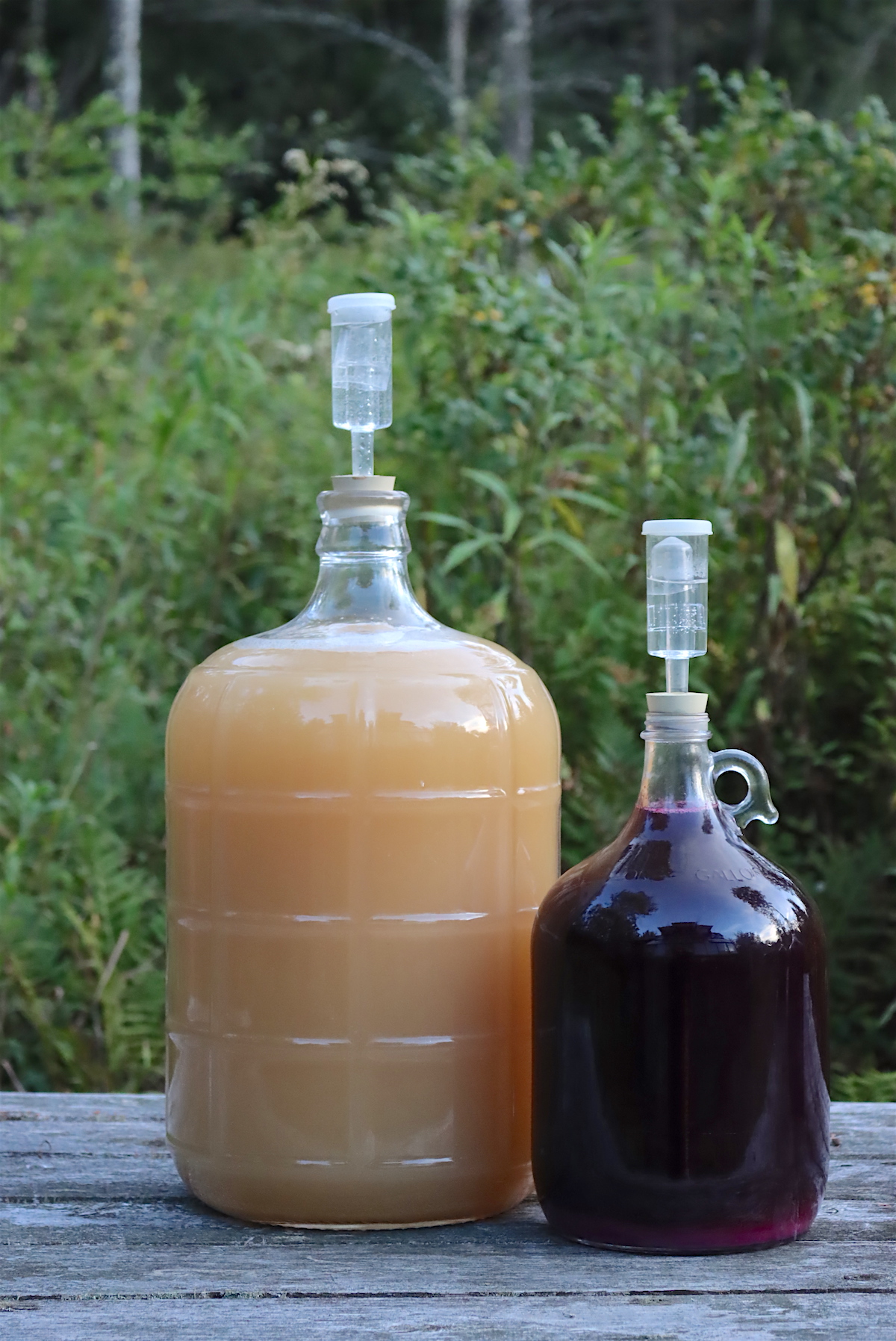
Choosing the right fermentation container is crucial. Glass carboys are popular because they don’t react with the wine and are easy to clean. Plastic fermenters are lighter and less prone to breaking, but make sure they are food-grade and free from scratches.
Have you considered how the size of your container affects fermentation? Smaller batches ferment faster, while larger ones might develop deeper flavors over time. Pick a size that fits your space and wine goals.
Airlocks And Stoppers
Airlocks play a key role in preventing oxygen and unwanted bacteria from spoiling your wine. They allow carbon dioxide to escape while keeping the environment sealed. Stoppers are equally important to create an airtight seal on your fermentation container.
Using the right airlock type, such as a three-piece or S-shaped airlock, can influence how easy it is to monitor fermentation. Have you tried different airlocks to see which works best for you?
Sanitizing Tools
Sanitation is non-negotiable in winemaking. Any leftover bacteria or wild yeast can ruin your batch. Use sanitizing solutions specifically designed for brewing to clean every tool and container before use.
Simple mistakes like skipping this step can cost you weeks of effort and ingredients. Do you have a reliable sanitizing routine that guarantees your equipment is spotless every time?
Preparing The Juice
Preparing the juice is a key part of making wine from grape juice. This step sets the base for good fermentation and a tasty wine. Careful adjustments help the yeast work well and bring out the best flavors in the juice. Small changes now make a big difference later.
Adjusting Sugar Levels
Sugar feeds the yeast during fermentation. The right amount of sugar controls the wine’s strength and taste. Test the juice with a hydrometer to measure sugar content. If too low, add cane sugar or grape concentrate. Mix well to dissolve sugar completely. Avoid too much sugar. It can stop yeast or make wine too sweet.
Balancing Acidity
Acidity affects wine’s flavor and stability. Grapes naturally have acids like tartaric and malic acid. Test the juice with a pH meter or acid test kit. If acidity is low, add tartaric acid carefully. High acidity can be balanced with a small amount of baking soda. Keep acidity balanced for fresh, crisp wine that lasts longer.
Adding Yeast Nutrients
Yeast needs nutrients to grow and ferment well. Grape juice may lack some essential nutrients. Add yeast nutrient powders or tablets to the juice. These provide nitrogen, vitamins, and minerals. Stir gently but thoroughly to mix nutrients in. Healthy yeast makes smooth, clean wine and prevents stuck fermentation.
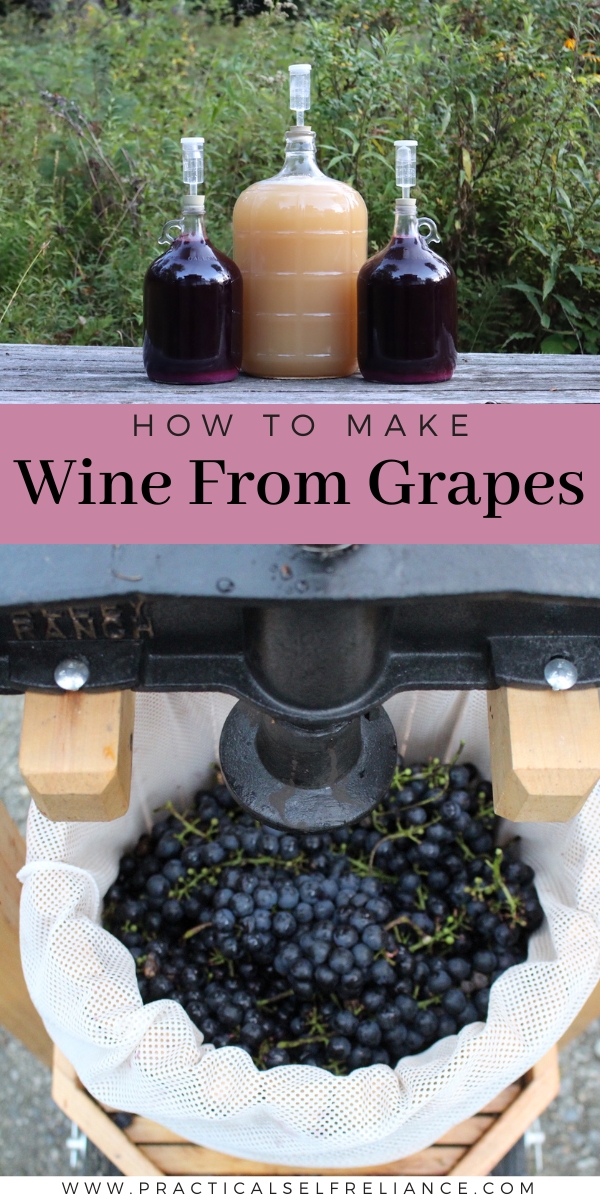
Credit: practicalselfreliance.com
Selecting And Adding Yeast
Selecting and adding yeast is a crucial step in making wine from grape juice. Yeast transforms the sugars into alcohol, shaping the flavor and aroma of your wine. Choosing the right yeast and handling it properly can make a noticeable difference in your final product.
Choosing The Right Yeast Strain
Different yeast strains bring unique characteristics to wine. Some enhance fruity notes, while others emphasize earthy or spicy tones. If you want a sweeter wine, pick a yeast that tolerates lower alcohol levels. For a dry, robust wine, choose strains with higher alcohol tolerance.
Think about the style of wine you enjoy. Do you prefer a fresh, light taste or something richer and fuller? Your yeast choice should reflect that preference.
Rehydrating Yeast
Dry yeast needs rehydration before adding it to the juice. This step wakes the yeast gently, ensuring better fermentation. Use warm (not hot) water around 95°F (35°C) to rehydrate.
Sprinkle the yeast over the water, stir gently, and wait 15 minutes. Avoid using sugary liquids during rehydration, as they can stress or kill the yeast cells. Have you noticed how skipping this step sometimes causes sluggish fermentation?
Inoculating The Juice
After rehydration, add the yeast mixture to your grape juice. Pour it slowly and stir gently to mix. Oxygen helps yeast start working, but after this phase, limit oxygen exposure to avoid spoilage.
Keep the juice at the right temperature, usually between 60-75°F (15-24°C), to support yeast activity. Watch for bubbles and foam—signs that fermentation is underway. How often do you check on your fermenting wine to catch these early signals?
Fermentation Process
The fermentation process is the heart of turning grape juice into wine. This stage involves yeast converting the sugars in the juice into alcohol and carbon dioxide. Understanding how to control and monitor fermentation can make the difference between a bland wine and one full of character.
Ideal Temperature Range
Maintaining the right temperature during fermentation is crucial. Yeast works best between 60°F and 75°F (15°C to 24°C). If the temperature drops too low, fermentation slows down or stops. If it gets too high, the yeast can die or produce off-flavors.
In my experience, keeping the fermenter in a cool basement or using a temperature-controlled environment helps keep the process steady. Do you have a cool spot in your home where you can keep the juice steady? That small detail can save you from many headaches.
Monitoring Fermentation Activity
You can tell fermentation is active by the bubbling of carbon dioxide or foam forming on the surface. But relying solely on visual signs can be misleading. Using a hydrometer to measure specific gravity gives you precise insight into sugar levels.
Track the gravity every couple of days. When the readings stop dropping, fermentation is likely complete. This simple step helped me avoid bottling too early, which can cause bottles to explode or wine to be overly sweet.
Dealing With Common Issues
Sometimes fermentation stalls or produces off smells. If fermentation stops early, gently stirring the juice or adding a little yeast nutrient can revive activity. Remember, yeast needs nutrients, just like any living thing.
If you detect unpleasant odors like rotten eggs, it might be due to sulfur compounds. Aerating the wine by gently stirring or pumping air through it can help release these smells. Have you ever faced a stuck fermentation? Small adjustments often fix it without starting over.
Racking And Clarifying
Racking and clarifying are key steps in making wine from grape juice. These processes help improve wine clarity and taste. Removing unwanted solids and impurities makes the wine look better and taste smoother. Good racking and clarifying reduce off-flavors and prepare the wine for aging or bottling.
Transferring Wine
Transferring wine, or racking, means moving it from one container to another. This step separates wine from sediment at the bottom. Use a clean siphon tube to avoid contamination. Gently transfer the liquid without disturbing the sediment. Repeat racking every few weeks to keep the wine clear.
Removing Sediment
Sediment forms from dead yeast and grape particles. Leaving sediment in the wine can cause bad flavors. Let the wine sit still to let sediment settle. Carefully pour or siphon the clear wine, leaving sediment behind. Removing sediment helps the wine become bright and clean.
Using Fining Agents
Fining agents help clear wine by binding unwanted particles. Common agents include bentonite, egg whites, and gelatin. Add the fining agent as the instructions say. Stir gently to mix well. After a few days, solids settle and can be racked off. Fining makes wine clearer and improves taste.
Aging Your Wine
Aging your wine is a crucial step that shapes its flavor, aroma, and overall character. It’s where the raw grape juice transforms into a refined beverage with depth and complexity. Understanding how to age your wine properly can make the difference between a forgettable batch and one you’ll want to share again and again.
Choosing Containers
The type of container you select for aging greatly affects your wine’s final taste. Oak barrels add rich, woody flavors and allow small amounts of oxygen to interact with the wine, softening its tannins. On the other hand, stainless steel or glass containers keep the wine’s pure fruit characteristics intact without adding extra flavors.
If you’re new to aging, try starting with glass carboys or food-grade plastic containers for easier handling and cleaning. Experienced winemakers often prefer oak barrels for the complexity they bring, but those barrels require more maintenance. Think about the flavor profile you want before picking your container.
Optimal Aging Time
How long you let your wine age depends on the type and style. Lighter wines may only need a few months to mellow out, while robust reds often benefit from aging a year or longer. Pay attention to how the flavors develop—taste your wine regularly to decide when it’s just right.
Patience is key here, but don’t let your wine sit indefinitely. Over-aging can cause loss of freshness and lead to unpleasant flavors. Ask yourself: does your wine taste balanced and smooth, or is it still harsh and young?
Storage Conditions
Proper storage conditions are essential to protect your wine during aging. Keep your wine in a cool, dark place with a steady temperature between 55°F and 65°F (13°C to 18°C). Avoid fluctuations, as heat or cold shocks can spoil your batch.
Humidity should be around 60-70% to prevent corks from drying out, which lets air in and causes oxidation. Also, store bottles horizontally to keep the cork moist and tight. Have you checked your storage space’s temperature and humidity lately?
Bottling And Sealing
Bottling and sealing are crucial steps in making wine from grape juice. Proper bottling preserves the wine’s flavor and prevents spoilage. Sealing protects the wine from air and bacteria. Taking care during these steps ensures your wine stays fresh and tastes great for a long time.
Sanitizing Bottles
Clean bottles prevent contamination and off-flavors. Use a bottle brush with warm water and mild soap. Rinse bottles thoroughly to remove soap residue. Soak bottles in a sanitizing solution like potassium metabisulfite. Allow bottles to air dry on a clean surface. Never skip sanitizing; it keeps your wine safe.
Filling Techniques
Fill bottles slowly to avoid splashing and oxidation. Use a siphon or funnel designed for winemaking. Leave about one inch of space at the top. This space helps with expansion and sealing. Avoid overfilling; it can cause leakage. Fill each bottle evenly for consistent quality.
Corking And Sealing
Use fresh corks for a tight seal. Soak corks in clean water briefly before use. Insert corks gently using a corker tool. Press firmly to avoid air pockets. Check each cork to ensure it fits snugly. Store sealed bottles horizontally to keep corks moist. Proper sealing keeps wine fresh and flavorful.
Tasting And Enjoying
Tasting and enjoying your homemade wine is the most rewarding part of the process. It allows you to appreciate all the effort put into making the wine. Savoring each sip helps you understand the flavors and aromas developed over time. Proper tasting also guides you in deciding the best time to drink your wine. Below are key tips to enhance your tasting experience.
When To Taste
Start tasting your wine after the primary fermentation ends. This usually takes about one to two weeks. Check the taste regularly as the wine ages. This helps track changes in flavor and aroma. Avoid tasting too early, as the wine may still be harsh. Patience helps develop smoother and richer flavors. Stop tasting once the wine reaches the desired taste. Then, move on to bottling and storing for future enjoyment.
Serving Tips
- Serve wine at the right temperature: cool for white, room temperature for red.
- Use clean, clear glasses to see the wine’s color.
- Pour a small amount to swirl and release aromas.
- Let the wine breathe for a few minutes before drinking.
- Avoid strong odors nearby to keep the tasting pure.
Pairing With Food
Pair your homemade wine with simple meals to enhance flavors. Light white wines go well with salads and fish. Rich red wines match nicely with grilled meats and cheese. Sweet wines complement desserts or spicy dishes. Experiment with different foods to find your favorite match. Pairing makes your wine drinking more enjoyable and balanced.
Frequently Asked Questions
How Long Does It Take To Make Wine From Grape Juice?
Making wine from grape juice typically takes 4 to 6 weeks. This includes fermentation, settling, and aging. The exact time varies based on temperature and yeast activity. Proper patience ensures better flavor development and clarity in the final wine product.
What Equipment Is Needed To Make Wine From Grape Juice?
Basic equipment includes a fermenter, airlock, siphon, bottles, and sanitizer. You also need yeast, sugar, and grape juice. Optional items like hydrometers help measure sugar levels. Proper tools ensure clean, efficient fermentation and quality wine.
Can I Use Store-bought Grape Juice For Winemaking?
Yes, store-bought grape juice can be used if it has no preservatives. Avoid juice with potassium sorbate or sodium benzoate. These preservatives inhibit yeast fermentation, preventing the wine from properly fermenting and aging.
What Yeast Is Best For Fermenting Grape Juice Into Wine?
Wine yeast strains like Saccharomyces cerevisiae are best for fermentation. They convert sugars into alcohol efficiently. Different strains affect flavor and aroma. Using specialized wine yeast ensures consistent fermentation and enhances wine quality.
Conclusion
Crafting wine from grape juice is a fun journey. It’s simple and rewarding. You only need a few ingredients and patience. Watch as your grape juice transforms into delightful wine. Share your homemade wine with friends and family. They will enjoy the unique taste.
Remember, practice makes perfect. Each batch gets better. Experiment with different grape juices. Each will offer a new flavor. So, enjoy the process and the results. Make memories with each sip. Cheers to your winemaking adventure!
Ethan Cole is a kitchen innovation enthusiast and food technology writer at DiningGadgets.com. With over 8 years of experience reviewing cookware, smart kitchen tools, and design trends, he helps readers discover gadgets that make cooking easier and dining more enjoyable. When he’s not testing the latest kitchen appliances, Ethan enjoys experimenting with recipes and sharing practical tips for modern homes.