Making Vinegar from Wine: Easy Steps for Homemade Perfection
Have you ever wondered what to do with leftover wine that’s just a little too old to enjoy? Instead of tossing it out, you can turn it into something amazing—your very own vinegar.
Making vinegar from wine is easier than you might think, and it opens up a world of flavors for your kitchen. Whether you want to add a tangy twist to your salads or create unique marinades, this simple process can transform your wine into a versatile ingredient.
Keep reading, and you’ll discover step-by-step how to make your own wine vinegar right at home. Your taste buds—and your wallet—will thank you!
Choosing The Right Wine
Choosing the right wine is a crucial step when making vinegar from wine. The wine you select will directly influence the flavor, aroma, and quality of your vinegar. Understanding which wines work best and what factors affect the final taste can help you create vinegar that suits your preferences perfectly.
Types Of Wine Suitable For Vinegar
Not all wines are created equal when it comes to turning them into vinegar. Dry wines often make the best vinegar because they contain less sugar, which means the acetic acid bacteria can convert alcohol into vinegar more efficiently.
- Red wines:Varieties like Merlot, Cabernet Sauvignon, and Pinot Noir produce rich, robust vinegar with deep flavors.
- White wines:Wines such as Chardonnay, Sauvignon Blanc, and Pinot Grigio create lighter, crisper vinegar with subtle fruity notes.
- Fortified wines:Wines like sherry or port can be used but may need dilution due to higher alcohol content.
If you have a bottle of inexpensive wine that’s past its prime for drinking, it might be perfect for vinegar-making. Have you ever tried using leftover wine for vinegar? It’s a great way to reduce waste and create something useful.
Factors Affecting Vinegar Flavor
The flavor of your vinegar depends on more than just the type of wine. Pay attention to acidity, alcohol content, and residual sugar, as these all play key roles.
- Acidity:Wines with higher acidity often produce sharper, more vibrant vinegar.
- Alcohol level:Aim for wines with 10-12% alcohol; too low won’t ferment well, too high may kill the bacteria.
- Residual sugars:Excess sugar can lead to a sweeter vinegar, but too much might slow down the fermentation.
Think about the flavor profile you want in your vinegar. Do you prefer something tangy and bright, or mellow and smooth? Your choice of wine can help you achieve that.

Credit: holybasil.wordpress.com
Essential Equipment
Making vinegar from wine needs specific tools to get the best results. Choosing the right equipment helps control the fermentation well. It also keeps the process clean and safe. Here are the main tools required for making vinegar from wine.
Containers And Fermentation Vessels
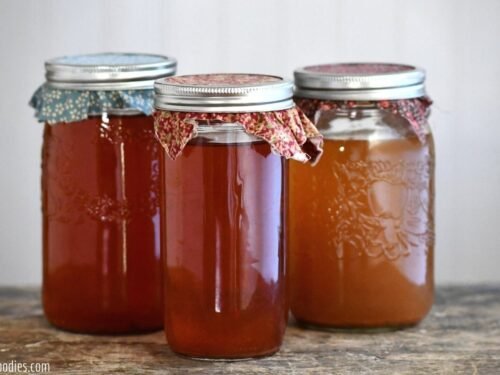
Select containers that hold the wine during fermentation. Glass or food-grade plastic containers work best. They do not react with the acid in vinegar.
Wide-mouth vessels allow better air flow, which vinegar bacteria need. Avoid metal containers as they can rust and spoil the vinegar. Use containers with lids or breathable covers to keep out dust.
- Glass jars or carboys
- Food-grade plastic buckets
- Wide-mouth vessels for oxygen exposure
- Breathable covers like cloth or mesh
Tools For Monitoring And Stirring
Monitoring the fermentation is important to check progress. Use a hydrometer to measure specific gravity. This shows how much sugar is left in the wine. A thermometer helps keep the temperature in the ideal range.
Stirring the mixture gently allows oxygen to reach bacteria. Use a clean spoon or paddle made of glass, plastic, or stainless steel. Avoid metal tools that can react with vinegar.
- Hydrometer for sugar measurement
- Thermometer for temperature control
- Clean stirring spoons or paddles
- Sanitizing supplies to keep tools clean
Preparing The Wine
Preparing the wine properly is key to making good vinegar. It sets the stage for the transformation by creating the right environment for the beneficial bacteria to thrive. Paying attention to details here will influence the flavor and quality of your final vinegar.
Dilution And Adjustments
Wine often contains a high level of alcohol, which can slow down or stop the vinegar-making process. Diluting the wine with water lowers the alcohol content to around 5-6%, which is ideal for vinegar production.
Use clean, filtered water for dilution to avoid introducing unwanted flavors or contaminants. The ratio usually depends on the strength of your wine, but a good rule of thumb is to mix one part water with two parts wine.
Check the acidity and sweetness of your wine too. If the wine is too sweet, the vinegar might turn out overly sweet or sticky. Adjust by adding a bit more water or mixing in some more acidic wine varieties to balance it out.
Adding The Mother Of Vinegar
The mother of vinegar is a gel-like substance full of acetic acid bacteria that converts alcohol into vinegar. Adding it jumpstarts the fermentation process and ensures your vinegar develops the right taste and character.
You can buy mother of vinegar online or get some from a previous batch. If you don’t have any, raw, unpasteurized vinegar from the store often contains live cultures to start the process.
Make sure your container is wide-mouthed and loosely covered to allow oxygen in, which the bacteria need. Have you ever wondered why some homemade vinegars turn out better than others? Often, it’s because they had a healthy mother working from the start.

Credit: www.reddit.com
Fermentation Process
The fermentation process is the heart of turning wine into vinegar. It’s where the magic happens—the transformation of alcohol into acetic acid through natural bacteria. Understanding this process helps you control the outcome and avoid common pitfalls.
Ideal Temperature And Environment
Maintaining the right temperature is crucial. The best range for vinegar fermentation is between 60°F and 80°F (15°C to 27°C). Temperatures outside this range can slow down the bacteria or even kill them.
Choose a well-ventilated spot with indirect sunlight. Too much light may cause unwanted flavors, while too little can slow fermentation. Also, avoid sealed containers; the bacteria need oxygen to thrive.
Duration And Signs Of Progress
Fermentation usually takes 3 to 6 weeks, but it can vary based on temperature and the type of wine used. You’ll notice a sharp, tangy smell developing—that’s a good sign your vinegar is forming.
Look for a thin, jelly-like film on the surface called the “mother.” This natural bacteria mat is a clear indicator that fermentation is active. If your vinegar smells off or develops mold, it’s best to start over.
Testing And Tasting Vinegar
Testing and tasting vinegar is a key part of making vinegar from wine. It helps ensure the vinegar has the right acidity and flavor. Tasting often helps decide if the vinegar is ready or needs more time. It also guides any adjustments to improve its taste.
Checking Acidity Levels
Acidity is the main quality of vinegar. Use a pH test strip or a vinegar acidity tester. The ideal acidity level for vinegar is around 5%. This level gives a good balance of sharpness and safety for food use. Check the acidity several times during fermentation. This helps track progress and avoid over-fermentation.
Flavor Profile Adjustments
Vinegar flavor depends on the original wine and fermentation process. Taste the vinegar to find out its flavor profile. Notice if it is too strong, sour, or mild. Adjust the flavor by diluting with water or blending with other vinegar. Let it age longer to soften harsh flavors. Small changes can improve aroma and taste significantly.

Credit: tonyfitzgeraldphotography.com
Bottling And Storage
After your wine has fully transformed into vinegar, bottling and storage become the next crucial steps to preserve its flavor and quality. Proper handling here can make the difference between a vinegar that tastes fresh and vibrant or one that loses its character over time. Let’s dive into how you can best choose bottles and store your homemade vinegar.
Choosing Bottles
Pick bottles that are airtight and made from non-reactive materials like glass. Dark-colored glass bottles are ideal because they protect your vinegar from light, which can degrade its flavor.
Make sure the bottles have a tight seal to prevent air from spoiling the vinegar. Corks, screw caps, or rubber stoppers all work well as long as they fit snugly.
Consider the size of the bottle. Smaller bottles are handy if you use vinegar in small amounts, while larger ones are better if you cook with vinegar frequently. What size fits your kitchen habits best?
Proper Storage Conditions
Store your vinegar in a cool, dark place away from direct sunlight and heat sources. A pantry or cupboard with a consistent temperature works well.
Keep the bottles upright to avoid any leakage and minimize the vinegar’s exposure to air. Air exposure can cause the vinegar to oxidize and lose its sharpness.
Check your vinegar occasionally for any changes in smell or appearance. If you spot cloudiness or off smells, it might be time to use it up quickly or discard it.
Creative Uses For Homemade Vinegar
Homemade vinegar from wine offers more than just a tangy addition to your pantry. It opens up a world of creative uses that can brighten your meals and simplify your daily routine. Have you ever thought about how versatile your homemade vinegar can be beyond the kitchen?
Culinary Applications
Your homemade wine vinegar can elevate many dishes with its unique flavor profile. Use it to brighten salad dressings by mixing with olive oil, salt, and a touch of honey for balance.
Try adding a splash to marinades for meats or vegetables to tenderize and add depth. Vinegar also works wonders in sauces and soups, enhancing flavors without overpowering them.
Have you experimented with vinegar in baking? A teaspoon can react with baking soda, creating light, fluffy textures in cakes and muffins.
Household And Beauty Uses
Homemade vinegar is an excellent natural cleaner. Mix it with water to create a safe, effective spray for countertops, glass, and floors that leaves no harsh chemical residue.
It can also help eliminate odors from fabrics and drains. Just pour a bit down your sink to keep it fresh or add to your laundry rinse cycle for softer clothes.
For beauty, vinegar works as a gentle hair rinse, balancing scalp pH and leaving hair shiny. You can dilute it with water and use it as a toner to refresh your skin after cleansing.
Have you tried swapping commercial products for homemade vinegar solutions? It might save you money and reduce exposure to synthetic ingredients.
Troubleshooting Common Issues
Making vinegar from wine is a rewarding process. Sometimes, issues arise that can affect the quality of your vinegar. These problems can be simple to fix with the right tips. Troubleshooting common issues helps ensure your vinegar turns out perfect every time.
Preventing Mold And Contamination
Mold and contamination are common problems in vinegar making. Keep your equipment clean and dry before use. Use a wide container to allow good air circulation. Cover the container with a breathable cloth to stop dust and insects.
Store your vinegar in a cool, dark place. Avoid temperatures above 85°F (29°C) as heat encourages unwanted growth. Check your vinegar daily for mold or strange smells. Remove any moldy parts immediately to prevent spread.
Fixing Off-flavors
Off-flavors can ruin your vinegar’s taste. They often come from poor-quality wine or contamination. Use fresh, good-quality wine for the best vinegar flavor. Avoid using wine with added sulfites or preservatives.
If your vinegar tastes too sharp, dilute it with clean water. For vinegar that tastes musty or sour, try aerating it by stirring gently. Let the vinegar age longer to soften harsh flavors. Proper storage in sealed bottles helps maintain good taste.
Frequently Asked Questions
How Long Does It Take To Make Vinegar From Wine?
Making vinegar from wine typically takes 3 to 6 weeks. The process depends on fermentation conditions and temperature. Warmer temperatures speed up acetification. Regular monitoring ensures quality vinegar formation.
What Type Of Wine Is Best For Vinegar?
Red or white wines with moderate acidity work best for vinegar. Avoid overly sweet or heavily oaked wines. Natural, preservative-free wines produce the best vinegar flavor. Homemade or organic wines are ideal.
Can I Use Leftover Wine To Make Vinegar?
Yes, leftover or spoiled wine can be transformed into vinegar. The fermentation process converts alcohol into acetic acid. This is a great way to reduce waste and create homemade vinegar.
How To Speed Up Vinegar Fermentation From Wine?
To speed vinegar fermentation, keep the wine at 25-30°C (77-86°F). Use a vinegar mother or starter culture. Ensure proper oxygen exposure during fermentation. Stirring occasionally helps oxygenate the mixture and speeds up the process.
Conclusion
Making vinegar from wine is simple and rewarding. Start with leftover wine. Let it ferment naturally. Soon, you’ll have homemade vinegar. It’s fresh and flavorful. A perfect addition to your kitchen. Enjoy it in salads. Or use it for cleaning.
Plus, it’s cost-effective. No need to buy expensive bottles. Making vinegar at home is satisfying. You control the taste. And it’s a fun project. Invite friends to try your creation. They will love it. Embrace this easy process today. Experience the joy of homemade vinegar.
A delightful kitchen staple.
Ethan Cole is a kitchen innovation enthusiast and food technology writer at DiningGadgets.com. With over 8 years of experience reviewing cookware, smart kitchen tools, and design trends, he helps readers discover gadgets that make cooking easier and dining more enjoyable. When he’s not testing the latest kitchen appliances, Ethan enjoys experimenting with recipes and sharing practical tips for modern homes.