Making Wine from Wine Juice: Easy Steps for Perfect Homemade Wine
Have you ever wondered how to turn simple wine juice into a delicious homemade wine? Making wine from wine juice is easier than you might think, and it can be a fun way to create a unique drink tailored just for your taste.
Whether you’re a beginner or someone looking to try a new hobby, this guide will walk you through every step. By the end, you’ll have the confidence to craft your own bottle of wine that you’ll be proud to share.
Ready to start? Let’s dive in and unlock the secrets to making great wine right at home.
Choosing The Right Wine Juice
Choosing the right wine juice is a crucial step in making great homemade wine. The juice you pick sets the foundation for flavor, aroma, and overall quality. Understanding what to look for can save you time and ensure your wine turns out just the way you like it.
Types Of Wine Juice
Wine juice comes in many varieties depending on the grape type and processing method. You can find juices made from classic grapes like Cabernet Sauvignon, Merlot, and Chardonnay. There are also fruit blends and single varietals that offer unique flavor profiles.
Some juices are fresh-pressed, while others are concentrate-based, which means water is added back in after concentrating the sugars. Fresh-pressed juice often delivers a more natural taste, but concentrate can be easier to store and transport. Think about the style of wine you want to make and choose juice accordingly.
Quality Indicators
High-quality wine juice should look clear and vibrant without any off smells. Avoid juice with cloudiness or strange odors, as these can signal spoilage or poor handling. Check the label for information on sulfur dioxide levels, which help preserve freshness but should be moderate.
Also, pay attention to the sugar content, usually listed as Brix. This tells you how much sugar is in the juice and helps estimate alcohol potential. If you once made wine that tasted flat, it might have been due to low sugar—so knowing the Brix level can help you adjust accordingly.
Where To Buy
You can find wine juice at local wineries, homebrew shops, or online retailers. Visiting a winery can give you a chance to sample and ask questions about the juice’s origin and processing. Online stores offer variety and convenience but check reviews before buying.
Keep in mind that shipping juice requires careful temperature control, so ask about packaging and delivery times. Have you ever received a product that arrived warm and spoiled? That’s why reliable suppliers matter as much as the juice itself.
Essential Equipment
Starting your wine-making journey with wine juice is exciting, but having the right equipment is crucial. Without essential tools, the process can become frustrating or even spoil your batch. Let’s break down what you really need to get your homemade wine just right.
Fermentation Containers
Your choice of fermentation container affects the taste and clarity of your wine. Glass carboys are popular because they don’t react with the juice and are easy to clean. Plastic fermenters are lighter and less prone to breaking, but you need food-grade quality to avoid unwanted flavors.
Have you thought about how much space you’ll need? A 5-gallon container is standard for beginners and fits well in most home setups. Remember to choose a container with a wide mouth for easy cleaning and adding ingredients.
Airlocks And Bottles
Airlocks are small but vital. They allow carbon dioxide to escape while keeping oxygen and contaminants out. This keeps your wine safe during fermentation and prevents spoilage.
When it comes to bottles, select ones made of thick glass to handle pressure changes. Dark green or brown bottles protect your wine from light, preserving flavor. Don’t forget to invest in quality corks or screw caps to seal your bottles tightly.
Sanitizing Tools
Sanitation can make or break your wine batch. Every tool, container, and surface must be spotless before use. Even tiny bacteria can cause off-flavors or ruin your wine entirely.
Use no-rinse sanitizers designed for brewing, such as Star San or iodophor. These products save time and ensure your equipment is safe without harsh chemicals. Would you risk your hard work by skipping this step?
Preparing For Fermentation
Preparing for fermentation is a vital phase in making wine from wine juice. It sets the stage for the yeast to work effectively. Careful preparation ensures a smooth fermentation process and better wine quality.
Sanitizing Equipment
Clean equipment prevents unwanted bacteria and wild yeast. Use a food-safe sanitizer on all tools and containers. Rinse well to remove any residue. This step protects your wine from spoilage and off-flavors.
Measuring Sugar Levels
Sugar levels affect the alcohol content of your wine. Use a hydrometer to check sugar concentration. The ideal range depends on the type of wine you want. Adjust sugar by adding water or sugar syrup if needed.
Adding Yeast
Select a yeast strain suited for your wine style. Rehydrate dry yeast in warm water before adding. Stir the yeast gently into the juice to start fermentation. Proper yeast addition helps achieve a clean and steady fermentation.
Credit: practicalselfreliance.com
Fermentation Process
The fermentation process is the heart of making wine from wine juice. This stage transforms sugar into alcohol using yeast. Careful control during fermentation affects the wine’s flavor and quality. Understanding temperature, timing, and sediment is crucial for a smooth process.
Ideal Temperature
Keep fermentation temperature between 60°F and 75°F (15°C to 24°C). This range helps yeast work steadily. Too cold slows fermentation. Too hot kills the yeast or creates off-flavors. Use a thermometer to monitor regularly.
Duration And Signs
Fermentation usually lasts 1 to 3 weeks. Watch for bubbling or foam on the juice surface. These signs show active yeast. When bubbles stop, fermentation is likely done. Taste the juice; it should be less sweet and slightly alcoholic.
Managing Sediment
Yeast and grape particles settle as sediment at the bottom. Avoid disturbing sediment to keep wine clear. Use a siphon tube to transfer wine without stirring sediment. Let wine rest for a few days after fermentation for sediment to settle fully.
Racking And Clarifying
Racking and clarifying are key steps in making wine from wine juice. These processes improve the wine’s taste and appearance. Removing sediment and unwanted particles helps the wine become clear and smooth. Proper handling during these steps prevents spoilage and contamination.
Transferring Wine
Transferring wine, or racking, means moving wine from one container to another. This separates the clear wine from sediment that settles at the bottom. Use a clean siphon or tube to avoid stirring up sediment. Do not let the wine splash during transfer. Gentle movement helps keep oxygen exposure low, preserving flavor.
Clearing Techniques
Clarifying removes tiny particles that make wine cloudy. Some common clearing methods include:
- Cold settling: Chill the wine to help solids settle.
- Fining agents: Add natural substances like bentonite to bind particles.
- Filtration: Pass wine through fine filters for clarity.
Choose techniques that suit your wine type and equipment. Clarified wine looks attractive and tastes cleaner.
Preventing Contamination
Cleanliness is vital during racking and clarifying. Use sanitized tools and containers only. Avoid contact with air and dust. Cover containers to block unwanted particles. Wash hands before handling wine equipment. Contamination can cause off-flavors and spoil wine quality.
Bottling The Wine
Bottling the wine is the final step in turning wine juice into a drinkable product. This phase requires care and attention to keep the wine fresh and flavorful. Proper bottling helps protect the wine from air and spoilage. It also makes the wine easy to store and serve. Choosing the right bottles, sealing them well, and storing them correctly are important for wine quality.
Choosing Bottles
Pick bottles made of glass, as they keep wine safe and fresh. Dark-colored bottles protect wine from light damage. Standard wine bottles hold about 750 ml of wine. Check bottles for cracks or chips before use. Clean and sanitize bottles thoroughly to avoid contamination. Different bottle shapes suit different wine types, but any clean bottle works well.
Sealing And Labeling
Seal bottles tightly using corks or screw caps. Corks allow a little air exchange, which suits some wines. Screw caps provide a strong, airtight seal and are easier to use. Use a corker or capper tool for sealing. Label each bottle clearly with the wine type and bottling date. Labels help track wine age and type over time.
Storage Tips
Store bottles horizontally to keep corks moist and tight. Keep wine in a cool, dark place with stable temperature. Avoid places with strong odors that can affect wine taste. Ideal temperature is around 55°F (13°C). Avoid shaking or moving bottles often. Proper storage helps wine age well and stay delicious.
Troubleshooting Common Issues
Troubleshooting common issues in making wine from wine juice can save you time, money, and frustration. Problems like off flavors, stuck fermentation, and cloudy wine often arise, but they don’t have to ruin your batch. Understanding the causes and fixes will help you create a better final product and enjoy the winemaking process more.
Off Flavors
Off flavors can sneak into your wine for various reasons, including contamination, poor sanitation, or improper fermentation temperatures. If your wine smells like vinegar, it might be infected with acetobacter bacteria, which thrive in oxygen. You can prevent this by ensuring all equipment is sterilized and minimizing air exposure during fermentation.
Sometimes, off flavors come from stressed yeast or using poor-quality juice. If your wine tastes metallic or bitter, check if the juice was fresh and the yeast was healthy. Adding nutrients or adjusting the temperature can help yeast perform better and reduce unwanted tastes.
Stuck Fermentation
Stuck fermentation happens when the yeast stops converting sugar into alcohol before the process is complete. This issue can leave your wine too sweet or unstable. Common causes include low yeast activity, inadequate nutrients, or temperatures that are too hot or cold.
If your fermentation stalls, try gently stirring the wine to reintroduce yeast into contact with the juice. Adding more yeast or yeast nutrients can also restart activity. Keep the temperature steady between 65-75°F (18-24°C) to encourage fermentation.
Cloudy Wine
Cloudy wine often results from suspended particles, yeast, or proteins that didn’t settle out properly. This can happen if you rack the wine too early or if the wine was not cold stabilized. Patience is key; give the wine more time to clear naturally in a cool, dark place.
Using fining agents like bentonite or gelatin can help clear haze quickly. Filtering is another option, but be careful not to strip your wine of its character. Have you checked your wine recently? Sometimes a simple wait can transform murky wine into a clear delight.
Credit: practicalselfreliance.com
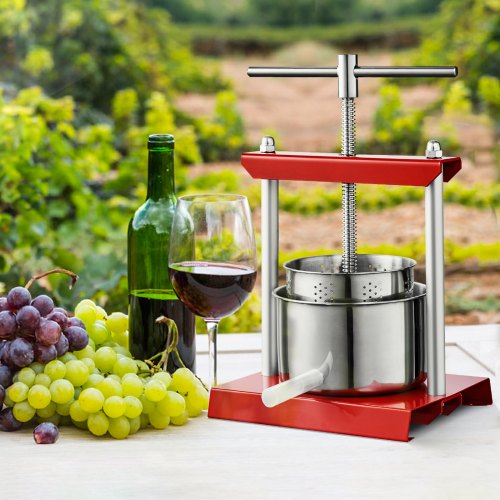
Credit: www.tncim.com
Frequently Asked Questions
What Is The Best Juice For Making Wine At Home?
The best juice for homemade wine is 100% pure grape juice. Avoid juices with preservatives or additives, as they hinder fermentation. Fresh, natural juice ensures a better fermentation process and richer flavor in your homemade wine.
How Long Does Wine Fermentation From Juice Take?
Fermentation usually takes 1 to 3 weeks depending on temperature and yeast used. Warmer temperatures speed up fermentation, while cooler slow it down. Monitoring the process daily helps achieve the desired taste and alcohol content.
Can I Use Frozen Juice For Winemaking?
Yes, frozen juice can be used if thawed properly. Ensure the juice is fresh before freezing. Thaw slowly in a refrigerator to maintain quality and avoid off-flavors in your homemade wine.
Do I Need Special Yeast For Making Wine From Juice?
Yes, using wine yeast specifically designed for fermentation improves flavor and alcohol yield. Baker’s yeast is not recommended as it produces off-flavors and low alcohol. Wine yeast ensures a clean, controlled fermentation process.
Conclusion
Crafting wine from wine juice is simple and rewarding. Anyone can do it at home. Just follow the basic steps and watch the transformation. The process is enjoyable and educational. It offers a deeper appreciation for wine. You can share your homemade wine with friends and family.
It’s a great conversation starter. Plus, it’s a fun hobby that brings joy. Start your winemaking journey today. Experiment with flavors and techniques. Discover your perfect blend. Enjoy the fruits of your labor. Cheers to homemade wine!
Ethan Cole is a kitchen innovation enthusiast and food technology writer at DiningGadgets.com. With over 8 years of experience reviewing cookware, smart kitchen tools, and design trends, he helps readers discover gadgets that make cooking easier and dining more enjoyable. When he’s not testing the latest kitchen appliances, Ethan enjoys experimenting with recipes and sharing practical tips for modern homes.